Introduction: The Deep Longing for a Safe Home
In a world that often feels unpredictable and even hostile, the yearning for a true safe space within our own homes is more than a desire—it’s a necessity. For many, home has not always meant shelter in the emotional, psychological, and spiritual sense. Instead, it’s sometimes been a battleground, a place of tension, outbursts, and insecurity. This article explores what it means to claim your home as your sanctuary, the practical steps to get there, and the profound effects it can have on your entire life.
What Does a Safe Space Look Like?
A safe home is not just about physical security, but also emotional reliability. It’s a place without:
- Loud anger or explosive rage: No shouting matches, slamming doors, or outbursts that leave everyone walking on eggshells.
- Name-calling, shaming, or blackmail: Language is kind, boundaries are respected, and psychological safety is non-negotiable.
- Unpredictable or threatening behavior: Everyone knows what to expect; there’s no fear of sudden emotional storms.
- Broken trust: Promises made are promises kept, and everyone feels seen and heard.
Why Creating a Safe Space Matters
Our environments shape us. When your home is chaotic or emotionally unsafe, it can lead to chronic stress, anxiety, and even physical health problems. Conversely, a peaceful home fosters resilience, self-esteem, and authentic self-expression. Children raised in calm, respectful environments are more likely to grow up emotionally balanced and self-assured. For adults, a safe home can be the foundation for personal growth, creativity, and deep relationships.
Building Blocks of a Safe Home
1. Clear, Consistent Boundaries
Healthy boundaries are the bedrock of a safe space. They define what’s acceptable and what’s not, both for yourself and for others in your home. Boundaries might include:
- Respecting each other’s privacy and alone time.
- Agreeing to discuss disagreements calmly, without resorting to yelling or insults.
- Deciding together what “home rules” make everyone feel safe.
Setting boundaries isn’t about shutting people out—it’s about letting the right things in. When you have weak boundaries, you may frequently feel overwhelmed and drained. Strong boundaries protect your energy and well-being.
2. Emotional Safety and Communication
In a safe home, feelings can be expressed without fear of judgment or retaliation. This doesn’t mean avoiding tough conversations, but rather handling them with empathy and respect. Key practices include:
- Active listening: Give your full attention when someone is speaking.
- Nonviolent communication: Focus on expressing your own feelings and needs, not attacking others.
- Apologizing when you’re wrong: Modeling accountability builds trust.
3. Physical Environment Matters
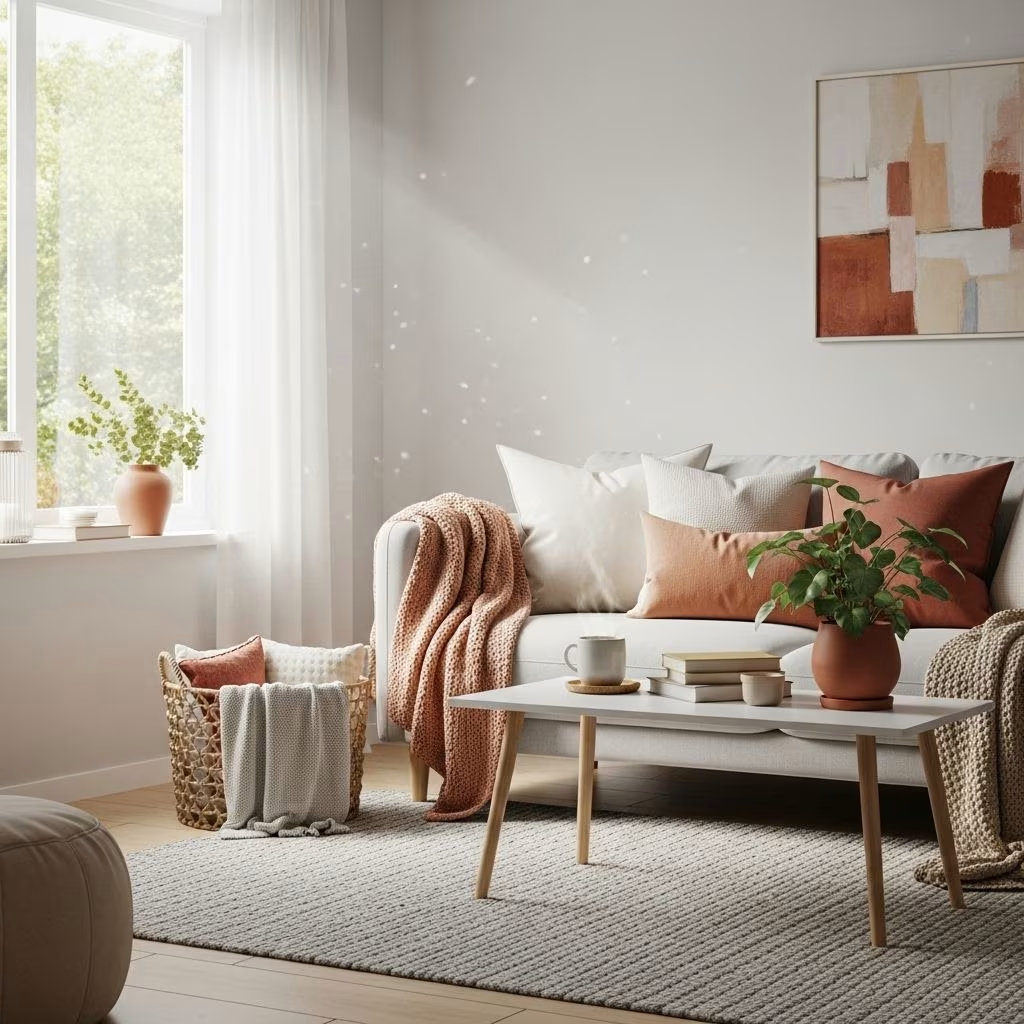
The physical space of your home affects your mental state. A cluttered, dirty, or overly chaotic environment can increase stress, while a clean, organized, and aesthetically pleasing space can promote calm. Consider:
- Decluttering regularly to reduce visual and mental noise.
- Incorporating calming colors, natural light, and plants.
- Designating quiet zones for relaxation, reading, or meditation.
4. Cultivating Mutual Respect
Respect is a two-way street. In a safe home, everyone—regardless of age—has inherent worth and dignity. This means:
- No belittling, mocking, or dismissive behavior.
- Honoring each other’s opinions and differences.
- Valuing consent and bodily autonomy.
The Personal Journey to Safety
For many, the idea of a safe home is aspirational—something they’ve never fully experienced. If you grew up in a household where boundaries were ignored or emotions were volatile, you may carry those patterns into adulthood. Breaking those cycles starts with self-awareness and a commitment to doing things differently.
“You yourself, as much as anybody in the entire universe, deserve your love and affection.” —Buddha
Self-love is the first step. You deserve a home where you feel secure, seen, and valued. Sometimes, this means making difficult choices—setting limits with family, ending toxic relationships, or even moving out. Other times, it’s about changing your own behavior: speaking up, enforcing boundaries, and refusing to accept disrespect.
Letting Go of Old Patterns
Old habits die hard, especially when they’re rooted in survival. Letting go of patterns that no longer serve you—like people-pleasing, avoiding conflict, or minimizing your own needs—can feel scary. But as you practice new ways of being, you’ll find greater peace and self-trust.
Pausing before reacting is a powerful tool. Ask yourself: Is this a healthy response? Am I perpetuating the problem? Is this an old pattern that no longer serves me? Taking a few deep breaths before responding can help you choose a calm, conscious action instead of a knee-jerk reaction.
Being Your Own Safe Place
Even in the absence of external safety, you can cultivate an inner sanctuary. This inner safety allows you to navigate life’s uncertainties without collapsing. As one writer reflects:
“She was always where I would go and the first person I would call or turn to for help. I, like many others, thought that my security came from someone else. What I couldn’t understand was that I already had everything I needed to be safe and secure inside. We all do. We are our own safe places. We do not need to depend on others. We can stand on our own two feet and establish our own home bases.”
This is not to say we don’t need others—connection is vital. But true security begins within.
Practical Steps to Create Your Safe Space
For Individuals
- Define your non-negotiables. What behaviors or environments make you feel unsafe? Write them down.
- Communicate your needs. Clearly express your boundaries to housemates, partners, or family.
- Create rituals. Light candles, play calming music, or establish a bedtime routine that signals safety.
- Seek support. If your home environment is toxic, reach out to friends, therapists, or support groups.
For Families and Couples
- Have regular check-ins. Talk about what’s working and what isn’t in your home dynamic.
- Agree on conflict resolution strategies. Decide how you’ll handle disagreements before they escalate.
- Model healthy behavior. Children learn from what they see. Show them what respect and safety look like.
For Communities
- Advocate for safe housing policies. Support initiatives that protect tenants from abuse and neglect.
- Normalize conversations about home safety. Share your experiences and listen to others.
- Build networks of care. Sometimes, a safe space is a friend’s couch or a community center.
Challenges Along the Way
Creating a safe home isn’t always easy. You may face resistance from others who are used to old patterns. You might doubt your right to peace. You may grieve the safe home you never had. These feelings are normal. Healing is not linear, and setbacks are part of the process.
In times of uncertainty and loss, it’s tempting to grasp for external anchors—relationships, possessions, routines—that promise security but can’t truly provide it. The real work is learning to trust yourself, to be present with discomfort, and to believe that you deserve better.
Surviving the In-Between
If you’re currently without a safe home, remember that this in-between space is temporary. As one writer puts it:
“It is scary and feels cruel at times, but it is a gift. If, out of fear, we grasp for people and things that we know aren’t meant for us, we reject the gift. We will never know its treasures. Alternatively, we can accept this groundless time, and do something we have never done—wait patiently and let our true homes find us.”
In the meantime, small acts of self-care—making your bed, lighting a candle, or spending time in nature—can help you feel anchored.
FAQs
What if my family refuses to respect my boundaries?
If your boundaries are repeatedly ignored, it’s important to reinforce them calmly and consistently. Sometimes, this means spending less time in shared spaces or limiting contact. If the situation is emotionally or physically unsafe, consider seeking help from a counselor or support organization.
Can a safe space exist in a shared house or apartment?
Yes, but it requires clear communication and agreements with all residents. Setting house rules and choosing compatible housemates can make a big difference. Personalizing your own bedroom as a mini-sanctuary also helps.
How do I know if my home is emotionally safe?
You’ll generally feel relaxed, respected, and free to express yourself. If you often feel anxious, tense, or invalidated at home, these are signs that your emotional safety is compromised.
What if I’ve never experienced a truly safe home? Where do I start?
Start by imagining what safety and peace look like to you. Begin with small changes—cleaning, decorating, setting limits—and seek out supportive communities that can help you feel safe and seen.
How does a safe home affect mental health?
A safe, calm environment reduces stress, anxiety, and the risk of chronic illness. It supports emotional resilience, healthy relationships, and overall well-being.
Conclusion: Home Is Where the Heart Is Safe
Transforming your living space into a true safe haven is a radical act of self-love and hope. It’s a commitment to healing, not just for yourself but for everyone who shares your home. You are worthy of a place where you can rest, grow, and thrive. Start small, be patient with yourself, and remember: you are already your own best sanctuary. As you build that sanctuary outward, you’ll discover that a safe home isn’t just a dream—it’s a birthright, and it’s within your power to create.
May your home be a refuge, your heart its truest compass, and your life a testament to the peace that’s possible when we dare to make space for safety, respect, and love.
References
- https://tinybuddha.com/blog/depending-on-yourself-in-the-uncertain-in-between-space/
- https://tinybuddha.com/blog/how-to-set-healthy-boundaries-and-protect-your-space-and-energy/
- https://tinybuddha.com/blog/looking-for-security-we-can-be-our-own-safe-places/
- https://tinybuddha.com/fun-and-inspiring/my-home-will-be-a-safe-space/