Understanding Gnats
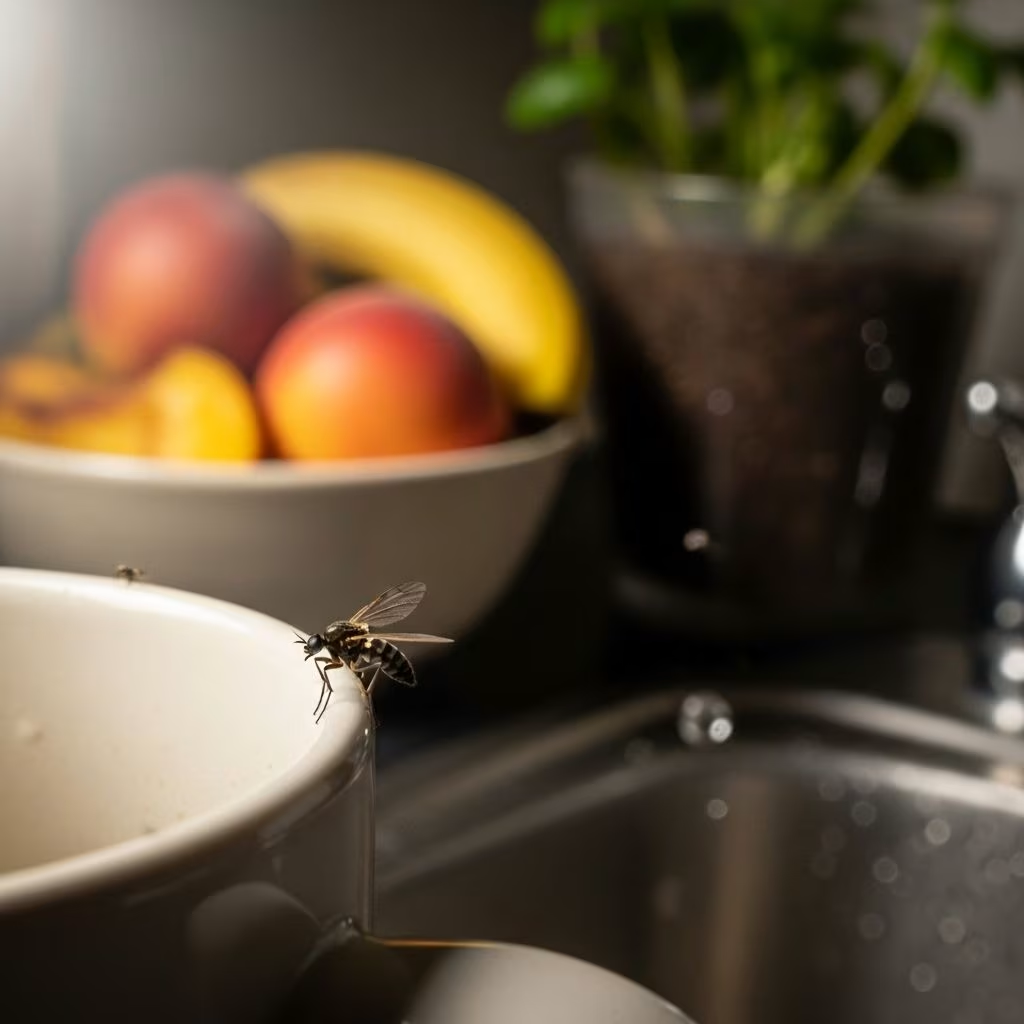
Gnats are small flying insects that can be both a nuisance and a pest in homes. They are attracted to moisture, organic matter, and decaying plant material. Gnats themselves do not bite humans, but their presence can be annoying and unsanitary. To tackle a gnat infestation, it’s crucial to understand their life cycle and what attracts them to homes.
Life Cycle of Gnats
The life cycle of gnats involves four stages: egg, larvae, pupae, and adult. Adult gnats typically live for about one to two weeks, depending on environmental conditions such as temperature and humidity. Their lifespan is extended in warmer climates and when they have access to abundant food sources.
Causes of Gnats in the House
Gnats are often found in kitchens and gardens due to their attraction to:
- Moisture: Overwatered plants, damp soil, and standing water are ideal breeding grounds for gnats.
- Decaying Organic Matter: They thrive in environments with rotting fruits, vegetables, and other organic waste.
- Food Waste: Gnats are drawn to decomposing plant material and food debris.
Identifying a Gnat Infestation
The presence of gnats can be identified by:
- Adult Gnats: Flying in small groups near breeding sites.
- Larvae: Found in moist areas like plant soil or near drains.
- Eggs: While hard to spot, they are typically laid in clusters near breeding sites.
How to Get Rid of Gnats
Eliminating gnats involves addressing the source of their infestation and using a combination of natural and chemical methods.
Natural Methods
Some effective natural methods include:
- Apple Cider Vinegar Trap: Use a jar with apple cider vinegar covered with plastic wrap and poke small holes for gnats to enter.
- Wine Trap: Similar to the vinegar trap but using red wine.
- Hydrogen Peroxide Solution: Mix equal parts hydrogen peroxide and water to kill larvae in soil.
Chemical Methods
For more severe infestations, you can use:
- Pyrethrin Sprays: These are safe for use around plants and pets.
- Residual Insecticides: Use these sparingly as they can harm beneficial insects.
The Best Gnat Killers to Buy
Several commercial products are available that can help eliminate gnats, including:
- Insect Growth Regulators (IGRs): Prevent larvae from developing into adults.
- Yellow Sticky Traps: Capture adult gnats attracted to light.
- Specialized Gnat Traps: Contain a combination of attractants and insecticides.
Preventing Gnats
Prevention is key to avoiding future infestations:
- Proper Watering: Avoid overwatering plants to reduce moisture levels.
- Remove Organic Matter: Promptly dispose of decaying fruits and vegetables.
- Regular Cleaning: Keep your home clean, especially around food and water sources.
- Fix Leaks: Ensure there are no water leaks or standing water in your home.
Frequently Asked Questions (FAQs)
Q: Are Gnats Attracted to Any Specific Smells?
A: Yes, gnats are attracted to the smell of decomposing organic matter, such as rotting fruits and vegetables.
Q: How Do I Keep Gnats Away for Good?
A: To keep gnats away, ensure your home is free from moisture, dispose of organic waste regularly, and maintain well-watered plants without overwatering.
Q: Can Gnats Cause Damage to Plants?
A: While adult gnats are mostly a nuisance, their larvae can cause damage to plant roots if they infest the soil.
Conclusion
Gnats might seem like a minor pest, but managing their infestations requires understanding their life cycle and how to address their breeding grounds effectively. By combining natural and chemical methods along with preventive measures, you can ensure your home remains gnat-free.
References
- https://a-z-animals.com/blog/how-long-do-gnats-live/
- https://www.orkin.com/pests/flies/gnats/gnat-lifespan
- https://www.countryliving.com/home-maintenance/g27683756/how-to-get-rid-of-gnats/
- https://www.consumeraffairs.com/homeowners/gnat-facts.html
- https://suburbanhobbyfarmer.com/getting-rid-of-gnats/
- https://www.umass.edu/agriculture-food-environment/greenhouse-floriculture/fact-sheets/fungus-gnats-shore-flies