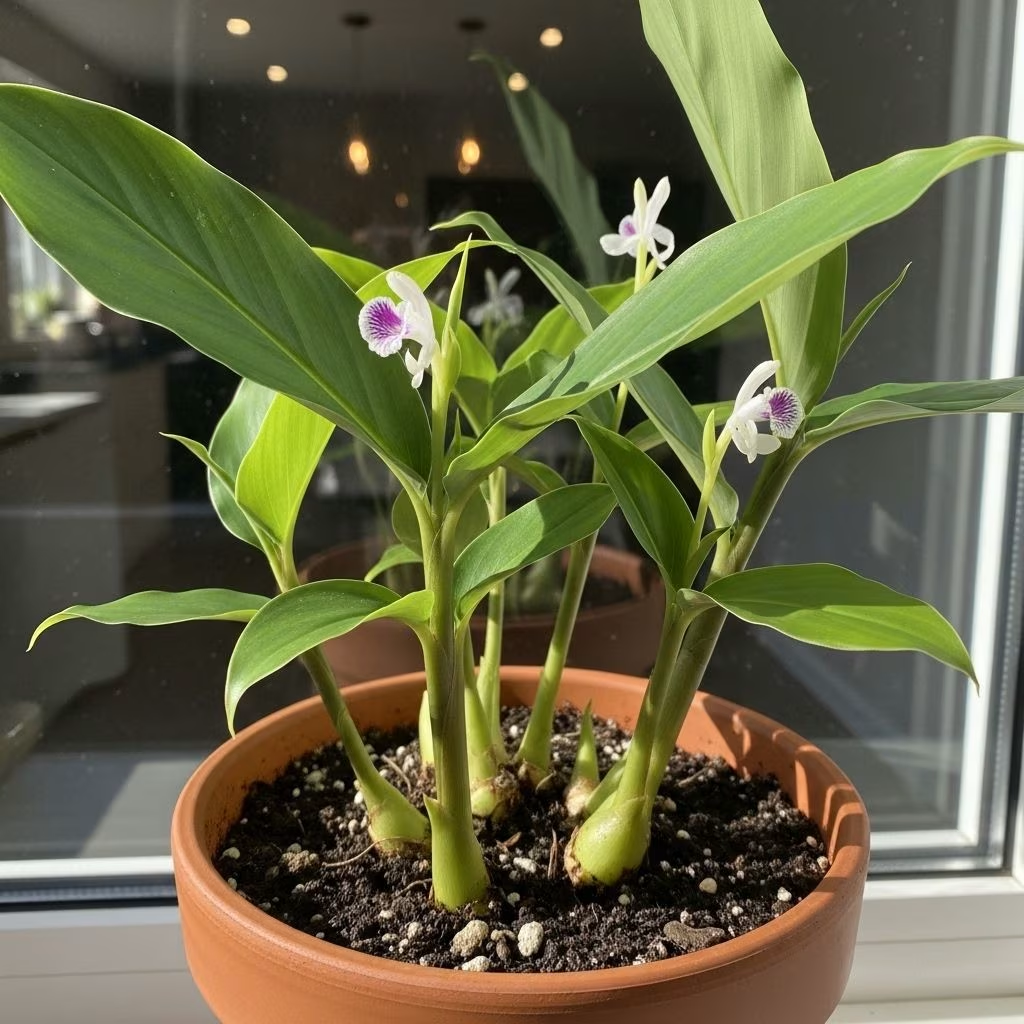
Sand ginger represents one of those delightful botanical discoveries that transforms both garden and kitchen. This tropical herb, scientifically known as Kaempferia galanga, belongs to the Zingiberaceae family and offers home gardeners an unexpectedly manageable way to cultivate an exotic plant, even in climates far removed from its native tropical origins. The plant’s remarkable ability to thrive in containers and adapt to indoor cultivation makes it accessible to gardeners across diverse climate zones.
What makes sand ginger particularly compelling is its dual nature as both an ornamental specimen and a culinary ingredient. The plant produces elegant foliage that creates a lush, tropical aesthetic, while its rhizomes and leaves provide aromatic contributions to various dishes. Unlike many tropical plants that demand constant warmth and humidity, sand ginger has evolved a natural dormancy cycle that actually makes it easier to maintain through challenging winter months.
Understanding Sand Ginger’s Natural Growth Cycle
The growth pattern of sand ginger follows a predictable rhythm that gardeners must respect to achieve success. This perennial herb experiences what botanists call obligate dormancy, meaning the plant biologically requires a rest period to complete its lifecycle properly. During active growth periods, the plant produces distinctive lanceolate leaves that can reach impressive dimensions, creating a fountain-like display of verdant foliage.
The rhizomes of sand ginger creep along the soil surface rather than burrowing deeply, which influences how the plant should be potted and maintained. These horizontal stems store energy and moisture, allowing the plant to survive its dormant phase and regenerate vigorously when conditions become favorable again. Understanding this natural cycle prevents the common mistake of overwatering during dormancy or becoming concerned when foliage completely disappears.
During the growing season, sand ginger develops its leaves in a fascinating architectural pattern. Each leaf emerges as a tightly rolled cylinder that gradually unfurls and flattens, creating layers of ruffled texture. This vertical emergence pattern continues throughout the summer months, with new leaves constantly appearing as older ones mature. The cumulative effect produces a lushly layered appearance that brings tropical sophistication to any space.
Creating Optimal Growing Conditions
Successfully cultivating sand ginger begins with understanding its soil preferences and environmental requirements. The plant thrives in deep, loose, moisture-retentive growing media that combines excellent drainage with consistent moisture availability. A mixture incorporating equal parts quality topsoil, mature compost, and coarse sand creates an ideal foundation. This combination ensures adequate nutrition while preventing the waterlogged conditions that can rot rhizomes.
Container selection plays a crucial role in sand ginger cultivation. Terra cotta pots measuring approximately ten inches in diameter provide sufficient room for rhizome expansion while allowing excess moisture to evaporate through the porous clay walls. The plant’s shallow root system means depth matters less than width, as the rhizomes spread horizontally. Proper drainage holes are absolutely essential, as standing water quickly damages the plant.
Light requirements for sand ginger reflect its origin in tropical monsoon rainforests where it grows beneath the forest canopy. The plant prefers partial shade and diffuse light rather than direct, intense sunshine. When grown outdoors during warm months, positioning sand ginger where it receives morning sun and afternoon shade produces excellent results. Indoors, placing the plant near east-facing windows or providing filtered light through sheer curtains mimics these natural conditions effectively.
The Dormancy Period and Winter Care
As autumn progresses and temperatures cool, sand ginger begins its natural transition into dormancy. The foliage gradually yellows and withers, eventually disappearing completely as the plant channels all its energy into the underground rhizomes. This dramatic transformation often alarms first-time growers, but it represents perfectly normal and healthy behavior. The rhizomes remain alive and viable throughout this rest period, quietly preparing for the next growing season.
Winter care for dormant sand ginger requires a delicate balance. The rhizomes need some moisture to prevent complete desiccation, but excess watering during dormancy can trigger premature sprouting or encourage fungal problems. Checking the soil occasionally and providing just enough water to keep it barely moist maintains the rhizomes in optimal condition. The pot should be stored in a cool location away from heating vents, ideally where temperatures remain between 50 and 60 degrees Fahrenheit.
Some gardeners attempt to extend the growing season by maintaining regular watering through winter, which can keep foliage present longer. However, this approach disrupts the plant’s natural cycle and typically results in delayed emergence the following season. The plant essentially needs to catch up on missed dormancy, similar to humans requiring extra sleep after staying up too late. Respecting the obligate dormancy produces healthier plants with more vigorous growth when conditions improve.
Spring Awakening and Outdoor Transition
The transition from dormancy to active growth represents a critical phase in sand ginger cultivation. Once nighttime temperatures stabilize reliably above 55 degrees Fahrenheit, the dormant rhizomes can be encouraged to break their rest. This temperature threshold minimizes transition shock and ensures the plant emerges into genuinely hospitable conditions rather than experiencing temperature fluctuations that can stress emerging growth.
Resuming watering serves as the primary signal that triggers renewed growth. After months of minimal moisture, gradually increasing water availability tells the rhizomes that favorable conditions have returned. However, patience proves essential during this phase, as weeks may pass before visible growth appears above the soil surface. Underground, the rhizomes are assessing conditions and initiating complex physiological changes that precede leaf emergence.
The first sign of awakening typically appears as a single, tightly rolled leaf pushing through the soil surface. This initial growth may seem modest, but it marks the beginning of an increasingly vigorous display. As summer heat intensifies, particularly during the humid, tropical conditions of July and August, leaf production accelerates dramatically. Each new leaf adds to the lush, ruffled texture that makes sand ginger such an attractive ornamental specimen.
The Mysterious Nocturnal Flowers
Sand ginger produces flowers that most gardeners never witness, as these blooms open exclusively at night. The buds themselves are easy to overlook, resembling sharp white needles nestled at the base of the foliage. These tissue-paper-thin structures emerge from the rhizomes rather than from stems, appearing directly at soil level where they can be obscured by leaves and mulch.
The flowers themselves are ephemeral treasures, opening after dark and beginning to fade by late afternoon of the following day. Their petals become transparent and limp before disintegrating completely, leaving little evidence of their brief existence. This nocturnal blooming strategy evolved to attract specific pollinators active during nighttime hours, though cultivated plants rarely produce seed in temperate climates.
While the flowers contribute minimally to sand ginger’s ornamental value due to their hidden, fleeting nature, they represent an interesting botanical characteristic that adds to the plant’s mystique. Gardeners who make a point of checking their sand ginger after dark during the growing season may be rewarded with glimpses of these delicate, short-lived blooms.
Division and Propagation Techniques
Every two years or so, vigorously growing sand ginger threatens to outgrow its container, with rhizomes pressing against pot walls and circling around themselves. This crowding signals the perfect time for division, a process that simultaneously rejuvenates the parent plant and produces new specimens to expand your collection or share with fellow gardeners. The procedure is straightforward and forgiving, making it accessible even to novice gardeners.
Division should ideally occur during the dormant period or just as new growth begins emerging in spring. The entire root mass can be pulled free from its container relatively easily, as sand ginger lacks the deep, anchoring roots that make some plants difficult to extract. Once removed, the rhizome mass can be examined to identify natural division points where sections can be separated with minimal damage.
A sharp hori hori knife or similar tool makes quick work of shearing through the rhizome mass. Dividing the plant into two to four sections provides pieces large enough to establish quickly while giving each division room to expand. When repotting divisions, remember that sand ginger produces no true stems, and the rhizomes should be positioned just at or barely below the soil surface. Covering them too deeply can inhibit emergence and create conditions favorable for rot.
Culinary Applications and Flavor Profile
Beyond its ornamental qualities, sand ginger offers exciting culinary possibilities that distinguish it from more common ginger species. Both the leaves and rhizomes are edible, each contributing unique flavors and textures to various dishes. The leaves possess a perfumed, aromatic quality with a crisp, juicy texture that makes them particularly valuable in fresh preparations where their characteristics can shine.
Fresh sand ginger leaves excel in salads, where their aromatic complexity adds depth without overwhelming other ingredients. They pair beautifully with other soft, fragrant herbs including sweet basil, Thai basil, lemon basil, Vietnamese coriander, cilantro, and mint. A simple preparation might involve chopping these mixed herbs, dressing them lightly with shoyu and toasted sesame oil, and topping the mixture with soft-cooked eggs for a tonic-like salad that refreshes and energizes.
Quick pickling represents another excellent application for sand ginger leaves. Their crisp texture holds up well to the pickling process, while their aromatic compounds infuse the brine with complexity. The leaves can also be incorporated into lacto-fermented vegetables, where they contribute distinctive flavor notes that complement the tangy, probiotic-rich results of fermentation.
When cooked, sand ginger leaves bring layered complexity to dishes featuring coconut milk, such as various curries from Southeast Asian cuisines. The heat releases aromatic compounds that meld beautifully with creamy coconut and warm spices. The leaves also complement rich meat preparations, such as pork belly stuffed with fresh turmeric and garlic, or lamb marinated with ginger before grilling over charcoal. In these applications, sand ginger adds an aromatic dimension that distinguishes the dish from versions using common ginger alone.
Harvesting for Maximum Sustainability
One of sand ginger’s great advantages as a culinary herb is the ease and sustainability of leaf harvesting. Unlike plants where harvest damages the main growing points or significantly sets back development, sand ginger leaves can be removed individually without harming the plant’s overall health or productivity. In fact, regular harvesting often encourages the production of additional leaves as the plant responds to the removal by generating new growth.
When harvesting leaves, select mature specimens that have fully unfurled and developed their characteristic shape and size. Using clean, sharp scissors or simply pinching leaves off at their base minimizes damage to surrounding growth. The rhizomes continue producing new leaves throughout the growing season, ensuring a steady supply for culinary use without depleting the plant.
For dishes requiring rhizomes rather than leaves, harvesting becomes more involved and should be reserved for division time when the plant is being repotted anyway. Sections of rhizome can be removed, cleaned, and used fresh in cooking. The aromatic, crisp texture of sand ginger rhizomes differs from common ginger, offering a distinctive flavor profile that works particularly well in Southeast Asian cuisines where this herb is traditional.
Troubleshooting Common Growing Challenges
Despite sand ginger’s reputation for being relatively easy to cultivate, certain challenges can arise that test even experienced gardeners. Understanding these potential issues and their solutions helps ensure long-term success with this tropical herb. Most problems stem from environmental mismatches or care routines that don’t align with the plant’s natural requirements.
Delayed emergence after dormancy often concerns growers, particularly those new to sand ginger cultivation. When weeks pass after resuming watering with no visible growth, it’s natural to worry that the rhizomes have died. However, this extended lag period is frequently normal, especially if the plant was watered during what should have been its dormant phase. Patience typically resolves the issue, with growth eventually appearing once the plant completes its necessary rest period.
Yellowing leaves during the active growing season, distinct from the natural autumn yellowing that precedes dormancy, usually indicates watering issues. Both overwatering and underwatering can produce similar symptoms, making diagnosis challenging. Checking soil moisture levels helps determine which extreme is occurring. The growing medium should remain consistently moist but never waterlogged, with the top inch allowed to dry slightly between waterings.
Failure to flower, while disappointing to some gardeners, rarely indicates any health problems with the plant. Many cultivated sand ginger specimens never bloom, or bloom so infrequently that flowers go unnoticed. The nocturnal, ephemeral nature of the flowers means they can appear and disappear without being observed. Since sand ginger’s primary value lies in its foliage and rhizomes rather than its flowers, lack of blooming shouldn’t be considered a cultivation failure.
Sourcing and Selecting Quality Plants
Finding sand ginger for purchase requires seeking out specialty nurseries that focus on tropical plants, herbs, or exotic edibles. Mainstream garden centers rarely stock this unusual species, though interest in diverse culinary herbs has increased availability somewhat in recent years. Online retailers specializing in rare and unusual plants offer the most reliable sources for obtaining quality specimens.
When purchasing sand ginger, whether as a potted plant or as rhizomes for planting, careful inspection helps ensure you’re getting healthy material. Rhizomes should feel firm rather than soft or mushy, with no signs of rot or excessive shriveling. If purchasing a growing plant, look for specimens with vibrant, unblemished foliage and no signs of pest infestation. The rhizomes should be visible at the soil surface, properly positioned for healthy growth.
Starting with quality material significantly impacts long-term success. While sand ginger is generally forgiving and resilient, beginning with compromised rhizomes or stressed plants makes cultivation more challenging. Investing in healthy specimens from reputable sources pays dividends through years of reliable growth and productivity.
Frequently Asked Questions
Q: Can sand ginger survive winter outdoors in cold climates?
A: No, sand ginger cannot survive freezing temperatures and must be brought indoors before frost. The plant naturally goes dormant in winter and can be stored in a cool indoor location while dormant.
Q: How long does it take for sand ginger to emerge from dormancy?
A: After resuming watering in spring, it may take several weeks before the first leaf appears. This extended period is normal as the rhizome undergoes internal changes before producing visible growth.
Q: Can I use sand ginger leaves and rhizomes interchangeably with common ginger?
A: While related, sand ginger has a distinct aromatic profile different from common ginger. The leaves offer unique flavors excellent in fresh preparations, while rhizomes work well in Southeast Asian dishes where sand ginger is traditional.
Q: How often should sand ginger be divided?
A: Division becomes necessary approximately every two years when the rhizomes become crowded in their container. This process rejuvenates the plant and provides opportunities to propagate new specimens.
Q: What is the ideal pot size for sand ginger?
A: A ten-inch diameter terra cotta pot provides adequate space for several years of growth. The pot should be wider than it is deep, as the rhizomes spread horizontally rather than growing downward.
Q: Why did my sand ginger take longer to leaf out this year?
A: Extended dormancy emergence often occurs when the plant was watered during winter, preventing complete dormancy. Like humans needing extra sleep after staying up late, the plant requires additional rest time to compensate.
References
- https://www.yunnanexploration.com/sand-ginger-wurfbainia-villosa.html
- https://www.gardenary.com/blog/how-to-grow-organic-ginger
- https://www.gardenista.com/posts/sand-ginger-an-unusual-herb-to-grow-and-eat-at-home/
- https://sowexotic.com/pages/kaempferiagalanga
- https://www.youtube.com/watch?v=Qee6bpqN_Q0
- https://www.slippertalk.com/threads/kaempferia-galanga-sand-ginger.17152/