Dog owners with beautiful lawns know the frustration of finding mysterious brown or yellow patches where the grass isn’t as vibrant—or is dead altogether. This common problem is often caused by dog urine, but with some basic knowledge and a few practical steps, you can enjoy both a happy pet and a thriving, attractive yard. Below, discover why dog pee damages grass, the science behind it, and actionable solutions to preserve your lawn.
Why Does Dog Urine Kill Grass?
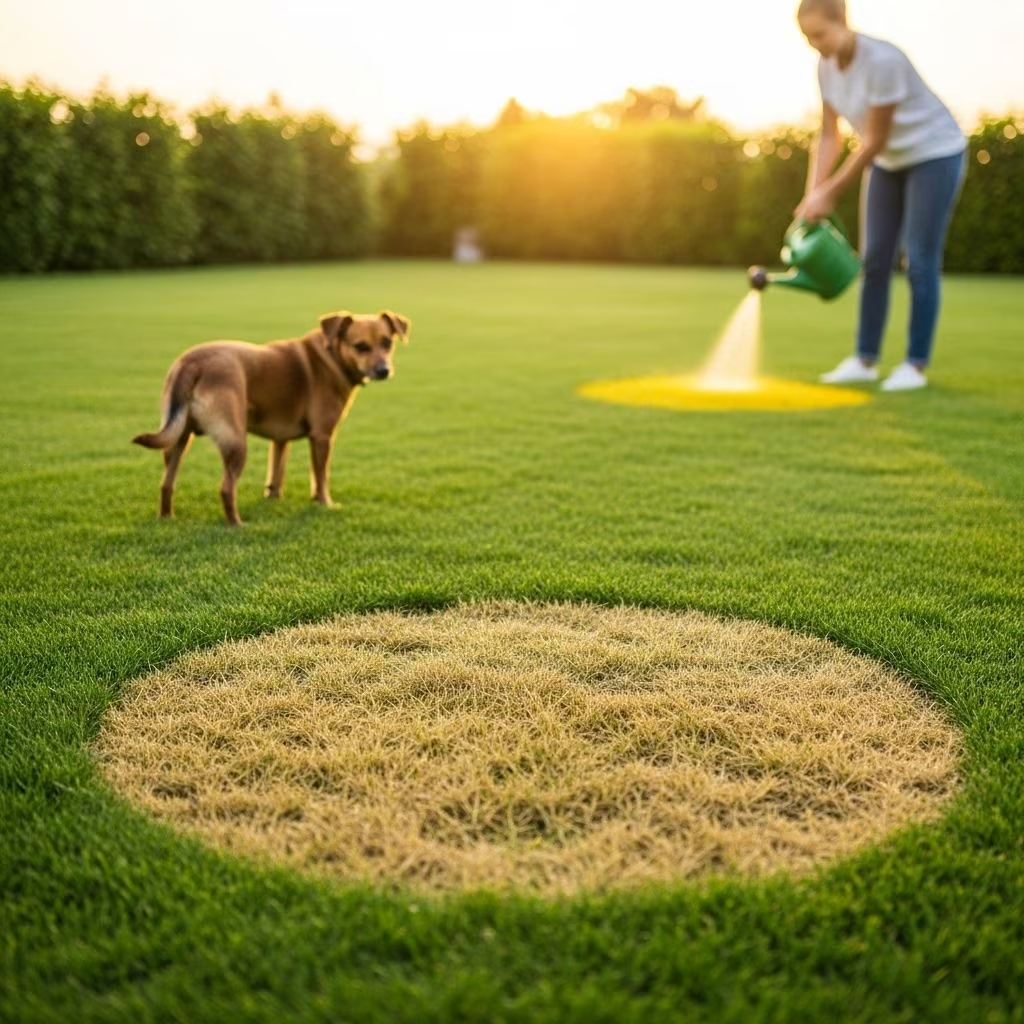
Dog urine contains high levels of nitrogen and salts. While nitrogen is essential for grass growth, too much of it concentrated in a small area acts like an overdose of fertilizer, damaging or even “burning” the grass. The result? Unsightly dead or discolored patches, typically ringed by lush, green grass just outside the spot where the concentration decreases.
- High Nitrogen Concentration: Most dog urine, especially from healthy, well-fed animals, contains significant nitrogen that, in large doses, harms the lawn.
- Salts and Acidity: Salts and, to a lesser extent, the pH (acidity) of dog urine may also contribute to grass stress.
- Repeated Accumulation: When a dog urinates regularly in the same spot, the damage becomes more pronounced.
Main Signs of Dog Urine Damage on Grass
The symptoms of dog urine damage are often easy to spot:
- Brown or yellow patches, sometimes with a dark green perimeter
- Thinning or complete deadening of grass in the affected area
- Residual bad odor in severe cases
Factors Influencing Grass Damage Severity
| Factor | Description |
|---|---|
| Dog Size & Sex | Larger dogs and females (who squat to pee) deposit more urine in a concentrated area, increasing damage. |
| Frequency | Repeated urination in the same spot intensifies harm. |
| Grass Species | Certain grasses (like ryegrass or fescue) are more resistant to urine damage. |
| Lawn Health | A healthy, well-hydrated lawn recovers faster, while weak grass is easily damaged. |
| Diet & Hydration | Diets higher in protein and low water intake can increase urine nitrogen concentration, exacerbating the problem. |
How to Prevent Dog Pee from Killing Your Grass
While you cannot stop your dog from urinating, you can take proactive measures to protect your lawn and reduce visible damage. Prevention is easier—and often less expensive—than extensive lawn repair. Here are several effective strategies:
1. Designate a Pee Spot
- Choose a low-visibility or durable area of your yard for your dog to relieve themselves—mulch, gravel, or artificial turf are good options.
- Training: Leash-walk your dog to this area each time, reward them with praise or treats, and be patient. Consistency is key; most dogs learn within a week or two.
- Benefits: Concentrating urination in one area saves the rest of your lawn from spots and makes cleanup easier.
2. Create a Plant-Free or Low-Maintenance Zone
- Border the designated area with stones, bricks, or a low fence to make it visually clear to your pet—and deter accidental wandering.
- Fill it with pea gravel, mulch, or synthetic grass, which are resistant to urine and require minimal upkeep.
3. Choose and Maintain Resilient Grass
- Use resistant grass species: Fescue and perennial ryegrass tolerate urine better than Kentucky bluegrass or Bermuda grass.
- Overseed your lawn with these varieties during repair or lawn establishment phases.
- Regular Lawn Care: Keep your lawn healthy and drought-resistant by fertilizing (with low-nitrogen formulas) and mowing high (2-3 inches).
4. Keep Your Dog Well-Hydrated
- Encourage increased water intake: Provide multiple water bowls and consider using pet water fountains to entice drinking.
- Add a splash of water to meals (with veterinary approval) or offer ice cubes occasionally as fun hydration.
- Benefits: Diluted urine contains less nitrogen and salts, minimizing grass burn potential.
5. Rinse the Grass After Urination
- Use a garden hose or watering can to immediately soak the area where your dog has peed. This can dilute nitrogen concentration and limit damage.
- No chemicals needed: Plain fresh water is enough—avoid soaps, as they could harm the lawn further.
- Helpful after first morning urination, which tends to be the most concentrated.
6. Rotate Bathroom Locations
- Encourage your dog to use different yard spots rather than returning to the same patch each time, to avoid overdosing one area.
7. Adjust the Lawn Care Routine
- Use a low-nitrogen fertilizer or reduce fertilizing frequency to decrease the total nitrogen load in your soil.
- Avoid feeding both the grass and urine patches with high nitrogen by tracking where you fertilize.
- Keep soil hydrated and aerated to promote better root healing and resilience.
8. Discuss Supplements and Diet with Your Veterinarian
- Consult your vet before adjusting your dog’s diet or trying commercial supplements. Some products claim to reduce urine damage by altering pH, but evidence of their efficacy is mixed and changing urinary pH won’t necessarily lower nitrogen concentration.
- Ensure your dog isn’t on unnecessarily high-protein diets if not highly active or athletic. For some pets, a vet-supervised reduction may lower urine nitrogen.
- Never restrict water intake to reduce peeing frequency—this can harm pet health.
How to Repair Dog Pee Spots in the Lawn
If you already notice yellow or brown patches, don’t worry—there are several smart strategies for restoring your grass:
1. Reseed the Damaged Areas
- Rake away dead grass and loosen the soil.
- Sow resilient grass seed (like fescue or ryegrass), keeping the area moist until new growth appears.
- Commercial patching kits are available—some even with mulch or nutrients included for quick establishment.
2. Lay Down Fresh Sod
- For large dead patches, cut out the affected area and replace it with healthy sod for immediate improvement.
- Water thoroughly during establishment.
3. Consider Grass Repair Products
- Enzymatic or soil amendment products may help repair lawn damage, breaking down nitrogen and supporting root recovery.
- Some formulas may deter your dog from continued use of a repaired patch.
4. Water and Fertilize Properly
- Deep watering schedules help leach excess nitrogen and salts below grass root zones.
- Apply fertilizer judiciously, and only if the rest of your lawn needs it.
5. Mow Smart
- Maintain grass length a bit higher (around 3 inches) to keep roots cooler and more protected against stress.
Common Myths and Ineffective Solutions
- Dog-specific lawn supplements: Changing urine pH with over-the-counter products does not prevent grass burn, as the main culprit is nitrogen and concentration, not acidity.
- Repellents: Several products claim to deter dogs from some lawn areas; few are proven effective and may be unsafe for pets or children.
- Home remedies: Adjusting your own dog’s diet or using salt, vinegar, or baking soda may harm both your pet and your plants—stick to vet-approved, evidence-based methods.
Best Lawn Grass Choices for Dog Owners
| Grass Type | Urine Tolerance | Notes |
|---|---|---|
| Perennial Ryegrass | High | Recovers quickly, robust for patch repair |
| Fescue (Fine, Tall) | High | Good choice for cool climates, drought-tolerant |
| Kentucky Bluegrass | Low | Common but less resistant to urine damage |
| Bermuda Grass | Low to Medium | Vigorous in heat, moderately tolerant |
| Zoysia | Medium | Moderate recovery, better in southern regions |
Additional Tips for a Dog-Friendly, Attractive Lawn
- Supervise bathroom breaks when possible to guide your dog to the right spot.
- Keep your lawn mowed high and water regularly for optimal root health and drought resistance.
- Rotate play and relief areas in multi-pet households to share the nitrogen load.
- Incorporate hardscape features or pet-safe ground covers (clover, artificial grass) in busy zones.
- Never punish your dog for urinating: Instead, redirect and reward them for using the chosen location.
Frequently Asked Questions (FAQs)
How can I stop my dog from making yellow spots on the grass?
The best approaches are to designate a potty area, increase your dog’s hydration, rinse grass after urination, and choose more resilient grass species when planting. Supervising and rewarding your dog for using one spot is especially effective.
Are female dogs worse for lawn damage than males?
Female dogs often cause more noticeable urine spots because they squat, depositing more concentrated urine in one location. Males sometimes mark multiple areas, spreading the nitrogen load.
Does dog breed or size affect grass damage?
Yes. Large or giant breeds produce more urine volume, which means more nitrogen per spot. If you have multiple dogs or a large breed, preventative measures are especially important.
Will supplements or special treats help stop urine damage?
Some supplements are marketed for this purpose, but most only alter the urine pH (acidity), not its nitrogen concentration, which is the main cause of lawn burn. Consult your vet before giving any supplement.
Is it safe to change my dog’s diet to reduce grass spots?
Lowering dietary protein may help, but all dogs have minimum protein needs. Never make dietary changes without guidance from your veterinarian to ensure your pet’s health.
How can I quickly fix a yellow spot on my lawn?
Rake out dead grass, rinse the soil, overseed with a urine-resistant species, and keep the patch moist until it re-establishes. For larger areas, sod replacement is fast and effective.
Conclusion: Balancing a Beautiful Lawn and a Happy Dog
It’s possible to achieve a lush, green lawn alongside a content, healthy dog—it just takes a combination of lawn-care strategies, a bit of training, and good pet hydration. Remember that some trial and error is normal; every yard and every dog is different. With a pet-friendly approach, you can enjoy your outdoor spaces and help your grass recover from inevitable “dog spots.”
References
- https://www.duda-sod.com/news/dealing-with-dog-spots-on-your-lawn-prevention-and-repair-tips/
- https://www.petmd.com/dog/general-health/how-to-keep-dog-pee-from-ruining-lawn
- https://www.extension.purdue.edu/extmedia/ay/ay-327-w.pdf
- https://www.akc.org/expert-advice/home-living/dog-pee-killing-grass/
- https://www.youtube.com/watch?v=Zf8nHd3cW9I