There’s an ongoing debate in kitchens everywhere about leftover pizza: should it be eaten cold or reheated? While cold pizza has its devoted fans, there’s something undeniably satisfying about biting into a hot, crispy slice with perfectly melted cheese. The truth is, if you’ve been disappointed by reheated pizza in the past, you probably haven’t discovered the right method yet. With the proper technique, leftover pizza can taste just as amazing as it did fresh from the pizzeria—sometimes even better.
The secret to successfully reheating pizza lies in understanding what makes a great slice in the first place. It’s all about achieving that perfect balance: a crispy, golden crust on the bottom, warm and gooey cheese on top, and toppings that are heated through without becoming dried out or rubbery. When pizza sits in the refrigerator overnight, moisture from the toppings seeps into the crust, making it soggy and less appealing. The challenge with reheating is reversing this process while avoiding common pitfalls like burnt edges, dried-out toppings, or limp, chewy crusts.
Many people reach for the microwave out of convenience, but this appliance is actually the worst enemy of leftover pizza. The way microwaves heat food—by exciting water molecules—turns your once-crispy slice into a sad, soggy mess. However, with a few strategic cooking methods and the right equipment, you can transform cold pizza back into a hot, delicious meal that rivals the original. Each reheating method offers different advantages depending on your priorities: speed, crispiness, convenience, or the number of slices you need to heat at once.
Understanding Why Pizza Gets Soggy
Before diving into reheating methods, it’s helpful to understand what happens to pizza as it cools and why it becomes less appetizing. When pizza is freshly baked, the high heat of the oven creates steam that escapes from the dough, leaving behind a crispy crust. The cheese melts into a stretchy, bubbly layer, and the toppings release their flavors and aromas. As the pizza cools down, however, several changes occur that affect its texture and taste.
The cooling process causes moisture from the cheese and toppings to migrate into the crust, making it soft and sometimes tough. The fats in the cheese solidify, losing that desirable stretchy quality. The crust itself can become either rubbery or stiff, depending on the original baking method and ingredients. When you store pizza in the refrigerator, condensation can form, adding even more unwanted moisture to the equation. This is why simply warming up pizza isn’t enough—you need to use a method that drives out excess moisture while reintroducing heat evenly.
The goal of any good reheating method is to reverse these changes as much as possible. You want to evaporate the excess moisture that has accumulated, re-crisp the crust, and bring the cheese back to that melty, gooey state. Different heating methods accomplish these goals with varying degrees of success, which is why choosing the right technique for your situation makes all the difference.
The Microwave Method: A Last Resort
Let’s address the elephant in the room: the microwave. While it’s the fastest and most convenient option for reheating food, it’s also the worst choice for pizza. The microwave works by causing water molecules in food to vibrate rapidly, generating heat from the inside out. This process is great for soups and beverages, but it’s terrible for foods that should have a crispy texture.
When you microwave pizza, the moisture that has accumulated in the crust gets heated but has nowhere to escape. Instead of evaporating and leaving the crust crispy, the steam makes everything soggy and limp. The cheese melts unevenly, often becoming rubbery or even tough in spots. The bottom of the crust remains pale and soft instead of developing that golden, crispy texture you want. After just a minute or two in the microwave, your pizza emerges looking sad and tasting even worse.
The only time the microwave might be acceptable is when you have absolutely no other options available—perhaps you’re at work with only a break room microwave, or you’re in a situation where speed is the only consideration. Even then, eating cold pizza straight from the refrigerator might actually be preferable to the disappointing results of microwaving. If you must use a microwave, at least place a cup of water in the microwave alongside your pizza to help keep the crust from becoming too tough, though this won’t solve the fundamental texture problems.
The Oven Method: Best for Multiple Slices
Reheating pizza in the oven is one of the most reliable methods, especially when you need to heat multiple slices at once. This technique requires a bit more time and patience than other methods, but the results are consistently good, and it requires minimal effort or monitoring once you’ve got everything set up. The oven provides even, all-around heat that warms the entire slice thoroughly while allowing moisture to escape.
To reheat pizza in the oven, start by preheating it to 350°F (175°C). While the oven is heating, arrange your pizza slices on a sheet pan in a single layer, making sure they don’t overlap. Cover the pan loosely with aluminum foil—this is an important step that prevents the top of the pizza from drying out or burning before the bottom has a chance to crisp up. The foil creates a mini-environment that allows the cheese to melt evenly and keeps the toppings moist.
Once your oven reaches the correct temperature, place the sheet pan on the lowest rack. Positioning the pizza close to the bottom heating element is crucial for achieving a crispy crust. The direct heat from below will crisp up the bottom of the pizza while the ambient heat in the oven warms everything else. Let the pizza heat for approximately 10 to 15 minutes, depending on the thickness of the crust and the number of slices you’re reheating.
The oven method is particularly useful when you’re reheating pizza for a group or when you have several slices to warm up at once. You can easily fit multiple slices on a single sheet pan, and they’ll all heat evenly. The main downside is the time investment—waiting for the oven to preheat and then for the pizza to heat through can take 20 minutes or more. However, the hands-off nature of this method means you can use that time to prepare a salad, set the table, or attend to other tasks.
The Stovetop Method: For the Crispiest Results
Reheating pizza on the stovetop is where things get interesting, as this method offers two different approaches depending on your priorities and patience level. Both techniques rely on direct heat from below to crisp up the crust, and both work best with a cast-iron skillet. Cast iron is ideal because it conducts and retains heat exceptionally well, providing consistent, even heating that prevents hot spots and ensures the entire bottom of your pizza gets crispy without burning.
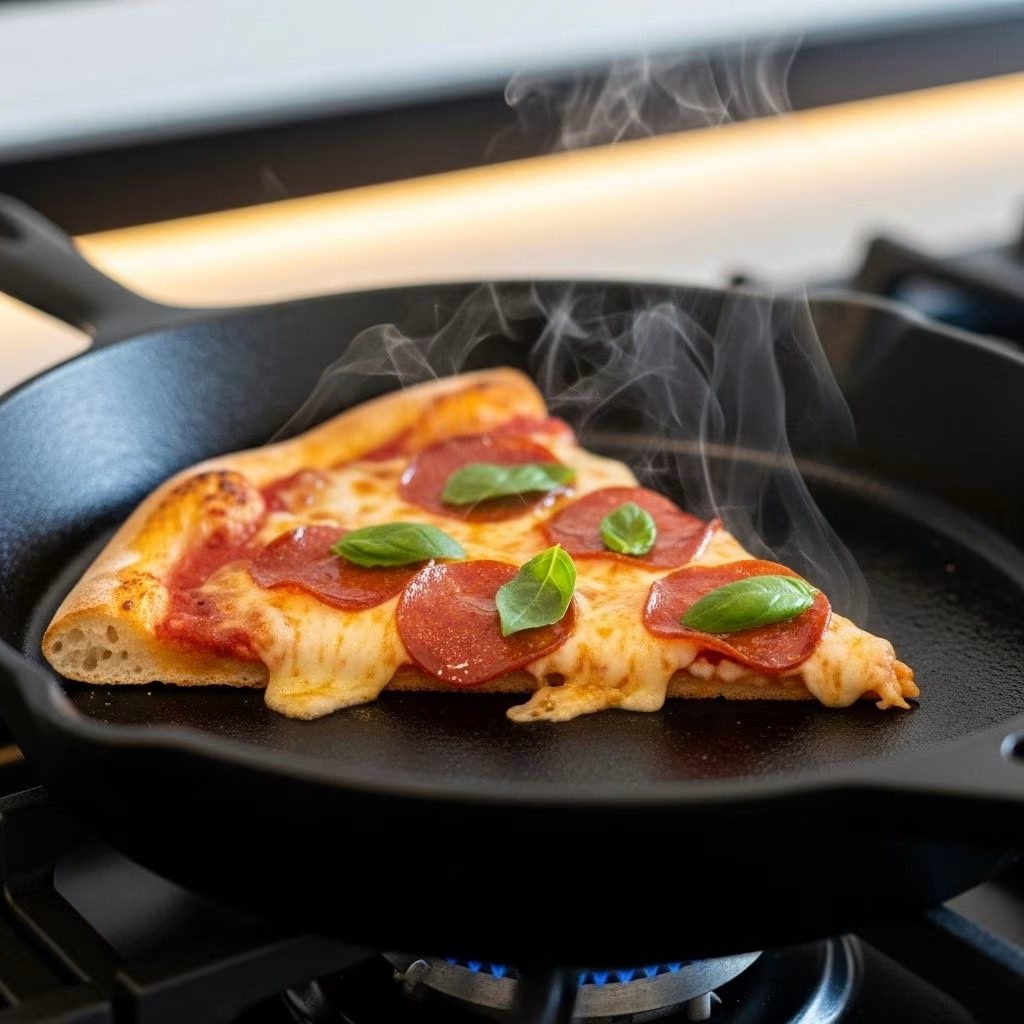
The Quick Stovetop Method: This approach is perfect when you want great results without waiting too long. Heat your cast-iron pan over medium-low heat—you want it warm but not blazing hot. Place your pizza slice in the pan and let it start warming. Here’s the clever trick: add a few drops of water to the pan, away from the crust, and immediately cover the pan with a lid. As the water heats up, it creates steam that rises and melts the cheese from above while the pan crisps the bottom of the crust from below. This dual-action heating gives you a perfectly reheated slice in just a few minutes, with melty cheese and a crispy bottom.
The Low and Slow Method: For those willing to invest a bit more time for an exceptionally crispy crust, the low and slow approach delivers outstanding results. Place your pizza slice directly in the pan over low heat, but this time, leave it uncovered. The key here is patience—resist the urge to increase the heat. Depending on your stove’s power, this process takes between 7 to 10 minutes. You’ll know your pizza is ready when the cheese begins to melt and bubble. By this point, your crust will be thoroughly heated and often even crispier than when the pizza was freshly made.
The stovetop methods require more attention than the oven approach—you need to watch the pizza to prevent burning and adjust heat as needed. However, the payoff is worth it. The direct contact with the hot pan creates a level of crispiness that’s difficult to achieve with other methods. The crust develops a golden-brown color and a satisfying crunch, while the toppings stay moist and flavorful. If achieving the perfect crispy crust is your top priority, the stovetop is your best friend.
The Air Fryer Method: Speed Meets Crispiness
The air fryer has revolutionized how we reheat leftovers, and pizza is no exception. This appliance combines the speed and convenience of a microwave with the crisping power of an oven, making it one of the most efficient methods for bringing pizza back to life. An air fryer works by circulating hot air rapidly around food, creating a crispy exterior while heating the interior thoroughly. For pizza reheating, this technology is nearly perfect.
To reheat pizza in an air fryer, preheat the appliance to approximately 400°F (200°C). Most air fryers heat up quickly, so this won’t add much time to your overall process. Place your pizza slices in the air fryer basket in a single layer, making sure they don’t overlap. Depending on the size of your air fryer, you might be able to fit two or three slices at once. Set the timer for 4 to 5 minutes and let the air fryer work its magic.
The circulating hot air in the air fryer crisps up the crust beautifully while melting the cheese and heating the toppings evenly. Unlike the microwave, which leaves pizza soggy, or the oven, which takes forever to preheat, the air fryer delivers excellent results in a fraction of the time. The crust comes out crispy with a slight crunch, the cheese gets bubbly and melted, and the whole slice is heated through perfectly. You might even find that your pizza tastes better reheated in an air fryer than it did originally.
The air fryer method is ideal for heating one or two slices quickly when you’re hungry and don’t want to wait. It’s also great for thin-crust pizzas, which can become too crispy in a conventional oven. The main limitation is capacity—most air fryers can only accommodate a few slices at a time, so this method isn’t practical for feeding a crowd. However, for individual servings or small households, the air fryer is hard to beat for speed and quality combined.
Comparing Reheating Methods
Each pizza reheating method has its strengths and weaknesses. Understanding these differences helps you choose the right technique for your specific situation. Here’s a comparison of how the methods stack up across different factors:
| Method | Time Required | Crispiness Level | Best For | Effort Level |
|---|---|---|---|---|
| Microwave | 1-2 minutes | Poor | Absolute emergencies only | Very Low |
| Oven | 20-25 minutes | Good | Multiple slices at once | Low |
| Stovetop (Quick) | 5-7 minutes | Very Good | 1-2 slices, balanced results | Medium |
| Stovetop (Slow) | 7-10 minutes | Excellent | Maximum crispiness | Medium-High |
| Air Fryer | 4-5 minutes | Very Good to Excellent | Quick individual servings | Low |
When choosing a method, consider your priorities. If you’re heating pizza for a family dinner, the oven is your most practical choice. If you want the absolute crispiest crust and have a few minutes to spare, opt for the low and slow stovetop method. When speed is essential but you still want quality results, the air fryer is perfect. And if you value crispy crust but also want melty cheese, the quick stovetop method with the water-and-lid trick delivers both.
Tips for Perfect Pizza Reheating Every Time
Regardless of which method you choose, several universal tips can help you achieve better results when reheating pizza. First, always let your pizza come closer to room temperature before reheating if time allows. Taking the pizza out of the refrigerator 10 to 15 minutes before heating helps it warm more evenly and reduces the risk of a cold center with overdone edges.
Second, resist the temptation to use high heat. While it might seem like a shortcut, high temperatures tend to burn the bottom or edges of the pizza before the inside is properly heated. Medium or medium-low heat gives you better control and more even results. Third, if you’re reheating pizza with delicate toppings like fresh basil or arugula, consider removing them before heating and adding them back afterward to prevent wilting or burning.
For thick-crust or deep-dish pizza, you might need to adjust your timing and temperature. These heartier pizzas benefit from slightly lower temperatures and longer cooking times to ensure the center heats through without burning the exterior. Conversely, thin-crust pizzas heat quickly and need closer monitoring to prevent over-crisping. Pay attention to how your specific pizza responds and adjust accordingly.
Storage also affects reheating success. Store leftover pizza in an airtight container or wrapped tightly in plastic wrap to prevent it from drying out in the refrigerator. Placing a paper towel in the container can help absorb excess moisture, which prevents the crust from becoming too soggy. Properly stored pizza reheats better and maintains more of its original flavor and texture.
Why Reheating Beats Cold Pizza
While cold pizza has its defenders, properly reheated pizza offers several advantages. The warmth enhances the flavors of the sauce, cheese, and toppings, making them more aromatic and satisfying. Fats in the cheese and meats become liquid again, coating your palate with rich flavor. The contrast between the crispy crust and soft toppings becomes more pronounced, providing better textural variety in each bite.
Reheating also allows you to customize your leftover pizza experience. You can add extra cheese, fresh herbs, or additional toppings before reheating to create a slightly different flavor profile. A drizzle of olive oil or a sprinkle of garlic powder before reheating can elevate your leftovers into something special. Hot pizza is also more filling and satisfying than cold pizza, making it a more substantial meal.
From a food safety perspective, reheating pizza to a proper temperature (at least 165°F or 74°C internally) ensures that any bacteria that might have developed during storage are eliminated. While pizza is generally safe to eat cold if properly stored, reheating adds an extra layer of safety, especially if the pizza has been in the refrigerator for more than a day or two.
Frequently Asked Questions
Q: How long can leftover pizza stay in the refrigerator?
A: Properly stored pizza can safely stay in the refrigerator for 3 to 4 days. Store it in an airtight container or wrapped tightly in aluminum foil or plastic wrap to maintain quality and prevent contamination.
Q: Can I reheat pizza that was left out overnight?
A: No, pizza left at room temperature for more than 2 hours should be discarded for food safety reasons. Bacteria can multiply rapidly at room temperature, making the pizza unsafe to eat even after reheating.
Q: Why does my reheated pizza have a rubbery texture?
A: Rubbery texture usually results from reheating at too high a temperature or for too long, which causes the cheese proteins to tighten. Use lower heat and shorter cooking times, and consider the water-and-lid stovetop method to keep cheese softer.
Q: Can I freeze pizza and then reheat it?
A: Yes, pizza freezes well for up to 2 months. Wrap individual slices in plastic wrap and place them in a freezer bag. Reheat frozen pizza directly using the oven or air fryer, adding a few extra minutes to the cooking time.
Q: Which reheating method is healthiest?
A: All reheating methods are equally healthy as they don’t add fat or calories. The oven and air fryer methods might have a slight edge since they don’t require adding water or using a lid, which means less chance of creating an environment for bacterial growth if not done properly.
Q: How do I prevent the crust from getting too hard when reheating?
A: Cover the pizza with foil when using the oven, or use the water-and-lid technique on the stovetop. These methods trap moisture and prevent the crust from over-drying. Also, avoid reheating at temperatures above 400°F.
Q: Can I reheat pizza more than once?
A: While technically possible, reheating pizza multiple times degrades quality and increases food safety risks. Each heating cycle dries out the pizza more and provides opportunities for bacterial growth during cooling periods.
Final Thoughts on Pizza Reheating
Reheating pizza doesn’t have to be a compromise. With the right method and a little patience, your leftover slices can taste just as delicious as they did when they first arrived at your door. Whether you choose the convenience of an air fryer, the reliability of the oven, or the superior crispiness of the stovetop, you now have the knowledge to transform cold, sad leftovers into hot, satisfying meals.
The key takeaway is to avoid the microwave whenever possible and instead use a method that applies direct heat to the bottom of the pizza while gently warming the top. This approach drives out excess moisture, recrisps the crust, and melts the cheese back to that perfect gooey consistency. Different situations call for different methods, so experiment with each technique to find your personal favorite.
Next time you have leftover pizza, don’t settle for eating it cold or ruining it in the microwave. Take a few extra minutes to reheat it properly, and you’ll be rewarded with a slice that’s nearly as good as—or sometimes even better than—the original. Your taste buds will thank you, and you might just become a convert to the properly-reheated-pizza side of the debate.
References
- https://www.delish.com/kitchen-tools/a38005447/how-to-reheat-pizza/
- https://www.delish.com/kitchen-tools/kitchen-secrets/a65833359/best-pizza-reheating-methods/
- https://www.delish.com/kitchen-tools/kitchen-secrets/a68991076/best-microwave-hacks/
- https://www.youtube.com/watch?v=Y-ZN4LeJfs0
- https://www.delish.com