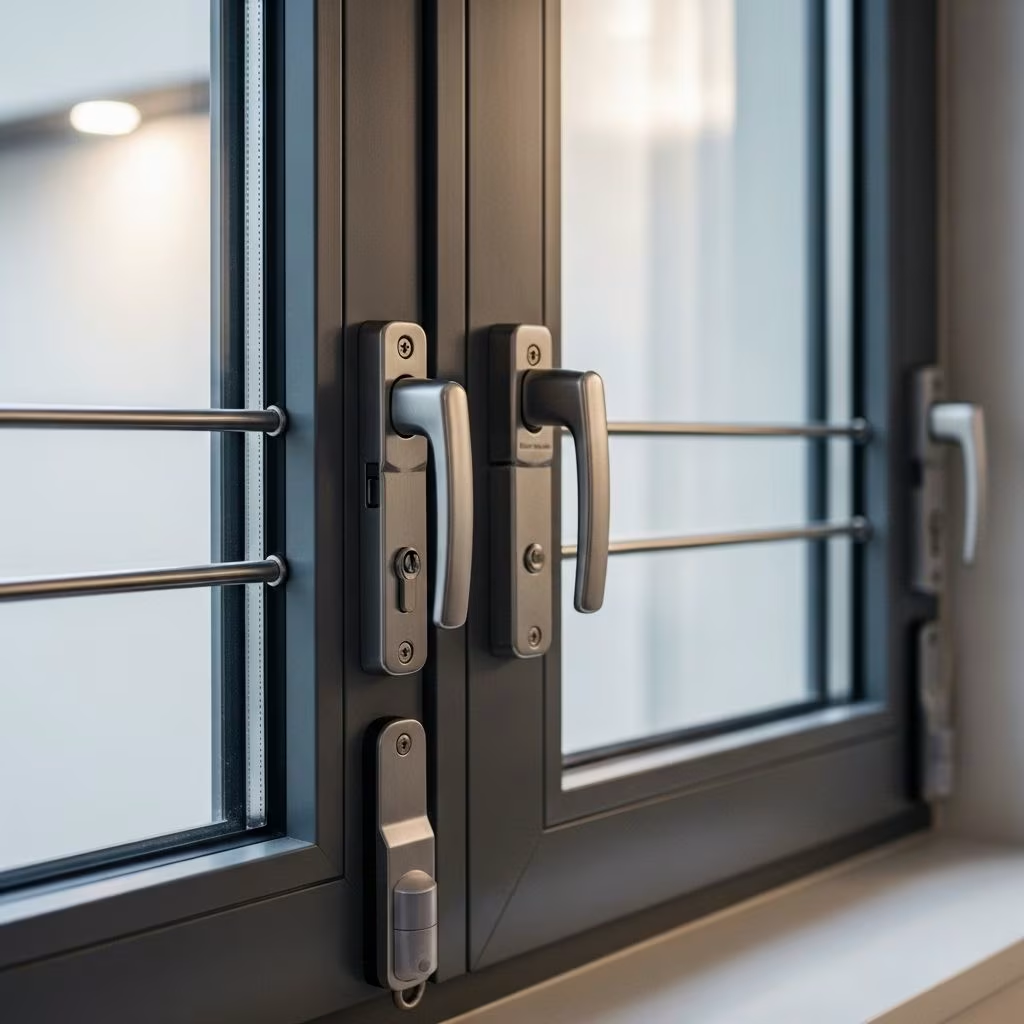
Windows are essential for light, ventilation, and architectural beauty, but they also represent one of the most vulnerable access points in any home. Properly securing windows protects households from potential burglaries, increases overall safety, and brings lasting peace of mind. This extensive guide outlines proactive strategies—from basic improvements to advanced security options—covering every facet of effective window defense.
Why Securing Your Windows Matters
While doors often receive priority in home protection projects, statistics consistently show that windows are a frequent target for intruders. Many burglaries occur due to unlocked or under-secured windows, often those hidden from street view or shielded by landscaping. Beyond crime prevention, secure windows also shield your home against storm damage and potential accidents involving children or pets.
Window Security Basics: Assessing Current Risks
- Visual Inspections: Examine every window, both inside and out, for evidence of wear, warping, or weakness. Focus on frames, locks, seals, and glass integrity.
- Testing Locks: Open and close each window, verifying that locks engage smoothly and securely without effort.
- Seal & Weatherproofing: Use simple tests like the flashlight or candle trick—shine a beam outside at night or note draft movement. Detect any leaks, cracks, or poor seals which may be both a security and energy efficiency risk.
- Accessibility: Note windows that are low to the ground, near potential hiding areas, or concealed by shrubs—these are typically the most targeted.
Best Practices for Improving Window Security
Effective window security blends several methods, layered to create multiple lines of defense. In the following sections, discover recommended methods—from affordable DIY fixes to professional solutions—tailored for homes of every age and design.
1. Install Sturdy Window Locks
Not all window locks are created equal. Standard latches found on many windows offer minimal resistance to pickling, prying, or forceful impact.
- Upgrade to keyed locks: These require a key for opening, providing an extra barrier.
- Sash locks: Help secure double-hung windows by tightly joining sashes.
- Pins and bolts: Metal pin locks or sliding bolts can be added to prevent forced opening.
- Casement safeguards: Replace or reinforce crank handles on casement windows with lockable versions.
Tip: Ensure all family members know where keys are stored for emergency exit purposes.
2. Reinforce Glass with Window Security Films
Glass is inherently breakable, but modern security window films create a powerful deterrent. These multi-layer polyester (PET) films bond to the interior of the glass, holding shards together if the window is shattered.
- Reduces smash-and-grab risk: Intruders are often discouraged when glass fails to give way quickly.
- UV protection: Many films block damaging UV rays, preserving furniture and reducing glare.
- Variety: Transparent or tinted options are available.
- Easy installation: Most films adhere with simple tools and can be cut to size.
Window film is also useful for retrofitting older windows where full replacement isn’t practical.
3. Add Window Bars, Grilles, or Security Screens
Security bars and grilles offer a physical barrier that is highly effective, especially in ground-level or basement windows. Modern options balance toughness with aesthetics, coming in decorative or unobtrusive designs:
- Fixed Bars: Permanently attached for maximum strength; best for windows infrequently used as emergency exits.
- Swing-Away Bars: Hinged for quick release, allowing emergency escapes or convenient cleaning.
- Removable Bars: Suitable for apartments or rentals, easily taken down when not needed.
- Security Screens: Engineered mesh offers window protection while maintaining airflow and visibility.
Safety tip: Always leave at least one window per room accessible for emergency egress, or use quick-release hardware as required by local building codes.
4. Upgrade to Impact-Resistant or Laminated Glass
For maximum defense, consider replacing vulnerable window panes with impact-resistant or laminated glass. These designs comprise multiple panes bonded with plastic interlayers, making them extremely difficult to break or penetrate.
- Laminated glass: Glass layers sandwich a durable, clear polymer, keeping shards intact even if broken.
- Tempered glass: Stronger than standard glass, designed to shatter into blunt pieces—less secure than laminated but much safer than ordinary glass.
5. Install Window Alarms and Sensors
Modern security systems now offer a range of window sensors and alarms designed for quick installation and discreet use:
- Contact sensors: Alert you and trigger alarms if a window is opened unexpectedly.
- Glass-break sensors: Detect the sound or vibration of breaking glass, activating alarms instantly.
- Motion sensors: Can be placed near windows to monitor unauthorized movement within a room or around the perimeter.
Many systems integrate with smart home technology, instantly notifying homeowners via smartphones if an alert is triggered.
6. Enhance Exterior Lighting & Visibility
Visibility is a powerful deterrent—intruders prefer the cover of darkness and concealment:
- Motion-activated floodlights: Sudden bright light can startle and expose activity near windows.
- Landscape lighting: Illuminates blind spots and discourages loitering.
- Trimmed landscaping: Keep shrubs and plants well-groomed; avoid large bushes near windows, which can otherwise provide hiding spots.
7. Additional Window Security Tips
- Install window stops or limiters: Prevents windows from opening more than a few inches—enough for ventilation, but too narrow for entry.
- Curtains and Blinds: Closing window treatments at night or when away conceals valuables and prevents easy inspection by would-be thieves.
- Use dowel rods or security braces: Placing a wooden dowel or metal bar in the track of sliding windows substantially improves resistance.
- Rekey after moving: If you move in or experience a break-in, consider rekeying all accessible locks, including those on windows.
Window Security Methods by Window Type
| Window Style | Common Vulnerabilities | Recommended Security Upgrades |
|---|---|---|
| Double-Hung | Weak latches, easy to pry. | Window pins, sash locks, security stops. |
| Sliding | Lift-out feature, insecure latches. | Track locks, dowel rods, auxiliary locks. |
| Casement | Crank handles, weak hinges. | Lockable handles, reinforced hinges. |
| Basement / Egress | Isolation, ground-level access. | Burglar bars or security grilles, alarms. |
Choosing the Right Window Security Products
When selecting security upgrades, consider:
- Budget: Many options exist at every price point. Films, dowels, and lighting are affordable starters; full window replacements, bars, and integrated alarm systems require greater investment.
- Aesthetic preferences: Decorative bars, screens, and films offer protection without diminishing your home’s curb appeal.
- Building codes: Always confirm that any security addition maintains safe emergency exits; this is crucial for bedrooms and sleeping areas.
- DIY vs. Professional: Many minor upgrades can be installed by homeowners, but complex tasks—especially involving glass replacement, bars, or alarm integrations—may require professional expertise.
Maintenance and Regular Inspections
- Monthly Tests: Operate all window locks and alarms routinely to ensure proper function.
- Visual checks after storms: Inspect for cracking, rattling, or displacement of bars, film, seals, and sensors.
- Annual reviews: Assess the status of all window security measures at least once a year, or after any event that could compromise integrity.
Frequently Asked Questions (FAQ)
Q: What are the most affordable ways to secure windows?
A: Using dowel rods, upgrading locks, applying security film, and adjusting landscaping are budget-friendly measures with immediate impact.
Q: Are security bars safe in case of emergency?
A: Modern security bars often feature internal quick-release mechanisms for fast escape during emergencies. Always leave at least one accessible, non-barred window per room.
Q: Can window films make glass unbreakable?
A: Window films hold glass shards together on impact but do not prevent breakage entirely. They deter quick entry but should be part of a layered approach.
Q: Should window alarms be connected to a monitored home security system?
A: Connecting window alarms to a 24/7 monitored system provides the fastest emergency response, but standalone alarms still offer valuable deterrence and notification.
Q: How often should I check my window security features?
A: Inspect window locks, alarms, and physical barriers at least once per month. After storms or attempted break-ins, perform additional spot checks immediately.
Conclusion
Home security starts with strong, well-protected windows. By understanding vulnerabilities, selecting the right improvements, and maintaining regular inspections, every homeowner can enjoy greater safety at home—whether in bustling cities or quiet neighborhoods. Prioritize window security as part of your broader safety plan for long-term peace of mind and reliability.
References
- https://www.adt.com/resources/burglar-proof-windows
- https://www.ny-engineers.com/blog/6-different-methods-for-securing-windows-in-a-home-or-office-building
- https://www.climatepro.com/blog/how-to-secure-your-residential-windows/
- https://www.angi.com/articles/7-tips-increase-window-security.htm
- https://wmgb.com/blog/fortifying-your-home-with-secure-windows-and-doors/
- https://www.homedepot.com/c/ab/how-to-secure-your-windows/9ba683603be9fa5395fab9011b943fab