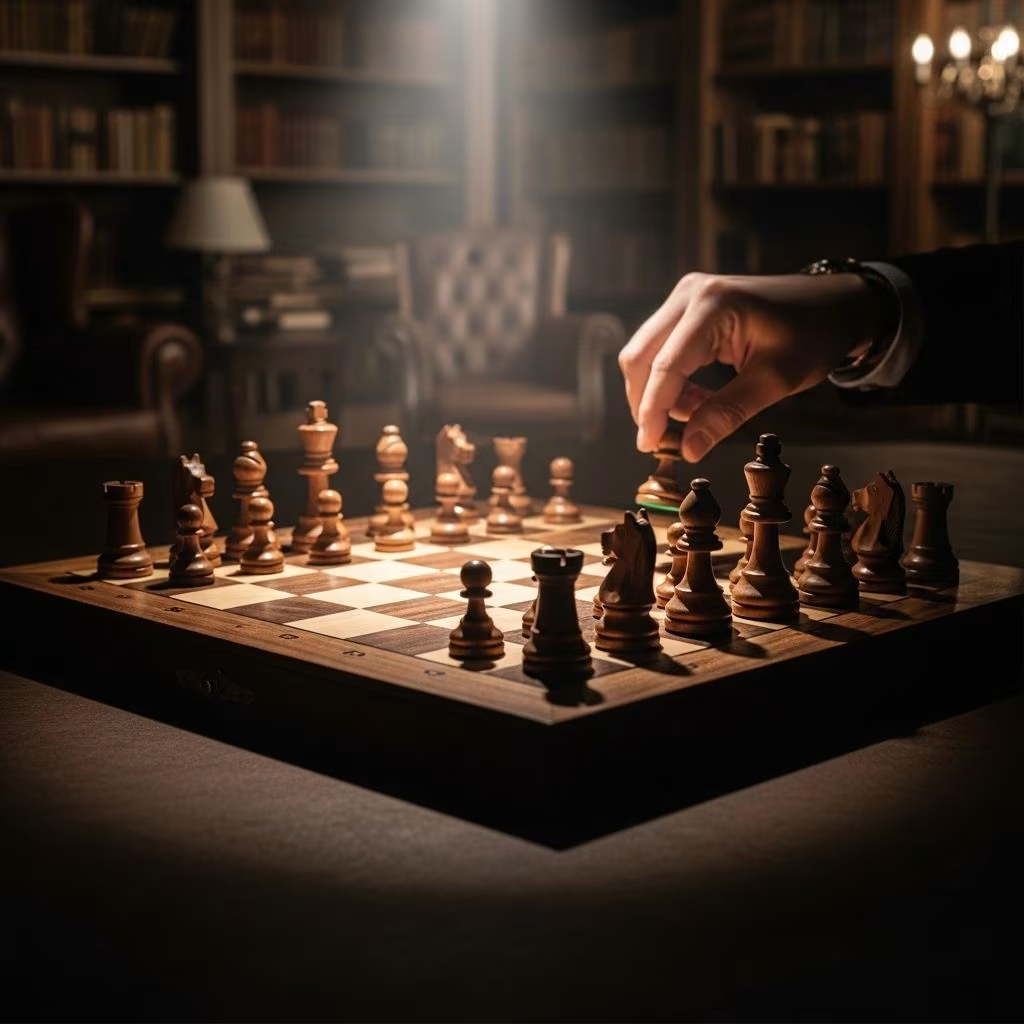
Learn How to Play Chess Like a Grandmaster
Imagine unlocking the secrets of chess directly from the minds of world-renowned grandmasters. Whether you’re a novice learning how pieces move or an advanced player eager to refine your tactics, studying under the guidance of these chess titans can revolutionize your game. This article delves into the transformative value of learning chess from multiple grandmasters, the skills and insights they offer, and how you can apply their wisdom for rapid improvement on and off the board.
Why Learn Chess from Grandmasters?
Grandmasters (GMs) represent the pinnacle of chess mastery, recognized for their strategic depth, mastery of tactics, and years—often decades—of competitive experience. Training with grandmasters provides:
- Insider Strategy: GMs reveal thought processes behind positional decisions, opening preparation, and endgame maneuvering.
- Battle-Tested Tactics: Learn attacking patterns and defensive resources honed through high-stakes tournaments.
- Puzzle-Solving Technique: Discover how elite players solve complex positions under time pressure.
- Proven Training Methods: Access exclusive drills and study plans refined over thousands of hours.
Direct instruction from multiple grandmasters exposes students to diverse playing styles and methods, accelerating skill development and deepening chess understanding.
The Grandmaster Path: What It Takes
Becoming a chess grandmaster is among the most challenging accomplishments in the world of games and strategy. Earning this prestigious title requires not only exceptional talent but an unwavering commitment to improvement and excellence.
- Extraordinary Proficiency: GMs must routinely outplay strong competitors, demonstrating depth in theory and execution.
- Rigorous Study: Years of focused practice, analysis of classic games, and practical tournament play underpin every grandmaster’s success.
- Psychological Resilience: Grandmasters thrive under pressure, maintaining composure and adapting quickly in unpredictable scenarios.
- Cultural and Global Challenge: Attaining the title requires international competition, adaptability, and stamina against worldwide talent.
Technical Requirements for the Grandmaster Title
| Requirement | Description |
|---|---|
| FIDE Rating | Achieve a Elo rating over 2500 in FIDE-sanctioned play. |
| GM Norms | Obtain 3 tournament results (“norms”) meeting strict conditions—strong opponents, international field, high performance rating. |
| International Play | Compete against players from other federations, facing diverse global talent. |
| Consistent Excellence | Regularly defeat master- and grandmaster-level opponents across multiple tournaments. |
Fun Fact: The youngest grandmaster ever, as of 2024, achieved the title at just 12 years old.
Benefits of Learning from Multiple Grandmasters
While following a single coach can provide structure, exposure to multiple grandmasters is uniquely beneficial. Here’s why:
- Varied Perspective: Every GM brings a distinctive interpretation of openings, middlegame plans, and endgame concepts.
- Diverse Tactical Training: Drilling puzzles and exercises designed by different grandmasters fosters robust visualization skills and creativity.
- Adaptability: Learning how top players adjust to various opponents builds flexibility and psychological readiness.
- Expanded Repertoire: Incorporate a wider range of strategies and ideas into your own play.
Common Topics Covered by Grandmaster Instruction:
- Opening principles and building a practical repertoire
- Understanding pawn structure and piece activity
- Recognizing tactical motifs and calculating variations
- Planning in complex positions
- Endgame techniques and principles
- Psychological resilience under tournament pressure
What You Learn: Core Chess Fundamentals from Grandmasters
Effective grandmaster-guided training programs typically introduce students to these crucial chess fundamentals:
1. Opening Systems and Preparation
- Build solid opening repertoires tailored to different opponents and time controls.
- Understand typical plans, traps, and transitions to the middlegame.
- Study illustrative model games to internalize critical concepts.
2. Tactics and Combinational Vision
- Practice identifying patterns such as forks, pins, skewers, and discovered attacks.
- Enhance calculation speed and spot tactical resources under pressure.
- Engage in puzzle drills targeting different tactical themes.
3. Middlegame Strategy
- Learn how to formulate plans based on the position’s unique features.
- Master concepts like weak squares, open files, and minority attacks.
- Train in transitioning from advantages in piece activity to concrete results.
4. Endgame Fundamentals
- Study key endgames: king and pawn, rook vs. rook, and minor-piece positions.
- Recognize theoretical draws and win techniques for practical endings.
- Employ grandmaster checkmate patterns and defensive setups.
5. Practical Play and Decision-Making
- Develop time management skills for blitz, rapid, and classical play.
- Balance risk-taking with positional solidity.
- Analyze your own games, identifying both strengths and recurring mistakes.
How Grandmaster Instruction Translates to Lasting Improvement
The greatest advantage of learning from grandmasters is the systematic training that leads to measurable improvement:
- Structured Curriculum: GM-led courses break down topics step-by-step for gradual skill development.
- Personalized Feedback: Group or individual assessments help target weaknesses and accelerate learning.
- Exclusive Insights: Access to opening “secrets,” middlegame plans, and endgame shortcuts rarely found in standard chess books.
Many grandmaster-led programs integrate interactive exercises, real-time commentary, and positional quizzes to reinforce critical concepts.
Who Should Learn from Grandmasters?
Grandmaster instruction is not limited to aspiring professionals. It is invaluable for:
- Ambitious Beginners: Secure a solid foundation and avoid entrenched bad habits from the outset.
- Intermediate Players: Push through plateaus by refining tactics and gaining strategic perspective.
- Tournament Competitors: Elevate results by learning advanced preparation and psychological skills.
- Lifelong Learners: Anyone passionate about intellectual challenge, memory, and analytical growth.
Popular Ways to Study Under Grandmasters
Today’s chess learners have unprecedented access to grandmaster training:
- Streaming Platforms: Interactive lessons, game breakdowns, and Q&A sessions with grandmasters on platforms like Twitch and YouTube.
- Online Courses: Structured, on-demand programs featuring video lessons, exercises, and downloadable materials.
- Live Workshops: Intensive group classes, camps, or webinars.
- Private Coaching: One-on-one lessons tailored to individual goals and playing style.
How Much Effort Does It Take to Become a Chess Grandmaster?
Becoming a grandmaster demands immense dedication and strategic training. While a small number of prodigies have earned the title in their teens, for most players it is a journey of many years. Consider:
- Thousands of Hours: Consistent, long-term investment in both independent and guided study.
- International Competition: Success requires travel, expense, and facing top players from around the globe.
- Emotional and Mental Endurance: Handling setbacks, managing pressure, and continually adapting analysis and play.
It is often said that it is far more difficult to achieve grandmaster status in chess than in other fields requiring memory or calculation, due to the competitive depth and evolving nature of the game.
Frequently Asked Questions (FAQs)
Q: What makes grandmaster-level chess instruction unique?
A: Grandmasters blend years of high-level experience with the ability to break down complex concepts into practical advice. Their teaching draws on real tournament experience, offering insights unavailable from books or basic tutorials.
Q: Can adults realistically become grandmasters?
A: While it is exceptionally rare, a few adults have reached grandmaster status, typically after years of intense study and competitive play. For most, significant improvement—and even master titles—is achievable, but grandmaster remains an elite goal.
Q: What are ‘GM norms’?
A: GM norms are high-level tournament performances prescribed by FIDE. To earn a grandmaster title, a player usually needs three such norms, each achieved in an event featuring strong opponents and international competition.
Q: How important is innate talent versus hard work?
A: There is significant debate, but consensus suggests that while talent helps, deliberate practice, targeted study, and competition are critical. Most grandmasters are identified young and train rigorously, but consistent effort and expert guidance bridge the talent gap for many.
Q: Where can I start learning chess from grandmasters?
A: Look for highly rated online platforms, structured online courses, live events, and official chess schools. Many grandmasters also offer group or individual coaching, accessible to players worldwide.
Key Takeaways: Elevate Your Chess Game Under Grandmaster Guidance
- Direct grandmaster guidance accelerates learning by combining expert instruction with problem-solving and feedback.
- Exposure to multiple GMs fosters adaptability, deeper understanding, and versatile playing styles.
- Mastering chess is a lifelong pursuit, rewarding dedication, analysis, and continuous study.
Ready to embark on your own journey? The strategic wisdom and competitive secrets of grandmasters are now more accessible than ever, whether through digital courses, personalized coaching, or streamed events. Pursue structured, disciplined training—and you’ll soon discover the genius within your game.
References
- https://forum.artofmemory.com/t/how-to-become-a-grandmaster-in-chess/65468
- https://www.youtube.com/watch?v=aPg7H-Hqodg&vl=en
- https://jonathanrowson.substack.com/p/what-chess-taught-me-about-the-differences
- https://www.houseofstaunton.com/chess-blog/chess-grandmaster-what-it-takes/
- https://www.chess.com/news/view/being-a-chess-professional-in-europe-sucks-blohberger