Upgrade Your Kitchen: Why Modern Electric Slow Cookers are a Game-Changer
If you love the aroma of a hot, home-cooked meal and the feeling of returning to a ready-to-eat feast after a long day, a modern electric slow cooker is an essential kitchen appliance. From streamlining meal prep to ensuring tender, flavorful results with minimal effort, today’s slow cookers offer advanced features and unbeatable convenience. Explore how the latest designs can make your cooking life easier, tastier, and more budget-friendly.
What is an Electric Slow Cooker?
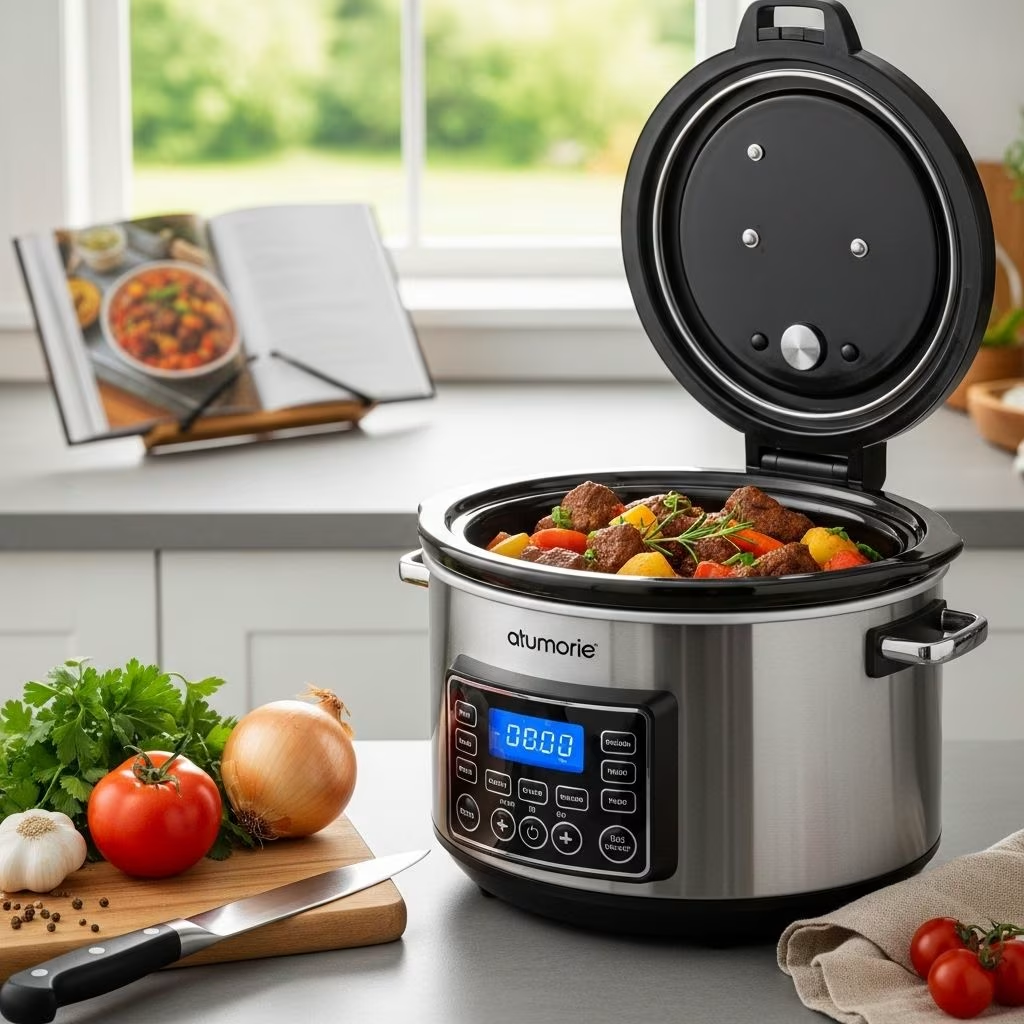
An electric slow cooker is a countertop appliance that uses gentle, steady heat over several hours to cook food evenly. Simply load it with ingredients, set the cook time, and let the magic happen—no stovetop monitoring required. It’s perfect for soups, stews, roasts, casseroles, and even desserts, all with hands-free simplicity.
Key features include:
- A lidded stoneware or ceramic insert that maintains even temperature
- Heating elements that surround the base for steady, controlled cooking
- Settings such as Low, Medium, High, and sometimes programmable digital timers
- Keep-warm functions to prevent overcooking
This set-it-and-forget-it appliance is beloved for saving time, maximizing flavors, and making home-cooked meals practical for any schedule.
Why Switch to an Electric Slow Cooker?
- Effortless Meal Prep: Assemble ingredients in minutes and let the cooker do the work.
- Saves on Utility Bills: Uses less energy than stovetops or ovens.
- Perfect for Busy Lifestyles: Meals are ready after long days with minimal planning.
- Enhances Flavors: Slow simmering brings out the depth and tenderness in meats and vegetables.
- Versatility: Prepare everything from hearty chilis and tender roasts to poached fruits and cakes.
- Healthier Eating: Less need for oils or fats; gentle cooking preserves nutrients.
How Electric Slow Cookers Work: A Beginner’s Overview
Electric slow cookers cook food at low temperatures (typical ranges: 170–280°F/76–138°C) over 4–10 hours. A removable stoneware insert holds your ingredients. Heat radiates from the base and sides, and the tightly sealed lid traps moisture, circulating flavors and keeping dishes from drying out.
For busy home cooks, this means:
- No constant stirring
- Lower risk of burning or scorching
- Meals stay hot until you’re ready to serve
Must-Have Features in Today’s Modern Slow Cookers
- Programmable Digital T imers: Set precise cook times and let the unit automatically switch to ‘keep warm’ mode when done.
- Multiple Cooking Functions: Many models offer slow cook, sauté/sear, steam, rice, and even bake settings.
- Easy-to-Clean Inserts: Removable, dishwasher-safe ceramic, stoneware, or nonstick pots simplify cleanup.
- Dual-Pot or Multi-Meal Cooking: Some advanced designs let you cook two meals with independent temperature and timing controls.
- Oven-Safe Inserts: Transfer directly from slow cooker to oven for browning or crispy finishes.
- Large Capacity Options: Feed four or more with family-sized pots; some models come with extra large inserts for gatherings.
- Intuitive Controls: Simple manual settings or advanced touch control panels cater to all preferences.
- Safety Features: Auto shut-off and cool-touch handles for worry-free operation.
Comparing Manual vs. Digital Slow Cookers
| Feature | Manual Slow Cooker | Digital Slow Cooker |
|---|---|---|
| Settings | Basic (Low/High/Warm) | Customizable (Time, Temp, Delay Start) |
| Operation | Simple dial | Programmable interface |
| Price | Generally more affordable | Slightly higher, more features |
| Flexibility | Limited | High (multi-cook functions, timers) |
| Ideal User | Minimalist cook, easy meals | Meal planners, multitaskers |
How to Choose the Right Electric Slow Cooker
Selecting the best slow cooker for your kitchen depends on your cooking habits, space, and desired features. Here are critical points to consider:
- Capacity: 2–3 quart for couples, 4–6 quart for families, 8+ quart for parties or batch cooking.
- Type of Cooking: Do you want just slow cook, or do you want additional functions like sauté, steam, or bake?
- Interface: Prefer simple manual dials, or need digital, programmable controls?
- Cleaning: Look for removable, dishwasher-safe inserts and easy-clean exteriors.
- Shape: Round models for soups and stews, oval models for roasts and ribs.
- Extra Features: Such as locking lids (great for travel), timer/delay start, or multipot capability for cooking two dishes at once.
Expert Tips for Getting the Most Out of Your Slow Cooker
- Prep Ahead: Chop ingredients the night before for effortless morning assembly.
- Layer Wisely: Place dense vegetables (like carrots and potatoes) at the bottom for even cooking; meats and delicate veggies on top.
- No Peeking: Resist opening the lid, as this releases heat and adds to cook time.
- Use Less Liquid: Slow cookers retain moisture; reduce broth or water compared to stovetop recipes.
- Finish with Freshness: Stir in fresh herbs, citrus, or a splash of cream at the end for a flavor boost.
- Plan Leftovers: Slow-cooked meals often taste even better the next day. Cook extra for lunch or freezer storage.
Advanced Features in Modern Multicookers
Leading slow cooker models have evolved into multicookers—versatile units that replace several kitchen appliances. Notable options include:
- DualSync Technology: Prepare two separate dishes at different temperatures, finishing together for maximum convenience.
- Sear/Sauté/Brown: Start your dish in the same pot—no extra pans required—building rich flavors before the slow cook begins.
- Rice/Steam Functions: Cook complete meals from grains to proteins and veggies.
- Oven Safe Pots: Removable inserts can be used for stovetop searing then finished in the oven for crispy toppings.
- Extra Accessories: Look for included steam racks, locking lids for transport, and extra-large pots for entertaining.
Combining these features minimizes clutter and maximizes kitchen efficiency.
Are Slow Cookers Safe and Energy-Efficient?
Yes. Modern electric slow cookers are engineered for safety and efficiency. They operate at low wattages (typically 70–250 watts) over several hours, using much less electricity than an oven. Features such as cool-touch exteriors, auto shut-off, and indicator lights ensure safe operation—even unattended. Always follow manufacturer guidelines for care and use.
User Reviews & Real-World Experiences
- “Excellent for meal prep and family dinners—I can make two dishes at once and cleanup is fast!”
- “Easy to use, instructions are clear, and being able to program the timer is a huge bonus.”
- “Especially love the oven-safe insert. After slow-cooking, I can crisp the top without switching pans.”
- “Would like a longer power cord, but performance is impressive for the price.”
- “Perfect for holiday meals. Everyone gets their favorite dish with dual pots.”
Popular Dishes to Try in Your Slow Cooker
- Hearty beef stews and chili
- Pulled pork or shredded chicken
- Vegetable curry or ratatouille
- Macaroni and cheese
- Roasted potatoes and root vegetables
- Sweet treats like rice pudding or bread pudding
Frequently Asked Questions (FAQs)
Q: Can you cook frozen meat in a slow cooker?
A: Experts recommend thawing meat before using a slow cooker. This ensures even cooking and reduces food safety risks.
Q: How long does it take to cook a meal?
A: Most slow cooker recipes are designed for 6–8 hours on Low or 3–4 hours on High. Advanced models may offer programmable timing for greater flexibility.
Q: Are all parts dishwasher safe?
A: Many removable crocks and lids are dishwasher safe. Always refer to the manufacturer’s care instructions for details.
Q: What size slow cooker is right for me?
A: For couples or singles, a 2–3.5 quart model suffices. For families of 4–6, choose a 5–7 quart model. For entertainers or batch cooks, select an 8+ quart unit with multiple inserts for extra versatility.
Q: Is there a difference between a slow cooker and a multicooker?
A: A slow cooker specializes in low-and-slow simmering, while a multicooker offers diverse functions such as steaming, sautéing, rice cooking, and sometimes pressure cooking—all in one appliance.
How to Care for and Maintain Your Electric Slow Cooker
- Let cooker cool before cleaning to avoid cracks in ceramic inserts.
- Use warm, soapy water for stoneware and nonstick pots; wipe down exteriors with a damp cloth.
- Don’t submerge heating bases; store unplugged.
- Check cords for wear regularly, and store wrapped loosely to avoid damage.
Conclusion: Is an Electric Slow Cooker Right for You?
For any home cook seeking convenience, flavor, and flexibility, a modern electric slow cooker or multicooker is a worthy investment. Enjoy hands-off preparation, healthier homemade meals, and greater creativity in your kitchen—without sacrificing taste or time.