Solarium vs. Sunroom: Which Sun-Filled Room Is Right for Your Home?
If you dream of enjoying the outdoors from the comfort of your home, both solariums and sunrooms offer alluring, light-filled spaces. But while these glass-enclosed retreats may seem similar, their construction, ambiance, and functionality differ in important ways. This comprehensive guide explains the core differences, pros and cons, unique uses, and key factors to help you make the right choice for your property and lifestyle.
What Is a Sunroom?
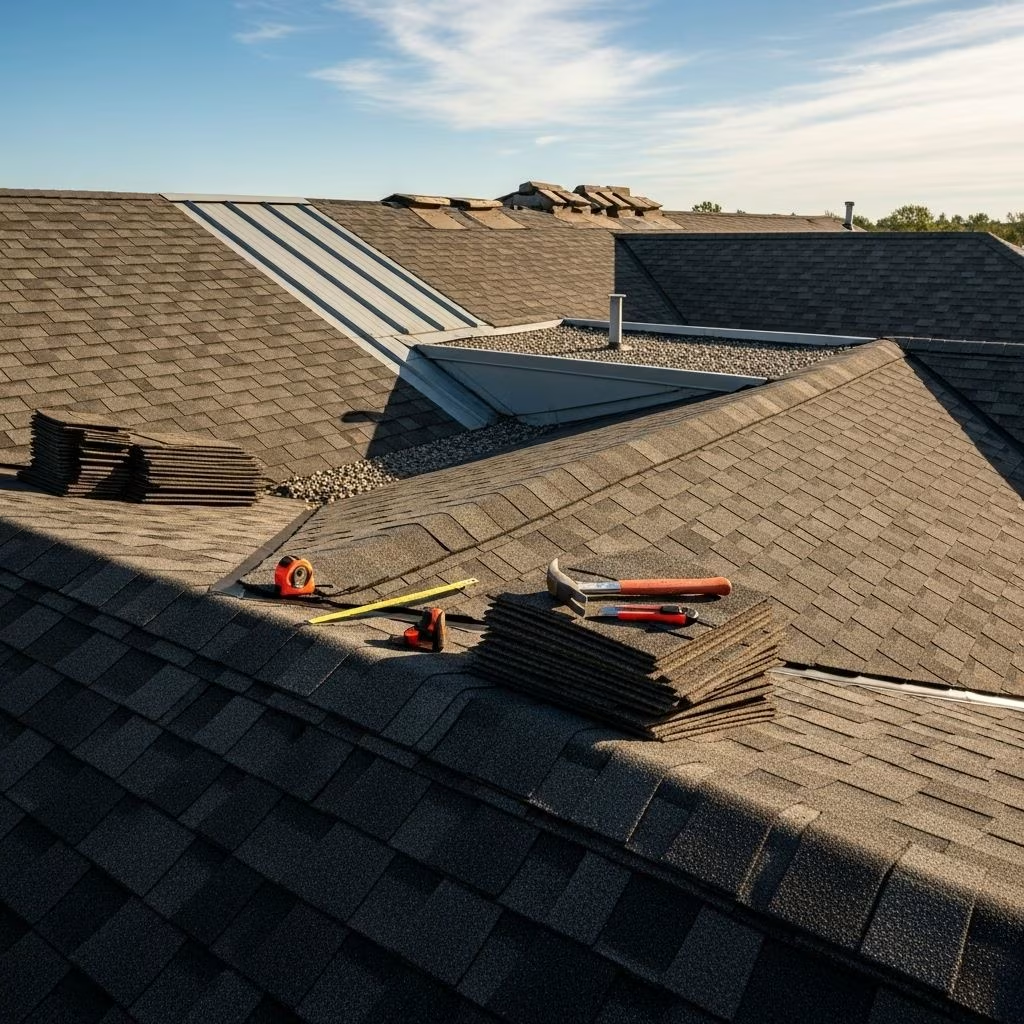
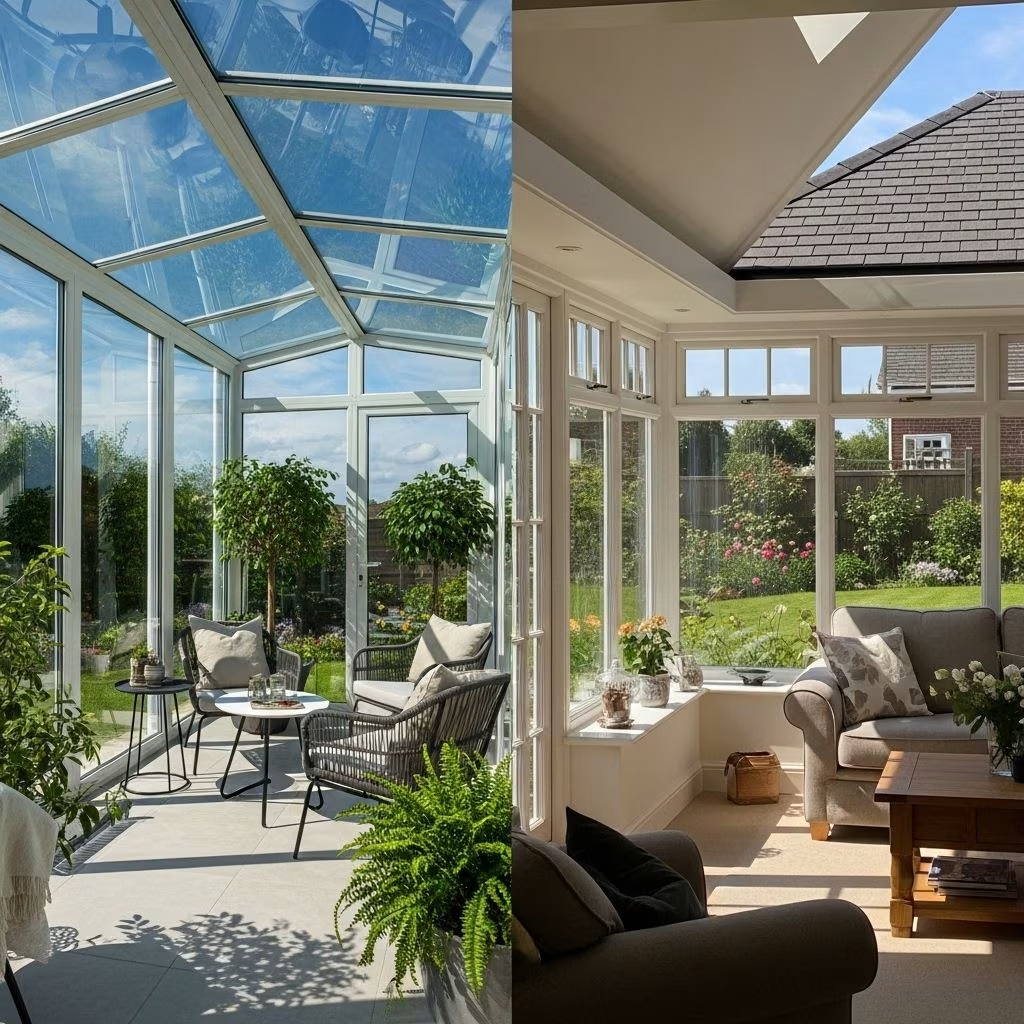
A sunroom is a room designed to let in abundant natural light, featuring large windows and often insulated walls and roofing. Unlike screened-in porches, sunrooms provide protection from the elements with glass panels but typically have solid, insulated roofs rather than all-glass ceilings. Sunrooms are often built on concrete slabs and are attached directly to the house. There are several types, including:
- Three-season rooms: Not typically heated or cooled, best for use in spring, summer, and fall.
- Four-season rooms: Equipped with HVAC, insulated for year-round comfort.
Sunrooms function as a seamless extension of your home, integrating the architectural style of the primary structure by using similar walls and materials.
What Is a Solarium?
A solarium is a glass-enclosed room with floor-to-ceiling glass walls and a glass roof, creating a 360-degree view of the outdoors. The glass is usually held in place by vinyl or aluminum frames for energy efficiency and safety. Solariums are sometimes called conservatories but tend to have a sleek, modern aesthetic, while conservatories are traditional and decorative.
- Can be attached to the main home or built as a freestanding structure.
- Designed for maximum sunlight exposure, unobstructed views, and a feeling of being immersed in the outdoors.
Due to the all-glass construction, solariums generally lack HVAC and may not be insulated, making temperature control a challenge.
Key Differences Between Solariums and Sunrooms
| Feature | Solarium | Sunroom |
|---|---|---|
| Walls & Roof | Entirely glass | Glass walls, insulated (non-glass) roof |
| Natural Light | Maximum sunlight, 360° views | Abundant light, some shaded areas |
| Insulation | Limited; not usually heated/cooled | Better; can connect to HVAC |
| Privacy | Little; highly visible from outside | More; solid walls/roof provide privacy |
| Maintenance | High; glass cleaning inside/out & roof | Moderate; less glass to clean |
| Cost | Generally higher | Varies; often lower than solariums |
| Uses | Maximum light, stargazing, plant growing, tanning | Lounging, dining, office, gym, guest entertaining |
| Aesthetic | Modern, luxury | Versatile; matches home style |
Sunroom: Features, Pros, and Cons
Defining Features
- Large windows for sunlight and outside views
- Solid, insulated roof and sometimes walls
- Usually built on a concrete slab
- Can be heated/cooled for year-round use (in four-season types)
- May connect to home’s electricity and HVAC systems
Advantages
- Year-round comfort: With proper insulation and HVAC, sunrooms are usable in any season.
- Versatile spaces: Function well as dining rooms, home offices, playrooms, or reading nooks.
- Improved privacy: Partial walls and roofing offer a sense of enclosure away from neighbors.
- Easier maintenance: Less glass means reduced cleaning, especially overhead.
- Lower cost: Generally less expensive to build than all-glass solariums.
Drawbacks
- Less sunlight: Can’t rival the brightness and views of a solarium.
- No unobstructed sky view: The solid roof blocks overhead views and some sunlight.
Solarium: Features, Pros, and Cons
Defining Features
- Glass walls and roof for immersive outdoor experience
- Modern, visually striking design
- Structures held by insulated frames (vinyl or aluminum)
- May be freestanding or connected to the house
- Limited or no built-in insulation or HVAC
Advantages
- Maximum sunlight exposure: Perfect for sunbathing, plant cultivation, and light therapy.
- Unobstructed views: See the sky, stars, and landscape from all angles.
- Luxury aesthetic: Upscale feel that can increase home value.
- Ideal for gardeners: Functions as a greenhouse-like environment for plants.
Drawbacks
- Higher cost: Specialized construction and materials increase price.
- Temperature control: Difficult to heat or cool; may be uncomfortable in extreme weather.
- Increased maintenance: Frequent cleaning of glass panels, especially the roof, is required.
- Less privacy: Glass walls allow outsiders easy views in.
- Limited utility access: Hard to run electricity or connect HVAC.
How Can You Use a Sunroom or Solarium?
Best Uses for a Sunroom
- Entertaining Guests: Host gatherings with protection from insects and weather.
- Lounging: Enjoy a light-filled reading or sitting area year-round.
- Multi-purpose Space: Set up a home office, gym, children’s playroom, or craft room.
Best Uses for a Solarium
- Plant Sanctuary: Grow exotic or sun-loving plants all year.
- Sunbathing & Stargazing: Unmatched for daytime sunlight and nighttime sky views.
- Therapeutic Space: Ideal for those seeking sunlight exposure for mood and wellness.
- Luxurious Lounge: Create a striking, modern relaxation spot for reading or yoga.
Additionally, solariums are sometimes used in restaurants or commercial spaces for their dramatic ambiance and abundant light.
Cost Comparison: Sunroom vs. Solarium
Costs vary widely depending on size, materials, and customization, but here’s a general comparison:
| Room Type | Cost Range (USD) |
|---|---|
| Sunroom (three-season/four-season) | $20,800 – $72,000 |
| Solarium | $30,000 – $75,000 |
- Sunrooms are generally less expensive upfront, especially if you opt for a three-season design.
- Solariums involve higher costs for custom glass, specialized frames, and skilled installation.
- Additional long-term maintenance costs should be considered, as solariums require more cleaning and, potentially, window repairs.
Maintenance and Energy Efficiency
Sunroom Maintenance
- Fewer glass surfaces reduce cleaning needs.
- HVAC integration means routine filter and system maintenance.
- Standard roofing needs occasional inspection/re-sealing.
Solarium Maintenance
- Regular cleaning of all glass surfaces, including challenging roof panels.
- Frame inspections for leaks and thermal issues.
- Potential glass replacements if panels are damaged.
Energy Efficiency
- Sunrooms: Better potential for energy efficiency due to insulation, limited glass use, and easier HVAC integration. May sometimes increase utility bills if not properly insulated.
- Solariums: Generally less energy efficient. The sheer amount of glass leads to higher heat gain/loss, making temperature management difficult without significant expense.
Factors to Consider When Choosing Between a Sunroom and a Solarium
- Intended Use: Do you want a flexible, year-round gathering space (sunroom), or maximum sunlight and panoramic views (solarium)?
- Privacy Needs: Are you comfortable with neighbors seeing in, or do you need more seclusion?
- Climate: Is your region very hot, cold, or variable? Four-season sunrooms are better for comfort in extreme conditions.
- Budget: Is upfront or ongoing maintenance cost your main concern?
- Home Architecture: Do you want a room that blends with your home, or something distinctive and modern?
Frequently Asked Questions (FAQs)
Q: Can you use a solarium all year round?
A: Solariums usually lack insulation and HVAC, so they may be uncomfortable during periods of extreme heat or cold. Some homeowners use portable heaters or fans, but temperature swings are typical.
Q: Do sunrooms add value to your home?
A: A well-designed, four-season sunroom can increase usable living space and often boosts home value, especially if it matches the main home’s architecture and is functional year-round.
Q: Which is easier to maintain: a sunroom or a solarium?
A: Sunrooms are easier to maintain because they have less glass to clean. Solariums require regular cleaning of all walls and overhead glass panels for clarity and appearance.
Q: Can you grow plants in a sunroom or solarium?
A: While both can host plants, solariums (with their all-glass construction) provide superior light conditions for sun-loving plants and can also function like a greenhouse.
Q: Is a solarium or sunroom more energy efficient?
A: Sunrooms are generally more energy efficient, especially when insulated and connected to the home’s HVAC system. Solariums lose or gain heat quickly due to their extensive glass surfaces.
Should You Build a Sunroom or Solarium?
There’s no one-size-fits-all answer—your choice depends on your budget, intended use, climatic needs, and personal taste. If you crave sunlight, panoramas, or a space for plants, a solarium offers an experience like no other. If you want a comfortable, private, and versatile area usable in all seasons, a sunroom is the better investment for most homeowners. Weigh your priorities and consult with a reputable contractor to explore construction options and costs for your home.
References
- https://garretyhomepros.com/about/blog/sunroom-vs-solarium/
- https://www.angi.com/articles/solarium-vs-sunroom.htm
- https://www.redfin.com/blog/what-is-a-solarium-vs-sunroom/
- https://titansunrooms.com/sunroom-vs-solarium-understanding-the-difference/
- https://sunroomsbybrady.com/sunroom-semantics-differences-between-a-sunroom-solarium-orangery-conservatory/
- https://www.betterbuilders.com/blog/sunroom-solarium-or-greenhouse-which-one-is-right-for-you
- https://crystalstructuresglazing.com/sunroom-solarium-whats-the-difference/
- https://pacificpatio.com/what-is-the-difference-between-a-sunroom-and-a-solarium/