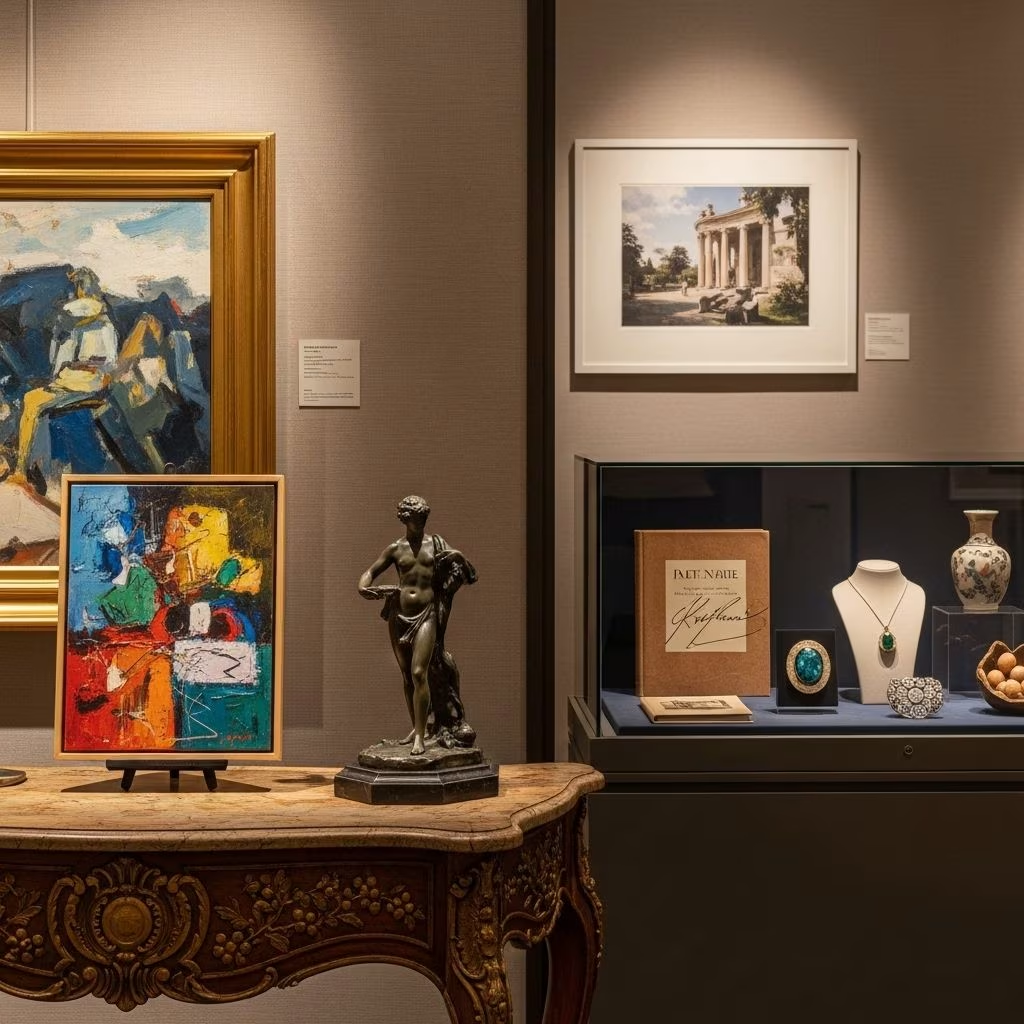
Where to Find High-End Art for Gifting: A Collector’s Guide
Choosing to gift art is a statement of taste, cultural appreciation, and genuine thoughtfulness. High-end art gifts leave lasting impressions—whether as a dazzling highlight in a home or an enduring legacy piece. This guide explores top sources for fine art, practical tips for first-time art buyers, and essential considerations to help you discover the perfect, memorable gift.
Why High-End Art Makes the Perfect Gift
Giving art goes beyond material value; it conveys a deep understanding of the recipient’s personality and adds enduring elegance to any environment. When chosen thoughtfully, art can:
- Transform living and workspaces with sophistication and color.
- Reflect personal style and values through meaningful visuals.
- Appreciate in value, becoming a cherished investment.
- Create emotional impact by capturing memories, dreams, or important life moments.
Top Places to Find High-End Art Gifts
Finding remarkable art does not need to be intimidating. Today, both digital and in-person experiences make acquiring art accessible and enjoyable. Consider these destinations for high-quality works:
1. Premium Online Art Galleries
- Saatchi Art: Leading online platform featuring a global roster of emerging and established artists. Offers original paintings, photography, sculptures, and limited-edition prints. Filter by budget, style, and even room view tools.
- Artsy: Collaborates with galleries and art fairs worldwide. A powerhouse for contemporary and high-end pieces, including exclusive artist releases and works by blue-chip artists.
- 1stDibs: Renowned for curated, expertly-vetted collections covering fine art, antiques, and distinctive decor. Ideal for one-of-a-kind statement pieces.
- UGallery: Hand-picked selection focused on affordability and transparency. Each artwork is reviewed for quality and authenticity.
2. Local Art Galleries and Fairs
- Boutique Galleries: Visiting local galleries allows you to engage with curators, view pieces firsthand, and even meet artists. Many galleries will help with selection, framing, and provenance documentation.
- Art Fairs and Pop-Ups: Regional art fairs, university events, and pop-up exhibitions provide access to new talent and unique works, including commissions. Buying at these events supports local art communities directly.
- Artist Studios: Touring open studios gives a personal connection to the creative process and may lead to discovering pieces unavailable anywhere else.
3. Auction Houses and Private Dealers
- Christie’s and Sotheby’s: Prestigious auction houses are engines for acquiring museum-worthy pieces—from contemporary masters to Old World art. Both offer online sales, private sales, and in-person bidding experiences.
- Boutique Auction Platforms: Online services like Paddle8, Heritage Auctions, or regional auction houses sometimes offer more accessible price points and unique finds outside the mainstream art circuit.
- Private Dealers: For rare or investment-grade works, experienced dealers can source on your behalf, provide authentication, and manage negotiations discreetly.
4. Specialized Art Consultants
- Art Advisors: Professionals who evaluate your needs, budget, and preferences to recommend artists, arrange viewings, and manage logistics. Especially helpful when time, taste, or knowledge is limited.
5. Museum Stores and Limited Edition Collaborations
- Museum Gift Shops: Institutions such as MoMA, The Met, or LACMA often release limited-edition prints, sculpture replicas, and collaborations with contemporary artists.
- Design Collaborations: Brands like Taschen or Artspace regularly offer series and collectible editions endorsed by prominent artists and estates.
Tips for Choosing the Perfect High-End Art Gift
The experience of selecting art for someone else should be joyful and personal, yet a bit of preparation can ensure your gift is truly appreciated. Follow these essential guidelines:
- Understand the Recipient’s Tastes: Consider their favorite colors, styles (abstract, figurative, minimalism), and design aesthetic. Social media feeds, home tours, or previous conversations often offer clues.
- Account for Space: Think about where the artwork will be displayed—over a mantle, in a study, or entryway. Measure wall space if possible and determine if the recipient prefers large statement works or a collection of smaller pieces.
- Explore Mediums: Paintings, photography, sculpture, and mixed media each evoke different moods. Prints and multiples can be more affordable, while originals offer uniqueness.
- Set a Realistic Budget: High-end art does not always mean unattainable. Set both minimum and maximum price points. Factor in framing, shipping, and potential installation costs.
- Prioritize Authenticity: Request certificates of authenticity for all original works. Reliable platforms and galleries should provide full provenance documentation.
- Consider Emotional Resonance: Is there a special place, topic, or story that reflects the gift recipient’s journey? Commemorative gifts that connect with memories or aspirations carry extra significance.
- Don’t Neglect Presentation: The impact is heightened with thoughtful packaging—quality frames, custom wrapping, and a personal note about the chosen artwork.
Understanding Art Value and Authenticity
High-end art should be both beautiful and legitimate. This is key to ensuring your gift is both lasting and meaningful.
- Artist Reputation: Research the artist’s background, career trajectory, and gallery representation. Positive press, awards, and inclusion in museum collections all add prestige.
- Edition Size: For prints or photographs, limited editions (with numbers and artist signatures) are more collectible than open editions.
- Condition and Documentation: Confirm the artwork’s condition, especially for pre-owned works. Request or verify certificates, appraisals, and purchase receipts.
- Platform/Dealer Reliability: Whether buying online or in-person, ensure the seller is established and has strong customer service and return policies.
Expert Tips: Making Art Acquisition Joyful and Stress-Free
- Lead with Passion: Buy art you love—if it speaks to you, it will likely speak to others, too.
- Ask Questions: Don’t hesitate to inquire about the artist’s inspiration, materials, care instructions, and future exhibits.
- Negotiate Respectfully: In galleries or auctions, there may be room for price negotiation—especially for bulk purchases or emerging artists.
- Start Small: If uncertain, begin with works on paper, photography, or artist prints to build confidence in your eye and taste.
- Invest Long-Term: High-end doesn’t mandate instant return on investment. Focus on personal and aesthetic value first.
Table: Art Sourcing Comparison
| Source | Pros | Cons |
|---|---|---|
| Online galleries | Convenience, global selection, buyer protections, diverse budgets | Cannot view in person, possible color/scale variations |
| Local galleries/fairs | In-person viewing, expert advice, artist interactions, local support | Limited to regional selection, possible price premiums |
| Auction houses | Prestige, rare finds, expert authentication, investment-grade | High prices, competitive bidding, buyer premiums |
| Private dealers/advisors | Bespoke service, confidentiality, access to non-listed works | Usually higher cost, relationship building required |
| Museum stores/collaborations | Institutional credibility, affordable editions, gifting appeal | Limited to editions/prints, not always unique |
FAQs: Collecting and Gifting High-End Art
Is it safe to buy high-end art online?
Yes, reputable platforms use secure payment processes and offer comprehensive buyer protections. Confirm authenticity guarantees and review seller ratings or testimonials. For high-value purchases, request direct virtual consultations or video previews when possible.
What should I look for in art documentation?
A certificate of authenticity, provenance history (previous ownership and exhibition record), signed artist statements, and purchase receipts are all important. These documents support both financial and sentimental value.
How do I select art if I don’t know the recipient’s tastes?
Choose versatile, timeless pieces (e.g., monochrome photography, abstract works in neutral palettes) or consult an art advisor for suggestions tailored to the recipient’s background, space, or interests.
Can art appreciate in value?
Yes, especially if the artist emerges into greater prominence or the work is acquired from a reputable gallery/auction with proper documentation. However, focus first on personal resonance rather than speculation.
What about framing and installation?
Many platforms and galleries offer framing services. It’s advisable to opt for museum-grade materials and UV glass for preservation. Professional installation may be recommended for large or heavy pieces to ensure safety and visual impact.
Insider Secrets: Enhancing Your Art Gift
- Commission Local Artwork: Work directly with local artists to create a bespoke piece, reflecting a shared memory or the recipient’s journey. This adds thoughtful exclusivity.
- Consider Collaborative Art: Several platforms offer art made through artist-customer partnerships (e.g., custom portraits, abstract interpretations of events).
- Look Beyond Paintings: Sculptures, artisan ceramics, textile art, and limited-edition photographs expand the options and match any décor preference.
- Leverage Virtual Art Fairs: Online fairs and expos provide broad access to rising artists whose works may become tomorrow’s treasures.
- Gift Certificates: Let recipients choose with an elegantly packaged voucher from a respected gallery or platform.
Final Thoughts: Making Every Art Gift Unforgettable
The act of gifting high-end art demonstrates a profound attention to detail, personality, and legacy. By sourcing from respected outlets, engaging with artists, and prioritizing personal resonance and authenticity, you ensure your present will be treasured for years to come. Let your next art-inspired gift tell a story worth remembering.
References
- https://sparksgallery.com/learn/buying-art-for-beginners
- https://louiselutonart.com/blog/blog-post-top10-tips-to-buy-art
- https://maddoxgallery.com/news/376-how-to-invest-in-art/
- https://www.theartdistricts.org/news/a-beginners-guide-to-collecting-art-how-to-buy-art-with-confidence-respect-and-purpose
- https://www.jeffhayes.com/guide-to-collecting-art/
- https://www.artalistic.com/en/blog/Buying-fine-art-beginners-guide-to-collecting-art/
- https://www.lilyokamoto.com/blog/10-tips-for-first-time-art-buyers