


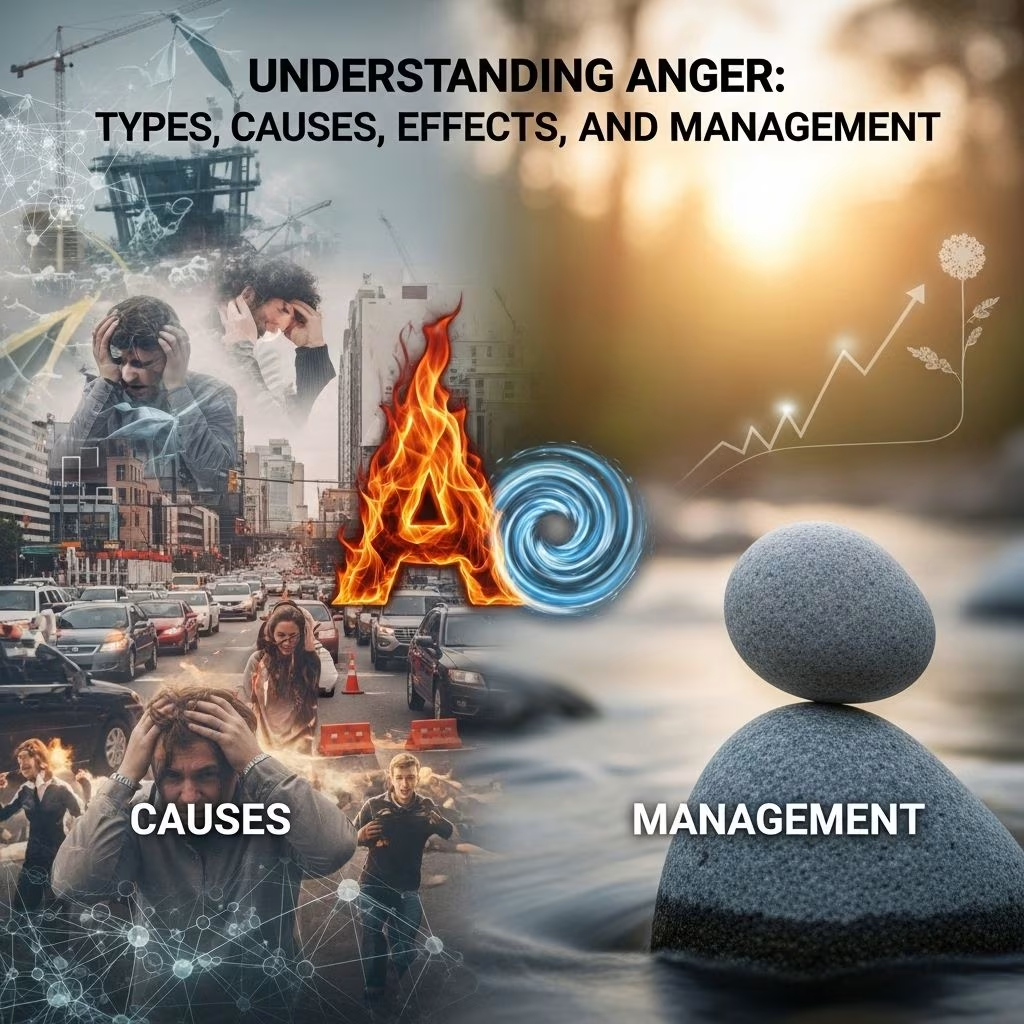
Anger is a natural emotional response experienced by all humans. While often viewed negatively, anger can serve important communicative and protective functions. Recognizing what anger is, its underlying causes, effects, and healthy ways to manage it, is crucial for mental and physical well-being.
What Is Anger?
Anger is an emotion characterized by feelings of antagonism, irritation, or hostility towards someone or something that has caused you harm or wrongdoing. It can be triggered by frustration, threat, injustice, or disappointment. Anger varies in intensity from mild annoyance to intense fury and rage.
While anger itself is not unhealthy, how one responds to and expresses anger can have significant consequences.
Types of Anger
There are several distinct types of anger that people experience. Recognizing these can help in identifying triggers and developing appropriate strategies for coping.
- Passive Anger: This form is indirect. Individuals may not outwardly show anger but might act in stubborn, sarcastic, or uncooperative ways. Examples include giving the silent treatment or procrastinating tasks they are angry about.
- Aggressive Anger: This is direct and often physically or verbally intense. People may shout, insult, or become physically confrontational. Aggressive anger can result in harm to relationships or even to oneself.
- Assertive Anger: In this approach, anger is expressed in a controlled, constructive way. Individuals communicate feelings and boundaries clearly, seeking solutions rather than escalating conflict.
Other subtypes include self-inflicted anger (anger directed at oneself), chronic anger (long-lasting anger), and judgmental anger (anger rooted in perceived moral infractions).
The Causes of Anger
Anger rarely appears in isolation; it is often a result of various internal and external factors:
- Frustration: When one’s goals or needs are blocked, frustration often leads to anger. This relates to the “Frustration-Aggression Hypothesis” in psychology.
- Perceived Threat: Threats to one’s well-being, security, or values can evoke anger as a defensive mechanism.
- Stress: Chronic stress lowers frustration tolerance, making angry reactions more frequent and intense.
- Interpersonal Conflicts: Arguments, disrespect, betrayal, or feeling misunderstood can aggravate anger.
- Unmet Expectations: Expectations not fulfilled by oneself or others can spark anger.
- Pain or Loss: Physical discomfort or emotional pain and loss may manifest as anger.
- Environmental Triggers: High-pressure situations, crowded environments, and unpredictable changes contribute to irritability and anger.
Sometimes, unaddressed past trauma or underlying mental health issues such as anxiety or depression may also fuel persistent anger.
Common Anger Triggers
While everyone experiences anger uniquely, some common triggers include:
- Feeling disrespected or belittled.
- Experiencing injustice or unfair treatment.
- Being physically threatened or harmed.
- Loss of control over circumstances.
- Relationship conflicts (romantic, familial, work-related).
- Daily frustrations (traffic jams, missed deadlines, technical failures).
How Anger Affects Your Mind and Body
Anger has both physiological and psychological effects. Some can be adaptive, but chronic or intense anger may be detrimental.
Short-Term Effects of Anger
- Physical Responses: Anger triggers the body’s ‘fight or flight’ mechanism, leading to:
- Increased heart rate
- Elevated blood pressure
- Muscle tension
- Surge of stress hormones like adrenaline and cortisol
- Cognitive Effects: Anger can impair rational thinking, narrow focus, reduce attention span, and diminish judgment.
Long-Term Effects of Anger
- Cardiovascular Problems: Chronic anger increases the risk of hypertension, heart disease, and stroke.
- Digestive Issues: Ongoing anger can upset the digestive tract, leading to indigestion, acid reflux, and nausea.
- Mental Health: Uncontrolled anger may increase vulnerability to depression, anxiety, and substance abuse.
- Relationships: Frequent angry outbursts undermine trust, harm communication, and damage personal and professional relationships.
| Physical Effects | Mental/Behavioral Effects |
|---|---|
| Elevated heart rate and blood pressure | Poor judgment, narrowed attention |
| Cortisol surge, muscle stiffness | Irritability, impulsivity, aggression |
| Digestive disturbances | Difficulty concentrating |
| Impaired immune function | Relationship problems |
| Insomnia | Risk for anxiety and depression |
Healthy and Unhealthy Ways People Express Anger
How anger is expressed determines whether it is constructive or harmful. Common expression styles include:
- Suppression: Avoiding or denying anger, which can lead to internalized stress and health problems.
- Outburst/Aggression: Immediate and intense display, often causing regret or harm to self/others.
- Passive Aggression: Indirect behaviors like sarcasm, procrastination, or exclusion.
- Assertive Communication: Calm, direct discussion of feelings and boundaries while seeking solutions.
Assertive expressions of anger enable growth and better problem-solving, while aggressive or suppressed anger creates issues in relationships and one’s own well-being.
Common Myths About Anger
- Myth: “Letting anger out” is always healthy.
Fact: Venting anger aggressively can reinforce angry patterns and increase hostility, rather than reducing it. - Myth: “Anger is bad and should be avoided.”
Fact: Anger is a normal emotion; only its mismanagement causes harm. - Myth: “Only aggressive people get angry.”
Fact: Everyone experiences anger, but express it in varied ways. - Myth: “You can’t control anger.”
Fact: Anger can be managed and expressed constructively.
Strategies for Managing Anger
Learning to manage anger is essential for healthy emotional regulation and relationships. Effective anger management strategies include:
- Recognize Early Signs:
- Notice physical signals (tight chest, clenched jaw, racing thoughts).
- Take a Break:
- Remove yourself from the triggering situation and breathe deeply.
- Engage in Physical Activity:
- Exercise helps dissipate stress hormones and calm the mind.
- Use Relaxation Techniques:
- Practice mindfulness, meditation, or progressive muscle relaxation.
- Communicate Assertively:
- Express needs and concerns calmly without resorting to aggression.
- Practice Problem Solving:
- Break down overwhelming problems into small, manageable steps.
- Use Humor Appropriately:
- Defuse tense situations with light-hearted perspectives, avoiding sarcasm.
- Seek Support:
- Consult a mental health professional for chronic anger or underlying trauma.
Important: Avoid relying on drugs, alcohol, or excessive avoidance as coping mechanisms, as these can intensify anger over time.
When to Seek Help for Anger
Not all anger requires professional intervention, but it might be time to seek help if:
- Anger leads to physical violence or self-harm.
- Outbursts damage relationships or job performance.
- Anger is persistent, uncontrollable, and affects daily functioning.
- There are symptoms of underlying mental health issues (depression, anxiety, trauma).
Therapists can provide specialized anger management programs, including cognitive behavioral therapy (CBT), stress-reduction techniques, and coping skills training.
Frequently Asked Questions (FAQs) About Anger
Q: Are there physical health consequences of anger?
A: Yes. Chronic anger increases the risk of heart disease, hypertension, immune dysfunction, digestive problems, and sleep disturbances.
Q: Is it unhealthy to suppress anger?
A: Suppression without resolution can cause psychological distress, physical health issues, and result in passive-aggressive behavior. Constructive, assertive expression is healthier.
Q: Can anger be a positive force?
A: Absolutely. Anger can highlight injustices, motivate action, and facilitate goal setting when managed constructively.
Q: What types of therapy help with chronic anger?
A: Evidence-based approaches include Cognitive Behavioral Therapy (CBT), mindfulness training, and anger management coaching from mental health professionals.
Q: Are there strategies for calming anger quickly?
A: Effective immediate techniques include deep breathing, counting to ten, taking a walk or timeout, and shifting attention via mindfulness or relaxation exercises.
How to Build Emotional Resilience to Anger
Resilience is the ability to adapt and bounce back from difficult emotions, including anger. Strategies include:
- Building self-awareness through journaling or introspection.
- Accepting negative emotions as temporary, not defining.
- Learning stress management techniques and relaxation exercises.
- Fostering supportive relationships and community engagement.
Summary Table: Anger Types and Their Expression
| Type of Anger | Common Expression Style | Potential Impact |
|---|---|---|
| Passive | Indirect, stubborn, sarcastic | Internal stress, relationship tension |
| Aggressive | Direct, confrontational, intense | Physical/emotional harm, conflict |
| Assertive | Clear, calm, solution-focused | Improved communication, relationships |
Conclusion
Anger is a universal emotion closely tied to survival, justice, and personal boundaries. When understood and managed appropriately, anger can empower healthy change and protect one’s well-being. Left unchecked, however, it generates psychological, relational, and physical harm. Identifying triggers, understanding personal anger styles, and cultivating effective management strategies are essential for emotional health and overall life satisfaction.


