


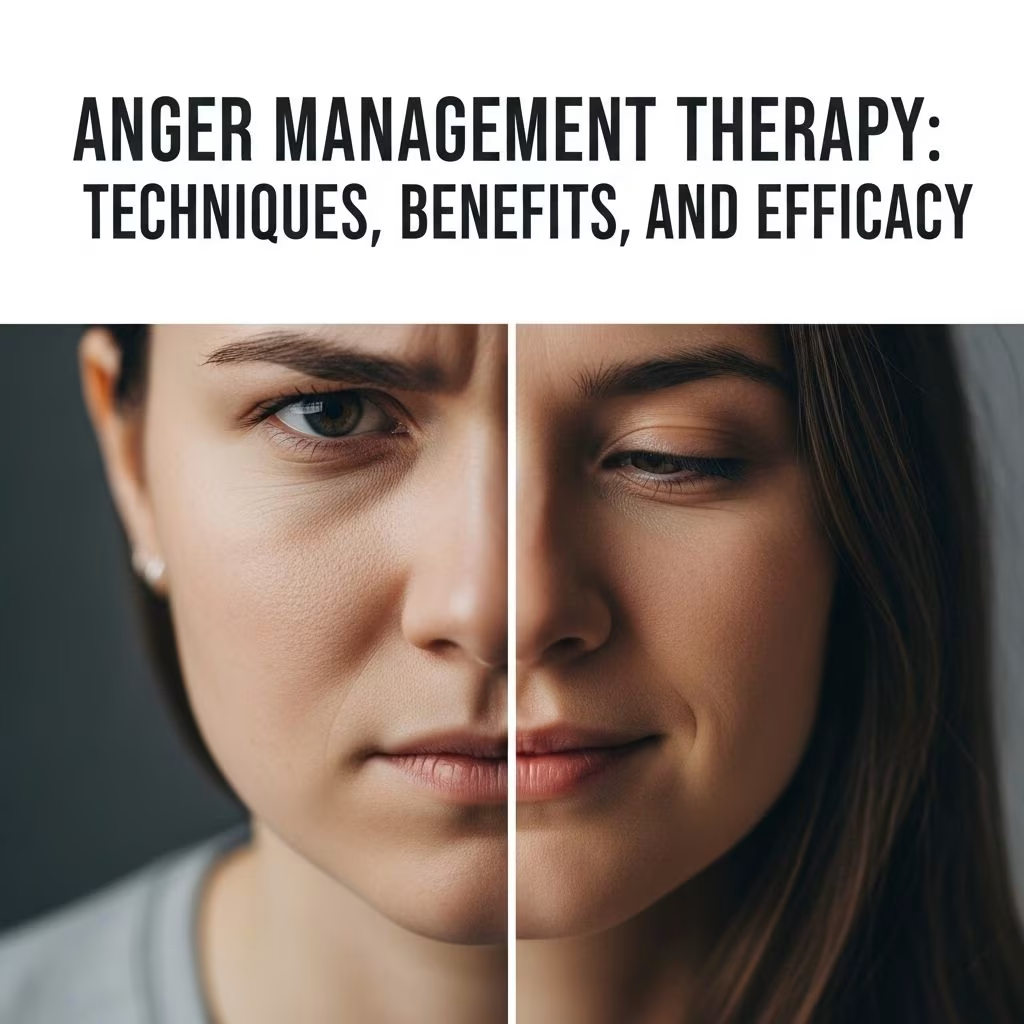
Anger Management Therapy: Definition, Techniques, and Efficacy
Anger management therapy is a specialized psychological intervention designed to help individuals recognize, understand, and regulate intense feelings of anger, frustration, or aggression. Utilizing proven behavioral and cognitive strategies, this therapy enables healthier ways to process, express, and cope with anger—promoting emotional balance and improved quality of life. Though everyone experiences anger, persistent or uncontrolled anger can disrupt relationships, work performance, and mental or physical health. Anger management therapy offers a systematic way for individuals to address their emotional triggers and develop practical coping mechanisms.
What Is Anger Management Therapy?
Anger is a natural human emotion, yet when it becomes frequent, overwhelming, or leads to dysfunctional behavior, it can negatively impact a person’s life. Anger management therapy aims to empower individuals to control their anger responses by teaching structured therapeutic techniques. The therapy is particularly useful in recovery settings, as unmanaged anger is a common trigger for relapse among individuals overcoming substance use disorders.
- Goal-Oriented: Help clients identify triggers and reduce the frequency and severity of angry outbursts.
- Holistic Approach: Address cognitive, emotional, and physical aspects of anger.
- Evidence-Based: Relies on methods like cognitive-behavioral therapy (CBT), relaxation training, and psychoeducation for lasting results.
Historically, anger management emerged as a response to recognizing anger as a distinct psychological challenge. Modern approaches integrate cognitive restructuring, relaxation, and skills training to create a balanced, effective therapy plan.
Who Currently Needs Anger Management Therapy?
Anger management therapy is recommended for people who:
- Experience frequent, intense, or uncontrolled anger.
- Notice their anger leads to interpersonal, professional, or legal problems.
- Have difficulty expressing anger appropriately or constructively.
- Are in addiction recovery, as emotional triggers like anger increase risk of relapse.
- Struggle with underlying emotional conditions or trauma that contributes to anger issues.
If anger is affecting relationships, work performance, or overall quality of life, therapy can provide structured support and practical skills for positive change.
How Does Anger Management Therapy Work?
Anger management therapy blends several evidence-based psychological interventions, often tailored to a client’s specific anger patterns, triggers, and life circumstances. Key components include:
- Assessment: Evaluating the client’s anger history, triggers, and impact on daily functioning.
- Therapist-Client Collaboration: Setting therapy goals and identifying situations or relationships that provoke anger.
- Technique Application: Teaching and practicing proven coping strategies, often including cognitive and behavioral skills.
- Practice and Integration: Encouraging the client to apply skills outside therapy sessions, with ongoing feedback and adjustment.
Main Techniques Used in Anger Management Therapy
Therapists utilize a variety of approaches tailored to individual needs. The most common and effective techniques include:
Cognitive Behavioral Therapy (CBT)
- Cognitive Restructuring: Identifying and challenging irrational and anger-inducing thoughts, replacing them with balanced, realistic perspectives.
- Attitude Change: Shifting from rigid demands (“must,” “should,” “have to”) to flexible preferences, which alleviates frustration when reality doesn’t conform to expectations.
- Self-Monitoring: Keeping thought diaries, logging anger triggers, and reflecting on emotional responses.
Relaxation Techniques
- Deep Breathing: Practicing slow, controlled breaths to calm the nervous system and lower physiological arousal.
- Progressive Muscle Relaxation: Systematically tensing and relaxing muscle groups to release tension and promote relaxation.
- Visualization: Imagining peaceful scenes or experiences as a tool for emotional self-soothing.
- Meditative Practices: Repeating calming phrases or mantras to redirect focus and reduce distress.
Psychoeducation
- Education on Anger: Teaching clients about the psychological and physiological effects of anger and its patterns.
- Trigger Identification: Helping individuals recognize circumstances, thoughts, or feelings that precede anger outbursts.
- Skill Development: Training in assertiveness, communication, and conflict resolution to replace unhealthy responses.
Other Therapeutic Approaches
- Role-Playing: Practicing difficult scenarios to build confidence and test new skills.
- Mindfulness-Based Techniques: Increasing awareness of current emotions and gaining control over impulsive reactions.
- Self-Talk and Self-Debate: Challenging and reframing self-critical or catastrophic thoughts.
Core Components of Anger Management Sessions
| Component | Description |
|---|---|
| Assessment | Therapist evaluates the client’s anger intensity, frequency, and impact, often using questionnaires. |
| Goal Setting | Establishing concrete, measurable objectives for anger reduction and skill development. |
| Technique Training | Learning and practicing coping strategies such as relaxation, cognitive restructuring, and communication skills. |
| Homework Assignments | Applying techniques in daily life and reflecting on progress with therapist support. |
| Review & Adjustment | Regularly monitoring outcomes and adjusting the approach as needed for continual improvement. |
Effectiveness and Efficacy of Anger Management Therapy
Anger management therapy has demonstrated moderate to large improvements in reducing both the frequency and intensity of anger episodes. Research strongly supports the use of CBT and relaxation-based interventions, particularly for individuals with addiction, mood disorders, or those struggling to express anger constructively.
- Meta-analyses have shown effective outcomes for both adults and adolescents.
- Benefits extend to overall emotional regulation, improved relationships, and better coping with stressors.
- Therapy is adaptable for individual, group, family, or intensive program formats.
Benefits of Anger Management Therapy
Therapy offers lasting, positive changes for individuals who commit to its principles and practice:
- Improved Self-Control: Clients learn to identify and manage anger triggers before escalation.
- Enhanced Communication: Assertiveness and healthy expression replace aggression or passivity.
- Lower Stress Levels: Relaxation and cognitive restructuring techniques foster calm responses to provocation.
- Reduced Substance Use Relapse Risk: Effective anger management is vital for maintaining sobriety in recovery populations.
- Stronger Relationships: Better emotional regulation reduces conflict and supports intimacy.
- Decreased Health Risks: Chronic anger is linked to cardiovascular and mental health risks; therapy reduces these threats.
Potential Risks and Limitations
Anger management therapy is generally safe and beneficial, but:
- Not One-Size-Fits-All: Individual differences may influence therapy effectiveness; motivation, co-occurring disorders, or trauma can affect outcomes.
- Time Commitment: Regular practice and attendance are needed for skills to become habitual.
- Relapse Possibility: Old habits may resurface under stress without ongoing support.
Therapists adapt interventions to client needs and monitor progress, but persistent or severe anger may require deeper exploration of underlying psychological or medical conditions.
How To Find an Anger Management Therapist
- Credentials: Seek therapists with appropriate licensing and training in cognitive-behavioral therapy and anger management.
- Experience: Ask about experience with anger treatment and familiarity with your specific challenges.
- Approach: Inquire about the therapy methods used and customization to individual situations.
- Confidentiality: Discuss privacy concerns—therapists follow professional and legal guidelines.
- Location: Choose between in-person, group, or online therapy based on accessibility and comfort.
Frequently Asked Questions (FAQs)
Q: Is anger always a bad emotion?
A: No, anger is a normal human emotion—it can be appropriate and even necessary in certain situations. Problems occur when it is uncontrolled or repeatedly leads to harmful behaviors.
Q: How long does anger management therapy take?
A: The length varies—some people benefit within weeks, while others require longer-term support. Motivation and practice significantly influence results.
Q: Does anger management therapy work for everyone?
A: Most people benefit from therapy when it is tailored to their needs, but effectiveness depends on individual commitment and factors like other mental health conditions or trauma.
Q: Can medication help with anger problems?
A: Medication is rarely the first choice for treating anger, but may be appropriate if anger is linked to other mental health conditions such as depression or bipolar disorder. Discuss options with a qualified therapist or psychiatrist.
Q: What should I expect during my first therapy session?
A: Your therapist will review your anger history, triggers, and goals, then develop a treatment plan customized to your needs. Practical tools and interventions may be introduced from the outset.
Summary Table: Anger Management Therapy at a Glance
| Aspect | Details |
|---|---|
| Definition | Therapy helping clients recognize, understand, and control anger using behavioral techniques. |
| Main Techniques | Cognitive restructuring, relaxation, psychoeducation, mindfulness, role-play, communication training. |
| Format | Individual, group, family, or intensive program. |
| Benefits | Reduced anger episodes, improved relationships, lower stress, enhanced self-control. |
| Limitations | Requires regular practice; results vary by individual. |
Conclusion
Anger management therapy offers effective, research-backed solutions for anyone seeking better control over their emotional responses, especially anger. By combining cognitive, behavioral, and relaxation techniques, therapy provides individuals with practical tools for handling anger in constructive ways—leading to improved mental, physical, and social well-being. Commitment to learning and practicing these skills yields lasting benefits, whether anger disrupts daily life or complicates addiction recovery.
References
- https://rightchoicerecoverynj.com/addiction/therapy/anger-management/
- https://www.abct.org/fact-sheets/anger/
- https://my.clevelandclinic.org/health/treatments/12195-anger-management
- https://www.apa.org/topics/anger/control
- https://library.samhsa.gov/sites/default/files/anger_management_workbook_508_compliant.pdf
- https://larkinhealth.com/en/treatments-services/mental-health-psychiatry/anger-management/
- https://www.health.mil/Military-Health-Topics/Centers-of-Excellence/Psychological-Health-Center-of-Excellence/Real-Warriors-Campaign/Articles/Anger-Management-Techniques


