


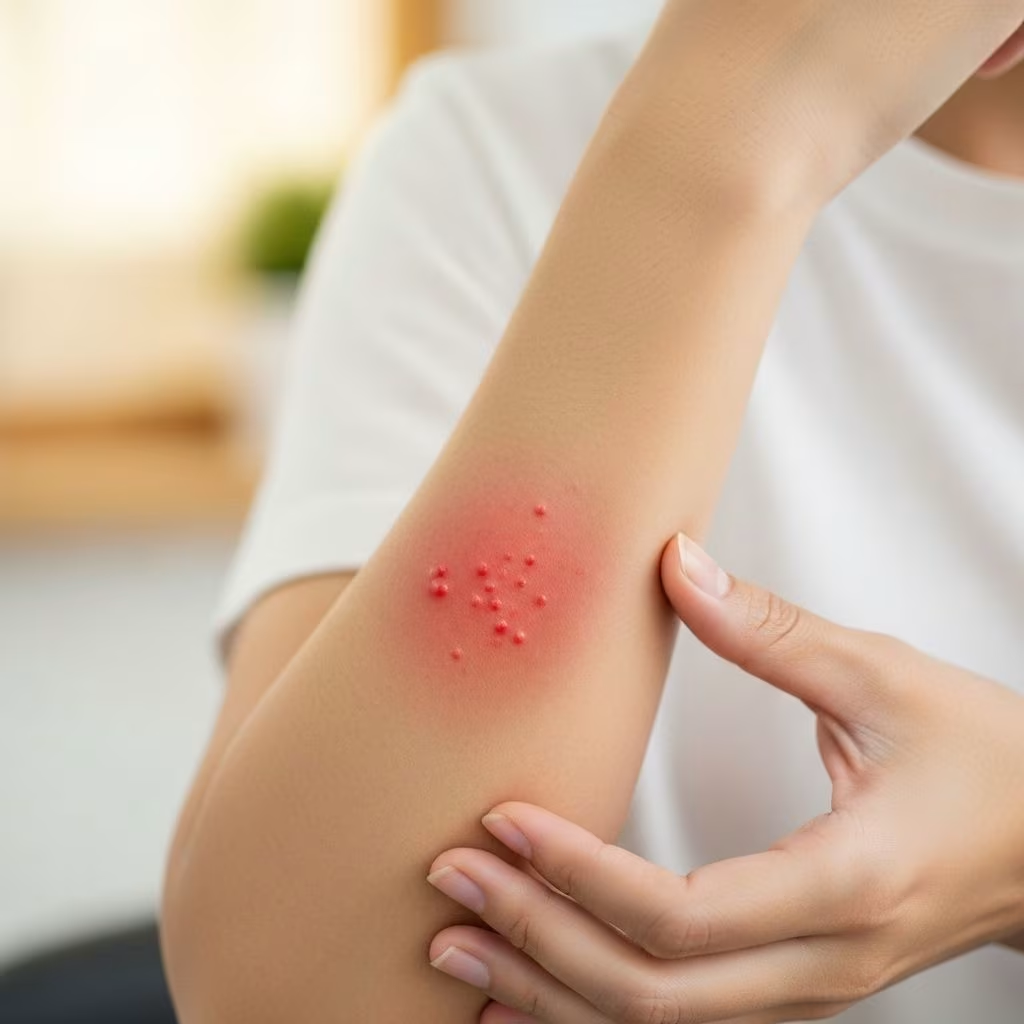
Anxiety hives are a common but often misunderstood condition where the skin erupts in itchy, swollen welts due to emotional stress or anxiety. Many people do not realize that the mind and body are deeply connected, and psychological pressure can have very real physical effects, including on your skin. This article explores what anxiety hives are, how to identify them, their potential causes, and the best strategies for relief and prevention.
What Are Anxiety Hives?
Anxiety hives, also known as stress hives or stress urticaria, are raised, red or skin-colored welts that appear during or after periods of significant emotional stress or anxiety. These hives can vary significantly in size and shape, may be localized to one area or spread across the body, and are typically accompanied by intense itching, burning, or tingling sensations.
What Do Anxiety Hives Look Like?
The physical presentation of anxiety hives can be diverse, but they share some key features:
- Raised bumps or welts: These are often red or pink on lighter skin, while on darker skin they may appear slightly lighter, darker, or even match the skin tone.
- Varying size: Hives may be as small as a pinhead or as large as a dinner plate. Individual welts often join together forming larger patches.
- Itchy or burning sensation: The areas affected can be intensely itchy, tingly, or even burning.
- Common locations: Face, neck, chest, arms, and hands are typical, but hives can appear anywhere.
- Temporary and migratory nature: Welts may last for hours to a day, then subside and reappear elsewhere on the body.
Note: Hives associated with stress are very similar in appearance to those from allergies or other causes; context and timing are important for diagnosis.
Symptoms of Anxiety Hives
Common symptoms include:
- Sudden appearance of raised, itchy welts
- Redness or swelling around the spots
- Burning or tingling skin sensation
- Patches or clusters of hives that may join together
- Welts that change shape or location over time
- Sometimes, additional symptoms of anxiety (e.g., rapid heartbeat, sweating, feeling on edge) occur alongside the skin outbreak
How Does Anxiety Cause Hives?
The connection between anxiety and hives lies in the way psychological stress affects the body’s immune and inflammatory responses. When experiencing anxiety or high stress, the body releases hormones like cortisol and chemicals known as histamines. These substances can trigger inflammation, cause blood vessels to dilate and leak, and result in the characteristic swelling and itchiness of hives.
Other mechanisms linking anxiety/stress and hives include:
- Stimulation of the immune system to release inflammatory mediators
- Increased sensitivity or flare-ups of existing skin conditions (like eczema or psoriasis)
- Triggers from external factors worsened by stress (heat, alcohol, certain medications)
Who Is At Risk?
Although anyone can experience anxiety hives, certain factors increase vulnerability:
- Existing anxiety disorders or high baseline stress levels
- History of allergies, hives, or sensitive skin
- Younger adults and women appear more prone to hives overall
- Chronic health conditions that impact the immune system
Common Triggers of Stress and Anxiety Hives
Hives triggered by anxiety do not always require an obvious psychological event. Some common triggers and aggravating factors include:
- Major life changes (e.g., divorce, moving, new job)
- Performance anxiety or social stress
- Financial or family worries
- Chronic emotional strain
- Overheating, sweating, or friction (which may be worsened by stress reactions)
- Alcohol or caffeine intake during anxiety bouts
Differentiating Anxiety Hives From Other Conditions
Distinguishing stress-induced hives from other types of rashes or skin conditions is important for effective treatment. Common distinguishing factors include:
- Timing: Onset closely following or during an episode of emotional stress or anxiety
- Short duration: Most anxiety hives resolve within hours to days, unlike chronic skin conditions
- Pattern: Sudden, widespread, and often migratory patches, without a new exposure to a physical allergen
- Absence of infectious symptoms: No fever, pus, or signs of systemic infection
Note: If hives persist for more than six weeks, recur frequently, or are associated with other concerning symptoms (difficulty breathing, swelling of the tongue or lips), seek medical attention immediately.
When to Seek Medical Help
- Difficulty breathing, swelling of throat/lips/tongue (indicates a possible severe allergic reaction or angioedema)
- Significant skin pain, blistering, or signs of infection
- Symptoms lasting more than six weeks (chronic hives)
- Disruption of sleep, daily activities, or emotional well-being
Treatments for Anxiety Hives
The most effective approach to managing anxiety hives involves both treating the skin symptoms directly and addressing the underlying psychological stress. If you experience intense or recurrent outbreaks, consult your healthcare provider for tailored options. Common evidence-based treatments include:
Immediate Relief and Skin Care
- Antihistamines: Over-the-counter oral antihistamines (such as cetirizine, loratadine, or diphenhydramine) are the first line of defense to reduce itching and the size of hives. For persistent or severe cases, a doctor may prescribe stronger antihistamines or a short course of corticosteroids.
- Cool compresses and baths: Applying cool (not cold) compresses or bathing in colloidal oatmeal or baking soda baths can temporarily reduce discomfort and itching.
- Moisturizers and soothing lotions: Keeping the skin hydrated can help, especially with secondary dryness or irritation.
- Avoid hot showers: Heat can exacerbate itching and worsen hives. Stick to cool or lukewarm water.
Managing Stress and Underlying Anxiety
- Mindfulness and relaxation techniques: Deep breathing, meditation, progressive muscle relaxation, and yoga can all help reduce anxiety levels and may decrease the frequency or severity of hives.
- Optimize sleep: Poor sleep can worsen both anxiety and skin reactions. Maintain a calming bedtime routine, keep your bedroom cool and dark, and avoid stimulating activities before bed.
- Gentle exercise: Choose low-impact activities like walking, swimming, or light stretching. Avoid overheating or strenuous exercise if it tends to trigger flare-ups.
- Social support: Connecting with friends, family, or support groups can buffer against stress and improve emotional well-being.
Additional Lifestyle Measures
- Avoid triggers: Be aware of personal triggers such as caffeine, alcohol, or tight clothing, and avoid them during high-stress periods.
- Time for enjoyable activities: Reading, music, creative hobbies, or spending time in nature can help break the cycle of anxiety and skin symptoms.
Can Anxiety Hives Be Prevented?
While some stress is unavoidable, adopting healthy coping strategies and stress-reduction practices can significantly reduce the likelihood of hives outbreaks. Consider these prevention tips:
- Practice daily stress management (e.g., mindfulness, journaling, exercise)
- Establish consistent sleep and wake times
- Maintain a balanced, nutritious diet
- Limit substances that can worsen inflammation (excess caffeine, alcohol)
- Seek professional support for persistent anxiety
- Monitor for patterns between anxiety and skin symptoms to better anticipate and head off flares
The Emotional Impact of Chronic Hives
For some, anxiety hives become a recurring or even chronic issue, significantly impacting quality of life, mood, and self-image. Chronic hives may disrupt sleep, daily functioning, and even lead to or worsen anxiety or depression. Seeking help from both dermatology and mental health professionals can be essential in achieving comprehensive symptom control and improved well-being.
Living With Anxiety Hives: Coping Tips
- Accept unpredictability: Some days will be harder than others—self-compassion helps reduce stress about symptoms.
- Educate family and friends: Let those around you know what anxiety hives are and how they can support you.
- Avoid self-isolation: Join a support group or connect with others experiencing similar challenges.
- Balance activity and rest: Don’t force yourself to push through flare-ups—rest is healing.
- When in doubt, ask for help: Consult both skin specialists and mental health providers when symptoms feel unmanageable.
Frequently Asked Questions (FAQs)
Can anxiety really cause physical hives?
Yes. Emotional stress and anxiety can trigger the immune system to release histamines and inflammatory chemicals, resulting in hives indistinguishable from those caused by allergies.
How long do anxiety hives last?
Individual hives typically last a few hours to a couple of days. Most outbreaks subside within a week, especially if stress is reduced and skin is cared for. Chronic cases may persist or recur for weeks to months.
Are anxiety hives dangerous?
Most anxiety or stress hives are not dangerous, but symptoms like throat swelling, trouble breathing, or signs of anaphylaxis require emergency medical care.
What’s the best way to prevent anxiety hives?
Effective stress management—like mindfulness, solid sleep, regular exercise, and identifying early signs of anxiety—are the best preventive measures. Managing underlying anxiety disorders can also reduce outbreaks.
Should I see a doctor about anxiety hives?
Consult your healthcare provider if your hives are severe, do not resolve within a week, disrupt daily life, or are associated with other symptoms such as pain, fever, or trouble breathing.
Key Takeaways
- Stress and anxiety can directly cause hives—itchy, swollen, often migratory patches of skin inflammation.
- Effective management requires treating both the physical symptoms and the underlying anxiety.
- Simple home remedies, over-the-counter antihistamines, and healthy lifestyle adjustments are often sufficient, but persistent cases require professional help.
References
- Summarized and synthesized from leading sources on stress hives, urticaria, and anxiety from Cleveland Clinic, Healthline, GoodRx, Summit Health, and Beaufort Memorial Hospital.
References
- https://www.bmhsc.org/blog/understanding-stress-hives
- https://my.clevelandclinic.org/watch/psychological-impact-of-chronic-hives
- https://www.summithealth.com/health-wellness/how-treat-stress-rash
- https://www.goodrx.com/conditions/hives/stress-hives-and-rashes
- https://www.medicalnewstoday.com/articles/317631
- https://www.healthline.com/health/skin-disorders/stress-rash
- https://my.clevelandclinic.org/health/diseases/8630-hives
- https://www.fasttrackurgentcare.com/stress-hives/
- https://www.stress.org/news/stress-rash-what-it-looks-like-symptoms-treatment-2/


