


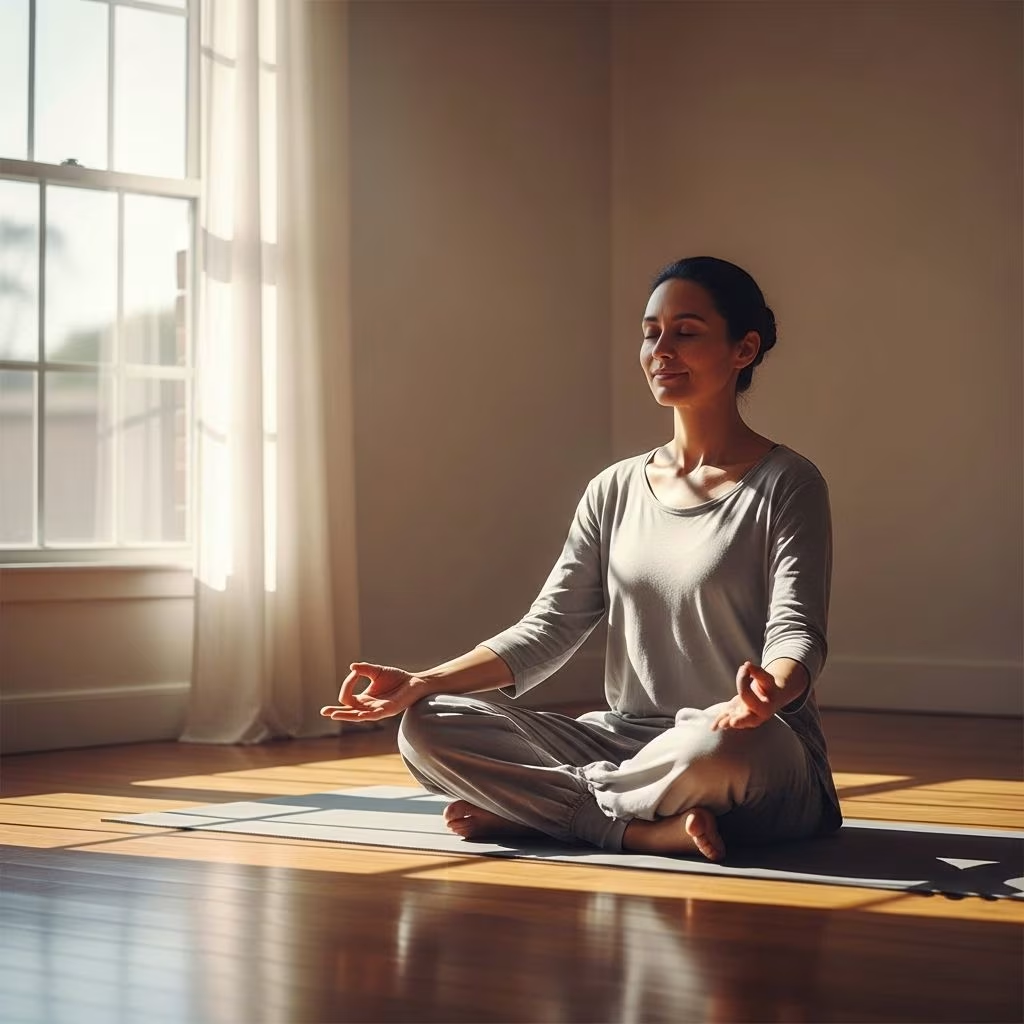
What Is Body Scan Meditation?
Body scan meditation is a foundational mindfulness technique that guides individuals to bring attention to physical sensations throughout the body, typically traveling slowly from the crown of the head to the tips of the toes or vice versa. Unlike medical scans, this practice does not use equipment—it simply invites observation with gentle, nonjudgmental awareness.Body scan meditation encourages you to notice sensations, discomfort, tension, or areas of ease without attempting to change them. The journey is about being present, fostering acceptance, and exploring physical experiences moment by moment.
Why Practice Body Scan Meditation?
- Reconnect with your body: In everyday life, stress and tension often manifest physically before the mind registers them. This meditation helps you become aware of these signals, such as headaches, muscle tightness, fatigue, or restlessness.
- Anchor yourself in the present: The slow, deliberate focus on each part of the body grounds your attention, offering a tangible way to experience mindfulness beyond thoughts or breath.
- Develop self-compassion: By noticing your body’s needs or discomforts without judgment, you cultivate a kinder relationship with yourself.
- Enhance mind-body connection: Build ongoing awareness of your feelings, which supports emotional health and conscious living.
The Science-Backed Benefits of Body Scan Meditation
Multiple scientific studies and experiential reports highlight the powerful effects of this somatic mindfulness practice. Here are some key researched benefits:
- Activates the parasympathetic nervous system, helping the body shift from stress (“fight-or-flight”) to relaxation (“rest-and-digest”) mode.
- Lowers cortisol, the primary stress hormone, creating measurable reductions in tension and anxiety levels.
- Strengthens interoception (awareness of internal bodily states), which is vital for regulating emotions and tuning in to personal needs.
- Improves sleep quality due to physical and mental relaxation.
- Supports emotional resilience and reduces symptoms of depression and chronic pain.
While some researchers note that body scan meditation by itself may not fully address all health outcomes, its consistent practice as part of broader mindfulness routines can lead to lasting improvements in stress response and overall well-being.
How Body Scan Differs from Other Mindfulness Practices
- Somatic focus: Unlike breath awareness (which centers on respiration) or open monitoring (observing thoughts as they arise), body scan is anchored in direct physical sensations. It’s particularly effective for those who feel dissociated, overwhelmed, or physically uncomfortable.
- Tangible experience: Provides a structured approach for beginners, offering concrete bodily anchors rather than abstract concepts.
- Versatility: Can be completed lying down, sitting, or even standing—no special equipment required.
When and How to Use Body Scan Meditation
Body scan meditation fits naturally into numerous moments throughout the day. Consider it when:
- You feel overwhelmed, stressed, or emotionally drained.
- You notice physical discomfort, such as headache, muscle tension, or fatigue.
- You need a gentle transition—such as winding down before sleep, or calming the mind after work.
- You wish to anchor your attention and become present in your body.
The practice can last as little as three minutes or extend to thirty, depending on the time and intention available.
Step-by-Step Guide: How to Practice Body Scan Meditation
- Find a comfortable position: Lying down, seated, or standing—all work well. Make sure your environment is quiet and relaxing.
- Close your eyes (if comfortable): Alternatively, you can lower your gaze and fixate on a single spot to reduce distractions.
- Notice your breath: Take a few deep breaths, letting tension drop away with each exhalation.
- Begin the scan: Choose to start at the crown of your head or the tips of your toes.
- Move attention slowly: Pause at each part of your body—scalp, forehead, jaw, neck, shoulders, arms, chest, stomach, hips, thighs, knees, calves, ankles, feet—notice any sensations, warmth, tension, or numbness.
- Notice sensations without judgment: Simply observe whatever arises. There is no need to fix or control—just note the feeling, mentally naming it if useful.
- Release each area: Breathe gently as you acknowledge each region before shifting your attention onward.
- Wrap up: When you’ve scanned the whole body, bring awareness back to your surroundings, take a final deep breath, and open your eyes slowly.
Common Challenges and Tips for Overcoming Them
- Difficulty relaxing: Trying too hard to relax can create tension. Let go of expectations, and simply allow yourself to be present.
- Distracting thoughts: It’s normal for your mind to wander. Gently redirect attention to your body each time you notice drift.
- Unpleasant sensations: Sometimes, discomfort surfaces during the scan. Observe these sensations with openness, avoiding resistance or stories about them.
- Lack of structure: Beginners may benefit from guided audio or written scripts to help maintain pace and focus.
- Judgment: Practice nonjudgmental observation—remember, there is no right or wrong sensation to feel.
Body Scan Meditation Script (Sample)
Here is a concise sample guidance for a quick body scan:
- Begin by settling into a comfortable posture.
- Take a few calming breaths, exhaling slowly.
- Bring your awareness to the crown of your head; notice any sensations.
- Gradually shift your attention, region by region—forehead, eyes, cheeks, jaw, neck, shoulders, arms, chest.
- Continue moving downward to the abdomen, hips, thighs, knees, calves, ankles, feet.
- Notice any tension, discomfort, warmth, or ease in each area; simply observe.
- When complete, take a final breath and gently reorient to the present.
Simple Body Scan Table: Practice Overview
| Step | Description |
|---|---|
| Position | Lie down, sit, or stand comfortably. |
| Breath | Deep and relaxed breathing to ground yourself. |
| Attention | Scan slowly, focusing on each body region. |
| Observation | Notice sensations objectively, without judgment. |
| Closure | End by returning awareness to surroundings, refresh. |
Integrating Body Scan Into Your Daily Routine
- Morning mindfulness: Begin your day grounded and connected by performing a body scan upon waking.
- Afternoon reset: Use a short scan during lunch break to release accumulated tension.
- Sleep preparation: Incorporate the body scan before bedtime to relax body and mind for restful sleep.
- Self-care check-in: Practice anytime you notice stress, pain, or disconnection.
- Guided support: Use apps, videos, or written scripts for structure and encouragement.
Frequently Asked Questions (FAQs)
Q: Does body scan meditation work for everyone?
A: Body scan meditation offers benefits for most people, though individual experiences may vary. It can be valuable for stress relief, awareness, and relaxation—even if not all health outcomes improve solely from this method.
Q: How long should I practice body scan meditation?
A: Sessions can last from three minutes to over half an hour. Consistency matters more than duration, and brief daily scans often yield meaningful results.
Q: Can body scan meditation be done without guidance?
A: While solo practice is effective, beginners may find audio or written scripts helpful for structure. Many free resources are available online.
Q: Is it normal to feel emotional during a body scan?
A: Yes. Physical sensations may evoke emotions, memories, or stress. Observing these feelings nonjudgmentally helps process and release tension.
Q: Can children practice body scan meditation?
A: Absolutely. Simpler guided scripts or playful approaches make this practice accessible for younger individuals and teens.
Tips for Success and Continued Exploration
- Don’t rush: Move slowly, allowing attention to linger where it’s needed.
- Stay open: Embrace all sensations—pleasant, unpleasant, or neutral.
- Practice regularly: Integrating body scan into your daily regimen builds resilience and emotional stability over time.
- Use technology wisely: Meditation apps and online videos offer supportive guidance and reminders.
Conclusion: Reconnecting Mind and Body
Body scan meditation is an accessible, science-backed approach to mindfulness that nurtures relaxation, emotional balance, and holistic self-care. Its focus on gentle awareness of bodily sensations makes it especially effective for stress management, pain relief, and enhanced sleep. Whether practiced for a few minutes or an extended session, body scan meditation offers a pathway to greater self-compassion, groundedness, and ongoing awareness—a cornerstone for lasting mental and physical health.
References
- https://www.headspace.com/meditation/body-scan
- https://www.canr.msu.edu/news/the-many-benefits-of-mindful-body-scan-meditations
- https://health.clevelandclinic.org/body-scan-meditation
- https://www.youtube.com/watch?v=0zrOqOKUbx0
- https://pubmed.ncbi.nlm.nih.gov/35538557/
- https://www.healthline.com/health/body-scan-meditation
- https://www.mayoclinic.org/healthy-lifestyle/consumer-health/in-depth/mindfulness-exercises/art-20046356


