


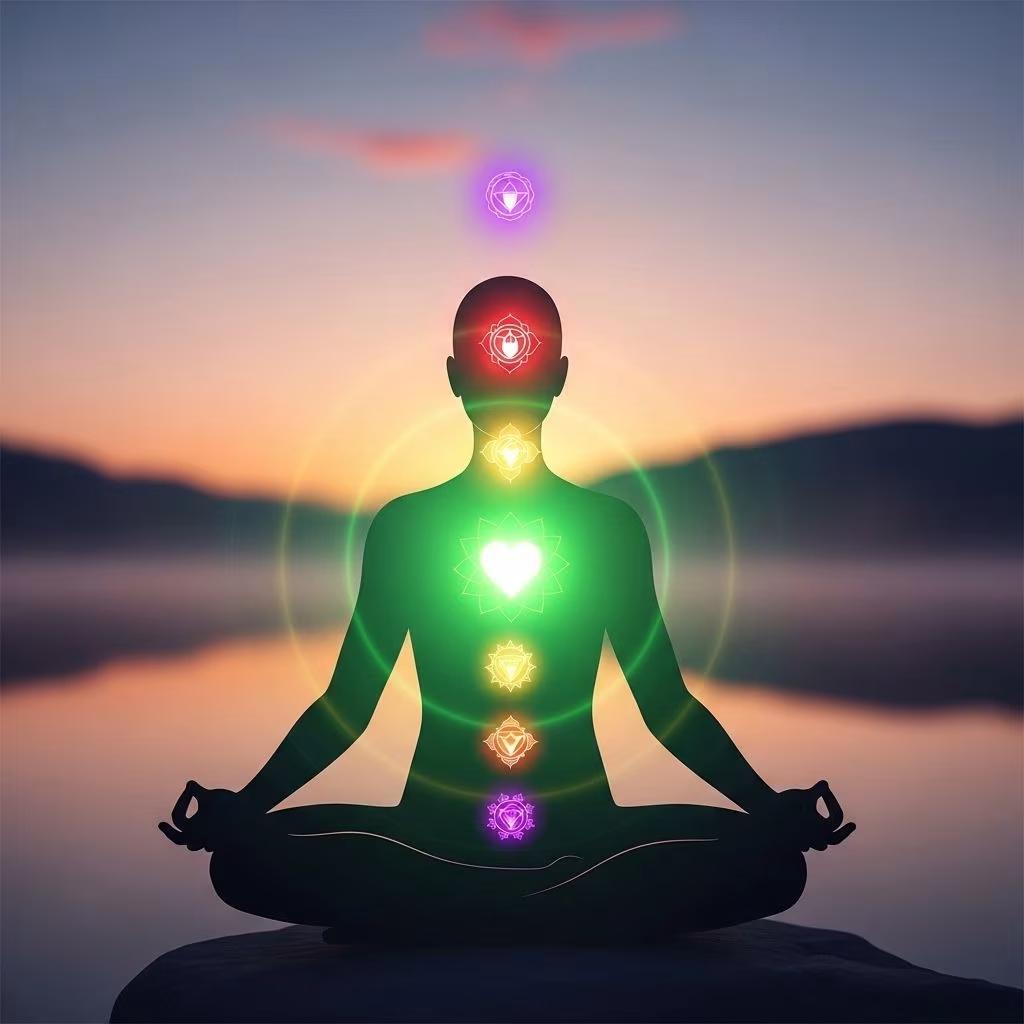
Chakra meditation is an ancient practice designed to help balance, unblock, and restore the natural flow of energy throughout your body’s seven key energy centers. Beginners and seasoned practitioners alike can use these techniques to support mental clarity, physical health, and emotional well-being.
What Is Chakra Meditation?
Chakra meditation focuses on your body’s energy centers, or chakras, with the intention to unblock, balance, and energize them. By doing so, it aims to address issues related to physical, emotional, or spiritual health. This form of meditation can be practiced independently or guided by an instructor through online resources or in-person sessions.
Understanding the Seven Chakras
According to ancient Indian traditions, the body contains seven main chakras running from the base of the spine to the top of the head. Each chakra governs different aspects of our well-being:
- Root Chakra (Muladhara): Located at the base of the spine; associated with basic physical needs, security, and grounding.
- Sacral Chakra (Svadhisthana): Situated just below the navel; linked with emotional intelligence, creativity, and sexuality.
- Solar Plexus Chakra (Manipura): Found in the stomach area; relates to personal power, self-esteem, and confidence.
- Heart Chakra (Anahata): Center of the chest; governs love, empathy, and compassion for self and others.
- Throat Chakra (Vishuddha): Located at the throat; affects communication, self-expression, and authenticity.
- Third Eye Chakra (Ajna): In the middle of the forehead; connected to intuition, insight, and clarity.
- Crown Chakra (Sahasrara): At the top of the head; linked to spiritual connection, insight, and enlightenment.
Benefits of Chakra Meditation
Chakra meditation offers a variety of physical, emotional, and spiritual benefits by bringing balance to the body’s energy centers:
- Reduced Stress: Eases feelings of anxiety and tension through focused breathing and visualization.
- Mental Clarity: Enhances focus, awareness, and cognitive function.
- Balanced Emotions: Helps regulate emotional responses and releases negative patterns.
- Improved Physical Well-Being: Many practitioners report benefits such as improved energy, relaxation, and reduced discomfort related to energy blockages.
- Spiritual Growth: Encourages self-discovery and deeper spiritual awareness.
How to Start Chakra Meditation
Beginners can follow these steps to start a simple chakra meditation practice:
- Find a Quiet Space: Choose a comfortable, distraction-free location. Silence your phone and inform others you’re practicing meditation.
- Settle Into a Comfortable Position: Sit cross-legged, upright in a chair, or lie down. Relax your shoulders and close your eyes.
- Focus on Your Breath: Take several deep, slow breaths. Observe your breath as it enters and leaves your body to induce a state of relaxation.
- Begin at the Root Chakra: Direct your awareness to the base of the spine. Visualize a red glowing light or spinning disc in this area.
- Move Up Through Each Chakra: Spend a few moments focusing on each chakra in sequence (Root, Sacral, Solar Plexus, Heart, Throat, Third Eye, Crown). Visualize its color and imagine the energy center spinning freely and glowing brightly.
- Release Tension: With each exhale, visualize stress or blockages leaving the chakra. If you sense a particular chakra needs extra attention, spend a few additional breaths on it.
- Finish and Align: Once you reach the crown chakra, imagine all seven chakras spinning in harmony and alignment, radiating balanced energy throughout your body.
- Return to Awareness: Gently open your eyes and notice how you feel.
Guided Chakra Meditation Techniques
If you’re uncertain about how to start or prefer structured support, guided chakra meditations are widely available—both online and in app form. These exercises typically walk you through body scanning, visualization, and breathing. For example, a guided meditation might:
- Lead you through progressive relaxation of each chakra.
- Encourage visualization of colored light and energy flow.
- Incorporate affirmations linked to each chakra, such as “I am grounded” (root chakra) or “I trust my intuition” (third eye).
Some practitioners find audio meditations with soothing background music or gentle instructions particularly effective for focusing the mind and keeping the attention anchored on each energy center.
Chakra Colors, Elements, and Meanings
| Chakra | Location | Color | Element | Main Function |
|---|---|---|---|---|
| Root (Muladhara) | Base of Spine | Red | Earth | Security, Stability |
| Sacral (Svadhisthana) | Below Navel | Orange | Water | Creativity, Sensuality |
| Solar Plexus (Manipura) | Stomach Area | Yellow | Fire | Power, Confidence |
| Heart (Anahata) | Center of Chest | Green | Air | Love, Compassion |
| Throat (Vishuddha) | Throat | Blue | Space/Sound | Communication, Truth |
| Third Eye (Ajna) | Forehead | Indigo | Light | Intuition, Insight |
| Crown (Sahasrara) | Top of Head | Violet/White | Thought | Spirituality, Unity |
Common Challenges and Tips for Beginners
- Difficulty Concentrating: If your mind wanders, gently bring your awareness back to the chakra or your breath.
- Inconsistent Practice: Start with brief sessions (5–10 minutes), then gradually increase the duration as your comfort grows.
- Blocked Chakras: It’s normal to sense tension or difficulty at certain chakras. Spend extra time visualizing light and breath moving through these areas.
- Expectations: Allow yourself to experience the meditation without judgment or pressure for instant results. Each session may feel different.
Safety and Considerations
- Chakra meditation is generally considered safe for most people.
- Those with mental health conditions, trauma histories, or discomfort may wish to consult with a healthcare provider before beginning an intense meditation regimen.
- Chakra meditation is a complementary, not a substitute, for professional medical care when addressing severe physical or mental health concerns.
Sample Chakra Meditation Script
Below is a simple, beginner-friendly script to help you try chakra meditation at home:
- Sit comfortably and close your eyes. Take several deep breaths, letting your body relax with each exhale.
- Visualize a red sphere of light at the base of your spine. With each inhale, see it glow brighter; with each exhale, allow stress to flow out.
- Shift your focus two inches below your navel. Imagine an orange sphere glowing and spinning in this area. Breathe in energy, breathe out tension.
- Move your awareness to your stomach. See a bright yellow ball radiating confidence and warmth. Repeat the breath and visualization.
- Bring focus to your heart center. Picture a green orb surrounded by soft pink. Breathe deeply, feeling love and compassion expand.
- Now visualize a blue circle at your throat. Imagine expressing yourself clearly, with gentle communication flowing with each breath.
- Focus on the space between your eyebrows. Picture an indigo circle, shimmering with wisdom and intuition. Breathe in clarity.
- Finally, direct attention to the top of your head. See a violet or white shining light. Breathe, feeling a connection to the universe, and unity within yourself.
- When finished, take a few grounding breaths and slowly open your eyes.
Frequently Asked Questions (FAQs)
What are the signs of blocked chakras?
Blocked chakras may manifest as physical symptoms (like fatigue or tension), emotional difficulties (anxiety, mood swings), or patterns such as trouble expressing oneself or feeling disconnected. Regular meditation may help restore flow and balance.
How long should I meditate on each chakra?
Start with 2–3 minutes per chakra, adjusting as needed. Some people spend longer on areas that feel blocked or require attention.
Do I need special tools to practice chakra meditation?
No special tools are necessary. Some practitioners like to use crystals, candles, or calming music to deepen their experience, but these are optional.
How often should I practice chakra meditation?
Aim for regular, consistent practice. Daily sessions or several times a week can offer more noticeable benefits, but even occasional practice can be helpful.
Can I meditate on just one chakra?
Yes. Many people focus on a particular chakra that feels blocked or out of balance, especially when dealing with specific emotional or physical challenges.
Additional Resources
- Explore guided audio and video meditations to support your chakra practice.
- Read books or articles for deeper learning about chakras and their associated philosophies.
- Connect with local meditation instructors or communities for group sessions and support.
Chakra meditation offers accessible tools for anyone seeking more balance, peace, and self-awareness. By starting slowly, staying patient, and using available resources, even beginners can enhance their well-being through this powerful practice.


