


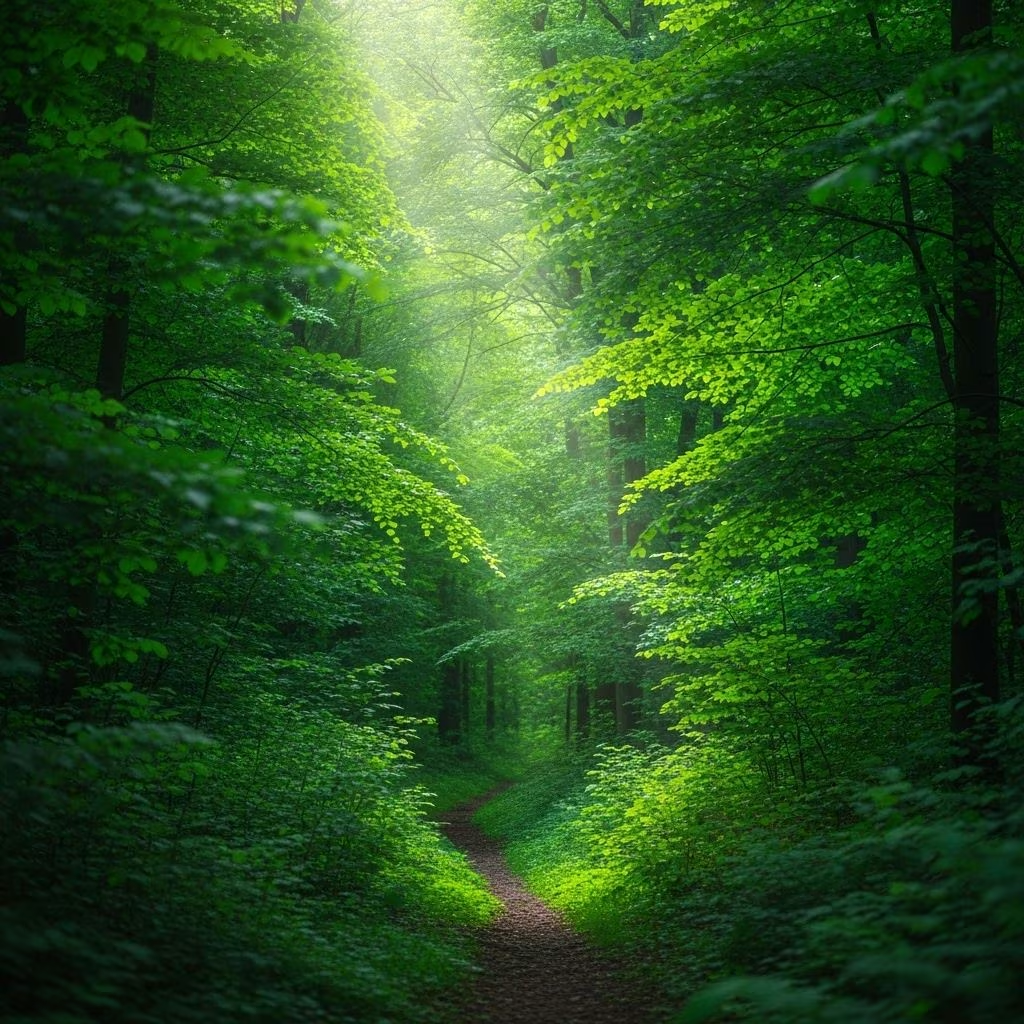
Color Psychology: Understanding the Influence of Green
Color psychology examines how colors impact human mood, behavior, and physiological responses. Among all the colors, green has a particularly powerful influence, being closely associated with nature, balance, growth, and emotional well-being. From ancient traditions to contemporary design, green is valued for its soothing and refreshing properties, making it a preferred choice in spaces aiming for relaxation, focus, and harmony.
What is Color Psychology?
Color psychology is the scientific study of how colors affect our feelings, thoughts, and behaviors. It explores:
- The meanings and symbolism attached to colors
- How colors impact physiological and emotional responses
- Cultural and individual differences in color associations
- The role of color in promoting mental health and well-being
- Applications of color in design and environment optimization
Green: Meaning, Symbolism, and Cultural Associations
Green is one of the most prevalent colors in nature, representing life, renewal, and fertility. In many cultures, green is viewed as the color of health, prosperity, and growth. Its symbolism extends beyond the natural world into social customs, traditions, and psychological responses.
Symbolic Means of Green
- Nature: Green is the dominant color in the natural environment, symbolizing forests, plants, and renewal.
- Growth & Fertility: As a blend of yellow and blue, green represents new beginnings and vitality.
- Balance & Harmony: Green’s placement in the color spectrum means it is associated with equilibrium and peace.
- Health: Green conveys wellness and motivation, and is often used in healthcare settings for its calming effects.
- Safety: Globally, green is linked with safe passage (e.g., “go” at traffic signals) and healing environments.
Cultural Contexts and Celebrations Involving Green
- St. Patrick’s Day: Strongly connected with green in Western cultures, symbolizing Irish heritage and celebration.
- Flags & Identity: In the Irish flag, green represents the Catholic population, while other cultures use green to signify ecological awareness or religion.
The Psychological Effects of Green
Green is a “cool” color, renowned for its calming and de-stressing abilities. Its psychological effects are widely observed across scientific studies and day-to-day experiences:
- Reduces Stress: Green is shown to have a relaxing influence, lowering anxiety and tension.
- Promotes Concentration: Green is easy on the eyes and helps maintain focus, making it ideal for study or creative environments.
- Enhances Balance: Green is linked to feelings of stability and self-control.
- Boosts Emotional Health: Green spaces, both real and artificial, promote feelings of contentment and happiness.
| Emotional Effect | Description | Examples & Environments |
|---|---|---|
| Calm & Relaxation | Reduces stress, induces tranquility | Hospitals, spas, bedrooms, parks |
| Focus & Productivity | Stimulates concentration and cognitive performance | Classrooms, offices, study spaces |
| Balance & Harmony | Feels emotionally balanced and safe | Living rooms, community spaces, yoga studios |
| Renewal & Growth | Symbolizes life, freshness, vitality | Gardens, branding for wellness or new ventures |
Green’s Physiological Impact
- Exposure to green may lower blood pressure and heart rate compared to warmer colors.
- Natural or artificial green spaces can lead to faster recovery times and improved subjective well-being in hospitals and clinics.
Green in Everyday Life: Design, Well-Being, and Behavior
Green is frequently integrated into spaces and products to promote physical, emotional, and psychological comfort. Its versatility means it is used to create environments that encourage creativity, minimize stress, and foster overall wellness.
Applications of Green in Design and Environment
- Interior Design: Green is a favorite in bedrooms, living rooms, and workspaces for its relaxing vibe.
- Healthcare Settings: Many hospitals and clinics incorporate green to soothe patients and staff, aiding recovery.
- Education & Focus: Classrooms and study spaces use green accents to help students concentrate.
- Fashion & Personal Effects: Wearing green or accessorizing with green items can prompt feelings of balance and renewal.
- Digital Space: Green backgrounds in apps and websites offer mental clarity and calm.
Ways to Incorporate Green for Wellness
- Add Plants: Live plants in the home or office improve air quality and uplift mood.
- Use Green Artwork: Nature-themed or abstract green art pieces promote tranquility.
- Decorate with Green: Bedding, curtains, or cushions in green tones create restful atmospheres.
- Wear Green for Balance: Green clothing and accessories can boost self-confidence and emotional health.
- Outdoor Activity: Spending time in green spaces like parks or gardens rejuvenates body and mind.
Variations of Green: Different Shades, Different Moods
Green encompasses a wide spectrum, from pale mint to deep forest. Each variation can subtly influence perception and emotion:
- Light Green: Invigorates, signals freshness and youth
- Dark Green: Represents stability, prosperity, and maturity
- Olive or Moss: Earthy, grounding, associated with wisdom and tradition
- Neon Green: Energizes, relates to modernity or technology
- Muted Mint: Cooling, soothing, optimal for tranquil spaces
Factors Influencing Response to Green
Not everyone reacts to green the same way. Factors such as personal experience, cultural background, and even age can modify associations and emotional responses:
- Cultural Differences: In some cultures, green may have religious or symbolic meanings, or be associated with luck or safety.
- Personal Experience: Early experiences (such as favorite places or childhood memories) can shape perception of green.
- Age and Preference: Preferences for green may change across the lifespan and can be influenced by trends and societal attitudes.
Summary Table: Color Associations According to International Study
| Color | Emotion Most Commonly Associated | Percentage of Respondents |
|---|---|---|
| Green | Contentment | 39% |
| Red | Love | 68% |
| Blue | Relief | 35% |
| Yellow | Joy | 52% |
| Purple | Pleasure | 25% |
Potential Downsides and Considerations
While green is mostly positive, it can carry negative associations under specific circumstances:
- Overuse: Too much green may feel monotonous or dull over time.
- Envy or Jealousy: “Green with envy” is a common phrase in English-speaking cultures.
- Specific Cultural Meaning: Green can be perceived differently, sometimes representing inexperience or naiveté.
Frequently Asked Questions (FAQs)
Q: How does green affect mental health?
A: Exposure to green spaces and hues is linked with reduced stress, improved mood, better concentration, and enhanced subjective well-being. Hospitals and schools use green to foster healing and focus.
Q: Is green suitable for work and study environments?
A: Yes, green is a top choice for productive spaces because it promotes calm, clarity, and sustained concentration. Accent walls, furniture, or accessories in green can enhance focus.
Q: Does everyone perceive green the same way?
A: No. Emotional responses to green can vary based on personal history, cultural associations, and context. While most people find green calming, some may associate it with jealousy or inexperience.
Q: Why is green so common in nature and environmental branding?
A: Green represents life, renewal, and ecological responsibility. Brands use green to signal sustainable practices and natural ingredients.
Q: How can I add more green to my surroundings?
A: Incorporate plants, green accent pieces, wall colors, or digital backgrounds. Even small changes can positively influence mood and relaxation.
Key Takeaways
- Green is the color of nature, balance, and renewal—making it ideal for physical and mental well-being.
- Its presence in our environments helps reduce stress, promote focus, and signal growth.
- Cultural and individual factors modify how green is perceived and experienced.
- Thoughtful use of green in everyday life can contribute to a healthier, happier mindset.
References
- https://bestrong.global/bullying-resources/2023/color-psychology-does-it-affect-how-you-feel/
- https://rowanblog.com/2025/04/the-psychology-of-colors/
- https://www.primetimenm.com/2024/02/01/the-psychology-behind-red-and-green/
- https://www.jamsworld.com/blogs/style-journal/the-psychology-of-color-how-what-you-wear-can-boost-your-mood
- https://www.denverhealthmedicalplan.org/blog/how-colors-make-us-feel


