


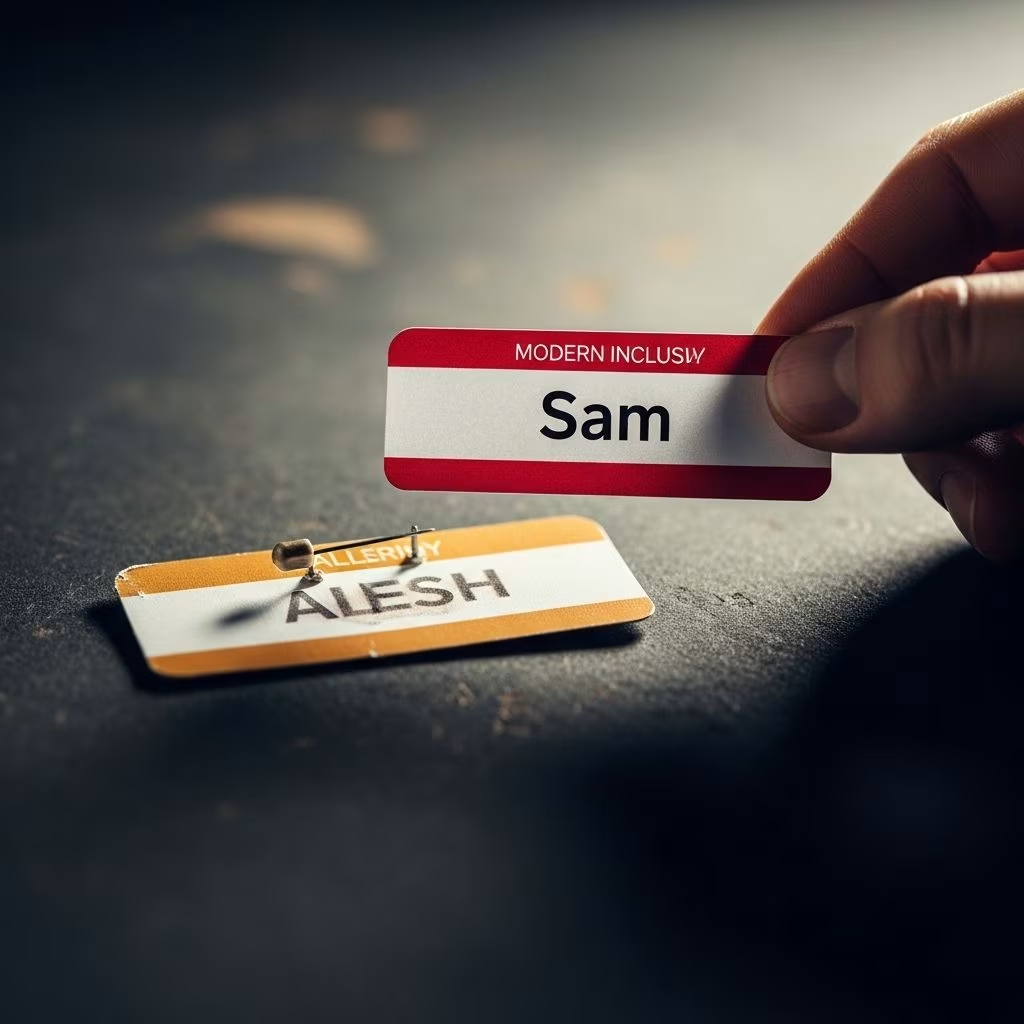
Deadnaming refers to the act of addressing a transgender or non-binary person by the name they were given at birth, rather than the name that affirms their true gender identity. This seemingly simple act can have significant emotional, psychological, and social consequences for transgender and gender nonconforming individuals. In this comprehensive article, we examine what deadnaming is, why it happens, its effects, how to avoid it, and ways individuals and institutions can be supportive allies.
What Is Deadnaming?
Deadnaming is the term used when someone refers to a transgender or non-binary person by their birth name—often called a deadname—which that person no longer uses after transitioning. Many transgender people change their name as part of affirming their gender identity. The new name is a vital part of expressing their true self, while the old name may represent a period of distress or incongruence between their gender identity and outward presentation.
This practice can occur in many settings, including:
- Personal relationships
- The workplace
- Educational institutions
- Legal and medical documents
- Media reporting
Deadnaming may happen by accident, due to habit or lack of awareness; or it can be intentional, stemming from a refusal to acknowledge and respect a person’s stated identity.
Why Do People Find Deadnaming Harmful?
A name is deeply connected to identity. For transgender people, using their chosen name acknowledges and affirms their gender. Being called by a deadname disregards this affirmation, and can have a profound negative impact:
- Emotional Pain: Many report feeling hurt, disrespected, or invisible when addressed by a deadname.
- Invalidation: Deadnaming conveys the message that a person’s identity is not being seen or honored. This may be received as a denial of their transition and authentic self.
- Triggering Past Trauma: For many, their deadname evokes experiences of dysphoria or a period where they could not express their authentic self. Hearing or seeing their deadname can reactivate distress.
- Gender Dysphoria: Deadnaming can worsen gender dysphoria—the psychological distress caused by an incongruence between one’s gender identity and assigned sex at birth.
- Outing and Safety Risks: In some cases, deadnaming can unintentionally or deliberately expose someone’s transgender status, putting them at risk for discrimination, harassment, or violence.
How Does Deadnaming Affect Mental Health?
Research indicates that having one’s chosen name respected reduces anxiety, depression, and suicide risk among transgender and non-binary people. Conversely, continued use of a deadname—even inadvertently—can be deeply distressing and harmful to mental health.
| Factor | Positive Outcome (Choosing Name) | Negative Outcome (Deadnaming) |
|---|---|---|
| Mental Health | Lower depression & anxiety rates | Increased dysphoria, depression, anxiety |
| Identity Validation | Feeling seen & recognized | Feeling rejected & invisible |
| Safety | Reduced risk of outing | Risk of unintended outing, discrimination |
| Suicidality risk | Significantly decreased risk | Increased risk |
Deadnaming, regardless of intent, is therefore more than a simple mistake; it carries powerful psychological implications and can impact a person’s well-being and sense of safety in their environment.
How and Why Does Deadnaming Happen?
There are a variety of reasons why deadnaming may occur:
- Accidental: Friends, family, or colleagues may slip out of habit, especially in the early stages of a person’s transition.
- Lack of Awareness: Not knowing someone has changed their name, or not being familiar with the importance of chosen names in transgender identity.
- Administrative Barriers: Official documents (such as IDs, diplomas, or payroll records) may not have been updated, making deadnaming more likely in institutional settings.
- Intentional Deadnaming: In some cases, deadnaming is deliberate, weaponized to deny or invalidate a person’s gender identity.
Situations where deadnaming is more likely include:
- Government-issued identification or records
- School records and diplomas
- Medical and insurance forms
- Workplace systems (email, payroll, security IDs)
- Media articles and publications
Legal and Institutional Challenges
Changing one’s name on legal documents can be a lengthy, costly, and bureaucratic process. Some jurisdictions have made it easier for transgender individuals to amend their records, but many barriers remain, including fees, restrictive laws, and administrative resistance. For published authors, academics, or creators, past works may remain indexed under a deadname, complicating professional recognition.
Examples of Deadnaming
Deadnaming can occur in a range of real-life situations. Here are some examples:
- A teacher addressing a student by their previous name in the classroom, even after being informed of their chosen name.
- An employer using an employee’s deadname in company directories or email addresses.
- A news report referencing a transgender person’s old name, either in the byline or article body.
- Medical staff calling a patient by their deadname, due to outdated records, despite a known transition.
Sometimes, people may not realize they are deadnaming, particularly when talking about someone’s life before their transition, or when referencing records that haven’t been updated. However, even inadvertent occurrences can still cause harm.
Addressing Deadnaming: What Should You Do?
Everyone makes mistakes, especially when adapting to changes. But if you accidentally deadname someone, it’s key to:
- Acknowledge the mistake promptly
- Apologize sincerely and succinctly
- Use their correct name moving forward
- Avoid making the person responsible for your feelings of embarrassment
Most people appreciate a quick, genuine correction rather than a lengthy explanation. Over-apologizing centers your feelings rather than respecting theirs.
If you witness someone being deadnamed, you can help by gently correcting the person or offering support to the individual who was deadnamed. Allies can play an important role in establishing norms of respect and inclusion. If you witness intentional deadnaming, it’s important to speak up and support your transgender peer.
If You Have Been Deadnamed
Being deadnamed can be disorienting and distressing. Here are some tips for coping:
- Take a moment for self-care. Remind yourself that your identity is valid.
- Decide if and how you want to engage. You’re not obligated to educate or comfort others about their mistake, especially if it is emotionally exhausting.
- If you feel safe, remind the person of your chosen name.
- Reach out for support from friends, family, or a counselor familiar with transgender issues.
- Consider asking workplaces, schools, or other institutions to update your records and reinforce name-use policies.
How Institutions Can Reduce Deadnaming
Organizations, schools, and workplaces can help prevent deadnaming by developing respectful policies and updating their systems:
- Allow chosen names and pronouns in all internal systems, records, and communications
- Provide easy, confidential processes to update names and gender markers
- Train staff on the importance of respecting names and pronouns
- Update printed and digital materials to reflect chosen names
- Develop clear procedures for correcting mistakes
Some jurisdictions and educational institutions have begun to mandate that records reflect students’ affirmed names—even without a legal name change. These steps reduce deadnaming, foster inclusion, and create safer environments for transgender and gender nonconforming people.
Understanding Challenges in Addressing Deadnaming
There are situations—especially in legal, historical, or archival contexts—where deadnaming can be particularly complex. For instance:
- Academic or creative work published under a deadname may be difficult to update.
- Historical or biographical records may need to connect past and present names for clarity, especially in research or public understanding.
In such cases, care should always be taken to use the person’s current name as the primary identifier, mentioning the deadname only when it is absolutely necessary for accuracy or context, and ideally with the person’s consent.
Practical Tips: How to Avoid Deadnaming
- Make a conscious effort to use someone’s correct name and pronouns.
- Update your contacts and records immediately after learning about a name change.
- Proactively ask for people’s names and pronouns when meeting new individuals.
- Support institutional policies that allow easy updates to names and gender markers.
- Gently correct yourself and others if a mistake is made.
The Importance of Respecting Chosen Names
For many transgender people, choosing and using their authentic name is an affirming act. Respecting someone’s chosen name is a basic act of dignity and inclusivity. It helps create a world where everyone can live as their true selves—without fear, shame, or marginalization.
Frequently Asked Questions (FAQs)
What if I accidentally use someone’s deadname?
Briefly apologize, correct yourself, and use their chosen name. Over-apologizing can sometimes make the situation uncomfortable; focus on moving forward respectfully.
Is deadnaming considered discrimination?
Repeated or intentional deadnaming may be considered harassment or discrimination, especially in workplaces and institutions. Many organizations have policies to address this behavior.
Is it ever appropriate to use a deadname?
In rare cases—such as for identification in official documents, research, or historical context—it may be necessary, but always prioritize the individual’s comfort and consent. Avoid public or unnecessary use unless essential for clarity, and always explain the context.
How can I support someone who has been deadnamed?
Offer support and solidarity: listen, ask how you can help, and use their correct name. Stand up for them if you witness others using their deadname, and respect their boundaries regarding the situation.
What should institutions do if records can’t be changed immediately?
At a minimum, front-facing systems (like badges, directories, and classroom rosters) should use chosen names, even if legal paperwork is pending. Communicate clearly with the affected individual about timelines and support.
Resources for Further Support
- Transgender advocacy groups and hotlines
- LGBTQ+ community centers
- Mental health professionals experienced with gender issues
- Institutional diversity and inclusion offices
Understanding deadnaming and its impact is an important step toward creating environments where transgender and non-binary people can thrive. By using and respecting people’s chosen names, we foster greater dignity, reduce harm, and demonstrate true allyship.


