


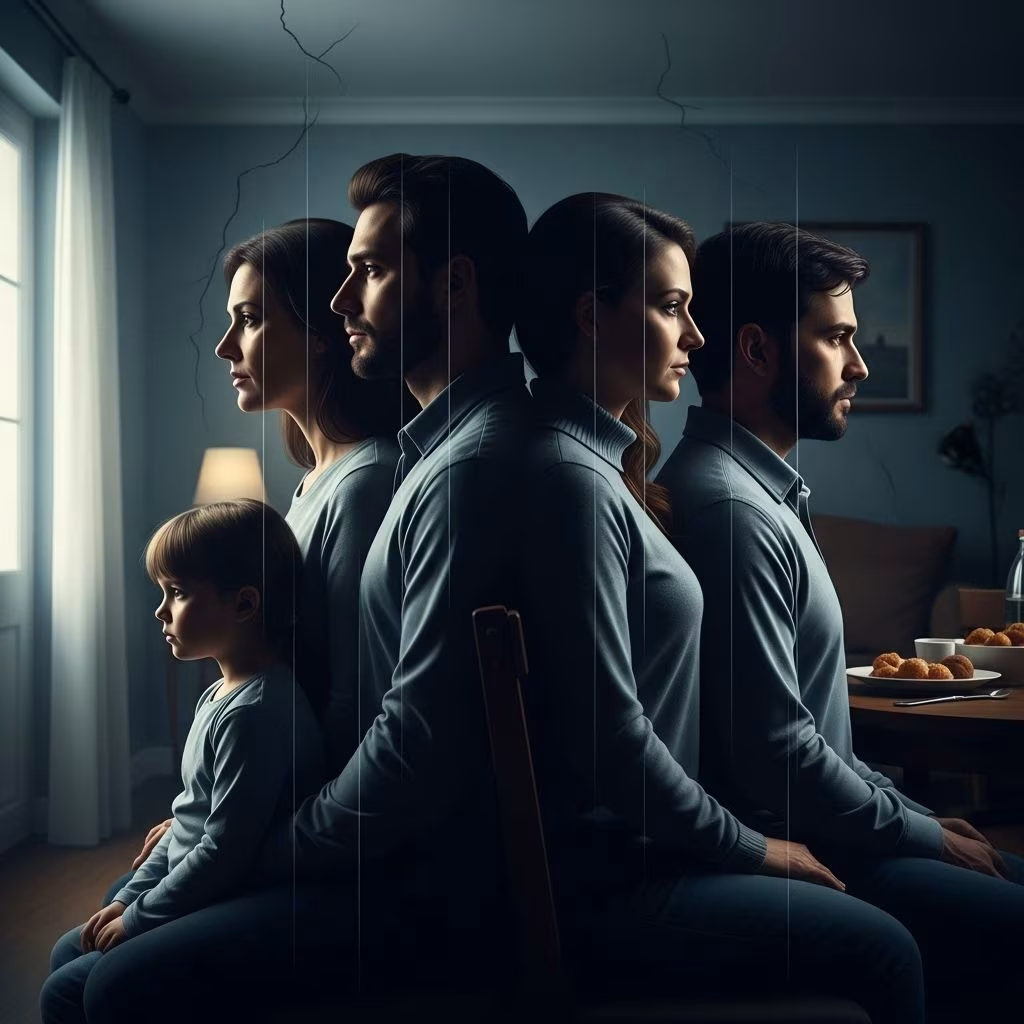
What Is a Dysfunctional Family?
A dysfunctional family is defined as a family unit characterized by unhealthy communication patterns, chronic conflict, unpredictability, or unhealthy behaviors that negatively impact the well-being and growth of its members. Unlike occasional family problems, persistent dysfunction in families erodes trust, security, and emotional stability, often leading to lasting effects on children and adults alike.
Key Characteristics of Dysfunctional Families
Dysfunctional families exhibit a variety of challenging dynamics. These traits frequently interact, creating ongoing cycles of distress and maladaptive coping for everyone involved.
- Poor or Ineffective Communication: Family members struggle to express feelings openly, fail to listen, rely on indirect or passive-aggressive communication, or avoid talking altogether.
- Lack of Empathy: Emotional support is missing; members may feel unloved or misunderstood due to constant criticism or emotional detachment.
- Unpredictable or Chaotic Environment: Daily life is marked by instability, such as inconsistent rules, mood swings, and uncertainty around behavior.
- Excessive Criticism: Children and other family members face frequent, often unfair negative evaluation, fostering low self-esteem and chronic self-doubt.
- Power Struggles and Control Issues: One or more family members may exert excessive control, while others have little autonomy, leading to ongoing conflict and manipulation.
- Neglect or Over-Involvement: Some families fail to provide needed attention, warmth, and supervision, while others become excessively intrusive, denying privacy and individual growth.
- Favoritism and Comparisons: Certain children or members are favored, compared, or scapegoated, generating resentment and divisiveness.
- Boundary Problems: Boundaries may be too rigid (emotional distance, secrets) or too weak (enmeshment, over-sharing, blurred roles).
- Denial and Avoidance: Problems are routinely denied, minimized, or ignored rather than addressed and resolved.
- Emotional or Physical Unsafety: The household may feel emotionally unsafe, with members fearing judgment or punishment for expressing needs, or physically unsafe due to abuse or neglect.
Common Roles in Dysfunctional Families
To cope with ongoing dysfunction, family members may unconsciously adopt specific roles. These roles can become deeply ingrained and follow individuals into adulthood:
- The Enabler (Caretaker): Attempts to maintain family stability, often by cleaning up messes or denying problems, especially in cases of addiction.
- The Scapegoat (Troublemaker): Receives blame for family issues; may rebel or act out in response to being targeted.
- The Lost Child: Withdraws and seeks seclusion to escape family turmoil, often becoming invisible within the family system.
- The Mascot (Family Clown): Uses humor or distractions to defuse tension and hide pain, masking the reality of dysfunction.
- The Hero (Golden Child): Strives for perfection and success to compensate for family problems and earn approval.
Table: Dysfunctional Family Roles and Their Effects
| Role | Typical Behavior | Potential Effects |
|---|---|---|
| The Enabler | Denies problems, helps the family “keep up appearances” | Difficulty setting boundaries, co-dependency |
| The Scapegoat | Gets blamed for problems, acts out, rebels | Poor self-worth, struggles with authority, high risk behaviors |
| The Lost Child | Withdraws, avoids conflict, is quiet/invisible | Social anxiety, isolation, trouble expressing needs |
| The Mascot | Jokes, distracts to relieve tension | Fear of conflict, avoids addressing emotions directly |
| The Hero | High achieving, perfectionistic, responsible | Anxiety, fear of failure, difficulty relaxing |
How Dysfunctional Families Form
Dysfunctional patterns can begin with unresolved trauma, mental illness, addiction, or learned behaviors passed from one generation to another. Parents might struggle with their own emotional regulation, repeat unhealthy patterns from their childhood, or face chronic stressors (like poverty or discrimination) that overwhelm their coping skills. Sometimes, dysfunction develops as an adaptation to external crises or losses, with roles solidified as survival strategies.
Types of Dysfunctional Families
- Authoritarian Families: Strict rules enforced through fear, with little warmth or flexibility.
- Neglectful Families: Physical and/or emotional needs are unmet.
- Enmeshed Families: Blurred boundaries, when children’s identities are intertwined with parents, limiting independence.
- Chaotic Families: Unpredictable, with inconsistent boundaries, rules, and emotional responses.
- Substance-Abusing Families: Family life revolves around addiction, secrecy, and denial are common.
Effects of Growing Up in a Dysfunctional Family
Children from dysfunctional families may accumulate emotional, mental, and behavioral scars. These impacts often manifest during childhood and can dramatically shape adult life unless healing occurs.
- Social Isolation or Loneliness: Children may avoid social interactions, fearing judgment or rejection due to low self-worth or trust issues.
- Mental Health Challenges: Higher rates of depression, anxiety, PTSD, or other psychological issues are common.
- Low Self-Esteem: Constant criticism and manipulation lead to poor self-image and chronic self-doubt.
- Difficulty Expressing Thoughts/Feelings: Having learned to suppress emotions, adult children of dysfunction may struggle to articulate or even identify their feelings.
- Challenges in Building Relationships: Unhealthy attachment patterns can disrupt friendships, romantic, or workplace interactions.
- Heightened Stress Response: Chronic activation of the “fight or flight” mechanism, resulting in irritability, hypervigilance, or emotional numbness.
- Behavioral Problems: Increased risk-taking, aggression, or compulsive behaviors as attempts to cope.
Adult Children: Lasting Effects and Traits
Many adults who grew up in dysfunctional families discover lingering traits or recurring problems linked to their upbringing. Recognizing these patterns can be an important first step in breaking the cycle and achieving personal growth:
- Difficulty trusting others or setting healthy boundaries
- Fear of abandonment or intimacy
- Persistent feelings of shame or guilt
- Tendency toward perfectionism, people-pleasing, or caretaking
- Trouble recognizing or expressing needs
- Self-sabotaging behaviors (procrastination, self-criticism, substance use)
Healthy vs. Dysfunctional Family Comparison
| Healthy Family | Dysfunctional Family |
|---|---|
| Open, direct communication | Poor, indirect, or hurtful communication |
| Balanced involvement and support | Neglect or over-involvement |
| Equality and respect for differences | Favoritism, scapegoating, or comparisons |
| Safe, stable environment | Uncertainty, chaos, or emotional/physical unsafety |
| Unconditional love | Conditional approval, lack of trust or affection |
How to Heal from a Dysfunctional Family
Recovery is possible, especially when individuals commit to developing healthier thought patterns, communication skills, and emotional resilience. Healing usually involves both self-awareness and practical steps:
- Therapy and Counseling: Professional support can address trauma, improve emotional regulation, and provide tools for building healthier relationships.
- Setting Boundaries: Learn to define and assert boundaries to protect your emotional well-being and promote healthy interactions.
- Building a Support System: Develop trusted friendships or join support groups to replace dysfunctional habits with positive connection.
- Self-Education: Read about family dynamics, communication, and codependency to gain insight and practical strategies.
- Mindfulness and Self-Compassion: Practice being present with your emotions without judgment, fostering healing through acceptance.
Frequently Asked Questions (FAQs)
What are some warning signs that my family may be dysfunctional?
If your family experiences chronic conflict, poor communication, lack of emotional support, power struggles, or constant criticism, these may be signs of dysfunction. Other red flags include boundary issues, favoritism, or denial of problems.
Can a family be partially dysfunctional?
Yes, most families have moments or aspects of dysfunction. It becomes a serious concern when unhealthy behaviors are persistent, intense, widespread, and negatively affect members’ emotional health and safety.
What causes a family to become dysfunctional?
Dysfunctional families may result from unaddressed mental illness, addiction, unresolved trauma, unhealthy relationship models from previous generations, or chronic external stressors like financial hardship.
How can I break the cycle of dysfunction?
Personal healing through therapy, learning healthy communication, establishing clear boundaries, and seeking supportive relationships can help you disrupt negative cycles and promote emotional well-being.
Is it possible to repair relationships within a dysfunctional family?
Repair is possible if all parties are willing to acknowledge issues, make changes, and seek support. However, in some cases, protecting your own well-being may require reducing contact or setting firm boundaries with especially toxic family members.
Key Takeaways
- Dysfunctional families have lasting effects but understanding patterns is the first step toward healing.
- Common roles—such as enabler, scapegoat, lost child, mascot, and hero—help family members cope with stress but can hinder healthy development.
- Awareness, support, and building healthier relationship skills are vital steps to personal recovery and breaking the cycle for future generations.
References
- https://www.lovetoknow.com/life/relationships/10-unhealthy-characteristics-dysfunctional-family
- https://www.beachhouserehabcenter.com/5-characteristics-of-a-dysfunctional-family/
- https://www.betterhelp.com/advice/family/dysfunctional-family-what-it-is-and-what-its-like-to-grow-up-in-one/
- https://www.livewellwithsharonmartin.com/characteristics-adult-children-of-dysfunctional-families/
- https://screening.mhanational.org/content/my-family-dysfunctional/
- https://www.psychologytoday.com/us/blog/invisible-bruises/202304/5-types-of-dysfunctional-families


