


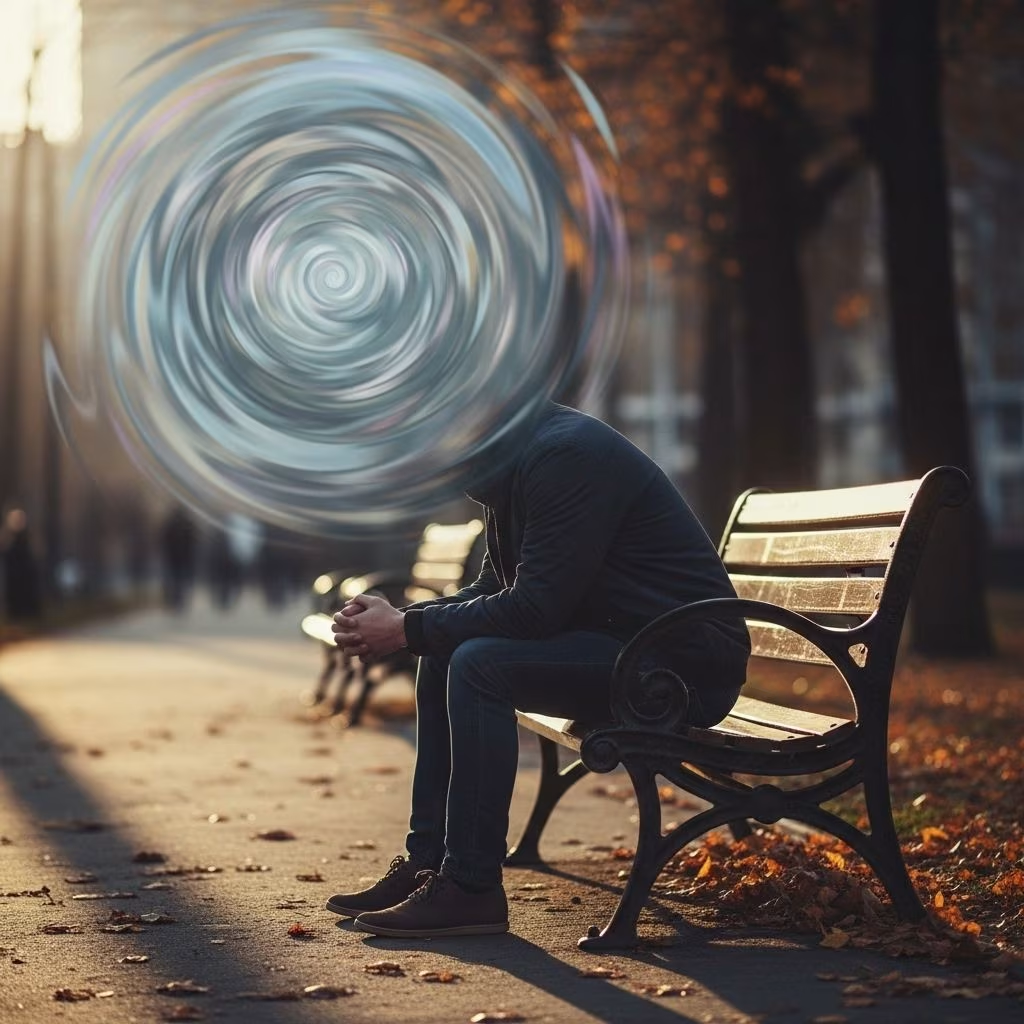
Feeling anxious without understanding the reason why can be distressing and bewildering. For countless people, anxiety isn’t always linked to an obvious stressor. Instead, anxiety can appear suddenly, casting a shadow over daily life and leaving you searching for answers. This comprehensive guide explores potential explanations for unexplained anxiety, examines common symptoms, describes underlying causes and triggers, and provides actionable steps for regaining your sense of calm and control.
What Does It Mean to Feel Anxious for No Reason?
Experiencing anxiety seemingly out of the blue isn’t uncommon. Anxiety is the body’s natural response to stress or potential threats. Sometimes, your mind or body can activate this response even if you can’t consciously identify a direct cause. This reaction can be confusing, especially if you consider yourself to be generally calm or if life seems secure and stable at the moment. Rather than being a sign of weakness, these feelings are a signal from your body that something—physical, emotional, environmental, or psychological—requires attention.
Is It Normal to Feel Anxious Without a Clear Trigger?
Yes. It is entirely normal to occasionally feel anxious without an obvious reason. In fact, anxiety disorders are the most common mental health concern in the United States, affecting millions each year. For some, anxious feelings may arise intermittently; for others, the sensations may feel persistent and overwhelming. The important thing to remember is that you are not alone, and there are clear explanations for why this occurs.
- Anxiety can develop as a learned response, rooted in past experiences or trauma—even if you aren’t immediately aware of their influence.
- Some people have underlying medical or neurological conditions that contribute to anxiety symptoms.
- Genetics, temperament, and ongoing life stress can also play significant roles.
Common Symptoms When You Feel Anxious for No Reason
Anxiety expresses itself through a variety of emotional and physical symptoms. Recognizing these can help you better understand what you’re experiencing. Unexplained anxiety typically manifests as:
- Restlessness or feeling “on edge”
- Difficulty concentrating or thinking clearly
- Racing thoughts and constant worry
- Irritability
- Fatigue or sleep disturbances (like trouble falling or staying asleep)
- Physical tension (muscle aches, headaches, or jaw clenching)
- Heart palpitations or increased heart rate
- Rapid breathing or feeling short of breath
- Gastrointestinal discomfort (such as nausea, stomach pain, or indigestion)
- Sweating, trembling, or shakiness
- A sense of impending doom or panic, even if nothing is obviously wrong
Why Might You Feel Anxious for No Apparent Reason?
Several factors may contribute to anxiety with no clear trigger. Sometimes, the body reacts to cues below your level of conscious awareness, or to factors you might not immediately recognize as stressors. Here are some underlying causes and explanations for unexplained anxiety:
1. Biological and Medical Factors
Certain health conditions and biological processes can result in symptoms of anxiety, including:
- Hormonal changes (such as those associated with thyroid problems, perimenopause, or pregnancy)
- Chronic illnesses or diseases causing prolonged stress on the body
- Withdrawal or side effects from medications, caffeine, or substance use
- Genetic predisposition to anxiety disorders
2. Subtle Triggers
Sometimes, minor or subconscious events can trigger anxiety before your mind fully registers them, such as:
- Minor relationship disagreements
- Workplace pressures or looming deadlines
- Small social slights
- Exposure to negative news or social media content
- Financial worries lingering in the background
3. Accumulated Stress
Even if you don’t feel currently stressed, chronic or low-level stress can build up and suddenly manifest as anxiety, often in seemingly calm moments when your mind finally slows down.
4. High Sensitivity and Temperament
People with a naturally sensitive nervous system or those who tend to be detail-oriented and conscientious may be more prone to feeling anxious, even if external conditions don’t seem particularly threatening.
5. Unprocessed Emotions or Past Trauma
At times, anxiety can be a remnant of earlier life experiences or traumas that haven’t been fully processed. The body and brain can continue to react to certain triggers even if you aren’t consciously aware of them.
6. Sleep Disturbances and Poor Lifestyle Habits
- Inadequate sleep or poor sleep hygiene can lead to irritability and heightened anxiety.
- Lack of physical activity, imbalanced nutrition, and insufficient relaxation can also play a role.
7. Chemical and Brain Structure Variations
Differences in brain chemistry, neurotransmitter function (such as serotonin or dopamine), and structural variations can influence anxious tendencies.
Possible Underlying Conditions
If unexplained anxiety becomes persistent, it may be a sign of an underlying anxiety disorder or another mental health concern. Common conditions associated with anxiety include:
- Generalized Anxiety Disorder (GAD): Chronic, excessive worry about various everyday matters, occurring for months or years.
- Panic Disorder: Recurrent, unexpected panic attacks and ongoing concern about future attacks.
- Social Anxiety Disorder: Intense fear or avoidance of social situations due to worry about embarrassment or judgment.
- Specific Phobias: Severe anxiety related to a particular object or situation.
- Obsessive-Compulsive Disorder (OCD): Repetitive, anxiety-producing thoughts and compulsive behaviors.
- Post-Traumatic Stress Disorder (PTSD): Persistent emotional distress following a traumatic event.
How Anxiety Impacts Your Body and Mind
Unexplained anxiety can have far-reaching effects on both mental and physical health. Over time, chronic stress can:
- Reduce immune system effectiveness
- Interfere with digestion and cause gastrointestinal symptoms
- Contribute to muscle pain and headaches
- Disrupt sleep patterns, resulting in fatigue
- Increase risk for depression and substance use disorders
- Impediment focus, memory, and decision-making
- Harm interpersonal relationships through irritability or avoidance
Practical Steps for Managing Unexplained Anxiety
Though it may feel insurmountable, there are effective, evidence-based ways to reduce unexplained anxiety. Consider the following approaches:
- Self-awareness and Acceptance: Acknowledging your anxiety without self-blame helps reduce shame and isolation. Remember, everyone experiences anxiety at times.
- Mindfulness and Relaxation Techniques: Practices like deep breathing, meditation, and progressive muscle relaxation can calm the nervous system.
- Physical Activity: Regular exercise helps reduce anxiety by releasing endorphins and regulating stress hormones.
- Healthy Lifestyle Habits: Prioritize sleep hygiene, balanced nutrition, and hydration.
- Journaling: Writing down your thoughts and feelings can help identify subtle triggers and patterns.
- Social Connection: Reach out to friends, family, or support groups for comfort and perspective.
- Professional Support: Therapy, especially cognitive-behavioral therapy (CBT), is a proven treatment for anxiety.
- Medication: For some, physicians may recommend medications such as SSRIs or SNRIs, especially when anxiety is severe.
When to Seek Professional Help
If you find that anxiety is interfering with daily functioning, relationships, work, or overall well-being, it’s important to reach out to a qualified mental health professional. Warning signs to look out for include:
- Persistent, excessive worry or fear most days of the week
- Physical symptoms that affect your health or quality of life
- Difficulty handling responsibilities at work, school, or home
- Social withdrawal and avoidance
- Thoughts of self-harm or suicide (in this case, seek immediate help)
Remember: seeking help is a sign of strength, not weakness. With the right support and tools, anxiety can be effectively managed.
Common Treatments for Anxiety
| Treatment | Description | Benefits |
|---|---|---|
| Psychotherapy (CBT) | Talk therapy helping identify and change negative thought patterns | Highly effective, long-term results, teaches coping tools |
| Mindfulness Training | Techniques to focus attention on the present moment | Reduces overthinking, calms the nervous system |
| Medication | Antidepressants (SSRIs, SNRIs), sometimes short-term anti-anxiety meds | Can relieve severe anxiety, often combined with therapy |
| Lifestyle Adjustments | Sleep hygiene, exercise, nutrition, reduced caffeine | Improves physical and mental resilience |
| Support Groups | Peer support and shared experiences | Normalizes anxiety, reduces isolation |
Coping Tips for Managing Sudden Anxiety
- Grounding Techniques: Use your senses to anchor in the present—describe your surroundings, count colors, or hold a comforting object.
- Breathe Slowly and Deeply: Inhale for four counts, hold for four, exhale for four (“box breathing” technique).
- Challenge Catastrophic Thinking: Ask yourself if your fears are realistic or if your mind is making assumptions.
- Practice Self-Compassion: Remind yourself that this feeling is temporary and that you are safe.
- Take a Break from Stimulants: Reduce caffeine, nicotine, and sugar, which can exacerbate anxiety.
- Limit News and Social Media Exposure: Step away from distressing media to give your mind space to reset.
Frequently Asked Questions (FAQs)
Why do I wake up with anxiety even if nothing is wrong?
Many people wake up with anxiety due to physical factors (like low blood sugar), elevated stress hormones in the morning, or unresolved worries from the previous day. Creating a gentle morning routine and practicing mindfulness can help.
Can anxiety happen for no reason?
Anxiety can sometimes feel like it appears out of nowhere, but it often has root causes such as subconscious stress, medical conditions, or cumulative life pressures—even if you can’t easily identify them.
Is it dangerous to feel anxious for no reason?
Feeling anxious itself isn’t dangerous, but if anxiety is persistent or severe, it can negatively affect your health. It’s important to seek support if it interferes with your life or well-being.
What should I do if my anxiety gets worse?
Reach out to a mental health professional, especially if coping strategies at home aren’t helping. Therapy and, in some cases, medication can be very effective.
Do breathing and relaxation exercises really help?
Yes, breathing exercises and relaxation techniques are evidence-based ways to activate the body’s calming response and reduce symptoms of anxiety in the moment.
Key Takeaways
- It’s common to feel anxious for reasons that aren’t immediately obvious.
- Anxiety can be triggered by biological, psychological, or environmental factors, even if you aren’t aware of them.
- Persistent anxiety deserves attention—self-help strategies, lifestyle changes, and professional support are all effective options.
- Reaching out for help is a wise step and can significantly improve quality of life.
If you or someone you know struggles with anxiety, remember that help is available and that you do not have to navigate this journey alone.
References
- https://www.mmm-online.com/home/channel/verywell-mind-issues-mental-health-state-of-the-union-report/
- https://www.mmm-online.com/home/channel/verywell-mind-debuts-immersive-digital-issues/
- https://www.who.int/news-room/fact-sheets/detail/anxiety-disorders
- https://www.healthline.com/health/anxiety
- https://digitalcommons.unomaha.edu/cgi/viewcontent.cgi?article=1179&context=university_honors_program
- https://genesight.com/blog/patient/5-ways-to-manage-anxiety/


