


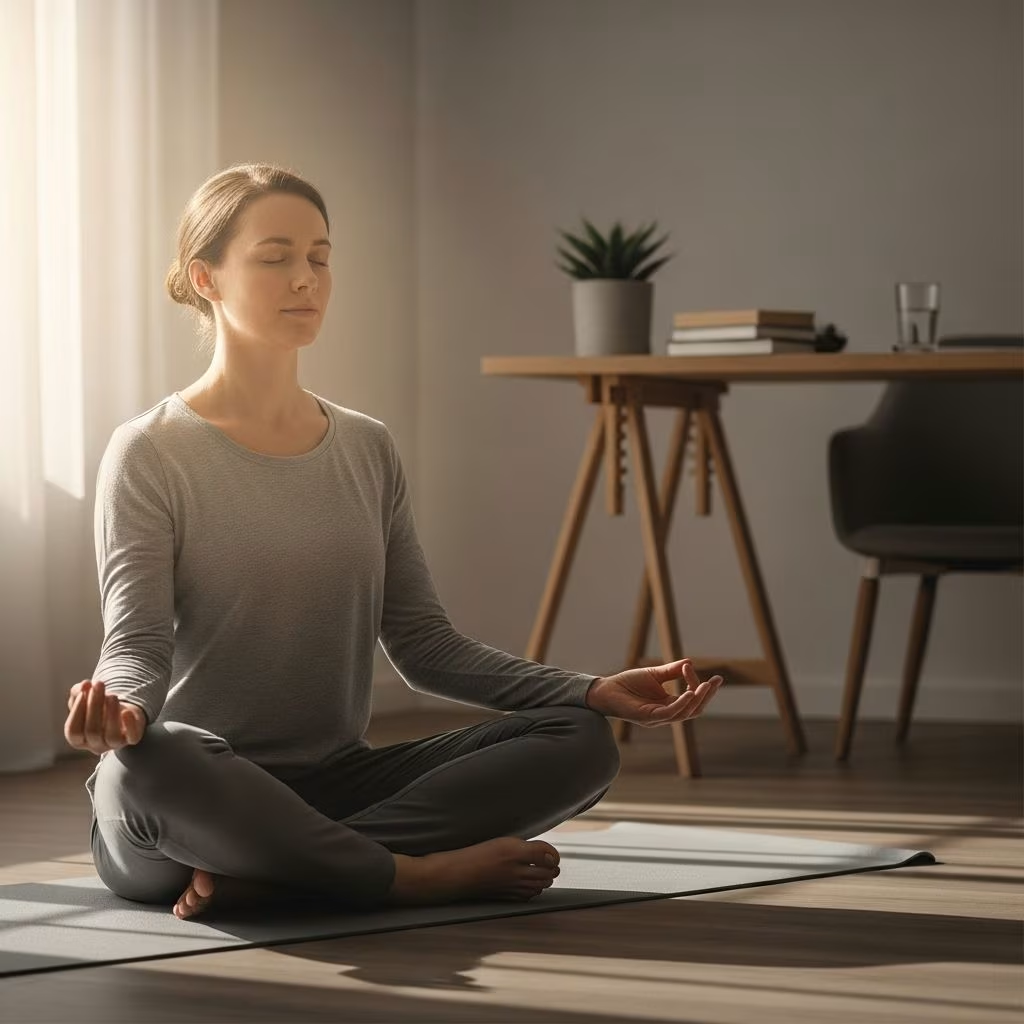
How You Can Practice Self-Regulation Every Day
Self-regulation is a fundamental life skill that allows individuals to control their thoughts, emotions, and behaviors in pursuit of long-term objectives. Mastering self-regulation can empower you to handle stress, build resilience, and sustain healthy relationships, making it invaluable for personal development and overall well-being.
What Is Self-Regulation?
Self-regulation is the process by which individuals monitor, manage, and alter their thoughts, feelings, and actions to achieve their goals and adapt to changing situations. This capacity is central to navigating daily life challenges, overcoming impulsivity, and fostering both personal and professional success.
- Cognitive self-regulation: Planning, focusing, problem-solving, and adapting to new tasks or information.
- Behavioral self-regulation: Managing actions and impulses, controlling habits, and behaving appropriately in different contexts.
- Emotional self-regulation: Understanding and modulating emotional reactions, expressing feelings in balanced ways, and managing emotional triggers.
Each component allows you to align your behavior with your values, long-term goals, and the expectations of the environment around you.
Why Is Self-Regulation Important?
Practicing effective self-regulation isn’t just about resisting temptation or holding back anger. It influences virtually every part of life:
- Academic and professional success: Staying focused, managing time, and following through with plans lead to better performance in school and at work.
- Social relationships: Self-regulation helps you communicate respectfully, anticipate others’ reactions, and resolve conflicts harmoniously.
- Mental health: By controlling negative thinking, stress, and mood swings, you become more resilient and adaptive.
- Physical well-being: Self-regulation supports healthy habits, including regular exercise, good nutrition, and adequate sleep.
Without strong self-regulation, individuals may struggle with impulsive behavior, emotional reactivity, difficulty achieving goals, and disrupted relationships.
How Self-Regulation Works
Self-regulation is a dynamic process involving continuous feedback between your goals, emotions, and actions. It requires:
- Self-awareness: Recognizing your thoughts, feelings, and triggers.
- Goal setting: Clarifying what you want to achieve.
- Self-monitoring: Keeping track of your behavior and progress in relation to your goals.
- Self-correction: Adjusting your actions if you stray from your intended path.
Effective self-regulation is not about suppressing emotions or desires, but about redirecting them in constructive ways. It balances both the inhibition of unhelpful impulses and the initiation of positive behaviors.
Examples of Self-Regulation in Action
- A student resists checking their phone during class to stay focused on the lesson.
- A parent manages frustration during a toddler’s tantrum, responding calmly instead of yelling.
- An employee sets short-term goals to break a large project into manageable tasks.
- Someone feeling anxious about public speaking uses deep breathing to calm their nerves before presenting.
Benefits of Practicing Self-Regulation
- Improved impulse control: Individuals resist distractions and harmful temptations more easily.
- Enhanced emotional stability: Reduces emotional outbursts and promotes positive mood.
- Greater achievement: Goals are reached faster by maintaining motivation and focus.
- Better coping mechanisms: Stress levels decrease by using effective strategies to manage setbacks or disappointments.
- Deeper relationships: Understanding and managing your reactions helps build trust and empathy.
Challenges to Practicing Self-Regulation
Despite its importance, self-regulation can sometimes be difficult to maintain. Common obstacles include:
- Fatigue or stress impairs your ability to think clearly and act in line with your goals.
- Strong emotions such as anger or anxiety make it harder to respond thoughtfully.
- Environmental triggers like high-pressure situations or negative social influences can test your self-control.
- Lack of awareness of one’s own psychological or emotional states.
However, self-regulation is a skill that can be developed with intention and practice.
How to Improve Self-Regulation
Developing better self-regulation is a gradual process, but with consistent practice, anyone can strengthen these skills. Here are actionable steps you can take:
1. Cultivate Self-Awareness
- Reflect on your feelings and behaviors throughout the day.
- Keep a journal to track emotional triggers, responses, and patterns.
- Regularly ask yourself: What am I feeling right now? Why?
2. Clarify Your Goals
- Break down big objectives into specific, actionable steps.
- Define what success looks like for you.
- Set deadlines and measurable outcomes to monitor your progress.
3. Practice Mindfulness and Stress-Reduction Techniques
- Engage in mindfulness meditation to develop present-moment awareness.
- Use deep breathing, progressive muscle relaxation, or visualization during stressful moments.
- Pause before reacting impulsively, creating a buffer between trigger and response.
4. Monitor Your Own Behavior
- Use tools like daily checklists, habit trackers, or reflection prompts.
- Assess your progress regularly. Celebrate your wins, and identify setbacks without self-criticism.
5. Develop Self-Instructions
- Create personal affirmations or reminders (e.g., “I can handle this calmly”).
- Talk yourself through challenging tasks step-by-step.
- Remind yourself why long-term benefits outweigh short-term gratification.
6. Build Healthy Habits Gradually
- Make small changes rather than trying to overhaul your behavior overnight.
- Link new habits to existing routines for better consistency.
- Reward yourself when you maintain positive behaviors.
7. Assert Boundaries and Seek Support When Needed
- Communicate your needs assertively to others.
- Reach out to supportive friends, mentors, or professionals.
- Don’t be afraid to ask for help or accountability.
Key Strategies for Practicing Self-Regulation
| Strategy | Description | Benefit |
|---|---|---|
| Mindfulness | Intentionally focusing on the present moment without judgment. | Reduces automatic reactions and increases emotional awareness. |
| Goal Setting | Breaking tasks into achievable milestones and tracking progress. | Improves motivation and focus. |
| Self-Monitoring | Observing and recording your behaviors, thoughts, and emotions. | Helps identify triggers and patterns for improvement. |
| Self-Instructions | Guiding yourself consciously through steps or using positive self-talk. | Promotes perseverance through challenging tasks. |
| Delayed Gratification | Choosing long-term benefits over immediate rewards. | Fosters discipline and goal attainment. |
| Accountability | Sharing goals with others or tracking progress publicly. | Provides support and external motivation. |
Supporting Self-Regulation in Different Life Domains
Self-regulation applies across contexts, and specific approaches may work better in different areas:
At Home
- Establish routines for meals, chores, and sleep.
- Use visual reminders or checklists to stay organized.
- Encourage open dialogue about emotions and challenges.
At School or Work
- Set dedicated times for focused work or study blocks.
- Minimize distractions with a clean workspace and digital boundaries.
- Break big projects into smaller deliverables with frequent check-ins.
In Social Situations
- Pause before responding during arguments or disagreements.
- Use empathy and perspective-taking to guide your communication.
- Take time-outs when emotions are running high.
Building Self-Regulation in Children and Teens
Children and teenagers develop self-regulation skills over time, shaped by supportive environments and consistent guidance. Parents, educators, and caregivers can help by:
- Modeling effective self-control and emotional management.
- Providing clear structures, expectations, and consequences.
- Teaching problem-solving and coping strategies.
- Encouraging autonomy and self-reflection.
Patience and practice are key, as the ability to regulate oneself grows steadily with age and experience.
Signs of Strong Self-Regulation
- Remaining calm under pressure or in stressful situations.
- Adapting flexibly to unexpected changes or setbacks.
- Respecting boundaries and limits, personally and socially.
- Maintaining positive self-talk and optimism through challenges.
When to Seek Help
While most people can improve self-regulation with practice, sometimes difficulties persist and impact daily functioning. Consider consulting a mental health professional if:
- You have trouble managing strong emotions or behaviors despite repeated effort.
- Reactions often feel uncontrollable or lead to harm in relationships, work, or health.
- Symptoms are associated with other challenges, such as anxiety, depression, or impulsive disorders.
Frequently Asked Questions (FAQs)
What are some quick ways to calm myself when I feel overwhelmed?
Quick self-regulation strategies include deep breathing exercises, stepping outside for fresh air, counting backward from 10, or using positive self-talk to regain composure.
How long does it take to improve self-regulation?
Building stronger self-regulation is an ongoing process. Some people notice improvement within a few weeks of consistent practice, while for others it may take months, especially when changing deeply ingrained patterns.
Is self-regulation the same as self-control?
Although they are related, self-regulation is a broader concept. It includes not only resisting impulses (self-control), but also proactively managing emotions, setting goals, and developing adaptive behaviors.
Can self-regulation be taught?
Yes, self-regulation can be learned and strengthened at any age through practical strategies, supportive environments, and guided practice.
Why do I struggle with self-regulation during stressful times?
Stress can deplete the mental resources needed for self-regulation, making it harder to manage impulses or emotions. Practicing stress-reduction techniques and building habits during calmer periods can make it easier to maintain self-regulation even under pressure.
Conclusion
Self-regulation is a foundational skill that supports personal achievement, emotional well-being, and social harmony. With intention, mindful practice, and the right strategies, anyone can cultivate the ability to think, feel, and act in ways that serve their best interests—one small step at a time.
References
- https://psychology.wfu.edu/self-regulation-theme-definition/
- https://raisingchildren.net.au/toddlers/behaviour/understanding-behaviour/self-regulation
- https://cehs.unl.edu/secd/cognitive-strategy-instruction/self-regulation/
- https://pmc.ncbi.nlm.nih.gov/articles/PMC3056504/
- https://dictionary.apa.org/self-regulation
- https://www.psychologytoday.com/us/blog/anger-in-the-age-entitlement/201110/self-regulation
- https://positivepsychology.com/self-regulation/


