


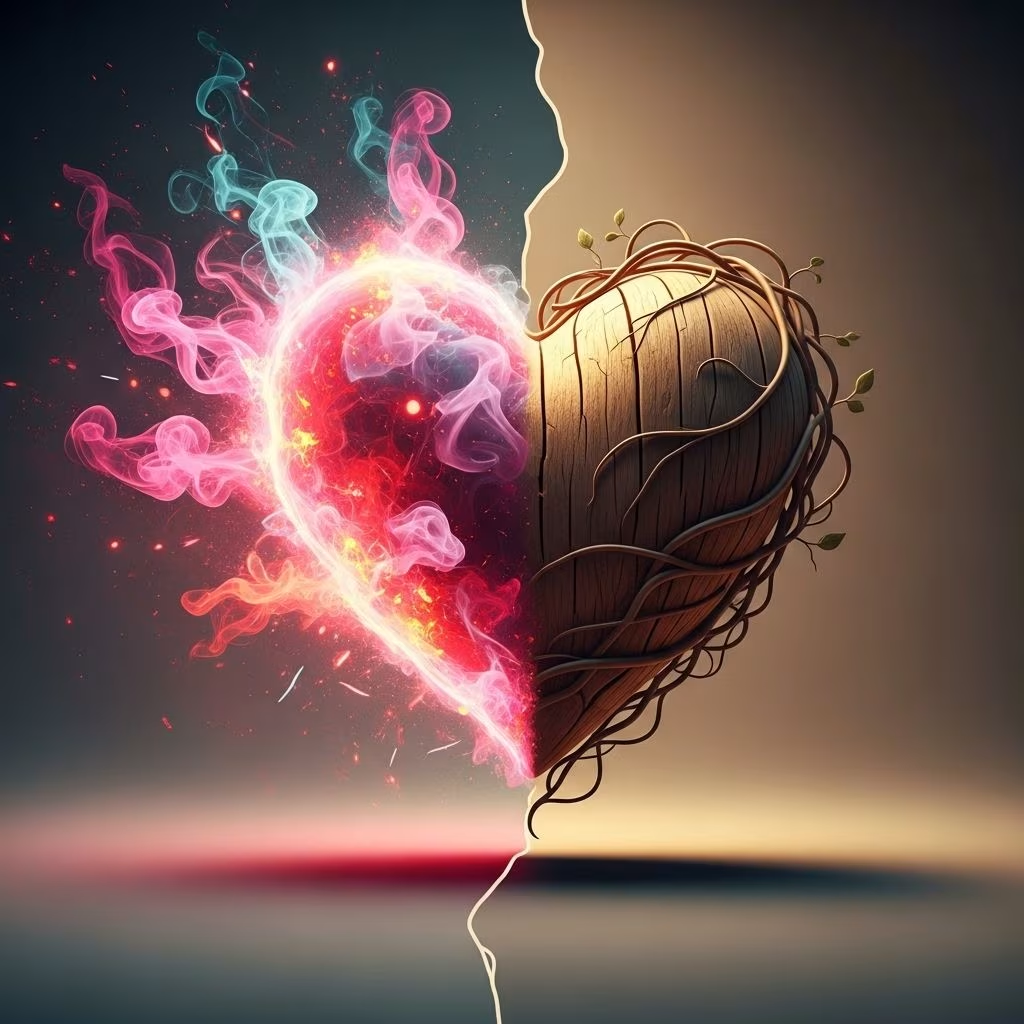
Infatuation vs. Love: Recognizing the True Nature of Your Feelings
Many people find themselves questioning the emotions they experience at the start of a relationship. Is it genuine, enduring love, or is it fleeting, intense infatuation? Understanding these core differences can shape relationship choices, emotional well-being, and future happiness.
What Is Infatuation?
Infatuation is often described as an intense, short-lived passion and attraction toward another person. It typically emerges quickly and is marked by a strong desire, excitement, and idealization of the person involved. The feeling can be overwhelming, sometimes likened to ‘love at first sight,’ but it frequently relies more on fantasy than reality.
- Instant connection: The attraction feels immediate and powerful, often without knowing much about the other person.
- Idealization: You may overlook flaws or red flags, seeing only perfection.
- High emotional intensity: Infatuation can consume your thoughts and energy with the anticipation and longing for the other person.
- Uncertainty and craving: There is a constant desire for attention and reciprocation, which can lead to insecurity.
- Superficial intimacy: Despite feeling deeply connected, knowledge of the other person is often limited to surface-level traits or appearances.
What Is Love?
Love develops over time and is characterized by deep affection, respect, and acceptance of another person’s individuality and imperfections. It forms the foundation of resilient and lasting relationships, building on mutual understanding and shared experiences.
- Acceptance of imperfections: Genuine love acknowledges and embraces the partner’s differences and flaws.
- Emotional stability: Love is less about craving and more about feeling content and secure in the relationship.
- Intimate connection: True love involves knowing the other person deeply, including their vulnerabilities and emotional needs.
- Commitment and growth: Love is a conscious choice, requiring effort, compromise, and support for each other’s growth.
- Long-lasting: Love endures life’s challenges and persists through disagreements or periods of separation.
Major Differences Between Infatuation and Love
| Aspect | Infatuation | Love |
|---|---|---|
| Duration | Short-lived | Long-lasting |
| Basis | Fantasy, idealization | Reality, acceptance |
| Emotional State | High energy, craving, anxiety | Contentment, security |
| Level of Intimacy | Superficial; not knowing true self | Deep; knowing and accepting flaws |
| Commitment | Instant, intense | Grows over time, intentional |
| Focus | Self-centered desire | Mutual support and growth |
| Impact of Disagreements | May cause feelings to fade | Persist through conflict |
10 Ways to Spot Infatuation vs. Love
- Depth of Connection: Love goes beyond the surface; infatuation often remains superficial.
- Response to Flaws: Love accepts imperfections; infatuation may ignore or rationalize them.
- Time Needed: Love takes time to develop; infatuation is often instant.
- Type of Desire: Infatuation is frequently physical or sexual; love can be platonic or familial.
- Consistency: Love endures through ups and downs; infatuation fluctuates with circumstances.
- Selflessness: Love considers the other person’s needs; infatuation is self-centered.
- Growth: Love encourages personal and relational growth; infatuation does not.
- Security: Love feels secure and confident; infatuation is marked by insecurity and doubt.
- Energy Drain: Infatuation can leave you feeling drained; love is refreshing and nurturing.
- Role in Life: Love integrates the person into your life; infatuation keeps them at a distance.
Psychological and Biological Factors
Infatuation is influenced by neurochemical changes such as increased dopamine and norepinephrine, which drive intensity, excitement, and physical symptoms like sweaty palms or a racing heart. These “highs” are temporary and wane as the novelty fades. Love, conversely, involves more stable neurochemical changes, fostering feelings of comfort, empathy, and security over time.
- Infatuation: Dopamine and norepinephrine surge, creating intense excitement.
- Love: Oxytocin and serotonin levels promote bonding, trust, and calm.
Challenges and Risks of Infatuation
While infatuation can be exhilarating, it carries risks when mistaken for love. Idealizing another person may blind you to warning signs, such as incompatible values or unhealthy behaviors.
- Ignoring red flags: Infatuation can lead to neglecting negative traits or abusive patterns.
- Emotional instability: The intense highs of infatuation may be followed by emotional lows when expectations aren’t met.
- Short-lived satisfaction: Infatuation’s intensity fades, potentially leaving the relationship feeling empty.
Benefits and Strengths of Love
Love provides a foundation for long-term relational health and growth. Its benefits extend to emotional resilience, profound intimacy, and mutual support.
- Mutual respect: Genuine love thrives on recognizing each other’s individuality.
- Growth and support: Partners nurture each other’s development and dreams.
- Enduring bond: Love persists in the face of challenges and disagreements.
- Shared future: Commitment to face life’s uncertainties together.
Transitioning from Infatuation to Love
Infatuation can sometimes serve as an entry point to genuine love. When couples move beyond idealization and fantasy, accepting imperfections and committing to growth together, infatuation can mature into deeper, steadier love.
- Embrace reality: Accept and acknowledge differences.
- Celebrate individuality: Value characteristics that make your partner unique.
- Choose commitment: Invest effort to overcome obstacles as a team.
- Build intimacy: Share vulnerabilities and build trust over time.
Why Understanding the Difference Matters
Recognizing whether you are experiencing infatuation or love affects the health and stability of your relationships. Making decisions based on infatuation can result in disappointment or lead to unstable partnerships. Relationships based on authentic love tend to be more satisfying, resilient, and nurturing.
- Healthy boundaries: Prevents entering relationships based on unrealistic ideals.
- Lasting happiness: Reduces risk of heartbreak from temporary passions.
- Informed choices: Encourages sustainable commitment based on compatibility and shared values.
Frequently Asked Questions (FAQ)
How can I tell if my feelings are infatuation or love?
Infatuation feels instant, overwhelming, and often relies on physical attraction and idealization. Love develops over time, involves genuine intimacy, and persists even through challenges or disagreements.
What are some warning signs that I’m experiencing only infatuation?
Warning signs include ignoring red flags, feeling obsessive or anxious about the other person, and not knowing them beneath the surface.
Can infatuation evolve into love?
Yes. If idealization gives way to acceptance, openness, and mutual commitment, the relationship can transition into authentic love.
Is infatuation always harmful?
Not necessarily. Infatuation can be a positive, exciting phase, but problems arise when it is mistaken for love or becomes the sole basis for decisions.
Why should I care about the difference between love and infatuation?
Understanding the distinction helps you build relationships that are healthy, resilient, and fulfilling, while avoiding the potential pitfalls of fleeting passion.
Key Takeaways
- Infatuation is a powerful but fleeting emotional experience fueled by idealization and intense desire.
- Love grows over time, characterized by deep intimacy, acceptance, and an ongoing commitment to mutual growth.
- Recognizing these distinctions enables healthier relationship choices, reducing the likelihood of disappointment and promoting lasting emotional well-being.
References
- Infatuation vs. Love: How to Tell the Difference – PsychCentral
- Infatuation vs Love: Examining Differences – BetterHelp
- True Love VS Crush (Infatuation) – What’s The Difference? – Psych2Go (YouTube)
- 5 Ways to Tell That It’s Love and Not Just Infatuation – Psychology Today


