


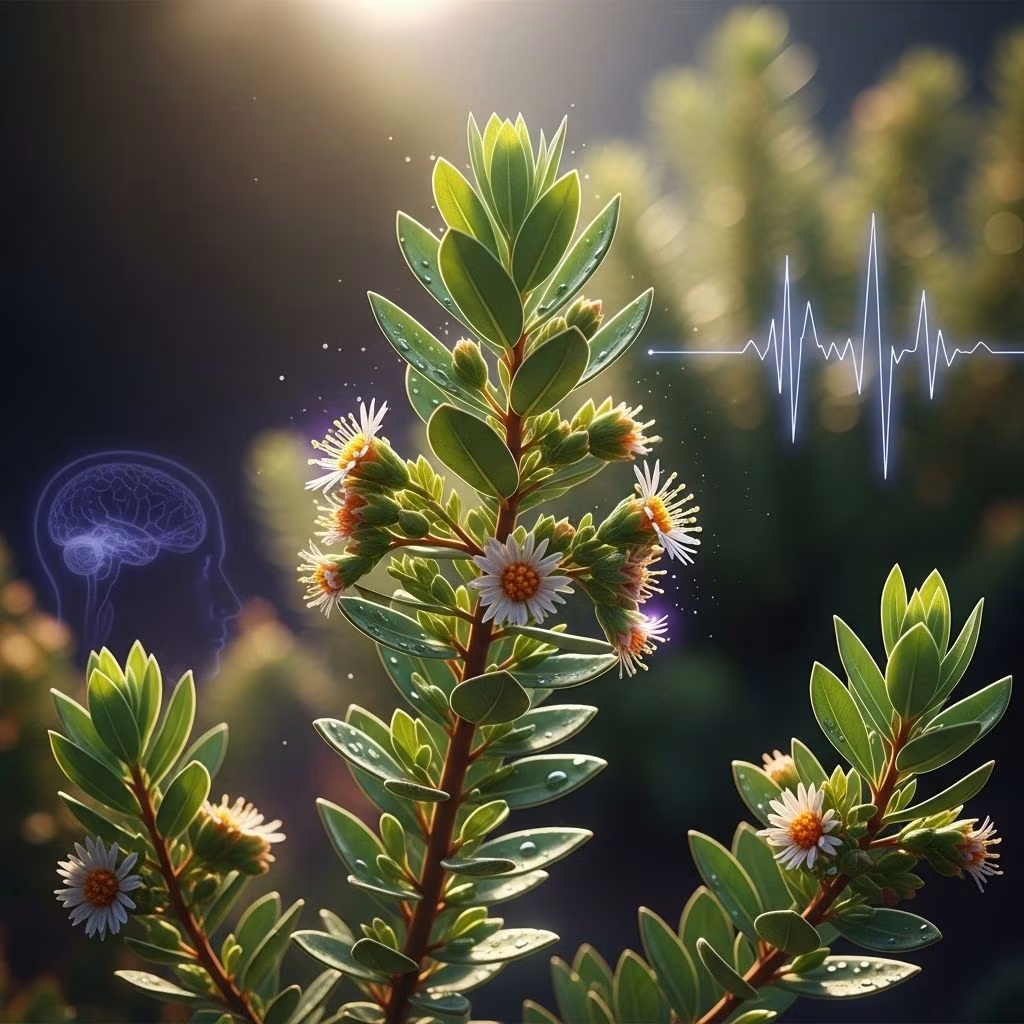
Kanna (Sceletium tortuosum), a resilient succulent native to South Africa, has surged in popularity as a botanical touted for its euphoric, mood-enhancing, and relaxing effects. Some enthusiasts even refer to kanna as ‘nature’s MDMA,’ drawing comparisons with the synthetic empathogen famed for producing feelings of connection and joy. But does kanna genuinely deliver effects comparable to MDMA? How strong is the evidence for its benefits or safety? This comprehensive article explores kanna’s traditional uses, pharmacology, modern applications, scientific research, and the risks consumers need to know.
The Roots of Kanna: Traditional Use and Cultural Significance
Kanna has a long and rich history in South African indigenous cultures, especially among the Khoisan people. For centuries, kanna has been:
- Chewed as a fermented plant material known as kougoed (Afrikaans for ‘chewable thing’) for a calming and mood-lifting effect
- Used in rituals and communal ceremonies—sometimes in conjunction with fasting, rhythmic drumming, and dancing—to induce mild trance states and enhance social bonding
- Consumed to relieve stress, tension, depression, pain, and hunger, serving both medicinal and spiritual purposes
The earliest written account of kanna use dates back to 1662. Traditionally, it was masticated, with saliva swallowed, but it was also smoked, brewed as tea, or used as a snuff. These methods allowed the psychoactive alkaloids in kanna—especially mesembrine and mesembrenone—to act quickly on the body and mind.
How Kanna Works: The Plant’s Psychoactive Chemistry
The psychoactive effects of kanna stem primarily from its group of nitrogen-containing compounds known as mesembrine alkaloids. The main active alkaloids include:
- Mesembrine
- Mesembrenone
- Mesembrenol
- Tortuamine
These alkaloids exert their effects by acting on the brain’s serotonin system:
- Inhibiting the serotonin transporter (SERT)—similar in some respects to selective serotonin reuptake inhibitors (SSRIs)
- Promoting monoamine release by upregulating the vesicular monoamine transporter-2 (VMAT2)
- Inhibiting phosphodiesterase 4 (PDE4), an enzyme linked to inflammation and depression, which has become a focus for psychiatric research
The synergy among kanna’s alkaloids is believed to amplify mood-lifting and relaxing properties while supporting cognitive performance. Some evidence also suggests kanna compounds may inhibit CB1 receptors (implicated in the endocannabinoid system) and acetylcholinesterase.
Why is Kanna Called ‘Nature’s MDMA’?
The nickname ‘nature’s MDMA’ stems from reported similarities between kanna and MDMA (3,4-methylenedioxymethamphetamine, a synthetic empathogen). Both share some overlap in perceived effects:
- Elevated mood and mild euphoria
- Enhanced feelings of empathy, connection, and social openness
- Heightened sensory perception
However, the similarities may be more superficial than deeply pharmacological. Kanna’s effects are considerably milder and distinct from MDMA’s potent, amphetamine-derived stimulation and dopamine release. While heavy doses of kanna may produce significant mood shifts, they do not match MDMA’s ‘rush’ or emotional intensity. Some experts compare the relationship between kanna and MDMA to that between high doses of caffeine and cocaine—suggesting a vast difference in both experience and risk.
Kanna lacks MDMA’s stimulant and pronounced empathogenic qualities, making the comparison primarily anecdotal and a matter of marketing rather than science.
Modern Uses: How People Take Kanna Today
With global interest in herbal and alternative wellness, kanna is now available through various products and ingestion methods:
- Dietary supplements—including capsules, tinctures, and edible gummies, often marketed for stress relief, mood enhancement, or cognitive function
- Extract blends—such as the patented product Zembrin®, which standardizes alkaloid content for consistency
- Dried herb or powder—for making tea, or for smoking (sometimes mixed with cannabis or other herbs)
- Vaporizable extracts and even powder for snuffing (recreational use)
The method of consumption impacts potency and effect:
- Sublingual (under the tongue) delivery (such as tinctures) is the most bioavailable and fastest-acting
- Fermentation is a crucial traditional step—breaking down oxalic acid (which can irritate) and converting alkaloids for greater psychoactivity and safety
- Consuming unfermented or partially fermented kanna is discouraged due to higher irritant content
Products may blend kanna with other botanicals (e.g., Lion’s Mane, amino acids) to enhance intended cognitive or heart-opening effects.
What Does the Science Say? Clinical Research and Evidence
Modern scientific research into kanna remains limited but is growing. The most studied extract is Zembrin® (a standardized, patented kanna extract). Key findings from preliminary human studies include:
- Potential improvements in stress, mood, sleep, and cognitive function—small clinical trials show promise, particularly for short-term mood support
- Few side effects at moderate doses (up to 50 mg of extract)
- Possible benefits for attention, working memory, and stress reduction
However, a meta-analysis of four randomized controlled trials involving 117 adults found no significant difference in anxiety outcomes between kanna and placebo. Evidence does not currently support kanna for treating specific medical indications, and more large-scale, rigorous trials are needed.
Table: Scientific Findings on Kanna’s Effects
| Effect Studied | Reported Research Outcome |
|---|---|
| Mood enhancement | Positive effects in small studies; needs confirmation |
| Stress reduction | Shown benefit in select trials; promising but preliminary |
| Anxiety relief | No significant improvement over placebo (meta-analysis) |
| Cognitive function | Possible memory and attention support; more research needed |
| Side effects | Generally low; rare mild headaches or stomach upset |
Kanna as a Supplement and Recreational Substance
Kanna’s dual appeal as a supplement for well-being and as an all-natural recreational drug has raised questions about its responsible use:
- As a dietary supplement: Commonly marketed for stress, anxiety, fatigue, mental performance, and mood
- As a party drug: Sometimes abused in higher doses or combined with other psychoactive substances (like cannabis or psychoactive mushrooms)
Some products have been adulterated with unrelated stimulants (e.g., hordenine, ephedrine), which carry their own significant health risks. Consumers should purchase from reputable sources and avoid unverified blends.
Safety, Risks, and Interactions
Is kanna safe? When used appropriately, particularly in traditional, fermented forms, kanna appears to have a strong safety profile in most adults. However, as with any psychoactive botanical, some important caveats exist:
- Reported side effects are rare and usually mild—headache, gastrointestinal discomfort, fatigue, drowsiness, difficulty concentrating
- Unfermented kanna should be avoided because of oxalic acid, which can cause irritation or allergic reactions
Major risk: Drug interactions
- Kanna is a serotonin reuptake inhibitor—do not combine with pharmaceutical SSRIs, SNRIs, MAOIs, or other drugs or supplements affecting serotonin (risk of serotonin syndrome, a potentially dangerous condition due to too much serotonin)
- Possible unknown interactions with other psychoactive substances, especially when blended
Adverse events from clinical studies are few, but larger scale safety evaluations are lacking.
Is Kanna Legal? Global and U.S. Status
Kanna is legal in most regions when prepared or sold as a traditional herbal supplement. It is not classified as a controlled substance in the United States. One key exception exists:
- Louisiana specifically bans the sale and use of plant materials in the Mesembryanthemum genus (including kanna)
Globally, regulations are mostly permissive, but consumers should check their local laws. Kanna’s growing use has prompted some governments to review its status, particularly as demand pressures wild populations.
Preparation, Dosage, and Quality
There is no universally accepted safe or effective dose for kanna. Most commercially available extracts (including Zembrin) are standardized to specific alkaloid concentrations for consistency. Traditional and modern usage typically involves:
- Chewing or holding fermented material under the tongue
- Extracts/Capsules: Commonly 8–50 mg of standardized extract per day in studies
- Tea or smoking: Less common outside recreational use; dosage is harder to standardize
As with any supplement, start with the lowest possible dose and increase cautiously. Products should be sourced from reputable vendors to minimize contamination or adulteration.
How Does Kanna Compare to SSRIs and MDMA?
| Feature | Kanna (S. tortuosum) | MDMA (Ecstasy) | SSRIs (e.g., fluoxetine) |
|---|---|---|---|
| Primary action | Serotonin transporter inhibition; PDE4 inhibition; alkaloid synergy | Massive serotonin, dopamine, and norepinephrine release | Serotonin transporter inhibition |
| Legal status | Legal herbal supplement (except Louisiana, USA) | Controlled substance | Prescription medication |
| Empathogenic effects | Mild to moderate; often subtle | Strong—intense feelings of empathy and connection | None to minimal |
| Side effects | Few, mild; rare risk of serotonin syndrome with other drugs | Possible toxicity, depression/crash, neurotoxicity | Nausea, sexual dysfunction, weight gain, insomnia |
| Psychedelic properties | Mild/mood-altering, not classical psychedelic | Not a true psychedelic—acts as an entactogen | None |
| Traditional history | Centuries of use in South Africa | Developed and synthesized in early 20th century | Modern pharmaceutical |
Frequently Asked Questions (FAQs)
Q: Is kanna actually similar to MDMA?
A: Kanna shares some empathogenic (“heart-opening”) effects with MDMA, but its impact is far milder and does not produce intense euphoria or stimulation. The similarity is more anecdotal than pharmacological.
Q: Can kanna be used to treat depression or anxiety?
A: While laboratory research and small studies suggest kanna may lift mood and reduce stress, current clinical trials have not shown a significant effect for anxiety. More research is needed before it can be recommended for medical treatment.
Q: Is kanna legal to purchase in the United States?
A: Yes, kanna is legal in all U.S. states except Louisiana, where the plant’s genus is banned. It is neither a controlled substance nor scheduled federally.
Q: How is kanna traditionally consumed?
A: Traditionally, kanna is fermented and then chewed, with the plant material held in the mouth or under the tongue. Today, it can be taken as a tincture, capsule, tea, or by smoking the dried herb.
Q: What are the main safety concerns with kanna?
A: Most side effects are mild, but significant caution is required when combining kanna with prescription antidepressants or other substances that act on serotonin, due to the risk of serotonin syndrome.
Takeaway
Kanna is a fascinating indigenous plant that bridges ancient tradition and modern wellness trends. Its unique alkaloids hold promise for mood, stress, and cognitive enhancement, but current scientific evidence stops short of confirming the enthusiastic claims made by those marketing it as ‘nature’s MDMA.’ Kanna is generally safe when fermented and used responsibly, but like all supplements acting on the serotonin system, it should be approached with informed caution and respect for its potency and interactions.
References
- https://www.acslab.com/wellness/what-is-kanna-natures-mdma
- https://www.opss.org/article/kanna-uses-and-safety-dietary-supplements
- https://en.wikipedia.org/wiki/Mesembryanthemum_tortuosum
- https://pmc.ncbi.nlm.nih.gov/articles/PMC8124331/
- https://pmc.ncbi.nlm.nih.gov/articles/PMC4329884/
- https://www.webmd.com/vitamins/ai/ingredientmono-1259/sceletium


