


Living in the Present: Why Mindfulness Matters
The concept of living in the present, often referred to as mindfulness or present-moment awareness, is about paying intentional attention to what is happening right now — not being consumed by regrets about the past or anxieties over the future. Modern research links this way of living to greater emotional well-being, reduced stress, and improved resilience. Yet, achieving presence in a culture of constant distraction and endless multitasking can be challenging. This article explores the meaning, benefits, obstacles, and actionable practices for cultivating a present-focused mindset in everyday life.
What Does It Mean to “Live in the Present”?
To live in the present is to anchor yourself in what is unfolding right now, accepting your thoughts and feelings without judgment. It means experiencing life fully—attending to the sensations in your body, the activities you are engaged in, and the people around you. Practicing presence not only leads to greater engagement in life, but it also enhances your ability to manage stress, build resilience, and find fulfillment in simple moments.
Why Is Living in the Now Difficult?
- Constant Distractions: Digital notifications, multitasking, and busy schedules keep the mind scattered.
- Attachment to Outcomes: Anticipating future results or longing for what was lost in the past pulls focus away from the present.
- Emotional Habits: Worry, rumination, regret, and anxiety are habitual mental states that shift attention from the current moment.
- Lack of Mindfulness Training: Without regular practice, present-moment awareness tends to weaken.
These challenges are not insurmountable. Mindfulness practices are accessible and can help strengthen your ability to anchor your attention.
Benefits of Present-Moment Awareness
- Reduces Stress: Focusing on the present minimizes chronic worry and rumination.
- Improves Emotional Regulation: Being mindful enables better control over reactions and moods.
- Enhances Relationships: Active listening and presence create deeper connections.
- Boosts Cognitive Performance: A focused mind is more effective, creative, and productive.
- Promotes Joy and Fulfillment: Fully experiencing moments leads to greater satisfaction and happiness.
Scientific studies consistently demonstrate that regular mindfulness and present-moment practices strengthen resilience and mental health.
Common Obstacles to Staying Present
The habits and attitudes that prevent present-moment living are often ingrained and unconscious. Recognizing them is the first step toward change.
- Overthinking: Habitual cognitive patterns that replay past events or anticipate future scenarios.
- Multitasking: Dividing attention among many tasks reduces engagement and mindfulness.
- Digital Overload: Frequent interactions with digital devices fragment attention.
- Uncomfortable Emotions: Avoidance of difficult feelings can lead to mental escape from the present.
How to Live in the Present: Practical Strategies
Developing present-moment awareness is much like training a muscle; it requires regular exercise, intention, and patience. Below are actionable steps and exercises that can help you cultivate mindfulness and enrich your day-to-day experience.
1. Set Aside Time for Mindfulness Daily
Dedicate a specific time each day for a mindfulness exercise. This could be during a morning walk, while washing dishes, or even your daily commute. Focus solely on the activity, noticing its sights, sounds, and physical sensations.
Tip: Use recurring cues, such as a daily alarm or routine activity, as triggers to pause and refocus on the moment.
2. Focus on Your Breath
- Mindful Breathing: Bring attention to the sensation of your breath. Notice each inhalation and exhalation.
- 4-7-8 Breathing Technique: Inhale for a count of four, hold for seven, exhale for eight. This centers attention and calms the mind.
Use your breath as an anchor any time you feel distracted, anxious, or overwhelmed.
3. Engage Your Five Senses
- Sight: Observe colors, shapes, and movement around you.
- Sound: Listen for nearby and distant sounds, without labeling or judging.
- Smell: Notice fragrances or scents, as subtle or strong as they may be.
- Taste: Savor the flavor and texture of food and drinks.
- Touch: Pay attention to physical sensations—pressure, temperature, textures, and movement.
Taking moments to experience your senses intentionally brings awareness back to now.
4. Minimize Distractions
Distractions—from smartphones to background noise—fracture our attention. Practice minimizing distractions by:
- Turning off non-essential digital notifications.
- Establishing “technology-free” periods for focused activity or rest.
- Creating a simple, uncluttered environment free of excess stimulation.
5. Practice Active Listening
In conversations, focus your attention entirely on the person you’re speaking with. Observe their expressions, listen for emotional undertones, and respond thoughtfully. This strengthens relationships and anchors your awareness in the now.
6. Appreciate Transition Moments
Instead of rushing from task to task, pause and take notice of your environment. Observe the weather when you step outside; feel the air in an elevator; acknowledge the feeling of arriving home after a long day. These micro-moments support mindfulness.
- Ask yourself: What do I see, hear, or feel now?
- Set gentle reminders to pause and notice transitions throughout your day.
7. Develop Yoga and Movement Practices
Yoga and mindful movement combine physical activity with intentional awareness of the body and breath. Even simple stretches or walking can be done mindfully, directing full attention to the sensation of movement and breath.
| Movement Practice | Mindfulness Focus |
|---|---|
| Yoga | Breath, posture, sensation |
| Walking Meditation | Movement, surroundings, steps |
| Stretching | Muscle tensions, release |
8. Cultivate a Meditation Practice
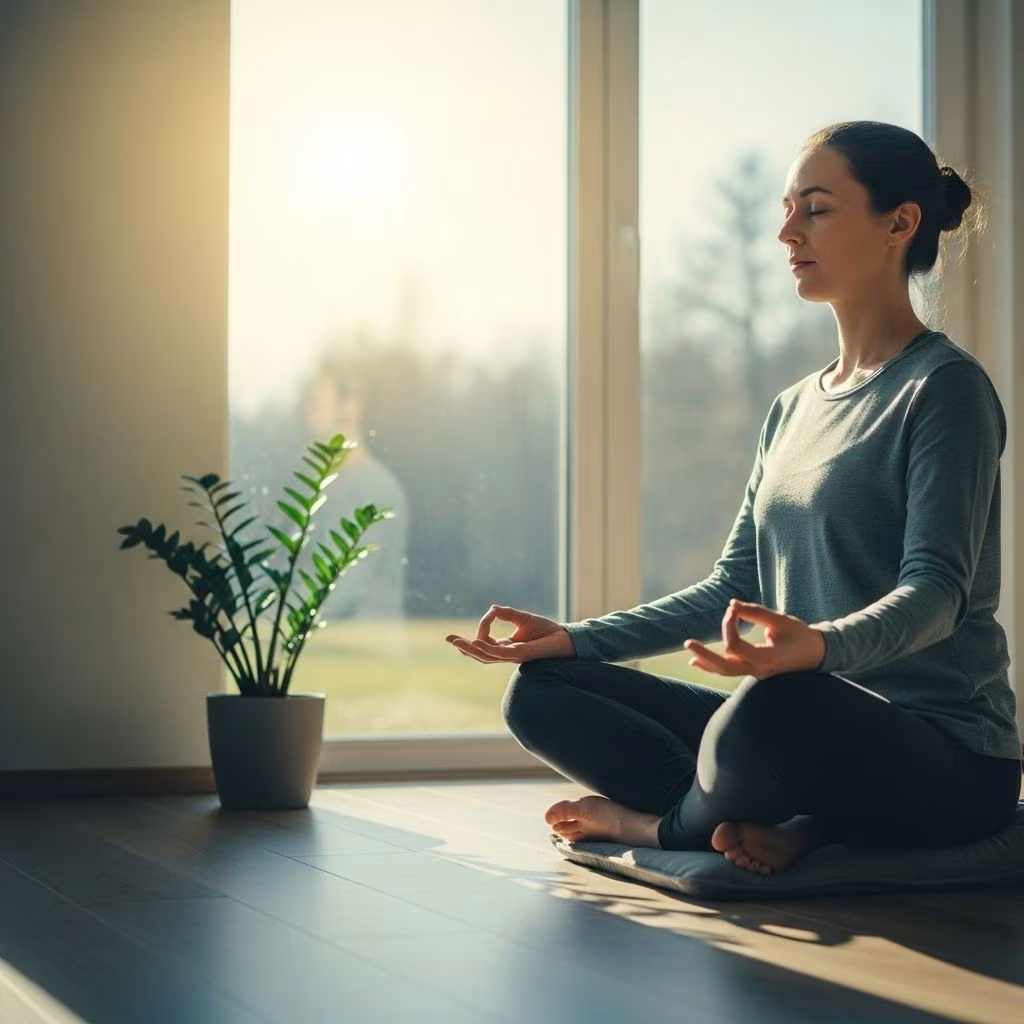
Mindfulness meditation trains the mind to observe thoughts, emotions, sensations, and the breath without attachment or judgment. A simple meditation involves sitting quietly and focusing on your breath, gently returning attention whenever distractions arise. Over time, this strengthens your capacity to remain calm, aware, and present.
Simple Mindfulness Exercises for Everyday Life
- Body Scan: Spend several minutes paying attention to sensations in each area of the body, from head to toe.
- Mindful Eating: Slow down and savor each bite of food—notice taste, aroma, and texture.
- Nature Immersion: Spend time outside, absorbing sights, sounds, and smells.
- Single Tasking: Focus entirely on one task before moving to the next.
- Gratitude Reflection: At the end of each day, name three things you appreciated in the moment.
These brief exercises, practiced intentionally, add up and reinforce your ability to live with presence.
Dealing With Overthinking and Worry
One of the primary obstacles to presence is excessive thinking—about the past or future. Strategies for counteracting overthinking include:
- Recognizing when your mind has wandered and gently returning attention to the present.
- Practicing acceptance of thoughts and emotions, releasing the need to control or suppress them.
- Using breath or sensory anchors to refocus attention.
Gradually, regular mindfulness makes it easier to notice mental spirals and to let go, reducing anxiety and rumination.
Overcoming Technology-Driven Distraction
Modern technology offers many benefits but can also fragment our focus. Strategies for minimizing tech-driven distraction and staying present include:
- Restricting phone and device use to designated times.
- Checking notifications and messages in batches, rather than constantly.
- Using physical cues (such as leaving the device in another room) to remain focused on the task or person at hand.
Frequently Asked Questions (FAQs)
Q: Does mindfulness need to be practiced for long periods?
A: No. Even a few minutes daily strengthens present-moment awareness. The key is regularity and intention rather than duration.
Q: How can I tell if I’m living in the present?
A: Living in the present typically feels calm, clear, and focused. You notice details of your environment, experience emotions fully, and respond thoughtfully rather than react impulsively.
Q: What should I do when I get distracted?
A: Distraction is normal. The practice of mindfulness is simply noticing distraction without judgment and gently returning attention to the present moment.
Q: Is mindfulness religious?
A: Mindfulness has roots in various contemplative traditions but is practiced today in a secular, evidence-based way in therapy, medicine, and wellness. Anyone can benefit regardless of beliefs.
Q: Can children or teens practice present-moment awareness?
A: Yes, with age-appropriate exercises. Mindful breathing, sensory games, and nature activities help cultivate awareness in young people.
Tips for Integrating Mindfulness Into Everyday Routines
- Start with Small Steps: Add brief moments of mindfulness into daily routines (e.g., mindful wakeup, eating, commuting).
- Use Reminders: Physical objects (like a bracelet) or smartphone alarms can cue you to pause and check in with the present.
- Track Your Progress: Journaling or using mindfulness apps can help reinforce regularity.
- Build Community: Sharing mindfulness with friends or family increases accountability and enjoyment.
Conclusion: Embracing the Present Thoroughly
Living in the present is a skill anyone can learn and deepen with regular practice. Through simple mindfulness activities—attending to your breath, senses, movements, and connections—you can cultivate greater clarity, peace, and fulfillment, one moment at a time. In a fast-paced world, these practices are vital for mental well-being, personal growth, and building lasting happiness.
References
- https://www.headspace.com/articles/7-ways-to-be-present
- https://www.calm.com/blog/present-moment-awareness
- https://mindfulstoic.net/how-to-stay-in-the-present-moment/
- https://www.mindful.org/a-10-minute-practice-to-fully-experience-the-present/
- https://honehq.com/resources/blog/stay-present-5-mindfulness-exercises-to-keep-you-grounded/
- https://tinybuddha.com/blog/30-simple-mindfulness-practices-to-help-you-focus-and-be-present/
- https://positivepsychology.com/mindfulness-exercises-techniques-activities/


