


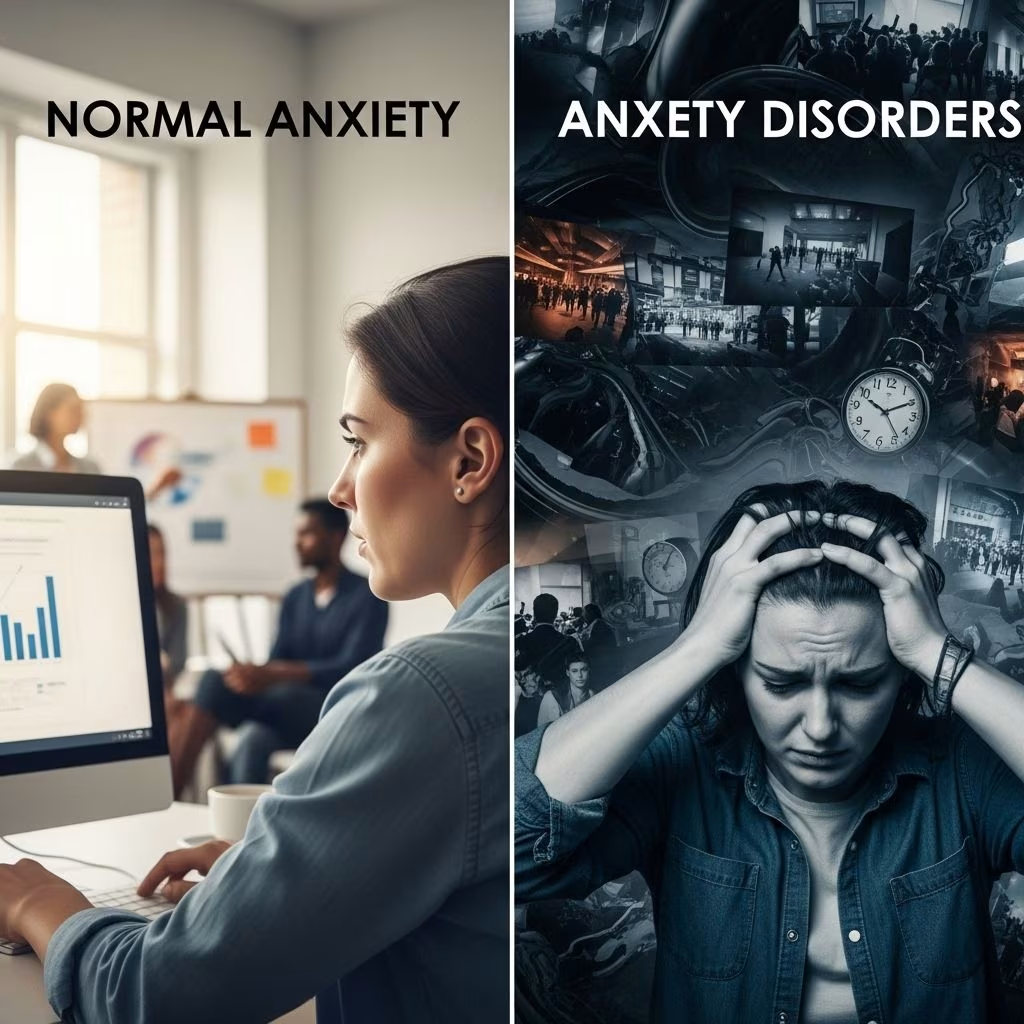
Everyone experiences anxiety from time to time. It’s a natural, normal reaction to life’s challenges—whether it’s a looming deadline, an important interview, or a major life transition. But when does everyday anxiety become something more serious? Understanding the critical differences between normal anxiety and an anxiety disorder is essential for maintaining your mental health and knowing when to seek support.
What Is Normal Anxiety?
Normal anxiety is part of your body’s natural response to stress and uncertainty. It can serve as a helpful alert system—keeping you cautious in dangerous situations, motivating you to prepare for challenges, and sometimes even boosting your performance. Occasional anxiety can arise with specific events or life changes and usually fades once the situation is resolved.
- Triggered by specific situations: Examples include feeling nervous before a major exam, job interview, or public speaking event.
- Short duration: These feelings of nervousness or worry usually go away once the stressful situation passes.
- Manageable symptoms: Symptoms are mild to moderate, such as butterflies in the stomach, racing thoughts, or slight sleep disruption.
Normal anxiety is generally proportional to the situation and does not significantly impair daily life or relationships.
When Does Anxiety Become a Disorder?
An anxiety disorder refers to persistent, excessive, or irrational feelings of fear or anxiety that interfere with normal functioning. Unlike regular anxiety, these feelings do not go away after a stressor is removed—and may even arise without a clear cause. Anxiety disorders are among the most common mental health conditions, affecting millions of people worldwide. They can take on many forms, each with its own symptoms and patterns.
- Chronic or persistent: The anxiety lingers for at least six months and is often difficult to control.
- Out of proportion: The worry or fear is exaggerated or unreasonable given the situation—or may emerge in the absence of any real threat.
- Interferes with daily life: Anxiety impacts work, school, relationships, or routine activities in a significant way.
- Physical symptoms may be pronounced: Including insomnia, muscle tension, rapid heartbeat, shortness of breath, or gastrointestinal distress.
- Avoidance behaviors: Individuals may begin to avoid people, places, or situations to prevent triggering the anxiety, even if it impairs their functioning.
If anxiety consistently disrupts your ability to live a full and meaningful life, it may be time to explore whether you’re dealing with an anxiety disorder.
Key Differences: Normal Anxiety vs. Anxiety Disorder
| Normal Anxiety | Anxiety Disorder |
|---|---|
| Short-lived, linked to a specific event (e.g., job interview, upcoming exam) | Chronic and excessive, may occur without clear reason |
| Resolves after the event passes | Persists for months or longer |
| Does not impair daily activities or relationships | Disrupts work, relationships, and daily life |
| Symptoms are manageable and proportional to the stressor | Symptoms are severe, excessive, and may not match the reality of the situation |
| No significant physical symptoms, or only mild | Often associated with pronounced physical symptoms (e.g., chest pain, panic attacks, fatigue) |
| No avoidance of situations or activities | May cause severe avoidance of daily or social activities |
Types of Anxiety Disorders
Anxiety disorders come in several forms, each with specific symptoms and patterns:
- Generalized Anxiety Disorder (GAD): Characterized by excessive, uncontrollable worry about everyday things—even minor or routine matters. Symptoms include restlessness, fatigue, trouble concentrating, irritability, and sleep problems.
- Panic Disorder: Involves recurrent, sudden panic attacks—intense feelings of terror, physical symptoms like chest pain or heart palpitations, and often a fear of future attacks.
- Social Anxiety Disorder: Persistent fear of social or performance situations, leading to avoidance of interactions or severe self-consciousness and embarrassment.
- Specific Phobias: Intense, irrational fear of a particular object or situation (such as heights, flying, or insects) that prompts avoidance behavior.
- Separation Anxiety Disorder: Extreme fear or anxiety about being separated from home or loved ones, more common in children but can also affect adults.
- Agoraphobia: Fear and avoidance of situations where escape might be difficult—such as being in crowds or traveling in public transport.
Symptoms: Normal Anxiety vs. Anxiety Disorder
Emotional Symptoms
- Normal Anxiety: Brief uneasiness, restlessness, or mild worry, usually connected with a clear stressor.
- Anxiety Disorder: Persistent, excessive fear or dread that is hard to control, often without a clear trigger.
Physical Symptoms
- Normal Anxiety: Mild physical discomfort (e.g., stomach butterflies, sweaty palms, slight headache).
- Anxiety Disorder: Severe muscle tension, headaches, chest pain, trouble breathing, gastrointestinal distress, sleep disturbances.
Behavioral Symptoms
- Normal Anxiety: May seek reassurance, or mild procrastination when facing a stressor.
- Anxiety Disorder: Complete avoidance of people, places, or activities; compulsive behaviors; inability to complete daily tasks.
Real-Life Examples
- Normal Anxiety: You feel nervous before a flight, but still travel when necessary. The discomfort fades after takeoff.
- Anxiety Disorder: The fear of flying is so intense you can’t go to the airport, causing you to miss important events and feel isolated, even when travel is required for your job or family.
- Normal Anxiety: Worrying about an upcoming test and feeling relief once it’s over.
- Anxiety Disorder: Persistent worry about being harmed, safety, or failure, even when nothing is wrong, often accompanied by physical distress and inability to let go even after the event has passed.
What Causes Anxiety and Anxiety Disorders?
Both normal anxiety and anxiety disorders can stem from a combination of factors, including:
- Genetic predisposition: Family history can increase risk of developing an anxiety disorder.
- Brain chemistry: Imbalances in brain chemicals or neurotransmitters play a role.
- Personality: People with certain personality traits, such as high sensitivity or perfectionism, may be more prone.
- Life experiences: Trauma, abuse, chronic stress, or significant life changes can trigger disorders.
- Stress overload: Prolonged periods of extreme stress, such as job loss or relational issues.
When to Seek Help
Recognizing when your anxiety has crossed from normal into an anxiety disorder can be difficult, but help is available. You should consider seeking professional support if:
- Anxiety feels overwhelming, uncontrollable, or present most days for several months.
- It interferes with your ability to work, study, maintain relationships, or carry out daily routines.
- You start to avoid activities, places, or people you once enjoyed due to fear or worry.
- Physical symptoms like insomnia, muscle aches, or digestive issues are frequent and unexplained by other medical conditions.
- You experience repeated panic attacks or constant dread without obvious triggers.
Early intervention can prevent symptoms from worsening and improve your quality of life. A healthcare provider or mental health professional can offer an accurate diagnosis and recommend an individualized treatment plan.
Tips for Managing Anxiety
Whether you’re experiencing normal anxiety or managing an anxiety disorder, these strategies can help:
- Practice mindfulness: Techniques like meditation, breathing exercises, and progressive muscle relaxation help reduce physical symptoms of anxiety.
- Regular physical activity: Even short walks release endorphins that help improve mood and calm your mind.
- Establish healthy sleep habits: Consistent sleep schedules and relaxing bedtime routines can lessen anxiety.
- Limit caffeine and alcohol: Both can exacerbate anxiety and sleep issues.
- Reach out for support: Talk to friends, family, or a therapist about your worries.
- Break tasks into steps: To avoid overwhelm, tackle one small step at a time.
- Avoid avoidance: Gradually confronting the situations that make you anxious can help reduce fear over time, especially when done with professional guidance.
If these techniques are not enough, professional therapy or medication may be necessary for managing anxiety disorders.
Frequently Asked Questions (FAQs)
How can I tell if my anxiety is normal or a disorder?
Consider the duration (lasting 6 months or more), severity (is it excessive or uncontrollable?), and impact (does it disrupt daily life?). If anxiety is severe or persistent and interferes with normal functioning, it’s best to consult a mental health professional.
Can anxiety disorders be cured?
Anxiety disorders are highly treatable with professional help. While some people make a full recovery, others learn to manage symptoms effectively through a combination of therapy, medication, and self-care strategies.
Is it possible to have both normal anxiety and an anxiety disorder?
Yes. Everyone experiences normal anxiety occasionally, even those with an anxiety disorder. The difference is that for someone with a disorder, the feelings are more intense, frequent, and disruptive.
What types of treatment are available?
Common treatments include cognitive-behavioral therapy (CBT), exposure therapy, medications such as selective serotonin reuptake inhibitors (SSRIs), and mindfulness-based approaches. The choice of treatment depends on the type and severity of the anxiety disorder.
What are some common triggers for anxiety disorders?
Triggers vary widely but often include significant life changes, trauma, stress, health issues, or certain personality traits. Sometimes, symptoms appear without any identifiable trigger.
Final Thoughts
Anxiety is a normal part of life, but it shouldn’t rule your life. Understanding the difference between normal anxiety and an anxiety disorder empowers you to take charge of your mental health, seek support when necessary, and restore your sense of wellbeing. If you suspect your anxiety is more than just an everyday worry, reaching out for help is a strong and positive first step.
References
- https://www.genesispsychiatricsolutions.com/blog/normal-anxiety-vs-anxiety-disorders-understanding-the-difference
- https://www.healthline.com/health/anxiety/anxiety-vs-anxious
- https://www.heretohelp.bc.ca/q-and-a/whats-the-difference-between-anxiety-and-an-anxiety-disorder
- https://www.blinn.edu/counseling-services/pdf/Anxiety.pdf
- https://www.psychiatry.org/patients-families/anxiety-disorders/what-are-anxiety-disorders
- https://www.health.harvard.edu/blog/do-i-have-anxiety-or-worry-whats-the-difference-2018072314303
- https://health.ucdavis.edu/blog/cultivating-health/symptoms-of-anxiety-and-how-to-know-when-you-need-help/2024/08
- https://www.psychiatry.org/patients-families/anxiety-disorders/expert-q-and-a


