


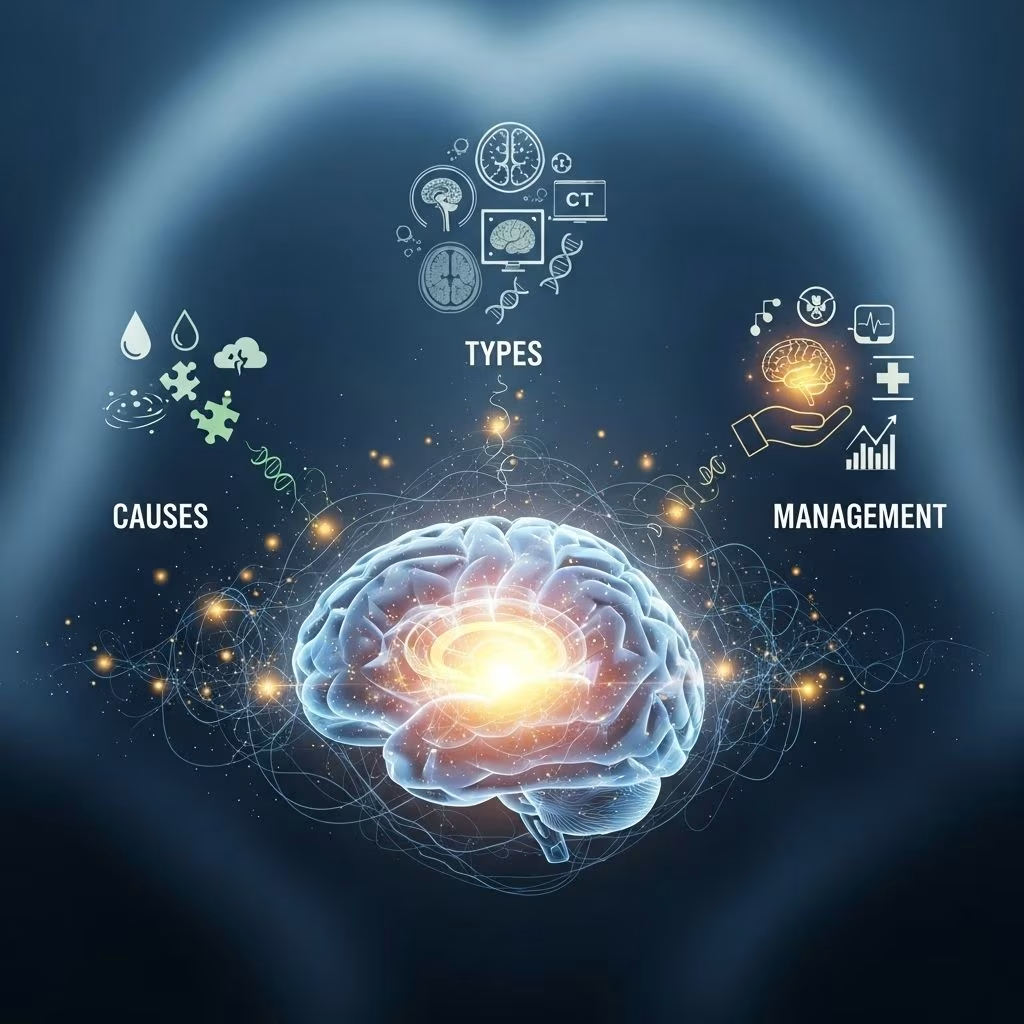
Organic mental disorders, also known as organic brain syndromes or neurocognitive disorders, are conditions in which physical disease or damage to the brain results in impaired mental function. While these disorders can affect individuals of any age, they are particularly prevalent in older adults and can result from a wide range of causes, including injury, illness, or toxic exposures. This article explores the types, symptoms, causes, diagnosis, treatment, and management of organic mental disorders, providing an up-to-date and in-depth look at these complex conditions.
What Are Organic Mental Disorders?
Organic mental disorders (OMDs) encompass a group of psychological or behavioral symptoms directly attributable to disturbances in brain structure or function. They are distinct from psychiatric conditions that lack a clearly identifiable organic cause, such as mood or personality disorders. In clinical settings today, these are more commonly termed neurocognitive disorders, reflecting a broad range of conditions that impact memory, behavior, emotion, and cognition.
- Organic brain syndrome (OBS): An outdated term encompassing acute and chronic conditions resulting from organic brain dysfunction.
- Neurocognitive disorder: The contemporary term for a spectrum of cognitive deficits due to physical brain conditions.
Key Features and Symptoms of Organic Mental Disorders
The core features of organic mental disorders depend on the underlying cause and may vary in severity and presentation. However, certain disturbances are common:
- Memory impairment
- Confusion or disorientation
- Disturbed attention or vigilance
- Changes in personality or behavior
- Impaired judgment or reasoning
- Agitation or restlessness
- Language and communication difficulties
- Perceptual disturbances (hallucinations, delusions)
- Difficulty performing everyday activities
In clinical settings, these symptoms are often mistaken for psychiatric illnesses, making thorough evaluation essential for proper diagnosis.
Types of Organic Mental Disorders
Organic mental disorders can be classified based on presentation, duration, and underlying pathology. The main three categories include:
| Type | Description | Duration & Progression |
|---|---|---|
| Delirium (Acute OMD) | Rapid-onset disturbance in consciousness and cognition, often reversible. | Acute (sudden and short-term); may resolve with treatment of the underlying cause. |
| Dementia (Chronic OMD) | Gradual, progressive decline in cognitive function impacting memory, reasoning, and daily activities. | Chronic (long-lasting or progressive); generally irreversible. |
| Amnestic Syndromes | Severe memory deficits without other major cognitive impairments. | Persistent, may fluctuate or progress. |
Other classifications under the umbrella of organic mental disorders include organic delusional syndrome, organic hallucinosis, organic affective syndrome (with predominant mood changes), and organic personality syndrome.
Delirium
Delirium is characterized by sudden onset of confusion, inattention, fluctuating consciousness, and cognitive disruption. It often results from acute medical issues such as infections, medication toxicity, metabolic disturbances, or withdrawal from substances. Delirium is usually temporary and reversible with prompt identification and treatment of the underlying cause, but if unaddressed, it can lead to severe complications.
Dementia
Dementia involves a gradual and irreversible decline in cognitive abilities, affecting memory, language, problem-solving, and daily functioning. Common causes include Alzheimer’s disease, vascular dementia, Parkinson’s disease, and chronic substance abuse. Dementia is long-term and nearly always progressive, with symptoms worsening over time.
Amnestic Syndromes
Amnestic syndromes feature marked memory impairment without the broader cognitive losses found in dementia or the fluctuating awareness of delirium. A well-known example is Korsakoff syndrome, which can arise from prolonged thiamine deficiency, often seen in chronic alcohol use.
Common Causes of Organic Mental Disorders
Organic mental disorders stem from myriad physical or physiological disruptions of brain function. The leading causes include:
- Traumatic brain injury (TBI)
- Stroke or transient ischemic attacks (TIAs)
- Neurodegenerative diseases (e.g., Alzheimer’s, Parkinson’s disease)
- Infections (e.g., meningitis, encephalitis)
- Metabolic and endocrine disturbances (e.g., low blood sugar, thyroid disorders)
- Hypoxia (lack of oxygen to the brain)
- Toxic exposures (e.g., heavy metals like lead, carbon monoxide poisoning)
- Chronic substance abuse (alcohol, sedatives, drugs)
- Brain tumors or lesions
- Medication side effects or withdrawal
These conditions disrupt normal brain chemistry, structure, or blood flow, impairing cognitive function.
Examples of Conditions Associated with Organic Mental Disorders
- Alcoholism
- Concussion
- Epilepsy
- Fetal alcohol syndrome
- Korsakoff syndrome
- Meningitis
- Parkinson’s disease
- Stroke
- Withdrawal from alcohol or benzodiazepines
- Autism and ADHD (when associated with neurological injury)
Diagnosis of Organic Mental Disorders
Because symptoms of organic mental disorders often overlap with psychiatric illnesses, an accurate and thorough assessment is essential. Diagnosis involves:
- Medical history and symptom review: Detailed exploration of onset, duration, severity, and context.
- Physical and neurological examinations: Identify possible medical or neurological contributors.
- Laboratory tests: Blood tests, urinalysis, and metabolic panels screen for infections, endocrine or metabolic imbalances, and toxin exposures.
- Brain imaging: MRI, CT scan, or other neuroimaging to check for structural changes, lesions, or tumors.
- Specialized assessments: Neuropsychological tests gauge memory, language, perception, and executive function.
- Exclusion of psychiatric causes: Rule out mood, anxiety, or primary psychotic disorders.
Sometimes, additional tests such as lumbar puncture (to check for central nervous system infection) or EEG (to evaluate electrical activity) may be required.
Treatment and Management
Treatment of organic mental disorders focuses on addressing the underlying cause where possible and providing supportive care to maximize function and quality of life. Management strategies include:
- Medical intervention: Treating infections, metabolic or endocrine disorders, or discontinuing offending medications.
- Management of chronic diseases: Ongoing care for neurodegenerative or vascular conditions to slow progression.
- Substance use treatment: Detoxification and rehabilitation for alcohol or drug-induced syndromes.
- Rehabilitation and supportive therapies: Occupational, speech, and cognitive therapy to improve independence and functioning.
- Medications: For symptom control, including antipsychotics (for agitation and hallucinations), antidepressants (for mood symptoms), and cognitive enhancers in specific neurodegenerative conditions.
- Environmental modifications: Making daily routines safer and easier for those affected.
- Psychological and social support: Counseling and education for individuals and families coping with chronic symptoms.
For reversible causes, such as infections or metabolic imbalances, prompt treatment can result in significant improvement or complete resolution of symptoms. In progressive or irreversible cases, palliative approaches and ongoing support become paramount.
Prognosis
The outlook for individuals with organic mental disorders depends on:
- The underlying cause and its treatability
- The speed and effectiveness of intervention
- Extent and duration of brain impairment prior to treatment
Acute cases (e.g., delirium from infection or medication) may resolve completely, while chronic cases (such as dementia) often lead to gradual and irreversible decline.
Prevention of Organic Mental Disorders
While not all causes of organic mental disorders are preventable, certain lifestyle measures and health practices can reduce risk:
- Wear safety equipment to prevent brain injuries
- Control chronic diseases (hypertension, diabetes, cardiovascular conditions)
- Avoid excessive alcohol and drug use
- Minimize exposure to toxins (such as lead and solvents)
- Maintain a healthful diet rich in antioxidants and nutrients
- Engage in regular physical and mental activity
- Seek prompt treatment for infections and acute medical problems
Frequently Asked Questions (FAQs) About Organic Mental Disorders
Q: What distinguishes organic mental disorders from psychiatric illnesses?
A: Organic mental disorders arise from identifiable physical changes or diseases affecting the brain, whereas psychiatric illnesses typically lack a detectable organic pathology and are usually diagnosed through behavioral and psychological evaluation.
Q: Are organic mental disorders hereditary?
A: Most organic mental disorders result from external causes such as injury, disease, or toxic exposure, rather than direct inheritance. However, genetics can predispose individuals to some neurodegenerative diseases, such as Alzheimer’s, which may lead to organic mental disorders.
Q: What is the difference between delirium and dementia?
A: Delirium is acute, fluctuating, and usually reversible once the cause is treated. Dementia involves progressive, irreversible decline in multiple cognitive domains, typically developing slowly over months or years.
Q: Can children develop organic mental disorders?
A: Yes. Children exposed to toxins (such as lead), infections, trauma, or certain metabolic disorders may develop organic mental symptoms. Early interventions are critical to minimize long-term effects.
Q: Is recovery possible?
A: Recovery depends on the cause. Acute cases such as those due to metabolic imbalance, infection, or medication may resolve fully with treatment, while chronic neurodegenerative cases typically involve ongoing, progressive decline.
Q: What can caregivers do to support someone with an organic mental disorder?
A: Providing structure, a safe environment, regular routines, and emotional support are essential. Seek professional guidance for specific behavioral or cognitive challenges.
Conclusion
Organic mental disorders present significant challenges for affected individuals, families, and clinicians, yet increased awareness and advances in medical understanding offer hope for earlier recognition, effective management, and improved quality of life. If you suspect you or a loved one may have an organic mental disorder, seek professional medical evaluation promptly to determine the underlying cause and start appropriate treatment.
References
- https://en.wikipedia.org/wiki/Organic_brain_syndrome
- https://pubmed.ncbi.nlm.nih.gov/6962656/
- https://www.uclahealth.org/news/article/neurocognitive-disorder-more-umbrella-term-than-diagnosis
- http://www.ncbi.nlm.nih.gov/medgen/14510
- https://www.healthline.com/health/neurological-health/organic-brain-syndrome
- https://study.com/academy/lesson/what-are-organic-disorders-definition-examples.html


