


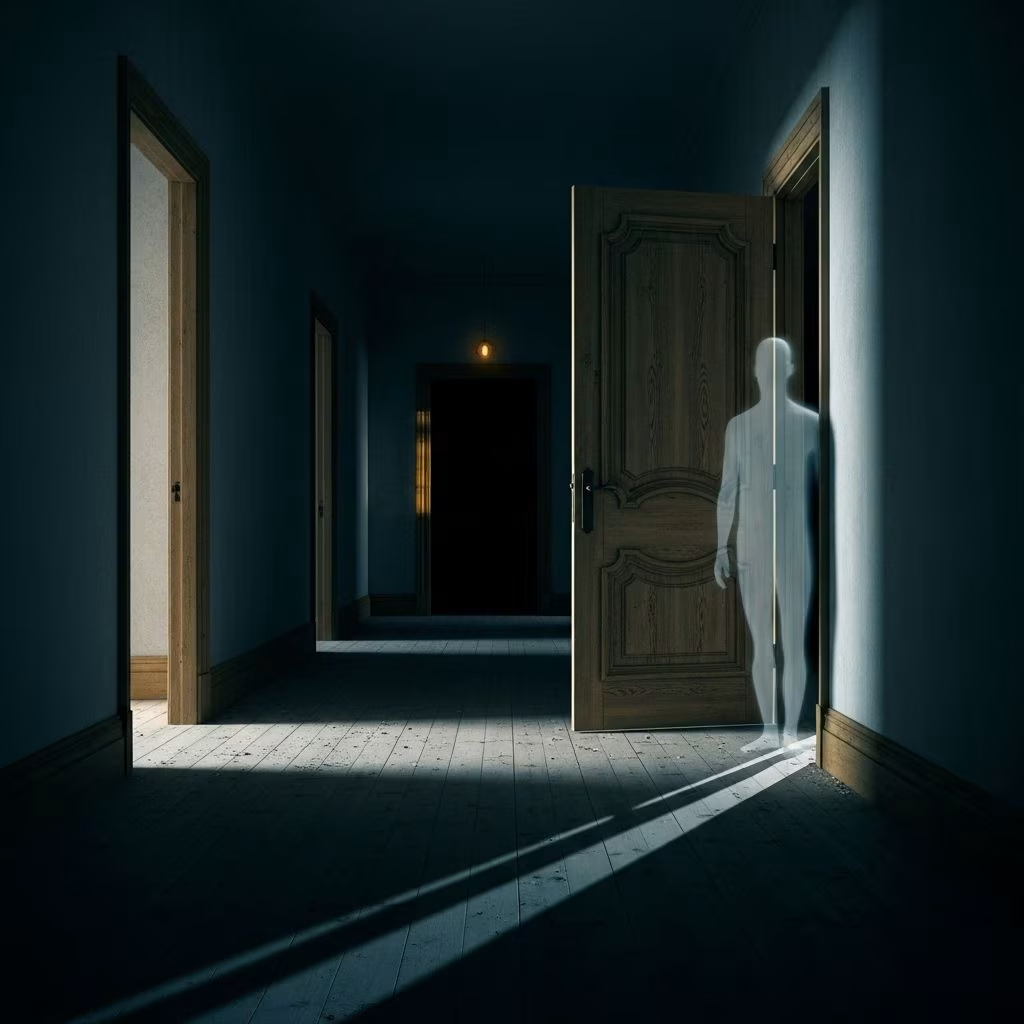
What Is Phasmophobia?
Phasmophobia is a pronounced and persistent fear of ghosts or supernatural entities that can affect both children and adults, though it is most commonly outgrown by the majority of people as they mature. For some, however, this fear endures and may become so overwhelming that it disrupts daily life, leading to avoidance of environments, situations, or even discussions that might trigger thoughts of ghosts or the supernatural.
While it is not specifically listed in the Diagnostic and Statistical Manual of Mental Disorders (DSM-5-TR) as a distinct disorder, phasmophobia would typically fall under the category of a specific phobia if it causes significant distress and impairment in one’s functioning.
How Common Is the Fear of Ghosts?
Fears about the supernatural, especially among children, are very common. Children might fear ghosts, monsters, or the dark, but in most cases, these anxieties dissipate with age. However, for some individuals, the fear can linger into adolescence or adulthood, transforming into a severe fear that meets the criteria for a specific phobia such as phasmophobia.
- Fear of ghosts is often perpetuated by cultural beliefs, stories, or media portrayals of supernatural threats.
- In adults, persistent and severe fear of ghosts is less common, but when it occurs, it can be highly disruptive.
Symptoms of Phasmophobia
Phasmophobia triggers a wide array of physical, psychological, and behavioral symptoms, especially when exposed to situations or cues associated with ghosts or the supernatural. The reaction can range from mild anxiety to severe panic attacks.
Common Physical Symptoms
- Rapid heartbeat or palpitations
- Trembling or shaking
- Shortness of breath or difficulty breathing
- Sweating, nausea, or digestive issues
- Dizziness or fainting
- Headaches or muscle tension
- Increased blood pressure
Psychological and Emotional Symptoms
- Intense anxiety or panic attacks
- Persistent worry about encountering ghosts
- Disturbing images of ghosts or haunted places
- Belief that ghosts pose a real threat or are present nearby
- Distorted thoughts, such as assuming all mysterious noises indicate paranormal activity
- Irritability, mood swings, or frequent crying (especially in children)
Behavioral Symptoms
- Active avoidance of situations or places thought to be haunted
- Refusing to sleep alone or in the dark
- Reluctance to visit certain homes, cemeteries, or dark areas
- Insomnia or disrupted sleep, leading to daytime drowsiness
- Reduced performance in work or school due to fatigue and anxiety
For some, the fear also coexists with other anxieties, like autophobia (fear of being alone), nyctophobia (fear of the dark), or spectrophobia (fear of mirrors or reflections).
What Causes Phasmophobia?
Phasmophobia can originate from a combination of biological, psychological, and social factors. Some of the most common causes and contributing factors include:
- Genetic predisposition: Family history of phobias or anxiety disorders elevates risk due to inherited vulnerability.
- Early childhood experiences: Traumatic events—such as being frightened by stories, pranks, or real events—can cause lasting fear.
- Cultural or religious influences: Myths, folklore, and certain religious beliefs may reinforce fears about ghosts and the supernatural.
- Media exposure: Horror movies, television, books, or news reports that portray ghosts as threatening can intensify fears.
- Comorbidity with other fears: Having other phobias, like fear of the dark or being alone, can make an individual more likely to develop phasmophobia.
- Emotional trauma or loss: Loss of loved ones can lead to vivid imaginings or hallucinations, sometimes reinforcing a fear of spirits or ghosts.
- Anticipatory anxiety: Fear of the unknown or what cannot be seen, often linked to an underlying existential fear or concern about mortality.
Diagnosis of Phasmophobia
There are no laboratory tests for phasmophobia; diagnosis is clinical and relies primarily on patient self-report, symptom history, and behavioral observation.
A mental health professional will look for core signs of specific phobia criteria, including:
- Intense and persistent fear triggered by thoughts of ghosts
- Immediate anxiety or panic response when confronted with triggers
- Active avoidance or extreme distress in anticipated situations
- Marked disruption in personal, work, or social life due to the fear
- Recognition that the fear is irrational (in adults)
Phasmophobia may often go undiagnosed because individuals are reluctant to discuss supernatural fears due to embarrassment or fear of disbelief.
Effects of Phasmophobia on Daily Life
Phasmophobia can severely interfere with daily functioning:
- Sleep disturbances: Insomnia, frequent waking, trouble falling or staying asleep, and fear of the dark can drastically reduce sleep quality and leave sufferers fatigued or irritable during the day.
- Avoidance behaviors: People may avoid sleeping alone, visiting certain places at night, or participating in group activities that might involve scary stories or haunted venues.
- Impaired performance: Chronic anxiety or sleep deprivation may result in poor focus and productivity at work or school.
- Strained relationships: Loved ones may not understand the fear, causing frustration, isolation, or conflict.
- Physical health effects: Long-term anxiety may contribute to headaches, digestive problems, elevated blood pressure, and increased risk for certain medical conditions.
- Social withdrawal: Over time, sufferers might limit social interactions to avoid triggers, which can lead to loneliness and even depression.
Treatment for Phasmophobia
Most people benefit from psychological interventions for phasmophobia, with therapy being the cornerstone of treatment. For many, the fear can be managed or even overcome with the right approach.
Cognitive Behavioral Therapy (CBT)
- CBT helps to challenge and restructure irrational thoughts about ghosts and the supernatural.
- It teaches coping mechanisms and gradual exposure strategies to reduce fear in real-life situations.
Exposure Therapy
- Gradual, controlled exposure to anxiety-provoking situations or cues (like talking about ghosts, pictures, or safe “haunted” settings) helps desensitize a person and reduce avoidance behavior.
Relaxation and Mindfulness Techniques
- Practices such as deep breathing, mindfulness meditation, and progressive muscle relaxation help control anxiety symptoms when triggered.
Medication
- Medication is not usually a first-line treatment but may be considered for severe or comorbid anxiety. Options include selective serotonin reuptake inhibitors (SSRIs) and benzodiazepines in short-term situations under medical supervision.
Other Support Strategies
- Education about the nature of phobias and ghost-related fears
- Support groups, either in-person or online, for sharing experiences and coping strategies
- Encouraging self-care and healthy lifestyle habits
When to Seek Professional Help
While occasional jumpy feelings after a scary story or film are normal, you should consider seeking professional help if:
- Your fear of ghosts is causing significant distress or disrupting your daily routines.
- You notice avoidance of normal activities, such as sleeping alone or socializing.
- Symptoms include intense panic attacks, insomnia, or impacts on work or school.
- Your physical health suffers as a result of anxiety (for instance, frequent headaches, stomach upset, or constant fatigue).
A licensed mental health professional can help assess your symptoms, provide a diagnosis if necessary, and create a personalized treatment plan.
Coping Tips for Phasmophobia
- Limit exposure to scary content: Avoid horror films, TV shows, and reading materials that feature ghosts or supernatural threats.
- Practice good sleep hygiene: Establish a bedtime routine that is calming and avoids frightening activities before bed.
- Use rational self-talk: Remind yourself that phasmophobia is a common and treatable fear, and supernatural threats lack scientific evidence.
- Build a support network: Share your concerns with trusted friends, family, or supportive groups who can offer understanding and reassurance.
- Stay active: Engage in regular physical activity and hobbies that bring joy and distract from anxious thoughts.
- Develop a relaxation routine: Practice relaxation techniques regularly to reduce baseline levels of anxiety.
Phasmophobia in Children vs. Adults
| Aspect | Children | Adults |
|---|---|---|
| Prevalence | Common and often temporary | Less common; more likely to persist if not addressed |
| Triggers | Darkness, stories, movies, playful scares | Past traumas, existential fears, media exposure |
| Symptoms | Crying, sleeping difficulties, bedwetting, clinging to adults | Avoidance, insomnia, anxiety, diminished social/work life |
| Prognosis | Usually resolves over time | Requires intervention if persistent |
Frequently Asked Questions (FAQ)
Is it normal to fear ghosts?
Fearing ghosts is especially common among children. For most people, this fear diminishes with age and maturity. However, when the fear persists and interferes with daily functioning, it may be classified as phasmophobia and warrants attention.
What’s the difference between a normal fear of ghosts and phasmophobia?
Normal fear is usually temporary, proportional, and doesn’t disrupt daily routines. Phasmophobia is persistent, irrational, intense, and leads to avoidance that impacts quality of life.
Can phasmophobia be cured?
Most people experience significant improvement with professional therapy such as CBT and exposure therapy. In children, the fear often resolves naturally with time, reassurance, and avoiding unnecessary reinforcement of supernatural threats.
Does phasmophobia mean I believe in ghosts?
No. Phasmophobia is an anxiety response that doesn’t necessarily reflect a firm belief in ghosts. It originates from psychological and sometimes cultural or personal triggers, not always from spiritual belief.
Should I avoid talking about supernatural topics?
While it’s helpful to limit exposure during periods of severe anxiety, part of therapy may involve gradually and safely discussing or being exposed to these topics to reduce avoidance and desensitize fear responses over time.
Support and Resources
- Mental health professionals: Psychologists, psychiatrists, or counselors trained in anxiety and phobias.
- Support groups: Online or local groups for individuals dealing with similar fears.
- Trusted friends and family: Sharing your concerns can provide perspective and support.
- Educational material: Books and reputable websites about anxiety disorders and phobias.
If you or someone you know struggles with an intense fear of ghosts that interferes with daily life, remember that help is available and recovery is possible with the right support and treatment.
References
- https://www.lybrate.com/topic/phasmophobia
- https://www.fearof.net/fear-of-ghosts-phobia-phasmophobia-or-spectrophobia/
- https://www.medicalnewstoday.com/articles/phasmophobia-2
- https://psychcentral.com/health/phasmophobia-meaning
- https://www.healthline.com/health/mental-health/phasmophobia
- https://www.medicalnewstoday.com/articles/phasmophobia
- https://www.dovemed.com/diseases-conditions/phasmophobia
- https://en.wikipedia.org/wiki/Fear_of_ghosts


