


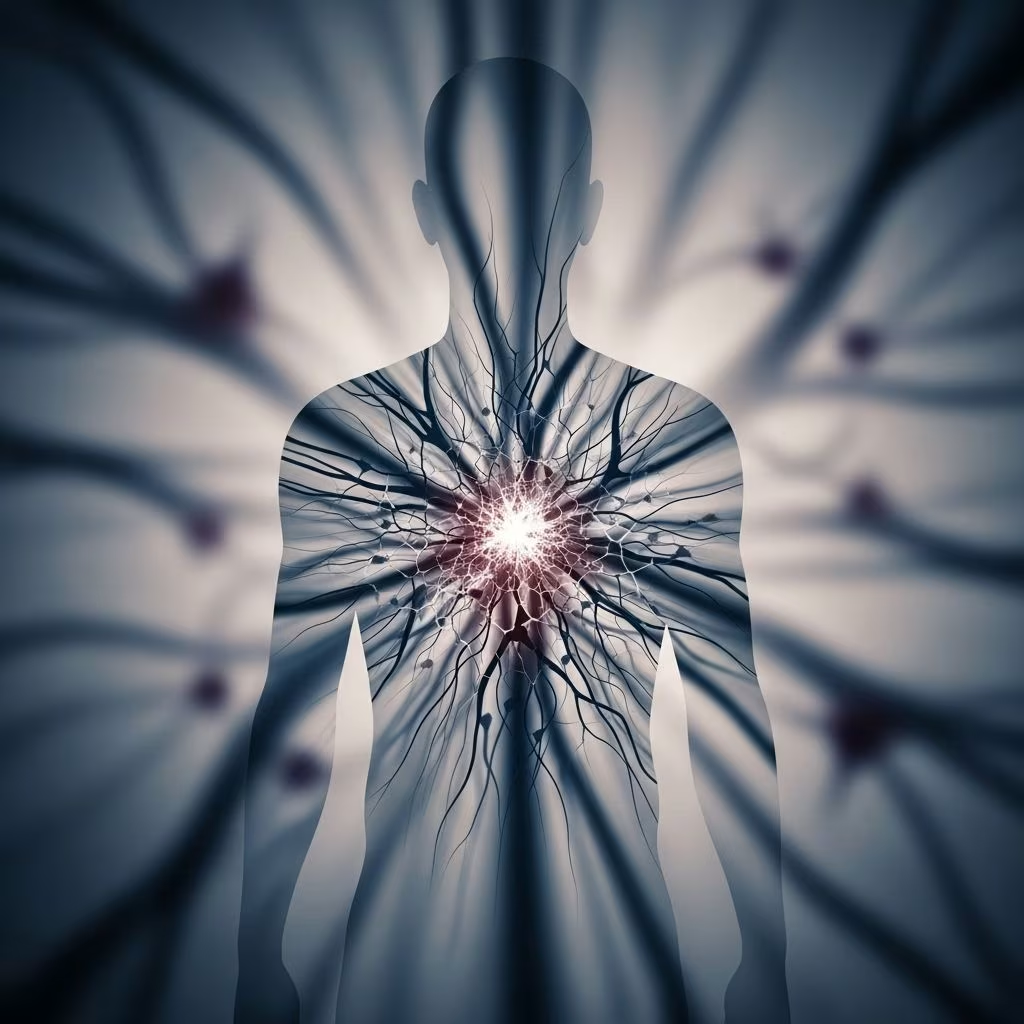
Depression is often described as a state of low mood, emotional numbness, and persistent sadness. However, for many people, the reality of depression extends far beyond emotions—it often manifests in the body as a range of physical symptoms, including chronic pain. Recognizing and understanding these physical aspects is essential for effective diagnosis and treatment.
Physical Symptoms: When Depression Hurts More Than Just Emotions
While most people are familiar with the emotional or psychological symptoms of depression, such as hopelessness or feelings of worthlessness, fewer realize that depression can be experienced in the body as real pain. In some cases, these physical symptoms may be the very first, or even the only, signs noticed by someone struggling with depression.
- Muscle aches and joint pain: Persistent discomfort that has no clear physical cause.
- Back pain: Ongoing pain often reported even in the absence of an obvious injury.
- Headaches: More frequent or severe headaches, including worsened migraines.
- Digestive problems: Stomach pain, nausea, diarrhea, or constipation.
- Chest pain: Can accompany panic or anxiety, but is also reported in depression.
- Exhaustion and fatigue: Feeling drained or physically “heavy” no matter how much rest is taken.
- Changes in appetite and weight: Loss of appetite or increased food cravings, often leading to noticeable weight changes.
- Insomnia or hypersomnia: Difficulty falling asleep, staying asleep, waking too early, or sleeping too much.
- Dizziness or lightheadedness: Unexplained episodes that persist.
For some, these symptoms are so prominent that they overshadow the “classic” emotional symptoms and may delay a correct diagnosis for years.
Why Depression and Pain Are Connected
Decades ago, experts perceived the link between depression and pain as mostly psychological—the idea that chronic pain lowers mood, or that depression makes people more sensitive to normal aches. Today, both clinical practice and research have uncovered far deeper connections.
The Brain-Body Connection
Several brain regions and nervous system pathways involved in processing mood also process physical sensations, including pain. Notably, the somatosensory cortex—which helps recognize sensations—interacts closely with regions that regulate emotion, such as the amygdala, hypothalamus, and anterior cingulate gyrus.
In depression, these circuits can become dysregulated, making pain more intense or persistent. People with depression often experience longer-lasting, more severe pain than those without mood disorders.
Shared Neurotransmitters: Serotonin and Norepinephrine
Serotonin and norepinephrine are chemical messengers in the brain known to affect both mood and perception of pain. When the balance of these neurotransmitters is disturbed—a hallmark of depression—it can cause both emotional and physical distress.
This means that depression and pain can fuel one another in a vicious cycle. Chronic pain can deepen depression, while worsening depression intensifies physical symptoms.
How Physical Symptoms Complicate Diagnosis
Physical symptoms like pain, fatigue, or digestive issues often lead people to seek help, but many consult only medical doctors. Because the aches seem unrelated to mental health, both patients and doctors may overlook depression as the root cause, especially if emotional symptoms are mild or not expressed.
Research reveals that a significant percentage of those seeking help for depression in general medical settings report only physical complaints. If the underlying mood disorder goes unrecognized, treatment tends to focus on managing these symptoms one at a time—without addressing the core problem.
Other Physical Effects of Depression
- Sleep disturbances: Depression often disrupts the body’s sleep-wake cycle, leading to insomnia (difficulty sleeping) or, less commonly, hypersomnia (excessive sleep).
- Appetite and weight changes: Some people lose interest in food and drop weight, while others crave certain foods (especially carbohydrates) and gain weight.
- Sexual dysfunction: Low libido and difficulties with arousal or satisfaction can be part of depression’s physical impact.
- Chronic fatigue: Even after adequate sleep, people with depression may feel exhausted upon waking and struggle to muster energy throughout the day.
- Immune suppression: Chronic stress and low mood may impair the immune system, increasing susceptibility to infections and slowing recovery.
Conditions Where Pain and Depression Overlap
A number of chronic illnesses are especially likely to involve both pain and depression. Examples include:
- Fibromyalgia
- Irritable bowel syndrome (IBS)
- Low back pain
- Migraine and tension headaches
- Nerve pain (neuropathy)
- Chronic health problems like diabetes, cancer, or heart disease
People with these conditions are more likely to experience psychological distress, and treating only the physical symptoms may not bring lasting relief unless the depression is also addressed.
Why Do Depression-Related Physical Symptoms Happen?
The reasons are complex, involving interactions between hormones, neurotransmitters, and the body’s stress response:
- Neurotransmitter changes: As described, low serotonin and norepinephrine levels disrupt pain and mood regulation simultaneously.
- Hormonal imbalances: Increased cortisol (the primary stress hormone) is common in depression and can contribute to chronic pain, fatigue, impaired immunity, and metabolic disturbances.
- Inflammation: Depression is linked to higher levels of body-wide inflammation, which may worsen pain and increase the risk of chronic disease.
- Behavioral effects: Depression can make it difficult to exercise, eat well, or maintain healthy routines, which, over time, may worsen both mood and physical well-being.
Why Addressing Physical Symptoms Matters
For many people, depression may appear “invisible” because the emotional pain is internal. However, physical symptoms are intensely real and can be just as debilitating as the mental symptoms. Failing to address these symptoms can severely undermine recovery, increase the risk of relapse, and diminish overall quality of life.
Treating the Mind and Body: An Integrated Approach
The interplay between depression and physical symptoms means effective relief often requires a comprehensive treatment strategy.
1. Medications
- Antidepressants that target both serotonin and norepinephrine (such as SNRIs and tricyclics) are often effective in relieving both the emotional and physical symptoms of depression.
- In some cases, other medications may be considered depending on the predominant symptoms.
2. Psychological Support
- Talk therapy (psychotherapy): Forms of counseling, such as cognitive behavioral therapy (CBT), can address negative thought patterns, help manage physical symptoms, and teach coping strategies for both mood and pain.
- Learning to recognize triggers and respond to symptoms more effectively can help break the cycle of pain and depression.
3. Lifestyle and Self-care Strategies
- Regular exercise: Physical activity, even in small amounts, can boost endorphins and improve mood, pain, and sleep.
- Mindfulness and stress reduction: Meditation, relaxation techniques, and yoga may help lower both pain and emotional distress.
- Journaling: Tracking pain and mood can reveal patterns and help identify effective coping strategies.
- Social support: Joining support groups or connecting with others can mitigate both the loneliness and the physical toll of depression.
4. Pain Rehabilitation Programs
For individuals experiencing significant, disabling pain related to depression, comprehensive pain rehabilitation programs use a team approach—including medical, psychological, and physical therapy expertise—to manage complex symptoms.
Recognizing When to Seek Help
Because of the stigma around mental health and the “invisibility” of emotional pain, many people hesitate to seek mental health treatment for physical symptoms. Recognizing the signs that pain, fatigue, or other physical complaints may stem from depression is the first step toward relief.
- If pain, fatigue, or digestive symptoms persist despite treatment for physical causes
- If emotional symptoms such as sadness, anxiety, or hopelessness coexist with physical complaints
- If daily activities, work, or relationships are disrupted by these symptoms
No one should accept chronic pain or physical decline as inevitable. Early intervention can stop the cycle and restore quality of life.
Frequently Asked Questions (FAQs) about Depression’s Physical Symptoms
Q: Can physical pain be the only symptom of depression?
A: Yes. For many people, especially those seen in primary care, physical pain—such as headaches, backaches, or digestive problems—may be the first or even the only sign of depression. Emotional symptoms may be mild, hidden, or unrecognized.
Q: Why do antidepressants help with both pain and depression?
A: Antidepressants that target both serotonin and norepinephrine can relieve both depression and certain types of pain because these neurotransmitters are involved in both mood and pain signaling.
Q: Are there medical tests to confirm physical symptoms are related to depression?
A: Doctors usually perform evaluations to rule out other causes of pain or physical complaints. If no physical illness explains the symptoms—and especially if mood symptoms are also present—depression may be the underlying cause.
Q: What should I do if I think my pain is related to depression?
A: Talk to your healthcare provider. Describe both your physical and emotional symptoms, and mention their impact on your life. Integrated treatment addressing both mind and body will usually provide the most relief.
Q: Is depression-induced pain “real” or only psychological?
A: The pain experienced during depression is physically real. It results from brain-chemical, hormonal, and nervous-system changes—not just “in your head.” These symptoms deserve attention and appropriate treatment.
Table: Common Physical Symptoms of Depression
| Symptom | Description |
|---|---|
| Headaches | Recurring or new headaches, often more severe or frequent |
| Back Pain | Pain without recent injury or aggravated by mood changes |
| Muscle & Joint Aches | Generalized or localized pain, often accompanied by fatigue |
| Digestive Issues | Stomach pain, nausea, constipation, or diarrhea |
| Chest Pain | Unexplained discomfort—always rule out heart issues first |
| Chronic Fatigue | Overwhelming tiredness, even after rest |
| Sleep Disturbances | Insomnia, early waking, or excessive sleeping |
| Appetite/Weight Changes | Loss of appetite or increased cravings |
| Dizziness | Persistent episodes without clear explanation |
Summary: You Don’t Have to Suffer in Silence
Depression affects the body as powerfully as it does the mind. Unexplained pain, exhaustion, and digestive changes should never be ignored or dismissed—these symptoms are real, and they can deeply impact every aspect of life. Seeking integrated care can provide relief for both emotional and physical suffering, allowing for a brighter, healthier future.
References
- https://pubmed.ncbi.nlm.nih.gov/16001092/
- https://www.mayoclinic.org/diseases-conditions/depression/expert-answers/pain-and-depression/faq-20057823
- https://www.webmd.com/depression/physical-symptoms
- https://www.health.harvard.edu/mind-and-mood/pain-anxiety-and-depression
- https://www.cigna.com/knowledge-center/physical-symptoms-of-depression
- https://www.samhsa.gov
- https://www.nhs.uk/mental-health/conditions/depression-in-adults/symptoms/
- https://www.mayoclinic.org/diseases-conditions/depression/symptoms-causes/syc-20356007
- https://my.clevelandclinic.org/health/diseases/9290-depression


