


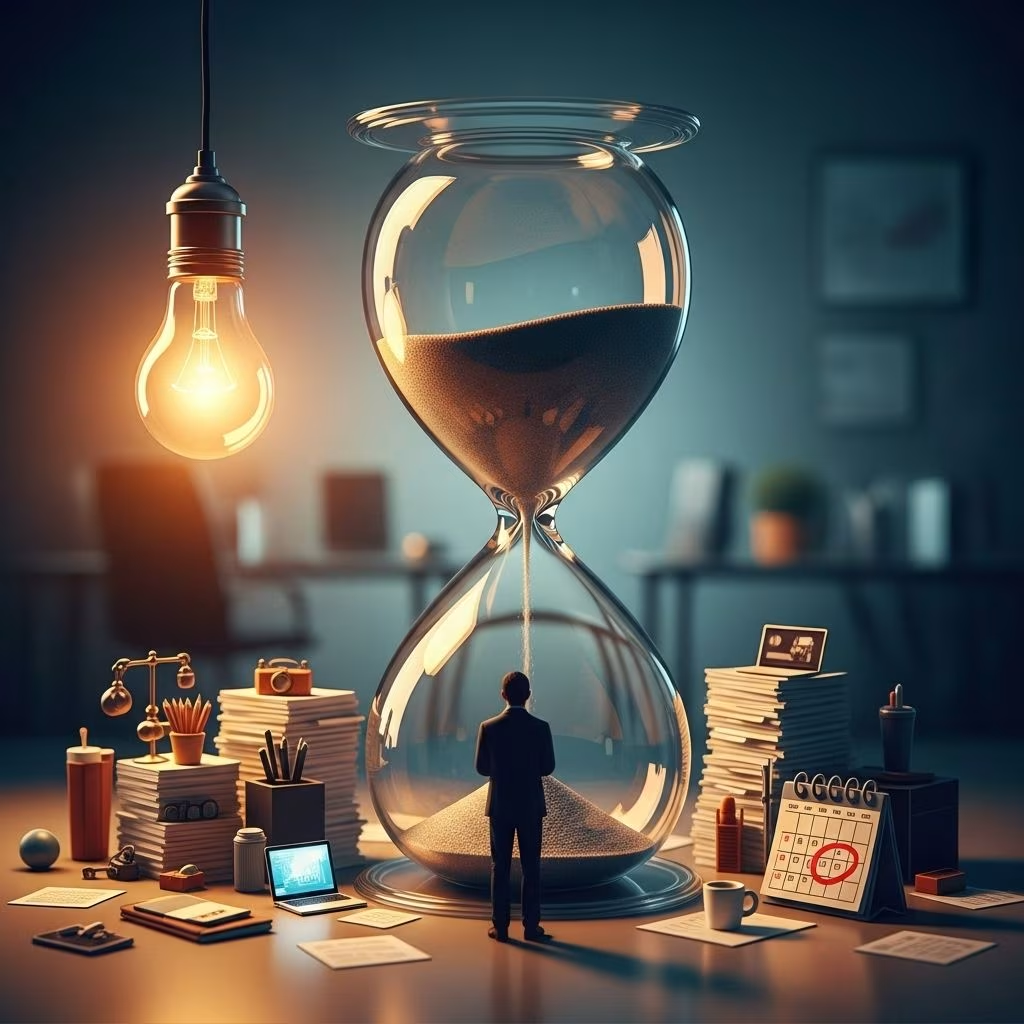
What Is Procrastination?
Procrastination is the act of unnecessarily postponing decisions or actions, even when you know that this delay will likely result in negative consequences. Rather than being a mere time management issue, procrastination is a complex psychological process that often serves as an emotional coping mechanism. Estimates suggest that up to 20% of people identify as chronic procrastinators, but virtually everyone struggles with procrastination at some point.
Understanding the Psychology Behind Procrastination
Despite common belief, procrastination is rarely about laziness or a lack of willpower. Psychologists increasingly view procrastination as a self-regulation failure with deep roots in emotion, motivation, and cognitive processing. The procrastination–health model and related frameworks highlight how underlying stress, emotional discomfort, and avoidance tendencies create a cycle where short-term relief is prioritized over long-term goals. This makes procrastination largely about managing feelings—especially those generated by aversive or overwhelming tasks.
- Task aversion: If a task is perceived as boring, difficult, or anxiety-inducing, we are more likely to delay it.
- Immediate gratification: The allure of short-term pleasure or relief outweighs the distant benefits of task completion, a phenomenon known as temporal discounting.
- Emotion regulation: Procrastination can represent an attempt to regulate negative emotions linked to a task.
The Vicious Cycle of Avoidance
People often procrastinate to avoid stress or discomfort, but this only offers temporary relief. As deadlines loom, anxiety and self-blame intensify, leading to even more avoidance and further procrastination. This looping pattern can have serious implications for both performance and emotional health.
Why Do People Procrastinate?
The reasons people procrastinate are varied, but research points to several core psychological contributors:
- Fear of failure: Worrying that you won’t meet expectations can trigger avoidance of challenging tasks.
- Perfectionism: The need to do things “just right” can create overwhelming standards, resulting in inaction.
- Low self-confidence or self-esteem: Doubting one’s abilities undermines motivation to begin or persist with tasks.
- Lack of structure: An absence of clear deadlines or routines can foster decision paralysis and delay.
- Emotional dysregulation: Difficulty managing negative feelings, such as anxiety, frustration, or boredom, often underlies chronic procrastination.
- Poor impulse control: Individuals with ADHD or related executive functioning deficits frequently struggle with procrastination.
The Neuroscience of Procrastination
The human brain is wired to seek immediate rewards and avoid threats. Two key neural systems underlie procrastination:
- Limbic system: Controls pleasure and emotion; motivates “feel good now, work later” behaviors.
- Prefrontal cortex: Governs decision-making and self-control; involved in planning, goal-setting, and resisting short-term temptations.
When a task evokes discomfort, the limbic system (linked to emotion and pleasure-seeking) can override the prefrontal cortex (linked to logic and planning), promoting avoidance. Repeated procrastination can strengthen neural pathways for avoidance, making the habit harder to break over time. Individuals with low dopamine or serotonin levels may also be more vulnerable to procrastinating due to impaired motivation and mood regulation.
Temporal Discounting: Choosing Today Over Tomorrow
Temporal discounting describes our tendency to devalue rewards or consequences that are distant in time. For example, finishing a report next month feels less urgent or satisfying than the immediate pleasure of browsing social media. This biases us toward short-term comfort, even when it jeopardizes long-term goals or well-being.
| Short-term Focus | Long-term Consequence |
|---|---|
| Immediate mood boost | Increased stress later |
| Avoidance of discomfort | Poor performance or missed opportunities |
| Temporary stress relief | Greater anxiety as deadline nears |
How Procrastination Affects Mental and Physical Health
Procrastination is not just a time management issue—it can have wide-ranging consequences for both psychological and physical health:
- Increased stress: Chronic procrastination leads to heightened stress, anxiety, and a sense of overwhelm as unfinished tasks accumulate.
- Depression and low self-esteem: Repeated self-defeat erodes confidence and can contribute to depressive symptoms, perpetuating the procrastination cycle.
- Sleep problems: Delayed work habits are often linked to sleep deprivation and irregular patterns.
- Poor health behaviors: Procrastination is associated with unhealthy choices such as skipping exercise, neglecting nutrition, and putting off medical appointments.
- Relationship and job setbacks: Failing to fulfill responsibilities can strain personal relationships and impact professional reputation or advancement.
The Procrastination-Stress Feedback Loop
Research suggests that procrastination and stress reinforce each other in a bidirectional loop:
- Procrastination → Increased stress over time
- Stress and anxiety → More procrastination (driven by avoidance)
Common Signs and Consequences of Procrastination
The effects of chronic procrastination can touch nearly every aspect of life. Warning signs include:
- Growing resentment toward tasks or routines you once enjoyed
- Shifting blame to external factors or others
- Perfectionistic thinking—unwillingness to start or finish unless result is perfect
- Difficulty making or following through on decisions
- Disrupted sleep and erratic living patterns
- Strained relationships or declining job performance
Major Personality Factors in Procrastination
While anyone can develop procrastination habits, certain traits and conditions increase risk:
- Perfectionism: The desire for flawlessness creates a paralyzing standard that fosters avoidance.
- ADHD and executive dysfunction: Individuals with attention or impulse-control difficulties struggle to prioritize, initiate, and persist in tasks.
- Low conscientiousness: People less inclined toward order and discipline are more prone to delay.
Procrastination and Mental Health Disorders
Procrastination is closely linked with conditions like depression, anxiety disorders, and substance abuse. It’s often difficult to determine causality; low mood and self-doubt can lead to procrastination, which in turn exacerbates these feelings.
Breaking the Cycle: How to Overcome Procrastination
While the roots of procrastination run deep, research suggests several ways to disrupt the avoidance cycle and increase productive action:
- Reframe your mindset: Shift your focus from fear of failure or discomfort to the benefits of progress and completion.
- Practice self-compassion: Recognize that everyone procrastinates sometimes; avoid harsh self-blame, which can worsen avoidance.
- Set clear, achievable goals: Break tasks into smaller, manageable steps with specific, realistic deadlines.
- Use implementation intentions: Plan exactly when and how you’ll tackle tasks (“If it’s 2pm, I’ll start my report”).
- Prioritize emotion regulation: Practice mindfulness, relaxation, or cognitive behavioral techniques to tolerate uncomfortable feelings without avoidance.
- Limit distractions: Create supportive environments with fewer temptations and easy access to necessary tools or materials.
- Reward progress: Reinforce positive habits by linking them to small, immediate rewards as you complete steps.
When to Seek Professional Help
If procrastination is significantly affecting your mood, relationships, school, or job performance—and self-help techniques haven’t worked—consider seeking support from a mental health professional. Therapy approaches such as cognitive behavioral therapy (CBT) can help improve emotion regulation and tackle the underlying beliefs or behaviors driving chronic procrastination.
Frequently Asked Questions (FAQs)
Q: Is procrastination the same as laziness?
A: No. While both involve inactivity, procrastination is often an avoidant coping response to negative emotions, not simply a lack of motivation or effort. People who procrastinate may care deeply about tasks and experience significant distress because of their avoidance.
Q: Can procrastination ever be helpful?
A: Intentional delays can sometimes offer benefits, such as allowing time for more information or creativity to emerge. However, habitual procrastination is typically associated with negative outcomes, including heightened stress, poorer performance, and reduced well-being.
Q: Why do perfectionism and procrastination often go together?
A: Perfectionists often set extremely high standards and fear making mistakes or not meeting expectations, which leads to excessive delay and avoidance as a way to escape discomfort or anticipated disappointment.
Q: How can I break the habit of procrastination?
A: Start small—break tasks into manageable pieces and set deadlines. Practice emotion regulation skills, such as mindfulness or CBT, and consider professional help if procrastination is chronic or emotionally distressing.
Key Takeaways
- Procrastination is a self-defeating behavior rooted in emotion regulation, not laziness.
- It increases stress and negatively impacts mental and physical health when left unaddressed.
- Understanding the psychological and neural drivers of procrastination can help you break the cycle.
- Tools like goal-setting, emotion skills, and seeking support can promote productive habits and well-being.
References
- https://pmc.ncbi.nlm.nih.gov/articles/PMC10049005/
- https://insightspsychology.org/the-neuroscience-of-procrastination/
- https://www.ie.edu/center-for-health-and-well-being/blog/procrastination-psychology-effects-causes-strategies/
- https://www.mcleanhospital.org/essential/procrastination
- https://solvingprocrastination.com/why-people-procrastinate/
- https://umsu.unimelb.edu.au/news/article/7797/The-Psychology-Behind-Procrastination/
- https://mcgraw.princeton.edu/undergraduates/resources/resource-library/understanding-and-overcoming-procrastination
- https://www.psychologytoday.com/us/basics/procrastination
- https://www.apa.org/gradpsych/2010/01/procrastination


