


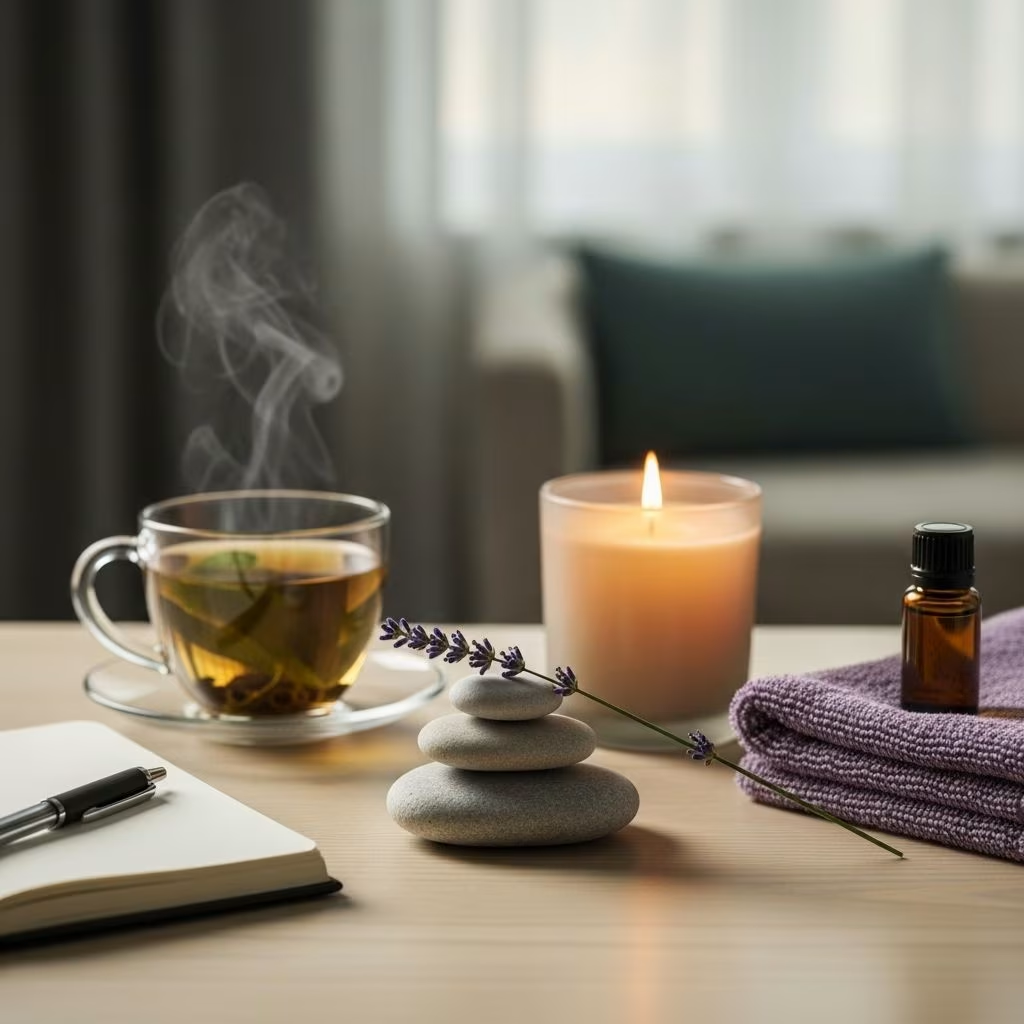
Daily stress is increasingly common—whether it arises from work, family, finances, or uncertainty about the future. The good news is that establishing a consistent self-care routine is one of the most effective ways to reduce stress, restore emotional balance, and foster long-term resilience. This comprehensive guide explores the fundamentals of self-care, evidence-based strategies you can adopt now, and ways to personalize your routine for maximum benefit.
Why Self-Care Matters for Stress Reduction
Stress can impact physical, emotional, and mental health. Over time, unaddressed stress increases the risk of anxiety, depression, cardiovascular issues, and lower immunity. Self-care is not selfish or indulgent; it is a proactive, practical way to safeguard your well-being and function better in your day-to-day life. Research consistently shows that effective self-care routines can:
- Improve your mood and sense of control
- Boost resilience in the face of challenges
- Strengthen the body’s natural stress response
- Reduce risks of burnout and chronic health conditions
Recognizing Signs of Stress
Identifying your personal warning signs is the first step toward effective self-care. Common symptoms of stress include:
- Persistent headaches, muscle tension, or fatigue
- Difficulties concentrating or making decisions
- Irritability, mood swings, anxiety, or sadness
- Changes in appetite or sleep patterns
Paying attention to subtle changes in your body and mind can empower you to take action before stress accumulates .
Core Self-Care Strategies for Stress Relief
While self-care is highly individual, certain evidence-based strategies have consistently been shown to lower stress and enhance well-being. Consider integrating these practices into your routine for a balanced, healthier life.
1. Physical Activity & Movement
Exercise is a potent stress reliever. Even moderate activities like walking, yoga, stretching, or dancing increase endorphin levels—the body’s natural mood elevators.
- Try to move your body daily, even if it’s just a short walk outside or a gentle yoga session.
- Find activities you enjoy to make exercise a sustainable part of your life.
- Regular physical activity improves sleep, increases energy, and helps manage anxiety .
2. Nutrition & Hydration
Your diet directly affects how you feel and handle stress. A nutritious, balanced meal plan fuels the body and mind.
- Focus on incorporating plenty of fruits, vegetables, lean proteins, and whole grains.
- Limit heavily processed foods, excessive caffeine, and sugar, which may worsen mood swings.
- Stay hydrated—dehydration can mimic symptoms of stress and fatigue .
3. Prioritize Quality Sleep
Chronic lack of sleep amplifies stress responses and impairs emotional regulation. Prioritizing rest restores energy and improves mental clarity.
- Aim for 7–9 hours of sleep per night, according to CDC recommendations .
- Create a soothing bedtime routine: wind down with reading, a warm shower, or gentle stretches.
- Keep your bedroom cool, quiet, and free from screens. Consistency matters—try to wake up and go to bed at the same time daily.
4. Mindfulness, Meditation, & Breathing Practices
Mindfulness means focusing on the present moment with acceptance, rather than judgment. Techniques like meditation, deep breathing, and progressive muscle relaxation can shift your body out of “fight-or-flight” mode, triggering the relaxation response.
- Apps such as Headspace or Calm guide you in developing regular mindfulness or breathwork habits.
- A few minutes per day can decrease anxiety, lower blood pressure, and enhance mood .
- Practice tactical or box breathing: inhale for four counts, hold for four, exhale for four, hold for four. Repeat for a few cycles.
5. Journaling & Self-Expression
Expressing your thoughts and feelings reduces the mental load and helps you spot stress triggers.
- Write freely in a journal, even for just 5–10 minutes a day.
- Consider gratitude journaling, noting 2–3 things you’re thankful for each day.
- Drawing or creative expression can be equally therapeutic if writing isn’t your preference .
6. Foster Social Connections
Supportive relationships are one of the strongest buffers against chronic stress. Social connections can be protective for emotional and even physical health.
- Spend time with friends or family, share a meal, or reach out to a supportive colleague.
- Even online or phone conversations can lift your mood and reduce feelings of isolation.
- If your network is limited, consider joining a club or volunteer group to expand your circles .
7. Set Healthy Boundaries & Prioritize Your Needs
Overcommitting often creates overwhelming stress. Practice saying “no” and prioritize your well-being:
- Identify your limits—and communicate them clearly with others.
- Designate specific time for yourself each day to recharge, even if it’s just a short break .
- Work-life boundaries are especially important if you work remotely or bring work home.
8. Embrace Nature & Digital Detox
Nature has a profoundly calming effect on the nervous system:
- Spend at least 10–15 minutes outdoors daily—walk in the park, garden, or simply sit in fresh air.
- Unplug from screens periodically to avoid digital overload—consider a “digital detox” evening each week .
Self-Compassion: The Foundation of Sustainable Self-Care
Self-compassion means treating yourself with kindness during challenging times—not judgment. Positive self-talk can reframe stress and enhance emotional resilience. Ask yourself:
- Am I being as gentle with myself as I would be with a friend facing the same challenges?
- How can I offer myself encouragement, not criticism?
- Instead of harsh judgments, try affirmations: “I can manage this,” or “I am learning and growing.”
Over time, practicing self-compassion fosters confidence and steadier moods .
Practical Ways to Integrate Self-Care into Your Routine
- Start Small: Choose one new habit to try each week—consistency is more valuable than intensity.
- Time Block: Add self-care activities directly to your calendar so they become a non-negotiable part of your day.
- Mix & Match: Build a self-care “toolbox” with several strategies, adjusting based on your needs and situation.
- Reflect & Adjust: Regularly reflect on what’s working and adapt as your needs shift.
Benefits of a Self-Care Routine for Stress Management
| Benefit | How It Supports Stress Reduction |
|---|---|
| Improved sleep | Restful sleep boosts mood and supports emotional regulation |
| Greater resilience | Regular self-care practices enhance the ability to handle life’s challenges |
| Better immune function | Healthy habits bolster physical health, reducing risk of illness |
| Stronger relationships | Fulfilling social connections lower loneliness and buffer stress |
| Increased productivity | A clear, focused mind helps with work, study, and life management |
| Lower anxiety and depression | Mindfulness, movement, and healthy habits lift mood, lowering rates of depression |
Frequently Asked Questions About Self-Care & Stress Reduction
What if I don’t have time for self-care?
Even small changes can yield significant results. Opt for “micro” self-care: take a brisk five-minute walk, savor a cup of tea without distractions, or pause for three deep breaths between tasks. Remember, self-care doesn’t need to be lengthy to be effective.
Is self-care the same as being selfish?
No. Self-care makes you more capable and present for those who rely on you. When you proactively take care of your needs, you’re better equipped to support others at home, work, and in your community.
How do I know if I need more self-care?
If you regularly feel overwhelmed, irritable, or depleted, these are signals your body and mind need more care. Other clues include poor sleep, headaches, frequent illnesses, or loss of interest in activities you once enjoyed.
What’s the best self-care strategy for me?
There is no universal answer. The most effective approach is the one you’ll actually practice consistently. Try different techniques and observe what makes you feel recharged, relaxed, and centered. Over time, adapt your routine to fit changes in your life or responsibilities.
How can I stick to self-care habits long-term?
Developing habits takes time. Start with a manageable goal, track your progress, and celebrate small victories. Find an accountability partner, or schedule your self-care at the same time each day for consistency.
Summary Table: Quick Self-Care Strategies for Stress Relief
| Strategy | How to Practice |
|---|---|
| Movement | Daily walks, yoga, or any activity you enjoy |
| Mindfulness | Try a meditation or breathing app for 5–10 minutes each day |
| Rest | Establish a consistent bedtime routine and prioritize 7–9 hours of sleep |
| Nutrition | Eat a colorful, balanced diet and drink plenty of water |
| Connect | Reach out to friends or family for support and shared activities |
| Journal | Write out feelings, stressors, or gratitude to clear your mind |
| Set Boundaries | Say “no” when needed and schedule in your own downtime |
| Nature/Digital Detox | Spend time outside and schedule regular screen-free breaks |
Further Resources
- National Institutes of Mental Health (NIMH): Healthy Living and Stress
- CDC: Sleep and Health
- American Psychological Association: Mindfulness and Stress Reduction
Remember: self-care is a journey, and your needs will change with time and circumstances. The key is consistency, flexibility, and self-compassion—little steps practiced daily can profoundly improve your overall quality of life.
References
- https://www.newhorizonscenters.com/blog/the-importance-of-self-care-in-managing-stress
- https://www.adaptivebehavioralservices.com/mental-wellness-blog/stress-management-techniques
- https://hr.umich.edu/benefits-wellness/health-well-being/mental-emotional-health/learn-more-about-mental-emotional-health/stress-management-resources/stress-management-tools-resources
- https://counselwise.ca/basics-self-care-strategies/
- https://images.southmountaincc.edu/WebImages/cdn/hs/f-23/Reichard-Kasey.pdf
- https://www.empoweridaho.org/wp-content/uploads/2024/09/Managing-Stress-and-Self-care.pdf


