


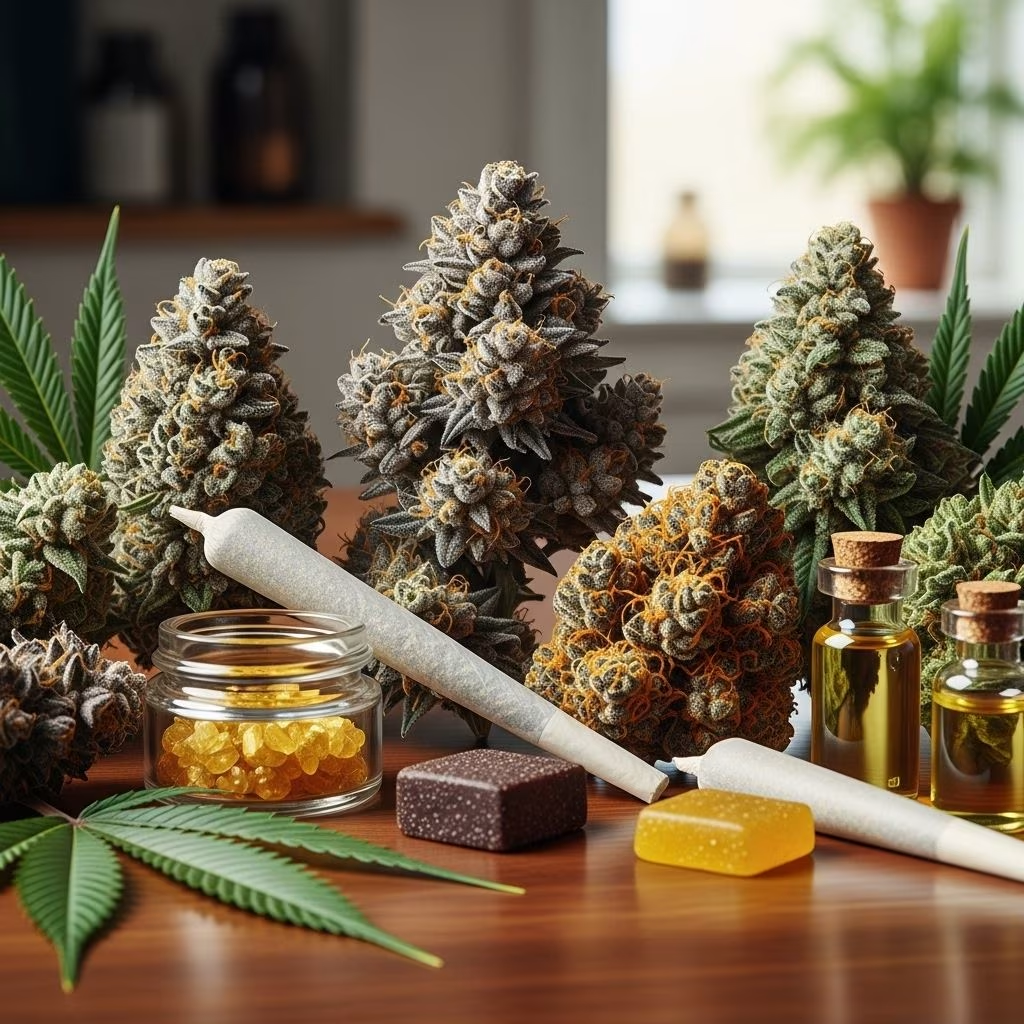
Marijuana, also known as cannabis, is a complex plant that comes in several varieties and forms, used both recreationally and medicinally. As legalization spreads and research grows, understanding the different types of marijuana is crucial for safety, effectiveness, and making informed decisions. This guide explores the major strains, product forms, their effects, and safety considerations.
What is Marijuana?
Marijuana refers to the dried leaves, flowers, stems, and seeds of the Cannabis plant. It contains over 100 cannabinoids, the most notable being Tetrahydrocannabinol (THC)—the psychoactive compound responsible for the “high”—and Cannabidiol (CBD), which does not have intoxicating effects but may offer other therapeutic benefits. The concentration of these and other compounds can vary widely among different types and products.
Main Strains of Marijuana
Cannabis plants are typically classified into three main strains or subspecies. Each strain has unique chemical characteristics and is associated with different effects and uses.
- Sativa: Known for its energizing and uplifting effects. Often used during the daytime, Sativa varieties are thought to enhance creativity, focus, and sociability. Plants are usually tall with narrow leaves.
- Indica: Typically associated with relaxation, sedation, and stress relief. Indica strains are often used at night to promote sleep and alleviate anxiety or pain. These plants are shorter and bushier with broad leaves.
- Hybrid: Created by cross-breeding Sativa and Indica strains, hybrids can be balanced or have dominant characteristics from either parent. They aim to produce a blend of effects for tailored experiences.
- Ruderalis: Less common in recreational markets, Cannabis ruderalis plants have low THC and higher CBD, and are more often used for industrial purposes.
| Strain | Main Effects | When Used |
|---|---|---|
| Sativa | Stimulating, euphoric, creative | Daytime |
| Indica | Relaxing, sedative, calming | Evening/Night |
| Hybrid | Varies (mixed effects) | Any—depends on ratio |
| Ruderalis | Minimal psychoactive effect | Mainly industrial |
Forms and Methods of Using Marijuana
Modern cannabis markets offer a vast array of product forms, each with different consumption methods, onset times, and risks. Here are the major product categories:
1. Flower/Buds
This is the most recognizable form of marijuana, consisting of the dried flowers from female cannabis plants. It contains 15-20% THC on average, though some strains can be higher.
- Consumption methods: Smoked in joints, pipes, bongs, or vaporized.
- Onset: Effects appear within minutes and last several hours.
- Risks: Includes respiratory issues associated with smoked products.
2. Edibles
Cannabis can be infused into food and beverages, including pastries, candies, gummies, and drinks. THC is measured in milligrams per serving.
- Onset: Effects take 30 minutes to 2 hours to appear and may last up to 12 hours.
- Risks: Delayed onset increases risk of overconsumption and stronger, longer-lasting effects.
3. Concentrates and Extracts
Products like oils, waxes, shatter, hash, and resin are created by extracting active compounds from marijuana, resulting in very high THC concentrations (65-95% or more).
- Dabbing: Inhaling vaporized concentrates using specially designed devices for rapid and intense effect.
- Vaping: Consuming oil or concentrate with vaporizer pens or devices.
- Risks: Increased risk of adverse effects such as anxiety, paranoia, or intoxication due to high potency.
4. Tinctures
Alcohol- or oil-based cannabis extracts intended for oral consumption. Tinctures are often used sublingually (under the tongue) or mixed into beverages and foods.
- Onset: Effects occur within 15–45 minutes, depending on administration.
5. Topicals
Creams, balms, and lotions infused with cannabinoids intended for application to the skin. They are primarily used for localized relief and generally do not produce intoxication.
6. Synthetic Cannabinoids
Synthetic cannabinoids—including illicit substances such as Spice and K2—are laboratory-made chemicals that mimic some effects of THC. There are also FDA-approved synthetic forms of THC like dronabinol and nabilone, used for certain medical purposes.
- Risks: Illicit synthetic products can be more potent, highly unpredictable, and present serious dangers, including toxicity and psychiatric complications.
Key Compounds in Marijuana: THC and CBD
Tetrahydrocannabinol (THC) is the primary intoxicating compound in cannabis, binding to CB1 receptors in the brain and affecting cognition, mood, reward, motor coordination, pain, memory, and more. Cannabidiol (CBD) is non-intoxicating and may have anxiolytic, anti-inflammatory, and antiepileptic properties, without causing a “high.”
How Does Marijuana Work in the Body?
Cannabinoids, particularly THC, interact with the body’s endocannabinoid system by binding to CB1 and CB2 receptors distributed throughout the brain and nervous system. This process affects neurotransmitter release (including glutamate and GABA), modulating mood, memory, perception, pain sensitivity, appetite, and other functions. However, much remains unknown about the full range of cannabis’s effects on human biology.
Potential Uses and Effects
Marijuana use produces a spectrum of effects, depending on the strain, potency, delivery method, and user sensitivity. Effects can be therapeutic, recreational, or unwanted.
- Pleasurable/Recreational: Euphoria, relaxation, heightened sensory perception, sociability, increased appetite.
- Therapeutic (Medical use): Management of chronic pain, nausea (especially from chemotherapy), appetite stimulation, anxiety reduction, and seizure control.
- Potential Risks: Impaired memory, concentration, coordination, acute anxiety or paranoia, rapid heartbeat, and in rare instances, psychosis—particularly in high doses or vulnerable individuals.
Factors Affecting Marijuana’s Effects
- Strain and chemical profile (THC/CBD ratio and terpene content)
- Method of consumption (smoked, vaporized, ingested, absorbed through skin)
- Dosage and potency
- Individual characteristics (body weight, metabolism, tolerance, mental health)
- Concurrent substance use (alcohol, prescription medications, other drugs)
Safe Use and Health Considerations
While marijuana has accepted medical uses and can be used recreationally where permitted by law, there are potential health risks to be aware of, especially with frequent or high-dose use.
- Risk of cannabis use disorder—persistent, problematic use despite negative consequences.
- Harmful effects on adolescent brain development and cognitive function.
- Respiratory consequences from smoking.
- Potential for adverse interactions with medications or coexisting conditions.
Choosing legal, regulated products, starting with low doses, and seeking guidance from health care professionals is advised, especially for new users or those with a history of mental health or substance use issues.
Comparison of Marijuana Products
| Product Form | How Used | Typical Onset | Duration | Potency |
|---|---|---|---|---|
| Flower/Buds | Smoked/Vaporized | Minutes | 1-4 hours | Moderate (15–20% THC) |
| Edibles | Eaten/Drunk | 30-120 min | 4-12 hours | Varies, dose labeled |
| Concentrates | Dabbed/Vaped | Seconds-minutes | 1-3 hours | Very high (60–95% THC) |
| Tinctures | Oral/Sublingual | 15-45 min | 2-4 hours | Varies |
| Topicals | Applied to skin | Varies | Up to several hours | Non-intoxicating |
| Synthetics | Oral/Smoked | Depends | Depends | Variable—may be highly potent |
Frequently Asked Questions (FAQs)
Q: What is the difference between Indica and Sativa strains?
A: Indica strains are typically associated with relaxing, sedative effects, whereas Sativa strains tend to be more uplifting and energizing. Hybrid strains combine characteristics of both, tailored to user preferences.
Q: Are THC and CBD the same?
A: No. THC produces intoxicating effects, while CBD is non-intoxicating and may have therapeutic benefits without a “high.” Products may contain one or both compounds in varying ratios.
Q: Is marijuana addictive?
A: Yes, marijuana can lead to cannabis use disorder in some individuals, resulting in persistent and problematic use. This risk increases with frequent, long-term, or high-dose consumption.
Q: Are synthetic cannabinoids (like Spice and K2) safe?
A: No. Some synthetic cannabinoids are far more potent than natural THC and are linked to unpredictable, serious health risks including toxicity and psychiatric symptoms.
Q: What is the safest way to use marijuana?
A: Begin with low doses, choose legal and lab-tested products, avoid mixing with other substances, and consult healthcare professionals, especially for medical use or if you have underlying health concerns.
Key Takeaways
- Varieties of marijuana offer differing effects, depending on strain, THC/CBD content, and consumption method.
- Product forms impact onset, intensity, and risk of unwanted effects.
- Both recreational and medical use carry potential risks alongside possible benefits—individual factors matter.
- Safe and informed use is essential; consult healthcare providers when considering marijuana for health-related reasons.
References
- https://ictp.uw.edu/wp-content/uploads/2025/02/UW-PACC-2025_01_30-How-much-cannabis-is-too-much.pdf
- https://www.democracymatters.org/kndtxFO/cbd-thc-guide-50773-gummies-high-comprehensive-you-a-make-evxlp-do/
- https://nida.nih.gov/research-topics/cannabis-marijuana
- https://www.ebsco.com/research-starters/health-and-medicine/cannabis-use-disorder-cud


