


\n\n
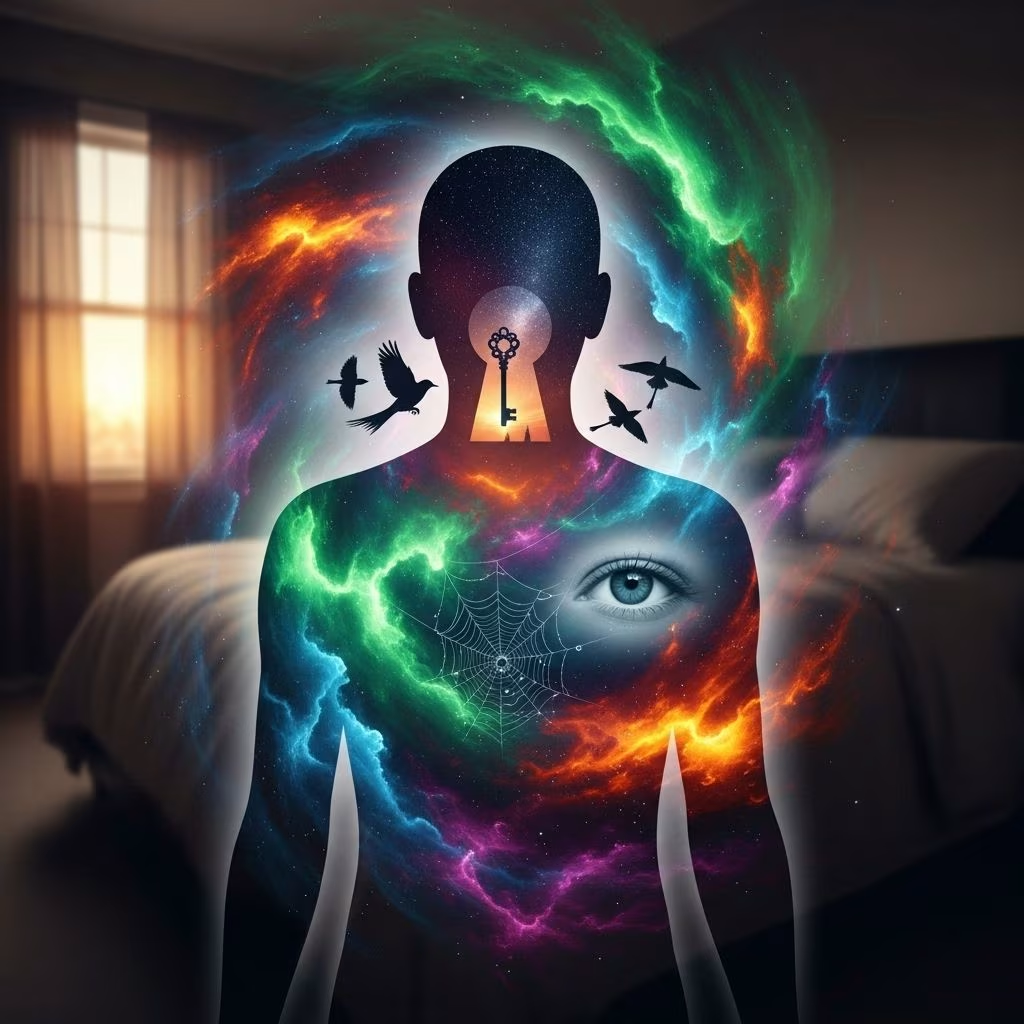
Vivid dreams often leave a strong impression, lingering in your memory long after you wake. For some, these dreams are fascinating and immersive; for others, they are disturbing or even exhausting. This comprehensive guide delves into what vivid dreams are, why they happen, their potential impacts on well-being, and practical approaches for prevention and relief.
\n\n
What Are Vivid Dreams?
\n
Vivid dreams are distinguished by their clarity and emotional intensity. They frequently feel so real that, upon waking, you may have a detailed, almost lifelike recollection of the dream content. Unlike typical, hazy dreams, vivid dreams often involve:
\n
- \n
- Clear images, sounds, or sensations
- Strong emotions, which can be positive or negative
- A sense of realism, sometimes blurring the line between dream and reality
- Lengthy and cohesive narratives
\n
\n
\n
\n
\n
You’re most likely to experience vivid dreams during the rapid eye movement (REM) stage of sleep, when brain activity is high and dreaming is most common.
\n\n
Common Causes of Vivid Dreams
\n
A variety of triggers can lead to more frequent or intense vivid dreams. Understanding these can help you identify potential patterns or root causes in your own sleep.
\n\n
Sleep-Related Triggers
\n
- \n
- Sleep deprivation: Lack of sleep can increase REM sleep intensity in subsequent nights, leading to more vivid dreams. This phenomenon is sometimes called “REM rebound.”
- Interrupted sleep: Frequent awakenings or sleep disruptions, due to snoring partners, crying children, or medical issues like sleep apnea, can boost dream recall and vividness.
- Sleep disorders: Conditions such as insomnia, narcolepsy, or REM sleep behavior disorder make vivid dreams more likely.
\n
\n
\n
\n\n
Psychological and Emotional Factors
\n
- \n
- Stress: Increased stress or anxiety during the day often “shows up” in your dreams through intense or emotionally charged scenarios.
- Trauma and PTSD: Experiencing or reliving traumatic events can cause persistent, distressing dreams, such as nightmares in post-traumatic stress disorder.
- Grief: Mourning the loss of a loved one is linked to dreaming about them and more vivid dream content, particularly in the months following the loss.
\n
\n
\n
\n\n
Medications and Substances
\n
- \n
- Antidepressants and other medications: Some prescription drugs—especially antidepressants, beta blockers, Parkinson’s medications, and those used to help quit smoking—are associated with vivid dreams or nightmares. Withdrawal from certain drugs can trigger similar effects.
- Alcohol and recreational drugs: Substance use, including alcohol and drugs like marijuana, cocaine, and ketamine, can both suppress REM sleep and cause “rebound” dreams when stopped.
- Melatonin: Melatonin supplements taken for improved sleep may, especially at higher doses, be linked to more intense or bizarre dreams.
\n
\n
\n
\n\n
Life Changes, Hormonal, and Medical Factors
\n
- \n
- Pregnancy: Hormonal shifts and disrupted sleep during pregnancy (especially in the third trimester) can heighten dream activity and vividness.
- Menopause and menstrual cycles: Fluctuating hormones may affect dreaming patterns in a similar way to pregnancy.
- Mental health disorders: Anxiety, depression, and schizophrenia are all linked to an increased frequency of vivid or distressing dreams.
- Physical illnesses: Chronic diseases such as heart disease and cancer also sometimes coincide with more frequent, vivid dreams.
\n
\n
\n
\n
\n\n
Side Effects and Impact of Vivid Dreams
\n
While vivid dreams are typically not harmful, ongoing or distressing dreams can impact your daily life and overall health. Common effects include:
\n
- \n
- Daytime sleepiness: Poor sleep quality due to intense dreams can result in tiredness, lower concentration, and reduced productivity during the day.
- Mood disturbances: Emotional dreams may lead to symptoms of depression or anxiety, particularly if dreams are repetitive or negative in tone.
- Resisting sleep: Fear of experiencing more vivid or unpleasant dreams may lead you to avoid sleep, creating a negative cycle of sleep deprivation and worsening dream intensity.
- Suicidal thoughts: In rare cases, recurring distressing dreams have been linked to suicidal ideation in individuals with ongoing mental health concerns. Immediate help from a mental health professional is essential if you are experiencing such thoughts.
\n
\n
\n
\n
\n\n
How to Prevent or Minimize Vivid Dreams
\n
Although it may not be possible to eliminate vivid dreams completely, several strategies can help reduce their frequency or intensity and promote better sleep quality:
\n\n
Establish Healthy Sleep Patterns
\n
- \n
- Stick to a consistent sleep schedule: Go to bed and wake up at the same time daily, even on weekends.
- Limit screen time, caffeine, and heavy meals before bedtime.
- Maintain a cool, quiet, and dark sleep environment.
\n
\n
\n
\n\n
Address Underlying Stress and Emotions
\n
- \n
- Practice regular relaxation techniques: Meditation, deep breathing, yoga, or progressive muscle relaxation can calm the mind before sleep.
- Consider therapy for ongoing stress, trauma, or emotional difficulties. Psychological counseling or cognitive behavioral therapy may be especially helpful.
- Talk to trusted friends or family members about sources of grief or stress.
\n
\n
\n
\n\n
Self-Care and Lifestyle Habits
\n
- \n
- Exercise regularly, but avoid strenuous workouts close to bedtime.
- Establish a nighttime routine: Engage in calming activities, such as listening to soothing music, taking a warm bath, or reading.
- Avoid upsetting or stimulating media in the hours before sleep.
- Address sleep-related disorders like insomnia or sleep apnea with the help of a sleep specialist if needed.
\n
\n
\n
\n
\n\n
Monitor and Adjust Medications
\n
- \n
- If a new prescription coincides with new or distressing dreams, discuss alternatives or dosage adjustments with your doctor.
- Never discontinue medication without consulting your healthcare provider.
\n
\n
\n\n
Treatments for Persistent Vivid Dreams
\n
If vivid dreams are affecting your well-being or daily functioning, more structured interventions may help:
\n
- \n
- Medical consultation: See a doctor or sleep specialist for assessment of underlying health issues or sleep disorders. Medical treatment may be recommended for related concerns such as anxiety, depression, or PTSD.
- Image Rehearsal Therapy (IRT): A specialized cognitive therapy often used for trauma-related nightmares. Patients mentally “rewrite” their distressing dream with a less unpleasant ending, then practice visualizing this new scenario.
- Lifestyle modifications: Improving diet, hydration, and overall sleep hygiene supports restful sleep and may diminish dream intensity over time.
\n
\n
\n
\n\n
When to See a Doctor
\n
You should consult a healthcare professional if your vivid dreams:
\n
- \n
- Cause significant sleep loss and daytime fatigue
- Are persistent, worsening, or disrupt daily life
- Lead to mood changes, anxiety, depression, or troubling thoughts
- Are accompanied by unusual behaviors during sleep (such as acting out dreams, sleepwalking, or violent movements)
- Coincide with use of new medication, or significant changes to health status
\n
\n
\n
\n
\n
\n\n
For individuals experiencing suicidal thoughts or urges in connection with disturbing dreams, prompt professional support is critical. In the United States, the National Suicide Prevention Lifeline is available at 800-273-8255 for immediate help.
\n\n
Frequently Asked Questions (FAQs) About Vivid Dreams
\n\n
What is the difference between vivid dreams and nightmares?
\n
Vivid dreams are dreams that are highly realistic, emotionally intense, and memorable upon waking. They may be pleasant, neutral, or unpleasant. Nightmares are a specific type of vivid dream that is disturbing or frightening, often waking you from sleep.
\n\n
Can certain foods or supplements trigger vivid dreams?
\n
Yes, some people find that dietary factors—such as spicy foods, strong cheeses, or evening caffeine—may make their dreams more intense. High doses of melatonin supplements have also been linked to vivid or unusual dream patterns.
\n\n
Is it normal to have vivid dreams during stressful periods?
\n
Absolutely. Stress, anxiety, and significant life changes often increase the frequency and intensity of vivid dreams. This is believed to be part of how the brain processes emotions and stressful experiences.
\n\n
Are vivid dreams more common at certain ages?
\n
Vivid dreams can occur at any age. However, changes such as puberty, pregnancy, menopause, and aging all influence hormone levels, sleep quality, and therefore may affect dream patterns.
\n\n
Should I be concerned if I suddenly start having vivid dreams?
\n
Sudden changes in dream patterns, especially if they coincide with significant life events, new medication, or worsened mental health, merit discussion with a healthcare professional. While most vivid dreams are not harmful, ongoing sleep disturbances should not be ignored.
\n\n
Tips for Better Sleep and Fewer Disturbing Dreams
\n
- \n
- Optimize your sleep environment: keep your bedroom cool, quiet, and dark
- Develop a consistent wind-down ritual: meditation, gentle stretching, or reading
- Track your dreams: keeping a dream journal can help you identify patterns and triggers
- Reduce stress before bed: limit work-related activities and exposure to stressful media in the evening
- Consult qualified professionals for persistent sleep or mood issues
\n
\n
\n
\n
\n
\n\n
Summary Table: Main Causes & Strategies for Vivid Dreams
\n
| Cause/Trigger | Examples | Prevention/Treatment Strategies |
|---|---|---|
| Sleep Disruption | Sleep apnea, noise, late-night devices | Improve sleep hygiene, address sleep disorders |
| Emotional Stress | Work, family, grief, PTSD | Relaxation, therapy, regular routines |
| Medications/Substances | Antidepressants, melatonin, alcohol | Doctor review, adjust dosage, avoid abuse |
| Hormonal/Medical Changes | Pregnancy, menopause, illness | See healthcare providers, manage symptoms |
| Mental Health Disorders | Anxiety, depression, schizophrenia | Professional support, therapy, medication |
\n\n
Key Takeaways
\n
- \n
- Vivid dreams are common, especially during REM sleep, and can be influenced by sleep quality, stress, medications, and mental health.
- Maintaining healthy sleep habits, reducing stress, and addressing underlying issues can decrease their intensity and improve rest.
- If vivid dreams are frequent, distressing, or cause daytime problems, consult a doctor or sleep specialist for support.
\n
\n
\n
\n
References
- https://www.medicalnewstoday.com/articles/325396
- https://www.sleepsia.in/blogs/news/vivid-dreams
- https://www.healthline.com/health/vivid-dreams-causes
- https://www.sleepfoundation.org/dreams/vivid-dreams
- https://www.masterclass.com/articles/vivid-dreams-explained
- https://pmc.ncbi.nlm.nih.gov/articles/PMC10476037/
- https://royalpapworth.nhs.uk/our-services/respiratory-services/rssc/patient-information/symptoms/vivid-dreams-or-nightmares
- https://www.saatva.com/blog/what-causes-vivid-dreams/


