


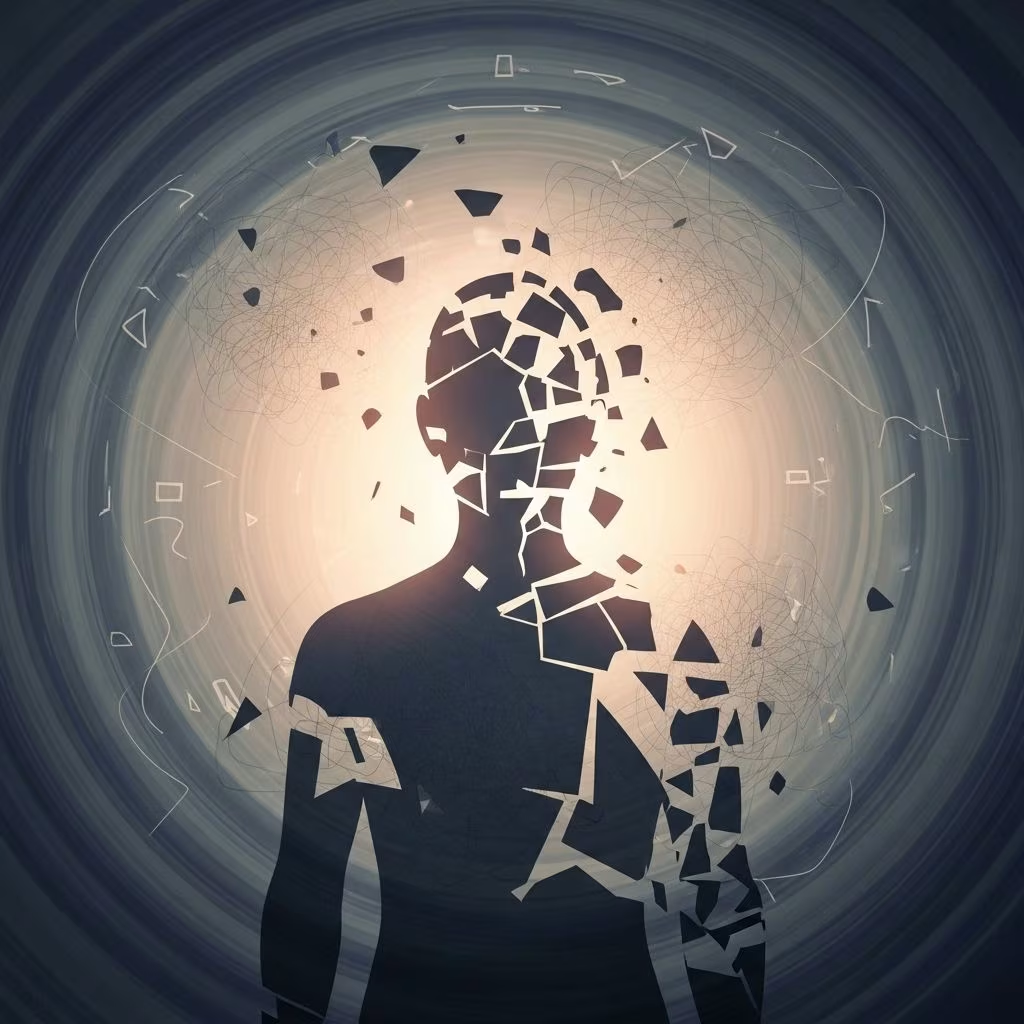
What Is a Psychotic Break?
A psychotic break refers to an acute episode where an individual loses touch with reality, manifesting as symptoms such as hallucinations, delusions, or disorganized thinking. This phenomenon is typically associated with, but not limited to, conditions like schizophrenia, bipolar disorder, severe depression, and drug-induced states. Experiencing a psychotic break can be overwhelming, both for the person affected and for those around them. Understanding its features, triggers, and management strategies is essential to crafting effective support and intervention plans.
Understanding Psychosis
Psychosis is a mental state characterized by a disconnection from reality, involving a range of symptoms that can impact thinking, perception, emotion, and behavior. It is a symptom grouping—not a disease in itself—and can occur in the context of various mental health disorders, medical illnesses, or substance misuse.
- Hallucinations: Sensing things that aren’t present, such as hearing voices or seeing images others don’t perceive.
- Delusions: Holding strong beliefs that are evidently false or not based in reality, such as believing one is being watched or persecuted.
- Confused Thoughts: Disorganized speech, trouble concentrating, or difficulty following conversation and instructions.
It is common for people experiencing psychosis to be unaware they are unwell, making early intervention challenging but crucial.
What Happens During a Psychotic Break?
A psychotic break is often a sudden, dramatic event, marked by a noticeable change in thoughts, perceptions, and interactions with reality. During a psychotic break, individuals may:
- Hear voices or sounds others cannot hear (auditory hallucinations).
- See things others cannot see (visual hallucinations).
- Hold fixed, irrational beliefs that defy evidence (delusions).
- Have severely disorganized thoughts or behaviors, possibly making speech incoherent.
- Show marked emotional changes, including flattening of affect or inappropriate emotions.
- Experience paranoia, fear, or anxiety about perceived threats.
These symptoms may range from mild to severe and can impair functioning in daily life, relationships, work, or self-care. The duration and intensity can vary considerably; for some, the episode is brief and resolves, while for others, it may be prolonged and recurrent.
Key Signs and Symptoms of Psychosis
Recognizing the early warning signs is vital for timely support:
- Hallucinations: Auditory, visual, tactile, olfactory, or gustatory perceptions with no external basis.
- Delusions: Paranoid, grandiose, religious, or bizarre beliefs outside cultural norms.
- Disorganized Thinking: Difficulty organizing ideas, rambling, and unclear speech.
- Behavioral Changes: Social withdrawal, unpredictable actions, agitation, lack of motivation.
- Impacts on Daily Functioning: Decline in self-care, hygiene, or performance at work/school.
- Negative Symptoms: Emotional flatness, apathy, lack of pleasure.
Symptoms may fluctuate in severity and are not always recognizable by the person experiencing them. Family members and friends play a key role in noticing changes.
What Causes a Psychotic Break?
No single cause fully explains psychosis; it’s usually the result of multiple factors, including:
- Genetic vulnerability: Family history of psychotic disorders increases risk.
- Neurochemical imbalances: Disruptions in dopamine and other neurotransmitters.
- Mental health conditions: Schizophrenia, bipolar disorder, severe depression.
- Medical illnesses: Brain injuries, infections, Alzheimer’s, Parkinson’s, high fevers.
- Drug or substance misuse: Cannabis, amphetamines, alcohol, and medication side effects can trigger psychosis.
- Extreme stress or trauma: Stressful life events, sleep deprivation, and trauma can precipitate episodes.
- Older age: Onset of underlying dementias or other medical conditions in elderly populations.
| Cause | Description |
|---|---|
| Genetic Factors | Family history increases risk; multiple genes implicated. |
| Neurochemistry | Imbalance in brain chemicals such as dopamine. |
| Substance Use | Alcohol, drugs (especially cannabis, amphetamines) can trigger psychosis. |
| Acute Illness | High fever, infections, neurodegenerative disease may provoke psychosis. |
| Trauma/Stress | Psychosocial stressors may precipitate or worsen symptoms. |
Studies highlight the complex interplay of biological, psychological, and environmental factors contributing to the development and onset of psychotic breaks.
Diagnosis: How Is a Psychotic Break Identified?
Diagnosing psychosis involves a comprehensive evaluation by a mental health professional, considering:
- Detailed medical and psychiatric history.
- Physical examination to rule out medical or substance-related causes.
- Assessment of symptom duration, severity, and impact on functioning.
- Use of standardized mental health diagnostic criteria and tests.
- Input from family and close contacts for context.
Diagnosis may take place in outpatient or inpatient settings, depending on symptom intensity and risks. The professional may use interviews, questionnaires, and laboratory tests where relevant. It is crucial to distinguish between psychosis as a symptom, its underlying causes, and other medical or psychiatric conditions that may mimic psychotic behavior.
Treatment Options for Psychotic Breaks
Effective treatment often requires a combination approach, tailored to the individual’s needs and symptom causes. Early intervention is strongly associated with better outcomes.
Medications
- Antipsychotics: Mainstay of treatment, prescribed in oral, liquid, or injectable forms. They help regulate brain chemicals and ease hallucinations, delusions, and thought disorganization.
- Anxiolytics: May be used for severe agitation or anxiety.
Therapies
- Cognitive Behavioral Therapy (CBT): Teaches individuals to distinguish between reality and psychotic perceptions, improves coping skills, and encourages treatment adherence.
- Supportive Psychotherapy: Assists with adjustment to diagnosis, relapse prevention, and problem-solving strategies.
- Family Therapy: Provides education and support for families, enhances communication, and manages stressors.
- Coordinated Specialty Care (CSC): Integrated, multidisciplinary team approach combining medication management, therapy, psychosocial support, and educational/vocational services—considered the standard for early psychosis intervention.
Hospitalization and Acute Care
- Inpatient Care: Required when symptoms pose a risk to safety, daily life, or cannot be managed in an outpatient setting.
- Detoxification and Medical Stabilization: Needed if substance misuse is an active contributor to psychosis.
Long-Term and Community Support
- Community Support Programs: Assist in rehabilitation, skill development, housing, employment, and social integration.
- Peer and Self-Help Groups: Provide ongoing social connections and shared experiences.
- Lifestyle Changes: Encouraged to support recovery—healthy routines, stress reduction, sleep hygiene, avoidance of drugs or alcohol.
Recovering from a Psychotic Break
Recovery is an ongoing, individualized process. With timely intervention, many individuals regain stable functioning and quality of life. Key recovery elements include:
- Adherence to treatment: Taking medications and attending therapy as prescribed.
- Building a support system: Family, friends, peer groups, and professionals.
- Education: Understanding the nature of psychosis and how to manage future risks.
- Skill development: Learning coping strategies, effective communication, and personal skill enhancement.
- Relapse prevention: Identifying triggers, early warning signs, and developing robust plans for managing setbacks.
Long-term mental health improvement is supported by an integrated team that may include psychiatrists, psychologists, social workers, and peer counselors. Ongoing research continues to refine best practices for psychosis recovery and rehabilitation.
Supporting Someone During and After a Psychotic Break
Individuals experiencing psychosis may not always recognize their symptoms or may be fearful, confused, and resistant to help. Effective support strategies for loved ones and friends include:
- Staying calm: Approach situations with patience and understanding.
- Listening empathetically: Acknowledge perceptions as real to the individual, even if they seem irrational.
- Encouraging professional help: Guide toward mental health services; volunteer to accompany them to appointments.
- Ensuring safety: If there is risk of self-harm or harm to others, seek emergency support immediately.
- Avoid arguing about delusions: Focus on support rather than challenging beliefs.
- Offering practical help: Assistance with daily tasks, medication reminders, or communication with healthcare professionals.
Recovery can be greatly enhanced by strong community networks, reducing stigma, and providing practical assistance and encouragement throughout the healing process.
Frequently Asked Questions (FAQs)
What is the difference between a psychotic break and psychosis?
A psychotic break refers specifically to a sudden, acute episode of psychosis, while psychosis is the broader symptom grouping that can include multiple episodes or a chronic condition.
Is a psychotic break a mental illness?
No. Psychosis is a symptom or cluster of symptoms rather than a standalone disease. However, it often occurs within mental health diagnoses such as schizophrenia, bipolar disorder, or severe depression.
Can a psychotic break be triggered by stress alone?
Extreme stress or trauma can trigger psychosis, especially in those who are vulnerable due to genetic or other risk factors. However, other causes—including medical conditions and substance misuse—may also be involved.
How long does a psychotic break last?
Episodes can vary in duration, from a few days to several weeks or longer. Timely intervention can shorten the episode and improve recovery outcomes.
What should I do if someone I know is experiencing a psychotic break?
Ensure their safety, approach them calmly, and encourage professional help. In emergencies, contact mental health services or emergency responders.
Resources for Further Support
- Local mental health clinics and crisis hotlines.
- Community peer support programs.
- Online educational materials and forums.
- Healthcare providers specializing in early psychosis intervention.
Key Takeaways
- Psychotic breaks represent a sudden and severe loss of contact with reality, often manifesting as hallucinations, delusions, and disorganized thinking.
- Multiple factors contribute to psychosis—genetic, neurochemical, medical, psychological, and environmental.
- Early treatment and intervention lead to improved outcomes; coordinated specialty care is considered best practice, combining medications, therapy, and social support.
- Supporting people through psychosis involves empathy, safety awareness, practical help, and fostering connections with professional healthcare resources.
- Recovery is possible, and ongoing support can make a crucial difference in long-term well-being.
References
- https://www.betterhealth.vic.gov.au/health/conditionsandtreatments/psychosis
- https://www.webmd.com/schizophrenia/what-is-psychosis
- https://www.nimh.nih.gov/health/publications/understanding-psychosis
- https://greenhousetreatment.com/co-occurring-disorders/drug-induced-psychosis/
- https://www.yalemedicine.org/news/how-to-help-with-a-psychotic-episode
- https://my.clevelandclinic.org/health/symptoms/23012-psychosis
- https://www.nhs.uk/mental-health/conditions/psychosis/treatment/
- https://www.nhs.uk/mental-health/conditions/psychosis/symptoms/
- https://healthcare.utah.edu/hmhi/conditions/psychosis
- https://medicine.yale.edu/psychiatry/step/psychosis/


