


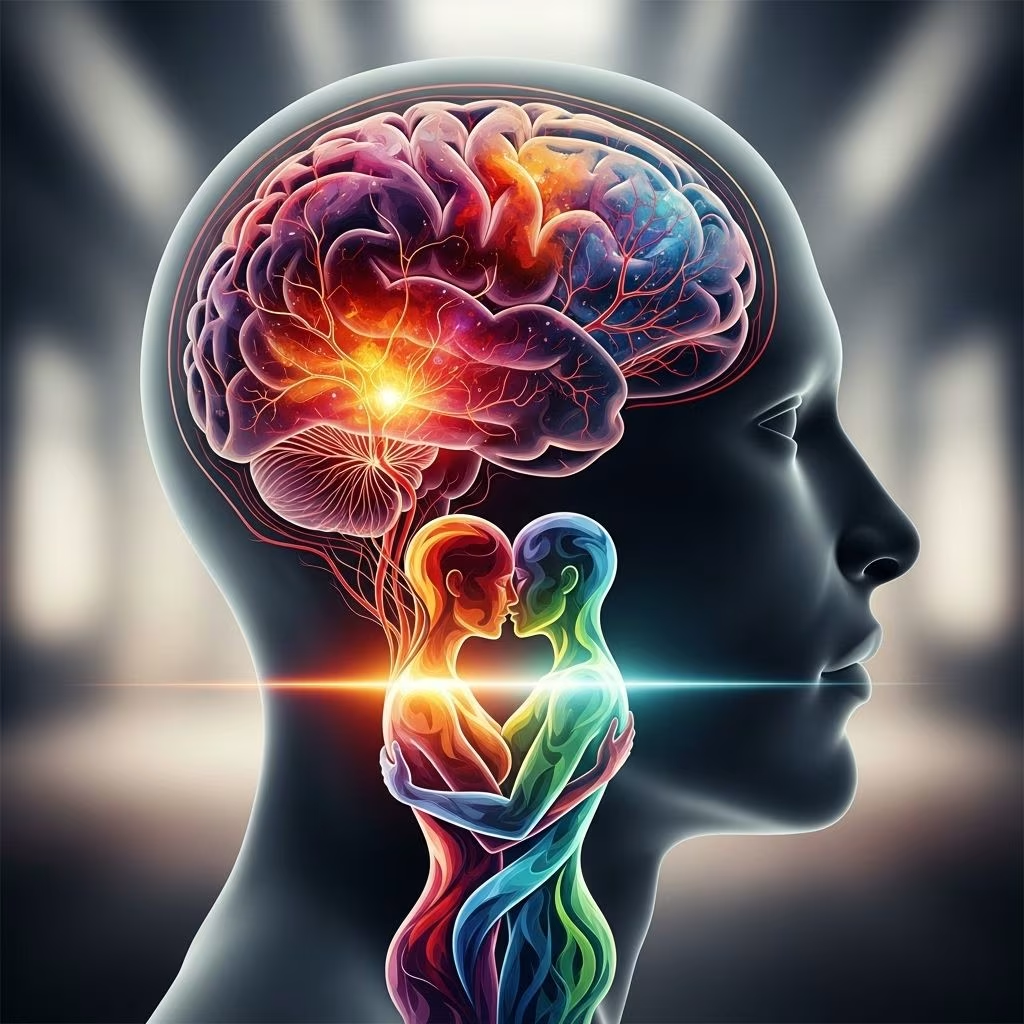
Lust, often misunderstood or dismissed as mere physical attraction, plays a complex role in human psychology and relationships. This article explores lust’s psychological origins, physiological mechanisms, impact on well-being, and how it differs from love and infatuation.
What Is Lust?
Lust is a strong physical desire, typically toward another person. It is fundamentally rooted in sexual attraction and is associated with intense craving or longing for sexual gratification. Unlike love, which encompasses a broader emotional range, lust is primarily focused on the fulfillment of sexual needs through physical closeness and arousal.
Psychologists define lust as a powerful biological drive, closely linked to reproductive instincts and dopamine-fueled pleasure-seeking behavior. While it is a normal and natural feeling, lust does not necessarily include deeper emotional attachment or concern for another’s long-term well-being.
Key Characteristics of Lust
- Intense sexual attraction: Primary focus on physical appeal and sexual interest.
- Immediate gratification: Lust seeks short-term pleasure rather than future-oriented connection.
- Shallow or fantasy-based attachment: The desire often centers on an idealized image of another person.
- Limited emotional intimacy: Emotional depth and vulnerability are not required for lust to occur.
How Does Lust Work?
Lust is triggered by biological and psychological mechanisms designed to promote mating and reproduction. These mechanisms include:
- Neurochemical Changes: Lust activates the brain’s reward systems, flooding the body with dopamine (a pleasure neurotransmitter), testosterone, and other hormones that heighten sexual arousal and desire.
- Physical Signs: Increased heart rate, flushed skin, and heightened senses often accompany feelings of lust.
- Cognitive Patterns: Thoughts become intensely focused on the object of desire, sometimes leading to idealization or obsession.
The sensations of lust can feel overwhelming and urgent, pushing individuals toward sexual action. While these fleeting highs can be pleasurable, they often lack the lasting fulfillment provided by deeper emotional bonds.
Lust vs. Love: Key Differences
While lust and love may appear similar during the early stages of attraction, they have notable differences.
| Aspect | Lust | Love |
|---|---|---|
| Focus | Physical desire and sexual gratification | Emotional intimacy, trust, and long-term commitment |
| Duration | Often short-lived, peaks quickly | Develops gradually, lasts longer |
| Attachment style | Shallow, may be based on fantasy or idealization | Deep, mutual understanding, care for well-being |
| Outcomes | Leads to immediate pleasure, possible disappointment | Promotes growth, companionship, security |
According to experts, lust is often the first spark that brings people together, but it rarely sustains a relationship over time. Love, conversely, provides depth, support, and a stable foundation for enduring partnership.
Infatuation: The Middle Ground
Infatuation is a closely related concept, often involving both lust and idealization. It is an emotional high characterized by obsessive thinking, excitement, and fantasy about another person. Infatuation, like lust, typically fades as reality sets in and true knowledge of the other person develops.
- Infatuation: Marked by idealizing the person, shallow understanding, and emotional highs.
- Lust: Purely physical attraction, lacking strong emotional or intellectual connection.
- Love: Built on trust, mutual respect, realistic understanding, and care.
While all three can exist together in a relationship, infatuation and lust often dominate in the early phases, while love becomes more evident as emotional intimacy grows.
Lust’s Role in Relationships
Lust is an important part of human experience and can contribute positively to romantic and sexual relationships. It can:
- Spark attraction and lead to initial connection.
- Maintain sexual excitement and playfulness in established partnerships.
- Serve as an important aspect of sexual satisfaction within intimacy.
However, when lust overshadows emotional intimacy and communication, it can cause problems. Relationship experts note:
- Lust can sabotage trust and connection: When pursued compulsively or secretly, lust can erode trust, create emotional distance, and even lead to infidelity or relational dissatisfaction.
- Short-term pleasure versus long-term fulfillment: Over-relying on lust often means sacrificing deeper satisfaction that comes from vulnerable and honest connection.
- Unrealistic expectations: Idealizing a partner’s appearance or sexual performance can lead to disappointment or tension within the relationship.
The Psychological Impact of Lust
Lust is biologically normal, but unchecked or compulsive lust can have consequences for emotional and mental well-being.
- Emotional swings: The cycle of short-term pleasure followed by emptiness can result in anxiety, shame, and even depression over time.
- Relationship strain: Partners may feel disconnected if physical desire replaces emotional intimacy.
- Diminished self-esteem: Over-consumption of explicit material or compulsive sexual pursuit can erode confidence and focus.
Research has shown that individuals with excessive reliance on lust-based behaviors (such as pornography use or serial sexual relationships) often struggle with lower motivation, distracted focus, and more difficulty achieving long-term goals.
Lust in Men and Women
Although lust is a universal human experience, studies suggest it may manifest differently in men and women due to social conditioning, hormonal differences, and cultural expectations.
- Men: May exhibit more overt behaviors and report higher rates of sexual fantasy and visual attraction.
- Women: Often prioritize emotional intimacy but still experience strong sexual desire. Context and emotional connection can amplify lust in women.
Regardless of gender, pursuing lust exclusively—without balancing it with emotional connection—can hinder long-term happiness and relationship success.
Managing Lust in Healthy Ways
Lust cannot and should not be eliminated—it serves a biological and psychological function. However, healthy management ensures it doesn’t sabotage well-being or relationships.
- Recognize patterns: Awareness of when lust distracts you from important long-term goals is vital. Track behaviors and triggers.
- Focus on values: Realign actions with deeper personal values, such as integrity, honesty, and respect for others.
- Enhance emotional intimacy: Invest in building emotional connection and communication alongside sexual desire.
- Seek support if needed: If lust feels compulsive or damaging, consider speaking with a therapist or counselor.
Can You Feel Lust and Love at the Same Time?
It is possible—and healthy—to feel lust and love simultaneously. Strong sexual desire often exists alongside deep emotional bonds in vibrant relationships. However, sustaining lasting love requires conscious effort to build trust, intimacy, and honest communication.
- Take time for romantic and intimate gestures.
- Prioritize open communication about desires, boundaries, and needs.
- Cultivate mutual respect and emotional vulnerability.
Experts recommend keeping relationships exciting by exploring new experiences together and periodically deepening emotional intimacy, not just physical attraction.
Ethical Communication of Lust
When expressing lustful feelings, honesty and consent are essential. Clearly and respectfully communicate your desires, ensuring that both partners are comfortable and engaged.
- Be direct about feelings of attraction while prioritizing the other’s boundaries and well-being.
- Always confirm mutual interest and consent before pursuing sexual activity.
- Respect that desire may fluctuate over time, and focus on maintaining open dialogue.
Frequently Asked Questions (FAQs)
Q: Can lust become love?
Yes, lust can evolve into love if it is followed by growing emotional intimacy, trust, and deeper understanding. However, not all lustful relationships become loving partnerships.
Q: Is it bad to feel lust?
No, lust is a natural biological feeling. Problems arise only when lust becomes compulsive, secretive, or replaces emotional connection and respect.
Q: Can you love someone without feeling lust?
Yes, love can exist without strong sexual desire, especially in long-term partnerships or situations where emotional connection is prioritized above physical attraction.
Q: How can I manage intense feelings of lust?
Recognize if lust is distracting you from your values or long-term goals. Practice mindfulness, seek emotional connection, and consider counseling if it feels overwhelming or uncontrollable.
Q: What are some signs that lust is harming my relationship?
Warning signs include emotional withdrawal, secrecy, unrealistic expectations, and chronic dissatisfaction. If worries persist, addressing them together with a partner or professional can help.
Summary Table: Lust, Infatuation, and Love
| Feature | Lust | Infatuation | Love |
|---|---|---|---|
| Core driver | Sexual desire | Idealization + sexual attraction | Emotional intimacy |
| Compatibility | N/A | Low | High (with work) |
| Longevity | Short-lived | Medium (often fades) | Long-term |
| Impact on relationships | Can sabotage if exclusive | Exciting, but rarely lasting | Builds stability, trust |
| Healthy management | Channel into connection | Grow beyond fantasy | Prioritize communication, vulnerability |
Conclusion
Lust is a normal and powerful part of the human experience. When balanced with emotional intimacy, honesty, and mutual respect, sexual desire can fuel vibrant, satisfying relationships. However, relying exclusively on lust or allowing it to dominate relational and personal priorities can lead to emotional emptiness, anxiety, and disconnection. Understanding the differences between lust, infatuation, and love—and working to honor and integrate each aspect—ensures healthier, happier relationships and personal growth.
References
- https://www.stumurray.com/blog/how-lust-is-sabotaging-your-mental-health-and-relationshipsand-what-you-can-do-about-it
- https://www.scribd.com/document/547610215/Lust-vs-Love-What-s-the-Difference
- https://smart.dhgate.com/lust-feels-amazing-but-is-it-actually-love-how-do-you-know-for-sure/
- https://positivepsychology.com/couples-counseling/


