


\n\n
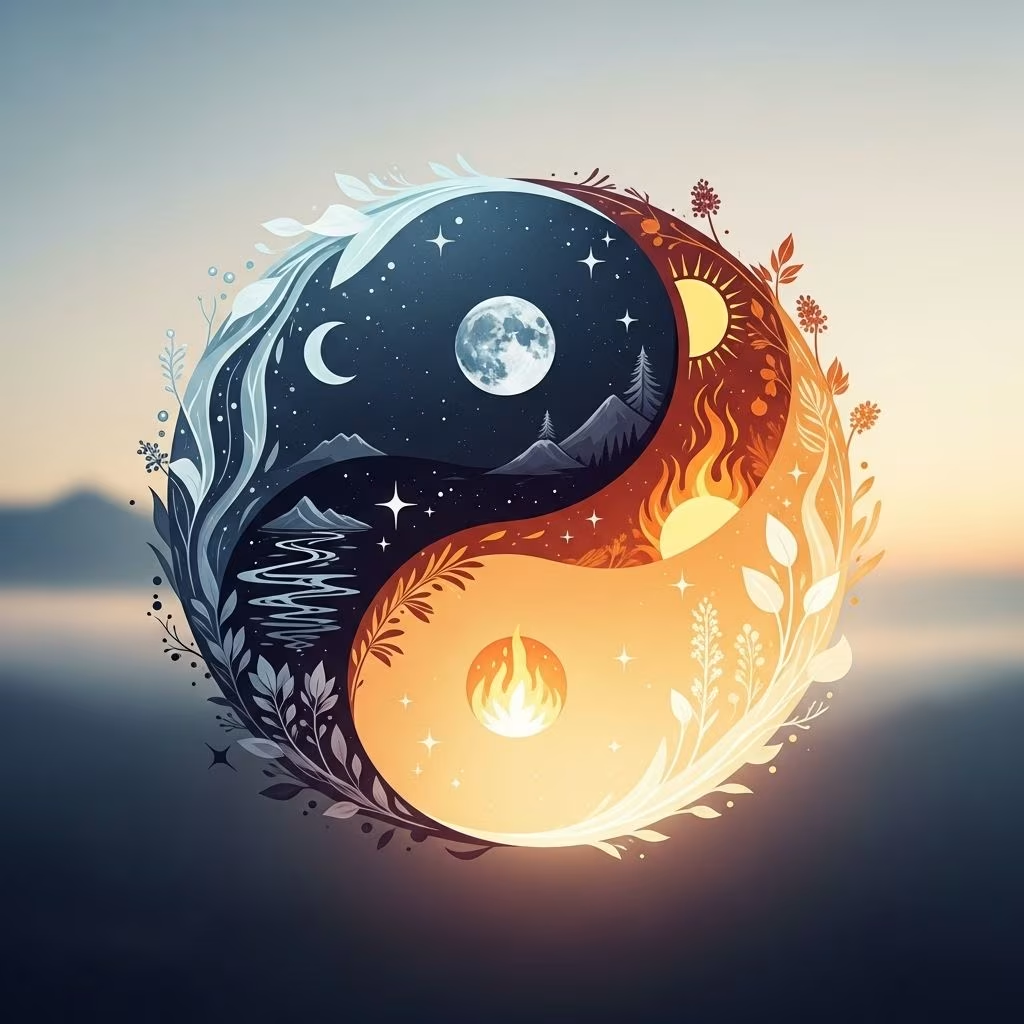
The ancient Chinese philosophy of Yin and Yang provides a unique lens for understanding and supporting mental health. In a world where stress, anxiety, and emotional swings are prevalent, this timeless duality offers a path to sustained emotional balance and resilience. By harmonizing Yin (calm, introspection) and Yang (energy, action), we can cultivate a steadier state of well-being in the mind and body.
\n\n
Understanding Yin and Yang: The Foundations
\n
At its core, Yin and Yang represent two fundamental, interdependent forces present in everything. This duality is not merely about opposition, but about the dynamic interplay between complementary qualities. Yin is associated with receptiveness, rest, intuition, and calm, while Yang embodies activity, movement, engagement, and outward expression.
\n
- \n
- Yin: Night, stillness, softness, introspection, nurturing, feminine energy
- Yang: Day, activity, vigor, assertiveness, extroversion, masculine energy
\n
\n
\n
Crucially, Yin and Yang exist in a constant state of flux, flowing into and out of each other based on context and need. No state is better than the other; instead, optimal health is found in their balance and mutual support.
\n\n
The Four Principles of Yin and Yang
\n
- \n
- Opposition: Each aspect contrasts the other (e.g., rest vs. activity)
- Interdependence: Neither exists without the other; their existence is mutually conditional
- Mutual Consumption: An excess in one leads to a decline in the other, and vice versa
- Intertransformation: Yin and Yang transform into one another, such as day shifting into night
\n
\n
\n
\n
\n\n
Yin and Yang in Emotional and Mental Health
\n
Each person contains aspects of both Yin and Yang, and their interaction shapes our emotional landscape and mental patterns. Mental health challenges often arise when these energies are out of sync, such as feeling constantly drained (Yin excess, Yang deficiency) or persistently agitated (Yang excess, Yin deficiency).
\n\n
Yin Mental States: Calm, Introspection, and Receptivity
\n
Yin-dominated moments are those of reflection, calm, and emotional processing. They support:
\n
- \n
- Self-awareness: Taking time to notice your thoughts and feelings
- Contemplation: Engaging thoughtfully with your experiences
- Intuition: Trusting your inner wisdom
- Stillness: Experiencing peace and mental quiet
\n
\n
\n
\n
\n
| Yin Mental Quality | How It Appears in Life |
|---|---|
| Receptiveness | Being open to new ideas, emotions, or perspectives |
| Contemplation | Practicing deep thought and self-reflection |
| Stillness | Finding mental calm and emotional peace |
| Intuition | Trusting one’s gut feelings or inner guidance |
\n\n
Yang Mental States: Activity, Engagement, and Expression
\n
Yang qualities are displayed in engagement with the external world, action, and assertive problem-solving. Highlights include:
\n
- \n
- Motivation: Feeling energized to pursue your goals
- Outgoing energy: Engaging with others and your environment
- Expressiveness: Acting on your desires and emotions
- Assertiveness: Standing up for yourself or for others when needed
\n
\n
\n
\n
\n\n
How Yin and Yang Affect Mental Health
\n
Imbalances of Yin and Yang can manifest as emotional and psychological difficulties. The right integration allows better emotion regulation, stress coping, and mental peace. Traditional Chinese Medicine (TCM) often links depression, anxiety, and even burnout with disruptions to the harmonious flow of Yin-Yang energies.
\n\n
- \n
- Excessive Yin (Not Enough Yang): May present as apathy, withdrawal, lethargy, or persistent sadness.
- Excessive Yang (Not Enough Yin): Can lead to agitation, anger, restlessness, anxiety, or impulsiveness.
\n
\n
\n\n
Yin and Yang, Qi, and the Nervous System
\n
In Chinese philosophy, the interaction of Yin and Yang produces Qi—the vital life force that circulates throughout the body and mind. Qi flow is a symbol of vitality, coherence, and adaptability, and is essential for physical and mental harmony.
\nModern science finds echoes of this duality in the autonomic nervous system (ANS):
\n
- \n
- Sympathetic Nervous System (Yang): Manages stress reactions (“fight or flight”)
- Parasympathetic Nervous System (Yin): Regulates relaxation and digestion (“rest and digest”)
\n
\n
\n
Balanced autonomic function means emotional resilience, adaptability to stress, and a greater capacity for restful recovery.
\n\n
Why Balance Is Essential for Mental Health
\n
Balance—neither persistent calm nor constant energy—is key to long-term emotional health. Being stuck in a reactive, high-stakes Yang mode can cause burnout and anxiety, while retreating too deeply into Yin can foster isolation and depression. By learning to recognize and nurture both states, we build:
\n
- \n
- Emotional stability
- Greater resilience in the face of life’s challenges
- Improved self-awareness and adaptability
\n
\n
\n
\n
This process supports holistic well-being—not just the absence of distress but the presence of peace and vitality.
\n\n
Practical Ways to Foster Yin-Yang Balance in Mental Health
\n
Applying Yin-Yang wisdom is not abstract; it offers direct, actionable strategies for managing stress, enhancing self-regulation, and deepening well-being.
\n\n
Yin-Focused Activities
\n
- \n
- Meditation and Mindfulness: Practices that cultivate present-moment awareness and inner quiet
- Journaling: Encouraging introspection and processing thoughts and emotions in a safe space
- Restorative Yoga and Deep Breathing: Supporting nervous system reset and emotional calm
- Nature Walks: Fostering reflection and connection to the natural world
\n
\n
\n
\n
\n\n
Yang-Focused Activities
\n
- \n
- Aerobic Exercise: Stimulates endorphins and increases positive energy
- Creative Expression: Art, music, or active communication to process and share emotions
- Goal Setting and Planning: Taking initiative in daily life
- Social Engagement: Actively connecting with friends, support groups, or communities
\n
\n
\n
\n
\n\n
Integrated Practices
\n
- \n
- Alternate Rest and Activity: Balance periods of productivity with scheduled times for rest and reflection
- Therapeutic Approaches: Cognitive behavioral therapy (CBT) combined with mindfulness or traditional Chinese practices
- Mindful Movement Disciplines: Tai Chi, Qigong, or even gentle dance, which harmonize active and mindful energies
\n
\n
\n
\n\n
The Yin-Yang Definition Model of Mental Health
\n
Recent psychological research proposes a Yin–Yang Model of Mental Health that draws on Confucian and Taoist philosophy.
\n
| Aspect | Yin Features | Yang Features |
|---|---|---|
| Emotion | Peaceful, tranquil, accepting | Active, passionate, driven |
| Mind | Introspective, contemplative | Outward-focused, goal-oriented |
| Behavior | Passive, patient, flexible | Proactive, assertive, decisive |
\n
An effective strategy for well-being is to develop the adaptability to engage both sides as life demands.
\n\n
Recognizing Yin-Yang Imbalance: Signs and Symptoms
\n
The signs of imbalance may manifest physically, emotionally, or in thinking/behavioral patterns:
\n
- \n
- Persistent fatigue (Yin excess), or chronic stress and tension (Yang excess)
- Avoidance, withdrawal, loss of motivation (Yin excess)
- Agitation, irritability, inability to rest (Yang excess)
- Poor sleep, digestive issues, or mood swings
\n
\n
\n
\n
\n
Awareness of these patterns allows for timely self-correction and support, using both introspection (Yin) and positive action (Yang).
\n\n
Expert Insights on Yin and Yang in Modern Living
\n
According to leading mental health advocates and practitioners:
\n
- \n
- Dr. Vincenzo Aliberti highlights that “The concept of yin yang, rooted in Chinese philosophy and culture, holds significant implications for mental health.”
- Integrating both calmness and assertiveness into daily life is vital for emotional equilibrium.
- The ancient duality mirrors modern understandings of psychological flexibility and emotional regulation.
\n
\n
\n
\n\n
Applying Yin and Yang to Everyday Life
\n
Balancing Yin and Yang is a dynamic, ongoing process that adapts as life circumstances change. Some practical steps include:
\n
- \n
- Self-reflection: Regularly check in with yourself—Are you feeling depleted (Yin excess) or burnt out (Yang excess)?
- Rituals for balance: Integrate moments of silence throughout the day if you’re overstimulated, or step into new experiences when you feel stagnant.
- Integrate body and mind: Encourage harmony by connecting physical well-being with emotional awareness (for example, pairing breathwork with journaling).
- Seek holistic support: Don’t hesitate to combine Western and traditional wellness approaches, as complementary therapies can support both Yin and Yang aspects.
\n
\n
\n
\n
\n\n
Key Practices and Takeaways
\n
To sustain emotional and mental balance, consider adopting the following approaches:
\n
- \n
- Recognition: Notice which aspect (Yin or Yang) might require more attention in your current phase of life
- Adaptability: Remain open to transitioning between rest and engagement, withdrawal and action
- Community: Connect with others for perspective and support, as both solitude and socialization are important
- Continuous learning: Explore ancient philosophies and evidence-based psychology for a multi-layered understanding of yourself
\n
\n
\n
\n
\n\n
Frequently Asked Questions (FAQs)
\n
How can the Yin-Yang philosophy help with anxiety or depression?
\n
By identifying whether your symptoms are rooted in excess energy (Yang) or exhaustion and apathy (Yin), you can choose complementary strategies—such as grounding meditation for anxiety, or gentle exercise for depressive slowness—to restore emotional stability.
\n\n
Are there specific therapies that combine Yin-Yang theory and modern psychology?
\n
Certain integrative therapy models blend mindfulness, body-based practices, and cognitive-behavioral tools to strengthen both reflective and action-oriented capacities for healing.
\n\n
How do I know if I am out of balance?
\n
Signs such as persistent fatigue, chronic stress, unmanageable mood swings, or feeling stuck in either extreme (over-scheduled or overly withdrawn) may suggest an imbalance. Self-reflection and feedback from trusted friends or professionals can provide insight.
\n\n
Can balancing Yin and Yang improve physical health too?
\n
Yes, the interconnectedness of mind and body means that improved emotional balance supports better sleep, digestion, and immune function—key aspects of physical health.
\n\n
What is the first step towards achieving Yin-Yang balance?
\n
Start with awareness and gentle experimentation—notice your daily patterns, try alternating between active and restorative practices, and adjust as you observe improvements in your well-being.
\n\n
Explore Further Resources
\n
- \n
- Study ancient Taoist writings for more on balance and harmony
- Consult traditional Chinese medicine practitioners for personalized insights
- Read about the Yin-Yang Model for new mental health frameworks
\n
\n
\n
\n\n
References
\n
- \n
- Yin–Yang Balance for Mental Health — Book of Tao
- The Importance Of Yin & Yang Balance In Mind And Body — Chenot
- The Yin–Yang Definition Model of Mental Health — Frontiers in Psychology
\n
\n
\n
\n
References
- https://bookoftao.com/blog/yin-yang-balance-for-mental-health
- https://www.chenot.com/blog/2024/05/02/the-importance-of-yin-yang-balance-in-mind-and-body/
- https://www.frontiersin.org/journals/psychology/articles/10.3389/fpsyg.2022.832076/full
- https://thirdopinionmd.org/how-the-yin-and-yang-principles-apply-to-your-health/
- https://pmc.ncbi.nlm.nih.gov/articles/PMC8520120/
- https://www.lettheverseflow.com/yin-and-yang-in-daily-life/
- https://evolvewellnessvancouver.ca/2022/06/10/yin-yang-explained-how-to-apply-this-ancient-principle-to-modern-life/


