12 Healthiest Chocolate Bars & Snacks: The Ultimate Guide to Guilt-Free Indulgence
If you’ve ever wondered whether chocolate can fit into a healthy lifestyle, you’re not alone. Chocolate—especially varieties that are packed with cacao, antioxidants, and fewer additives—can satisfy sweet cravings and still offer real health benefits when enjoyed smartly. In this article, we’ll reveal the healthiest chocolate bars and snacks, provide expert insights on what sets them apart, unpack nutritional facts, and answer some of the internet’s burning chocolate questions.
Why Chocolate Can Be Healthy
Chocolate, especially dark varieties with high cacao content, is rich in antioxidants known as flavanols. Studies suggest that these compounds are associated with a reduced risk of cardiovascular disease, improved brain function, and even potential protection against certain cancers. But not all chocolate is created equal. The type, quality, and ingredients matter—so let’s break it down.
How to Choose the Healthiest Chocolate Bars
- Look for higher cacao content (at least 70%): More cacao means more antioxidants and less added sugar.
- Avoid bars with high amounts of added sugar, fillers, or artificial additives.
- Read the label for simple, recognizable ingredients. A short ingredient list often signals a purer product.
- For allergen concerns, seek chocolates labeled nut-, dairy-, and gluten-free.
- Keto or low-carb? Opt for bars sweetened with stevia or other natural sugar alternatives.
12 Best Healthy Chocolate Bars & Snacks
Here is a curated list of the healthiest chocolate bars and snacks available. Each entry highlights its nutritional perks and flavor profile.
| Bar/Snack | Cacao % | Sugar (per serving) | Special Features |
|---|---|---|---|
| Pascha Organic Dark Chocolate Bar | 85% | 4g (added) | Allergen-free, 4 ingredients, sustainably sourced |
| Lily’s Sweets Extra Dark Chocolate Bar | 70% | 0g (added) – sweetened with stevia | Keto-friendly, sugar-free |
| Alter Eco Deep Dark Blackout | 85% | Low | Fair Trade, organic ingredients |
| Hu Kitchen Simple Chocolate Bar | 70% | Low | Paleo, vegan, no refined sugars |
| Green & Black’s Organic Dark Chocolate | 70% | Moderate | Certified organic, balanced flavor |
| Endangered Species Dark Chocolate | 88% | Very low | Supports wildlife protection, non-GMO |
| Chocolove Strong Dark Chocolate | 70% | Moderate | Rich texture, Belgian chocolate |
| Theo Pure Dark Chocolate | 85% | Low | Organic, fair trade ingredients |
| Scharffen Berger Extra Dark Chocolate | 82% | Low | Crafted in small batches |
| Ghirardelli Intense Dark Chocolate | 86% | Low | Widely available, smooth taste |
| Chocolatier Chocolate Covered Almonds | 60-70% | Depends on brand | Healthy nuts boost protein & healthy fat |
| Chocolate-Coated Sunflower Seeds | Varies | Low-moderate | Vitamin E-rich, crunchy snack |
Key Nutritional Benefits of Healthy Chocolate
- Rich in antioxidants (flavanols/flavonoids), which may support heart health, cognitive function, and lower inflammation.
- Mineral-rich, providing magnesium, iron, copper, and potassium.
- Plant-based — especially in vegan options, with minimal dairy or animal products.
- May help lower blood pressure and improve insulin sensitivity.
- Can aid weight management and boost mood when part of a balanced diet.
Healthy Chocolate Snacks: Beyond the Bar
Bars aren’t the only way to enjoy chocolate’s benefits. There’s a world of health-focused chocolate snacks worth exploring.
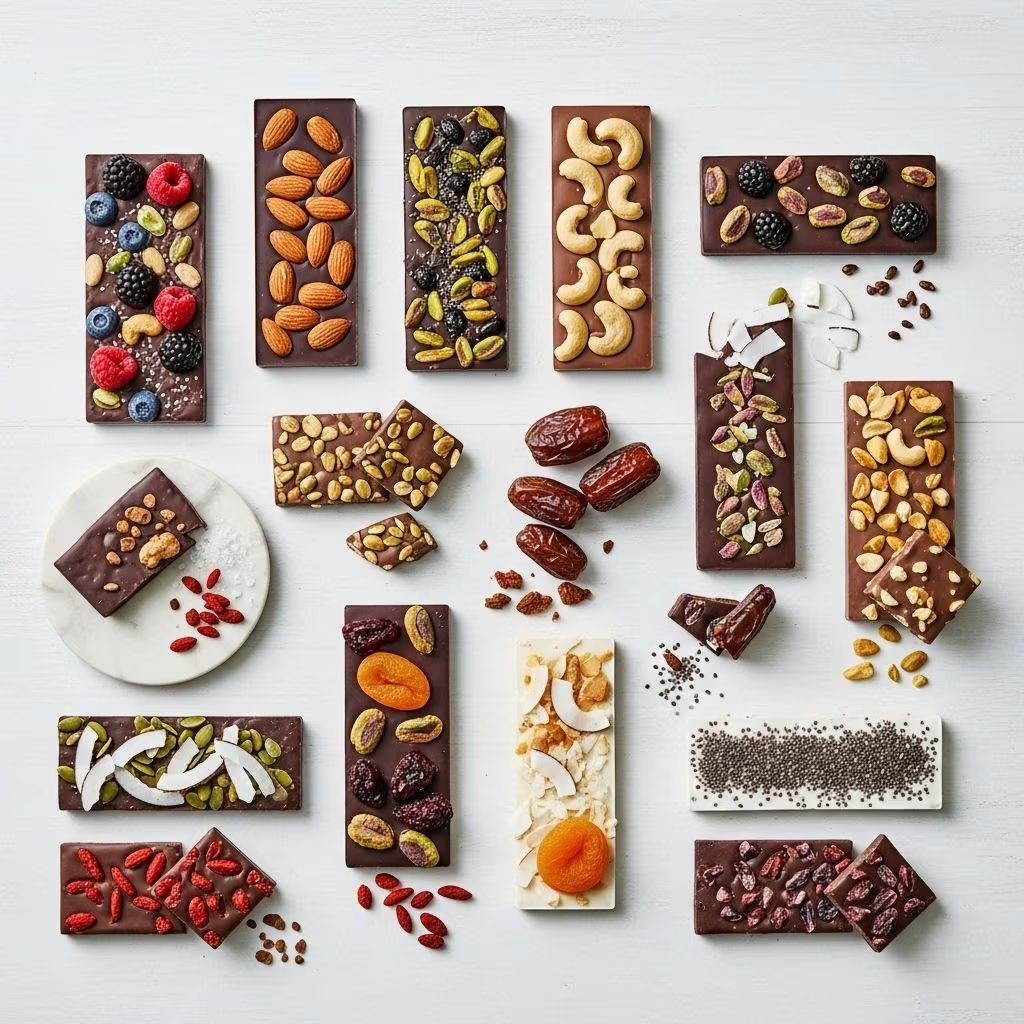
- Chocolate-Covered Almonds: Almonds add fiber, protein, and good fats, making this snack a satisfying, energizing option. Stick to a small handful to keep calories in check.
- Chocolate-Covered Sunflower Seeds: Packed with vitamin E and crunch, these mini snacks are nutritional standouts.
- Dark Chocolate Nut Clusters: Combining chocolate with walnuts or pecans delivers omega-3 and sustained energy.
- Cacao Nibs: Unsweetened, crunchy bits loaded with antioxidants and subtle chocolate flavor.
When choosing chocolate snacks, watch portion sizes as nuts and seeds are calorie-dense. Pairing chocolate with protein and fiber also helps limit sugar spikes.
Is Chocolate Really Healthy? Debunking Myths
While research supports the health perks of cacao, experts emphasize moderation. Dark chocolate contains antioxidants, vitamins, and minerals, but it is also calorie-rich and may contain added sugars. Nutritionists recommend treating chocolate as a mindful snack, not a staple food.
When comparing chocolate types:
- Dark chocolate (70%+ cacao) is nutritionally superior, with more antioxidants and less sugar.
- Milk chocolate has some flavanols but more sugar and fat.
- White chocolate contains no flavanols and mostly consists of cocoa butter, sugar, and milk solids.
Expert Perspective
According to registered dietitian Lisa R. Young, Ph.D., dark chocolate “does contain antioxidants, flavonoids, vitamins, and minerals, but let’s not call it a health food—it still contains plenty of sugar and fat.” She advises enjoying about a quarter of a full-size bar as a reasonable serving size. Moderation ensures you reap the benefits without overdoing sugar or calories.
Smart Portion Control for Chocolate Lovers
- Experts recommend no more than 1/4 to 1/3 of a standard bar per sitting.
- For snacks like chocolate-covered almonds or seeds, keep to a small handful (typically 10-15 pieces).
- Read product labels for serving size and nutritional breakdown.
- Balance chocolate treats with nutrient-rich meals and consistent exercise.
Healthy Chocolate for Special Diets
- Allergy-friendly chocolates now abound, with brands free from nuts, dairy, gluten, or soy. Look for certifications on the label for extra peace of mind.
- Keto-friendly bars skip added sugars for natural alternatives like stevia or erythritol. These options allow for indulgence while following low-carb or diabetic-friendly diets.
- Vegan chocolate bars rely on cacao, coconut, and plant-based sweeteners, ensuring no animal-derived ingredients are added.
Chocolate & Weight Loss: Is It Possible?
Surprisingly, incorporating modest amounts of dark chocolate (minimum 80% cacao) into a balanced low-carb diet has been shown to assist with weight management. Some studies report participants losing weight 10% faster when eating a bar a day versus standard dieters. Chocolate’s effect may be related to bioactive compounds impacting the brain’s reward system or metabolism.
Still, nutritionists recommend patience: chocolate may offer subtle benefits, but results often emerge gradually and only in concert with other healthy habits.
Chocolate Health Myths: What Does the Science Say?
- Not all health claims about chocolate hold up. While cacao is nutrient-rich, media headlines often exaggerate individual study findings.
- Diabetes prevention: Some evidence links moderate dark chocolate intake with improved insulin sensitivity, but this requires further research.
- Weight loss: Chocolate may aid healthy diets in moderation, but more research is needed.
- Sun protection: Some studies suggest flavanols may reduce UV skin damage, but the effects are not a substitute for sunscreen.
Tips for Maximizing the Health Benefits of Chocolate
- Opt for bars with fewer than five ingredients.
- Seek out organic, fair trade, and sustainably sourced chocolate for purity and ethical impact.
- Pick chocolates in the 70%-90% cacao range for highest antioxidants.
- Enjoy chocolate slowly and savor the experience—mindful eating reduces overeating.
- Balance chocolate with whole foods (fruits, nuts, yogurt).
Frequently Asked Questions (FAQ)
Q1: How much dark chocolate should I eat for health benefits?
Aim for 1/4 of a full-size bar (about 20g), a few times per week, to maximize antioxidants without overdoing calories or sugar.
Q2: Is dark chocolate healthier than milk or white chocolate?
Yes. Dark chocolate contains significantly more antioxidants, less sugar, and higher mineral content than milk or white chocolate, which have more additives and fewer health benefits.
Q3: Can chocolate really help with weight loss?
Possibly, if included mindfully within a lower-carb or balanced diet. Some studies report modest weight loss advantages—most likely tied to psychological satisfaction, metabolism, and diet adherence.
Q4: What should I avoid when picking chocolate?
Steer clear of products with high added sugars, hydrogenated oils, artificial flavors, or unrecognizable ingredients. These dilute the health perks and can contribute to inflammation and weight gain.
Q5: Are there good chocolate snacks for nut allergies?
Yes. Brands such as Pascha offer completely nut-free, dairy-free, and allergen-friendly chocolate bars that use simple ingredients and meet strict standards.
Quick Guide: Comparing Chocolate Bar Types
| Chocolate Type | Cacao (%) | Antioxidants | Sugar Content | Health Benefits |
|---|---|---|---|---|
| Dark Chocolate | 70-90% | High | Low | Heart health, brain support |
| Milk Chocolate | 30-50% | Moderate | High | Some benefits, but less than dark chocolate |
| White Chocolate | 0% | None | Very High | Mainly for taste, no major health benefit |
Smart Indulgence: Why Quality Matters
Chocolate can be a flavorful part of a healthy diet when you choose wisely. Focus on high-cacao bars with simple ingredients, keep portions moderate, and enjoy your chocolate slowly. The healthiest options aren’t just better for your body—they’re more satisfying too. By following these guidelines, you can indulge in chocolate without the guilt and gain the peace of mind that comes from making an informed, delicious choice.
References
- https://nuts.com/healthy-eating/chocolate-thats-good-for-you
- https://www.acacaoaffair.com/blogs/atlanta-chocolatier-blog/619730-15-healthy-dark-chocolate-bars-that-aren-t-sugar-bombs–according-to-dietitians
- https://www.prevention.com/food-nutrition/healthy-eating/g25728973/healthy-chocolate-bars-snacks/
- https://www.prevention.com/weight-loss/a20454973/chocolate-for-weight-loss/
- https://www.thechocolatejournalist.com/blog/media-lie-about-health-benefits-of-chocolate