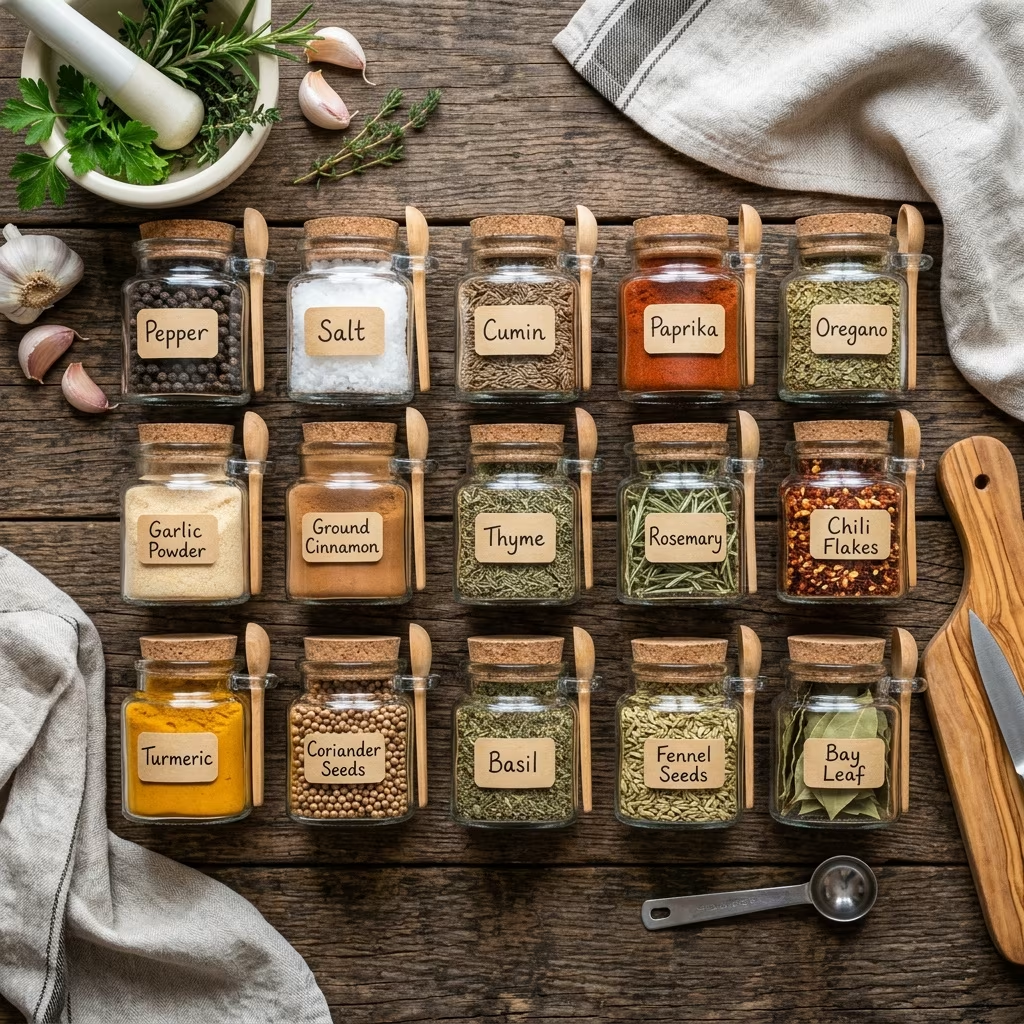
Great cooking often comes down to having the right flavors at your fingertips. Whether you’re building bold curries, delicate baked goods, or punchy salads, herbs and spices are the secret weapons every home cook needs. This comprehensive guide highlights the 15 most essential herbs and spices for a versatile and flavorful kitchen, offering practical tips, pairing advice, and creative ways to use each.
Why Stock Your Kitchen With Herbs and Spices?
Herbs and spices do more than just make food taste good—they add complexity, aroma, and sometimes even nutritional benefits. Having a well-stocked spice rack can turn plain vegetables into crave-worthy sides or transform simple proteins into restaurant-worthy entrées. Keeping basics on hand means you’re always ready to experiment, elevate your meals, or try something new without a trip to the store.
Understanding Herbs vs. Spices
Though often grouped together, herbs and spices come from different parts of plants:
- Herbs are typically the leafy green portions—think basil, parsley, or rosemary.
- Spices usually refer to seeds, bark, roots, or berries, like cinnamon, cumin, or peppercorns.
Both are essential to a balanced, aromatic kitchen—and often, a blend of both creates the best flavors.
The 15 Must-Have Herbs and Spices
Here are the baseline building blocks every home cook should keep stocked, with flavor notes, pairing suggestions, and tips:
1. Black Pepper
Perhaps the most universal spice, black pepper (from dried peppercorns) lends sharp, pungent heat to countless dishes. Freshly ground is best for potency and aroma.
- Pairs with: Nearly everything—meats, salads, eggs, pasta, and more.
- Culinary tip: Add at the end of cooking to preserve flavor.
2. Salt
Salt is foundational for seasoning, enhancing sweetness, and balancing flavors. Kosher salt is great for cooking, while sea salt often finishes a dish with crunch and minerals.
- Pairs with: All savory dishes, some baked goods, and even desserts.
- Storage tip: Keep both fine and flaky salts for versatility.
3. Garlic Powder
Ground, dried garlic brings an instant umami-rich, pungent kick when fresh garlic cloves aren’t handy. Use in marinades, rubs, or seasoning blends.
- Pairs with: Roasted vegetables, meats, dressings, and pizza.
- Pro tip: Be cautious with salt content—many garlic salts are salted blends.
4. Basil
Sweet, aromatic basil shines in Mediterranean and Southeast Asian cooking. Use dried for sauces and fresh to finish dishes.
- Pairs with: Tomatoes, mozzarella, pasta, and Thai dishes.
- Usage tip: Add dried basil early in cooking; add fresh at the end to preserve aroma.
5. Oregano
Oregano offers robust, slightly bitter notes perfect for Italian and Greek cuisine.
- Pairs with: Pizza, grilled meats, beans, and eggplant.
- Flavor tip: Dried oregano can be more pungent than fresh; start small and build up.
6. Rosemary
Rosemary is piney and fragrant, ideal for hearty roasting. Its sturdy leaves stand up to long cooking times.
- Pairs with: Roasted potatoes and meats, focaccia, and stews.
- Cooking tip: Use whole sprigs for easy removal; crush dried rosemary for better texture in dishes.
7. Thyme
Earthy, slightly minty thyme is a staple in French, Mediterranean, and Creole cuisines. Works well in slow-cooked dishes.
- Pairs with: Poultry, vegetables, beans, and seafood.
- Tip: Dried works well, but fresh elevates subtle recipes and garnishes.
8. Parsley
Fresh, grassy parsley brings a clean finish to soups, salads, and grains. It’s used by the handful in Middle Eastern and Mediterranean dishes.
- Pairs with: Grains, vegetables, fish, and sauces like chimichurri.
- Usage tip: Flat-leaf (“Italian”) parsley offers more flavor than curly.
9. Dill
Delicate and feathery, dill has a distinctive tangy, almost sweet flavor perfect for seafood, pickles, and yogurt sauces.
- Pairs with: Salmon, potatoes, eggs, and cucumbers.
- Flavor tip: Use sparingly—dill can quickly overpower other flavors.
10. Cinnamon
Sourced from tree bark, cinnamon is essential in sweet and savory dishes worldwide. Its warmth and slight sweetness are welcome in both baking and stews.
- Pairs with: Oatmeal, desserts, curries, and stews.
- Pro tip: Cassia cinnamon is most common in U.S. stores; Ceylon is milder but less widely available.
11. Cumin
Earthy, warm, and ever-so-slightly bitter, cumin is a backbone spice in Latin American, Indian, and Middle Eastern cuisine.
- Pairs with: Beans, chili, rice, meats, curries, and roasted veggies.
- Cooking tip: Toast whole cumin seeds before grinding for deeper, richer flavor.
12. Chili Powder
Typically a blend of ground chile peppers, cumin, garlic powder, and oregano, chili powder brings gentle to moderate heat and lots of color.
- Pairs with: Tex-Mex dishes, marinades, stews, and beans.
- Selection tip: Choose blends labeled “chili powder” for American-style recipes.
13. Paprika
A key spice in Spanish, Hungarian, and Eastern European kitchens, paprika ranges from sweet to smoky to hot. It adds red color and gentle flavor to dishes.
- Pairs with: Chicken, roasted vegetables, goulash, deviled eggs.
- Varieties: Try both sweet and smoked (pimentón) paprika for different cuisines.
14. Basil
Back for a second mention, as basil is excellent dried for sauces and vital when fresh. Add the torn leaves to finish pizza, pasta, or salads just before serving.
- Pairs with: Italian and Thai dishes, tomatoes, and cheese.
- Pro tip: Store fresh basil like cut flowers (in water), not in the fridge.
15. Red Pepper Flakes
Red pepper flakes are a go-to for adding controllable heat to pizzas, pastas, or sautés. They’re coarsely ground dried chiles with seeds, so they add kick as well as texture.
- Pairs with: Pizza, eggs, pasta, and stir fries.
- Usage tip: Start with a small pinch, tasting as you go—it’s easy to add but impossible to remove heat.
How to Store Herbs and Spices
- Store in a cool, dry, and dark place—away from heat and light, which degrade flavor.
- Use tight-sealing containers to keep moisture and air out.
- Buy small quantities if you don’t cook often; most dried herbs and spices lose potency after 6–12 months.
- Whole spices usually last longer than pre-ground—grind small amounts as needed for fresher results.
Tips for Cooking With Herbs and Spices
- Add hardier herbs/spices (like rosemary, thyme, and bay leaves) early in recipes for maximum infusion.
- Add soft herbs (like basil, parsley, or dill) toward the end or as a garnish to maximize color and aroma.
- Toast spices in a dry pan before grinding or adding to recipes for a deeper, nuttier flavor.
- Experiment with blending: Many traditional blends (like curry, herbes de Provence, or Chinese five-spice) combine several essential spices.
Simple Table: 15 Must-Have Herbs and Spices At-a-Glance
| Herb/Spice | Main Use | Common Pairings |
|---|---|---|
| Black Pepper | Everyday seasoning | Everything |
| Salt | Seasoning, preserving | Everything |
| Garlic Powder | Rubs, marinades, blends | Veggies, meats |
| Basil | Pasta, sauces | Tomatoes, cheese |
| Oregano | Italian/Greek dishes | Pizza, meats |
| Rosemary | Roasting | Potatoes, chicken |
| Thyme | Soups, stews | Poultry, veg |
| Parsley | Garnish, salads | Grains, fish |
| Dill | Pickling, sauces | Salmon, cucumbers |
| Cinnamon | Baking, curries | Oats, stews |
| Cumin | Chili, curries | Beans, rice |
| Chili Powder | Tex-Mex, stews | Beans, meats |
| Paprika | Color, flavor | Chicken, eggs |
| Basil (Fresh) | Finishing, salads | Pasta, pizza |
| Red Pepper Flakes | Heat | Pasta, pizza, eggs |
Frequently Asked Questions (FAQs)
Q: How long do herbs and spices last in the pantry?
A: Most dried herbs and ground spices keep their best flavor for 6 to 12 months. Whole spices can last longer (up to 2 years) if stored properly.
Q: What’s the difference between herbs and spices?
A: Herbs are leaves (fresh or dried) from plants, while spices come from seeds, roots, bark, or fruits of plants.
Q: Should I use fresh or dried herbs?
A: Both have their place! Dried herbs work well in long-cooked dishes; fresh shine as finishing touches or in raw dishes. Adjust quantities—use 3 times more fresh than dried when substituting.
Q: How can I tell if my spices are still good?
A: Give them a sniff or taste. If the aroma or flavor is faint or dusty, it’s time to replace them for optimal results.
Q: What’s the benefit of buying whole spices?
A: Whole spices retain flavor longer. Grind as needed for fresher, more intense taste, especially important for pepper, cumin, and cinnamon.
Conclusion
Stocking your pantry with these 15 essential herbs and spices sets the foundation for creative, healthy, and delicious home cooking. Rotate your collection regularly, explore new blends and cuisines, and make every meal—not just special occasions—burst with flavor.