25 Ridiculously Low-Calorie Foods to Add to Your Diet
Trying to lose weight, manage your calorie intake, or simply add more nutrients to your daily meals? Choosing foods that pack plenty of nutrition without adding excessive calories is key. These 25 low-calorie foods are not just filling—they’re loaded with vitamins, minerals, and fiber to help you reach your goals while keeping meals delicious and satisfying.
Why Choose Low-Calorie Foods?
Filling up on low-calorie foods can help you enjoy generous portions, curb cravings, and stay full longer. Experts recommend combining foods high in protein and fiber, then pairing those with healthy fats to optimize satiety and nutritional value. Whole foods—such as vegetables, fruits, eggs, and lean proteins—offer more nutrients than most processed alternatives.
- Low energy density: Many low-calorie foods have high water or fiber content, helping you feel full on fewer calories.
- Nutritional variety: Choosing a rainbow of foods ensures diverse vitamins and minerals.
- Sustainable eating: Quality nutrition and lasting satisfaction help minimize snacking and support long-term health.
The Essential List: 25 Ridiculously Low-Calorie Foods
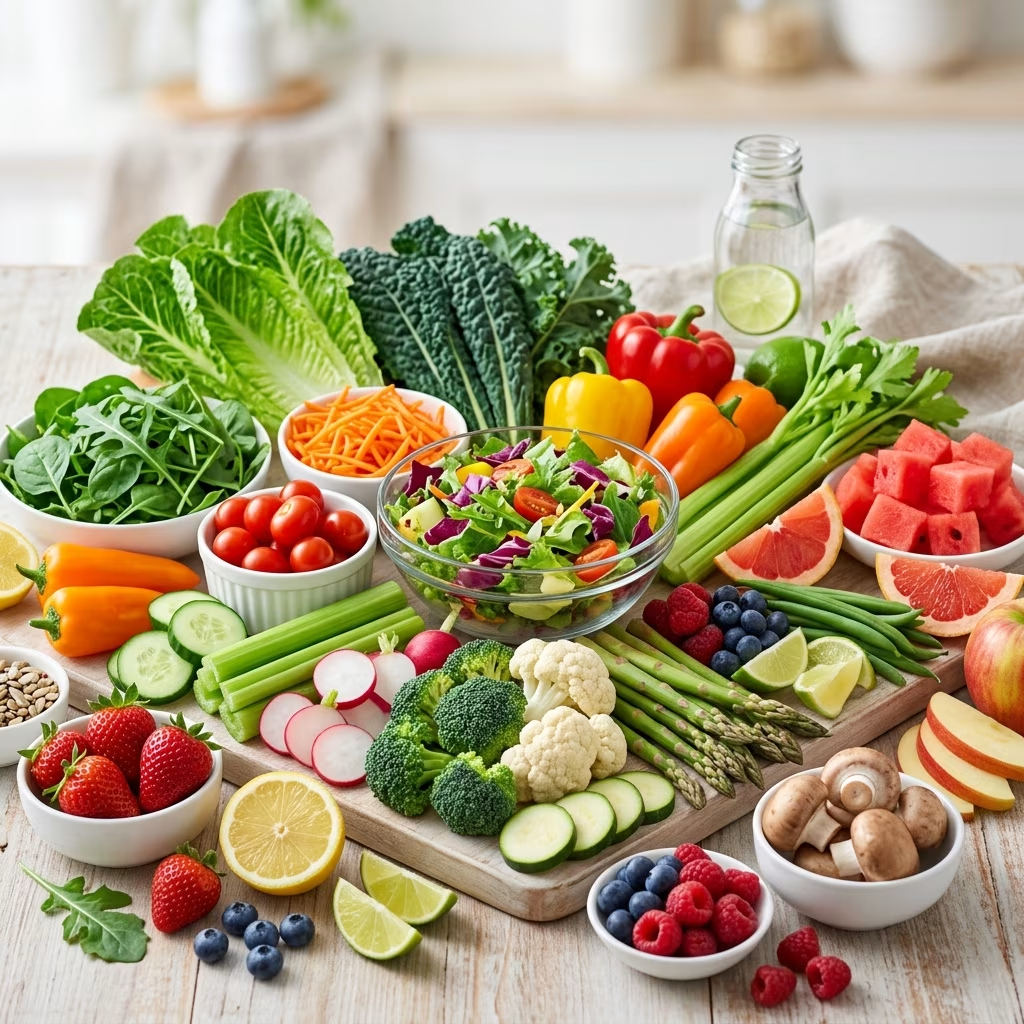
Below are the 25 foods experts agree can keep you fuller longer, boost nutrition, and make great swaps for commonly high-calorie ingredients. Pair them creatively for healthy meals and snacks!
| Food | Calories per Serving | Key Nutrients | Health Highlights / Tips |
|---|---|---|---|
| Lettuce | 8 per cup | Vitamin A, Vitamin C | Use as wraps or salad base for sandwiches or tacos. |
| Radishes | 10 per handful | Vitamin C, antioxidants | Slice and sprinkle with sea salt for a crunchy snack. |
| Spinach | 7 per cup | Iron, folate, Vitamin K | Add to salads, soups, smoothies, and stir-fries. |
| Celery | 14 per cup | Potassium, fiber | Great with nut butter or hummus. |
| Brussels Sprouts | 38 per cup, cooked | Vitamin C, fiber | Roast for enhanced flavor and crunch. |
| Cottage Cheese | 90 per 1/2 cup | Protein, calcium | Combine with fruit or use in savory bowls. |
| Black Beans | 109 per 1/2 cup | Protein, fiber | Heart-healthy and filling; look for no-added-sodium. |
| Chicken Breast | 128 per serving (~3 oz) | Protein, selenium | Use boneless, skinless and grill or roast for lowest calories. |
| Mushrooms | 15 per cup | B vitamins, selenium | Add umami flavor to stews and sauces with minimal calories. |
| Asparagus | 27 per cup, cooked | Vitamin K, folate | Grill or sauté, toss onto salads or pastas. |
| Zucchini | 20 per cup | Vitamin C, potassium | Make “zoodles” as a pasta substitute. |
| Cucumber | 16 per cup | Vitamin K, hydration | Add to salads, dips, or use as chips for hummus. |
| Bell Peppers | 25 per cup, sliced | Vitamin C, antioxidants | Snack raw, roast, or stuff for a main dish. |
| Tomatoes | 22 per medium tomato | Vitamin C, lycopene | Ideal for salads, omelets, and sauces. |
| Strawberries | 49 per cup | Vitamin C, antioxidants | Sweet, filling, and hydrating dessert option. |
| Cauliflower | 25 per cup, chopped | Vitamin C, fiber | Use as rice alternative or roast for texture. |
| Broccoli | 31 per cup, chopped | Vitamin C, fiber | Steam, sauté, or roast for a filling side. |
| Egg Whites | 17 per egg | High-quality protein | Use in omelets or baking for a protein boost. |
| Oatmeal | 150 per 1/2 cup dry | Fiber, B vitamins | Choose steel-cut or old-fashioned for lower glycemic index. |
| Greek Yogurt (nonfat) | 80 per 5.3 oz | Protein, calcium | Add berries or seeds for flavor and nutrition. |
| Pumpkin | 30 per 1/2 cup, cooked | Vitamin A, fiber | Use in soup, oatmeal, or pancakes. |
| Watermelon | 46 per cup | Vitamin C, lycopene, hydration | Perfect for snacking, smoothies, or salads. |
| Shrimp | 84 per 3 oz | Protein, selenium | Low-fat protein alternative—add to salads or stir-fries. |
| Apples | 95 per medium apple | Vitamin C, antioxidants | Eat whole to preserve fiber and prolong satiety. |
| Green Beans | 31 per cup, cooked | Vitamin C, fiber | Steam, sauté, or air-fry for texture and flavor. |
| Carrots | 52 per cup, sliced | Beta-carotene, fiber | Dip raw in hummus or roast for sweetness. |
Expert Tips for Building Satisfying Low-Calorie Meals
According to registered dietitians Jessica Zinn, Diana Sugiuchi, Erin Palinski-Wade, Shana Spence, and Jessica Levinson, satisfaction—not just a calorie deficit—is key for successful and sustainable eating habits. Here are their proven recommendations for maximizing meal satisfaction:
- Mix macronutrients: Combine protein, fiber, and healthy fats for lasting fullness.
- Opt for whole foods: Fruits, veggies, beans, eggs, nuts, and seeds provide more nutrients and fewer calories.
- Avoid too much restriction: Relying solely on low-calorie foods can leave you hungry, risking snacking or binge eating.
- Prioritize fiber-rich foods: Foods with plenty of fiber take longer to digest, enhancing satiety (e.g., beans, whole grains, vegetables).
- Watch for hidden calories: Some toppings, dressings, or cooking methods can add calories; stick with grilling, steaming, roasting, or raw options.
How to Use These Foods: Easy Swaps & Meal Pairings
Use these low-calorie foods to bulk up your meals and snacks:
- Swap bread for lettuce: Make sandwich wraps or taco shells with romaine or iceberg.
- Roast or steam vegetables: Enhance flavor without adding calories; use herbs, lemon, or vinegar instead of oils.
- Choose beans and legumes: Replace starchy sides with black beans, chickpeas, or lentils for a protein and fiber boost.
- Use fruit as dessert: Strawberries, apples, or watermelon for a sweet finish that’s low in calories and high in nutrients.
- Greek yogurt or cottage cheese: Instead of sour cream or mayonnaise for creamy texture and extra protein.
- Add egg whites to breakfast: Use in omelets, scrambles, or baking to increase protein without the calories of whole eggs.
Common Pitfalls: How to Avoid Them
While low-calorie foods are helpful, relying on just these options may not keep you full or satisfied. Nutritionists caution that inadequate protein, fiber, and fat intake can backfire, causing excessive hunger and leading to snacking or binge eating. For long-term weight management:
- Always pair low-calorie vegetables with a source of fat or protein.
- Monitor snacks—avoid packaged “diet” foods that may be low in calories but missing key nutrients.
- Don’t skip meals in hopes of saving calories; eat balanced and regularly.
Frequently Asked Questions (FAQ)
Q: Will eating only low-calorie foods help me lose weight faster?
A: Not necessarily. While low-calorie foods can reduce overall intake and help you feel full, nutritionists stress the importance of balanced meals. Consuming only low-calorie foods can leave you unsatisfied and increase the risk of overeating later. Pair with protein, fiber, and healthy fats for best results.
Q: Can I eat unlimited amounts of these foods?
A: Most low-calorie vegetables and fruits can be enjoyed in generous portions, but even these have natural sugars or carbs that add up. Beans, dairy, and proteins are best consumed in moderation to maintain balance.
Q: Are processed low-calorie foods as healthy as whole foods?
A: Whole foods like fresh produce and lean meats offer more nutritional value and fewer additives than processed “diet” options. When shopping, choose whole vegetables, fruits, and proteins whenever possible.
Q: How should I meal prep with low-calorie foods?
A: Build batches of salads using raw or grilled vegetables, pre-cook lean proteins (chicken, shrimp, beans), and portion fruit for snacks. Keep a jar of yogurt or cottage cheese ready for quick breakfasts and toppings.
Q: Which nutrients help keep me full?
A: Fiber (found in beans, veggies, fruit), lean protein (chicken, eggs, nonfat dairy), and healthy fats (nuts, seeds, olive oil) all work together to slow digestion and reduce hunger.
Quick-Reference Table: Smart Low-Calorie Swaps
| High-Calorie Favorite | Low-Calorie Swap | Calories Saved (per serving) |
|---|---|---|
| Bread/Tortillas | Romaine Lettuce | Approx. 90-100 |
| Potato Chips | Radishes | Approx. 140 |
| Mayonnaise/Sour Cream | Greek Yogurt, Cottage Cheese | Approx. 80-100 |
| Starchy Pasta | Zucchini Noodles | Approx. 180 |
| Rice | Cauliflower Rice | Approx. 180 |
Bonus: Three-Day Sample Meal Plan (Low-Calorie Focus)
- Breakfast: Egg white omelet with spinach, bell peppers, and mushrooms. Side of strawberries.
- Lunch: Chicken breast over mixed lettuce, tomatoes, cucumbers, and a sprinkle of black beans. Homemade lime vinaigrette.
- Snack: Celery sticks and carrots with nonfat Greek yogurt dip.
- Dinner: Shrimp stir-fried with asparagus, broccoli, and radishes. Serve over cauliflower rice.
- Dessert (optional): Watermelon slices or a small apple.
Repeat with ingredient swaps for variety.
Final Thoughts
Building your diet around low-calorie whole foods is one of the simplest ways to support weight-loss or healthy-eating goals. Combine these with protein, fiber, and modest amounts of healthy fats to stay full, energized, and satisfied—no deprivation required. Plan smart swaps, prep balanced meals, and enjoy experimenting with all the flavors that nutritious, low-calorie foods have to offer.
References
- https://www.prevention.com/food-nutrition/g20428211/25-ridiculously-low-calorie-foods/
- https://www.mayoclinic.org/healthy-lifestyle/weight-loss/in-depth/weight-loss/art-20044318
- https://www.healthline.com/nutrition/zero-calorie-foods
- https://www.prevention.com/weight-loss/a20455365/low-calorie-foods-for-weight-loss/
- https://www.seasonhealth.com/blog/high-volume-low-calorie-foods
- https://www.novanthealth.org/healthy-headlines/zero-calorie-foods
- https://www.aarp.org/health/healthy-living/weight-loss-foods/