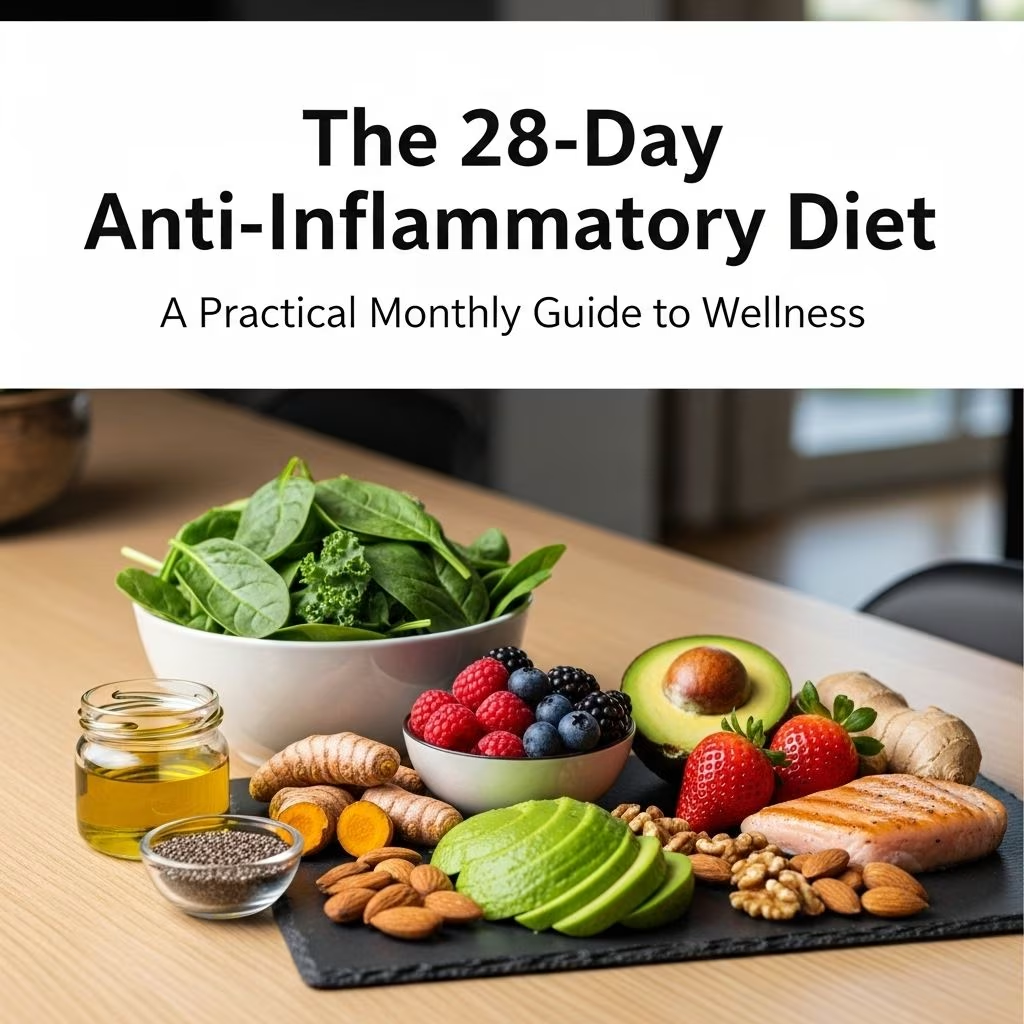
Chronic inflammation can contribute to health issues such as fatigue, joint pain, and increased risk of disease. The 28-day anti-inflammatory diet offers a nourishing, easy-to-follow roadmap to calm inflammation, boost your energy, and set the stage for lasting wellness — all in one month. This comprehensive guide draws on evidence-based nutritional strategies to help you transform your eating habits, understand what foods to seek out and avoid, and build a foundation for ongoing health.
Understanding the Anti-Inflammatory Diet
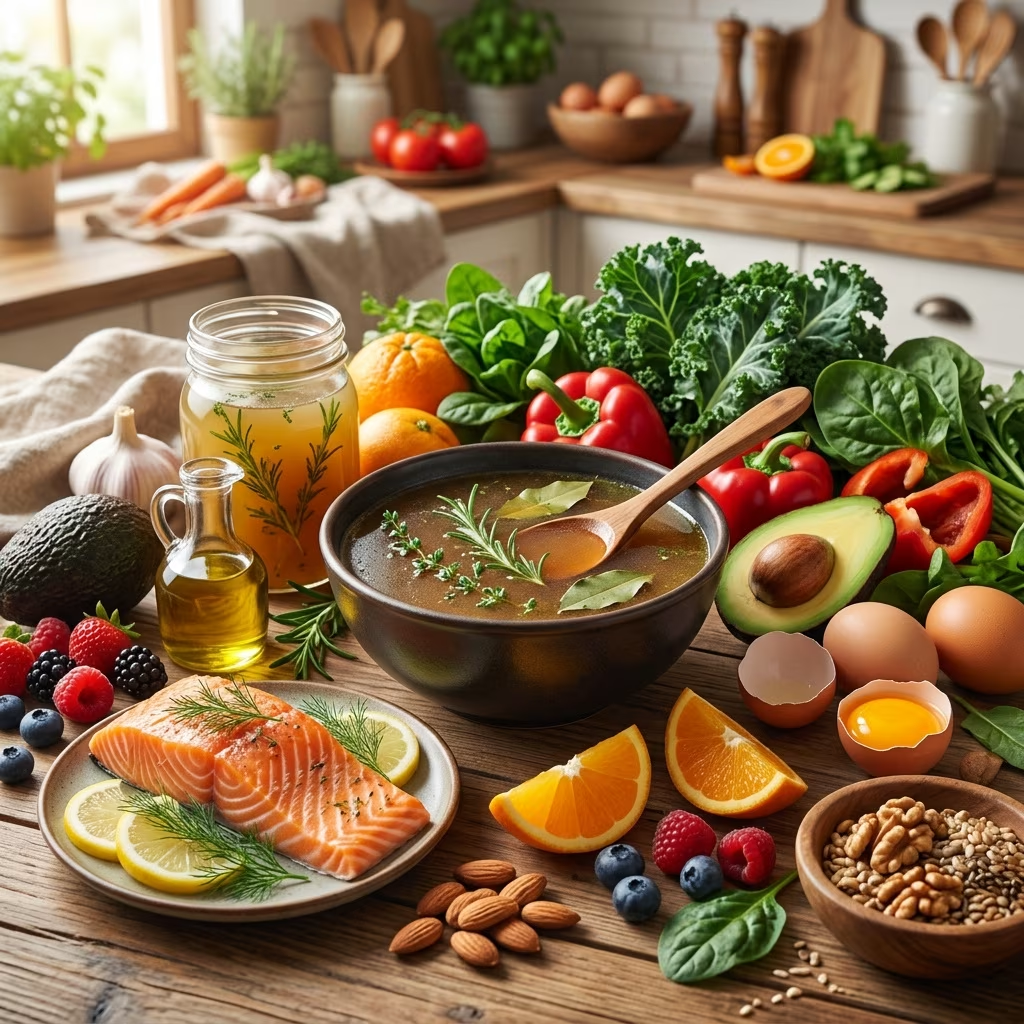
An anti-inflammatory diet centers on foods shown to reduce inflammatory responses in the body. These foods — typically rich in antioxidants, phytonutrients, healthy fats, and lean proteins — not only support immune balance but also promote cardiovascular and cognitive well-being. By intentionally excluding processed foods, added sugars, and ingredients known to trigger inflammation, you set your body up for optimal healing.
Why Choose an Anti-Inflammatory Diet?
- Reduces risk of chronic diseases like diabetes, heart disease, and arthritis
- Supports a healthy weight
- Improves energy, mood, and sleep quality
- Enhances skin health and digestion
Foods to Eat and Foods to Avoid
| Eat More Of | Limit/Avoid |
|---|---|
|
|
Getting Started: Setting Yourself Up for Success
Transforming your diet can feel daunting, but preparation and planning make all the difference. Here’s how to begin your anti-inflammatory journey:
- Assess your pantry: Remove heavily processed, sugary, and refined foods.
- Stock up: Shop for anti-inflammatory staples such as vibrant fruits, vegetables, extra-virgin olive oil, whole grains, and wild-caught salmon.
- Plan ahead: Design weekly meal plans and batch-cook ingredients to save time.
- Hydrate: Drink plenty of water, herbal teas, or green tea throughout the day.
- Commit to gradual change: If overhauling everything at once feels overwhelming, adjust your routine one meal or one day at a time.
The 28-Day Anti-Inflammatory Diet Plan
The following is a week-by-week breakdown, guiding you from transition through habit-building and acceleration to maintenance, all within a month. Each phase features meal suggestions, key focus points, and expert advice to help you stay motivated.
Week 1: Transition & Adaptation
- Goal: Ease into anti-inflammatory eating by gradually phasing out processed foods and added sugars.
- Focus foods: Leafy greens, berries, nuts, salmon, sweet potatoes.
- Meal example:
- Breakfast: Greek yogurt with blueberries and chia seeds
- Lunch: Grilled chicken salad with arugula, walnuts, and balsamic vinaigrette
- Snack: Sliced apples with almond butter
- Dinner: Baked salmon, roasted Brussels sprouts, and wild rice
Tip: Prepare dressings and sauces at home using olive oil, lemon, and herbs to avoid hidden sugars and additives.
Week 2: Building Habits
- Goal: Solidify anti-inflammatory habits by choosing a rainbow of fresh produce and incorporating healthy fats.
- Focus foods: Avocados, tomatoes, olive oil, carrots, lentils, fatty fish.
- Meal example:
- Breakfast: Oatmeal topped with pomegranate seeds and walnuts
- Lunch: Lentil-vegetable soup and a side of spinach salad
- Snack: Celery sticks with hummus
- Dinner: Pan-seared mackerel, quinoa, and grilled asparagus
Tip: “Eat the rainbow” by including as many colors of fruits and vegetables in your meals as possible.
Week 3: Nutritional Acceleration
- Goal: Focus on diversity in your menu, introduce new plant-based proteins, and increase your intake of omega-3-rich foods.
- Focus foods: Chickpeas, black beans, flaxseeds, cruciferous vegetables, spices (turmeric, ginger).
- Meal example:
- Breakfast: Smoothie with spinach, mango, flaxseed, and plant-based protein powder
- Lunch: Quinoa bowl with roasted sweet potatoes, black beans, and salsa verde
- Snack: Handful of mixed nuts
- Dinner: Turmeric-tahini grilled chicken thighs, steamed broccoli, and millet
Tip: Experiment with new grains like millet or amaranth, and swap animal protein for lentils or tofu on some days.
Week 4: Maintenance & Mindfulness
- Goal: Reflect on changes, identify go-to meals, and refine your routine for long-term sustainability.
- Focus foods: Seasonal produce, leafy greens, salmon, dark chocolate (70%+), green tea.
- Meal example:
- Breakfast: Sliced oranges and kiwi with cottage cheese
- Lunch: Mediterranean-inspired bowl with chickpeas, parsley, cucumbers, cherry tomatoes, olive oil, and lemon
- Snack: Roasted chickpeas with smoked paprika
- Dinner: Grilled salmon with kale and roasted beets; a small square of dark chocolate for dessert
Tip: Notice which meals leave you feeling energized and satisfied. Build your regular routine around these favorites.
Sample Anti-Inflammatory Recipes
- Turmeric-Garlic Shrimp with Cabbage-Mango Slaw: Sauté shrimp with turmeric and garlic, pair with crunchy cabbage and diced mango.
- Chili-Rubbed Salmon with Summer Corn Salad: Coat salmon with chili powder and bake; serve with a salad of fresh corn, tomatoes, and cilantro.
- Lentil Soup: Simmer lentils with carrots, celery, onions, and thyme for a hearty, anti-inflammatory lunch or dinner.
- Mediterranean Stuffed Chicken: Fill chicken breasts with spinach, tomatoes, olives, and feta for a taste of the Mediterranean diet, which is rich in anti-inflammatory nutrients.
Smart Shopping Tips for Anti-Inflammatory Eating
- Stick to the perimeter of the grocery store, where whole foods are displayed.
- Buy produce in season or frozen for quality and value.
- Look for wild-caught, sustainable seafood options for higher omega-3 content.
- Replace sugary drinks with sparkling water or brewed teas flavored with lemon, mint, or ginger.
- Scan ingredient labels for added sugars, sodium, or hydrogenated oils.
Expert Strategies for Success
- Create a supportive environment at home by sharing meals and goals with family or friends.
- Plan and prep ahead: Batch-cook whole grains, beans, or roasted vegetables for the week.
- Balance each meal: Fill half your plate with vegetables, one quarter with lean protein, and one quarter with whole grains or starchy vegetables.
- Practice mindful eating: Slow down and savor every bite. Listen to your body’s hunger and satiety signals.
- Stay physically active: Moderate exercise supports anti-inflammatory benefits and strengthens results.
FAQs About the 28-Day Anti-Inflammatory Diet
How quickly will I feel results?
Most people notice increased energy, improved digestion, and reduced bloating within the first one to two weeks. Joint comfort and skin health may take a bit longer as internal inflammation subsides.
Is this plan vegetarian or vegan-friendly?
Absolutely. Focus on plant-based proteins such as lentils, beans, tofu, tempeh, and nuts, and adjust recipes as needed for dairy or egg exclusions.
What if I have food allergies?
Choose alternatives that suit your needs. For example, substitute nut butters with seed butters, or dairy yogurt with coconut or almond-based yogurt.
Can I follow this diet long-term?
The foods and principles of the anti-inflammatory diet are designed for lifelong wellness. Many people continue these habits beyond the first month.
Do I need supplements?
A balanced anti-inflammatory diet provides most essential nutrients. Some may benefit from omega-3 or vitamin D supplements depending on individual needs. Consult with a healthcare provider for personalized guidance.
Takeaway: Transforming Your Health in 28 Days
By following the 28-day anti-inflammatory diet, you lay the groundwork for reduced inflammation, enhanced well-being, and lasting healthy habits. Whether your goal is to ease chronic symptoms, boost resilience, or simply build a more vibrant daily menu, this plan offers a structured, nourishing path forward. Celebrate your progress, stay flexible, and remember: every meal is a chance to fuel your best self.
References
- https://www.rupahealth.com/post/the-21-day-anti-inflammatory-diet-your-complete-guide
- https://www.perriconemd.com/blog/dr-perricone-s-28-day-anti-inflammatory-diet/
- https://www.faynutrition.com/post/21-day-anti-inflammatory-diet-meal-plans-3-weeks
- https://www.walmart.com/ip/Prevention-28-Day-Anti-Inflammatory-Diet-Spiral-Bound/2648028890
- https://www.health.harvard.edu/staying-healthy/quick-start-guide-to-an-antiinflammation-diet
- https://www.usenourish.com/blog/anti-inflammatory-diet-recipes