Why Cricket Foods Are Gaining Traction
In recent years, the idea of eating insects has moved from fringe to fashionable. Cricket-based foods, from protein powders to snack bars and cricket flour, are cropping up across the globe as consumers, athletes, and sustainability advocates seek alternatives to traditional animal proteins. But why are crickets making headlines, and what do you need to know before joining the trend?
What Are Cricket Foods?
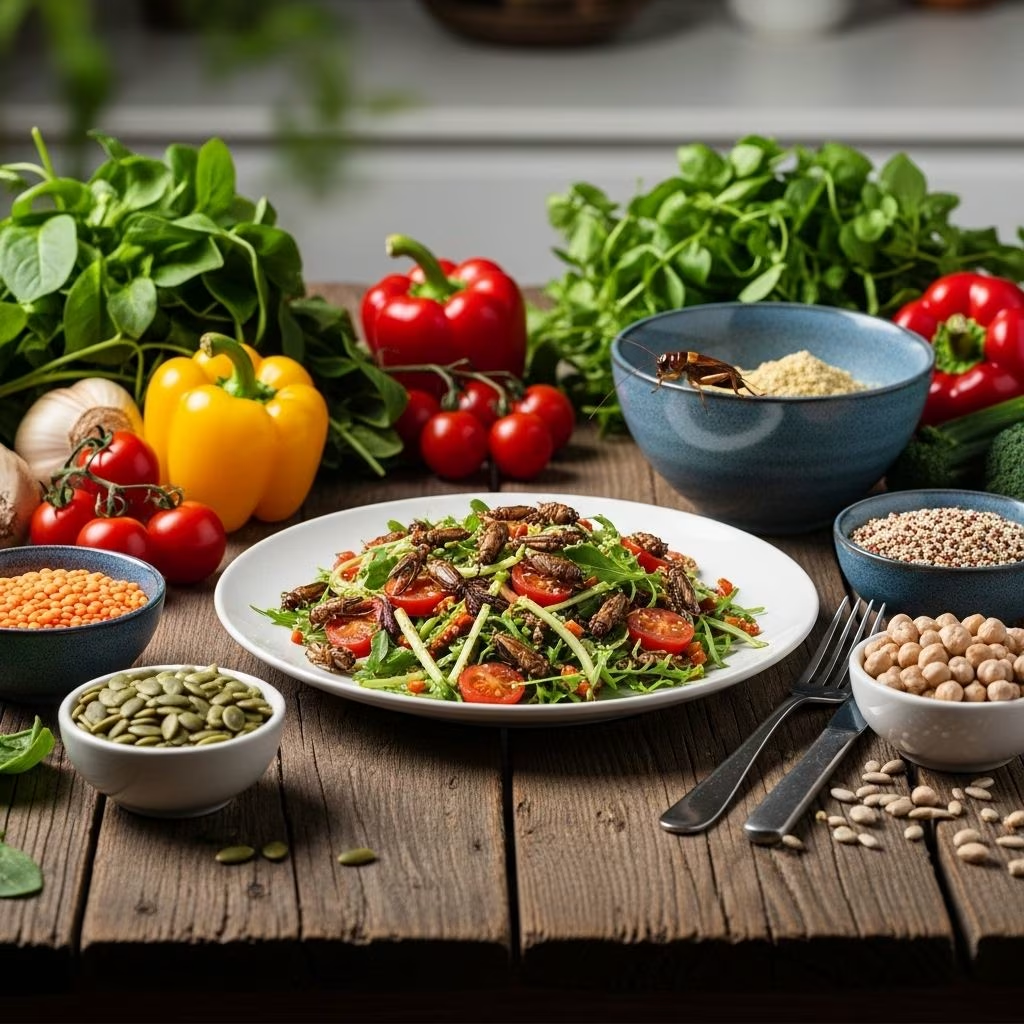
Cricket foods refer to edible products made with dried, ground, or powdered crickets (most commonly Acheta domesticus). They’re sold as whole roasted snacks, incorporated into energy bars, blended into protein shakes, or milled into flour for baking. These foods are designed to deliver high-quality nutrition while minimizing environmental impact.
The Nutritional Powerhouse: What’s in a Cricket?
Perhaps the strongest argument for adding crickets to your diet is their nutritional profile. These tiny insects pack a punch beyond almost any other protein source in terms of nutrients per gram.
- Complete Protein: Crickets are a complete source of protein, delivering all nine essential amino acids. Protein powder made from crickets comprises up to 65% pure protein, eclipsing many traditional animal and plant sources in terms of density and digestibility (especially when the exoskeleton is removed).
- Essential Micronutrients: They deliver more iron than spinach, up to 1.6 times more calcium than milk, and impressive levels of vitamin B12—sometimes over 1000% of daily recommended intake per 100g serving.
- Healthy Fats: Crickets offer the ideal omega-6 to omega-3 fatty acid ratio (~3:1), promoting heart health and crucial cellular functions.
- Fiber for Gut Health: Chitin, an insoluble fiber found in cricket exoskeletons, acts as a prebiotic that may support digestion and gut microbiome balance.
- Low Allergen and Dairy-Free: Cricket powder is both dairy and gluten-free, serving those with food sensitivities, but individuals with shellfish allergies should exercise caution due to similar allergens.
Nutrition Comparison: Crickets vs. Traditional Proteins
| Nutrient | Crickets (100g) | Beef (100g) | Chicken (100g) | Milk (100g) | Spinach (100g) |
|---|---|---|---|---|---|
| Protein | 13–20g (up to 65.5% as powder) | 16–20g | 20g | 3g | 2.9g |
| Iron | 3x sirloin steak, more than spinach | 2.7mg | 0.7mg | 0.03mg | 2.7mg |
| Calcium | 1.6x milk | 11mg | 11mg | 120mg | 99mg |
| Vitamin B12 | 1000% DRI | 2.5mcg | 0.3mcg | 0.4mcg | 0mcg |
| Omega-3 | Present | Present | Low | Low | Low |
| Fiber | Significant (chitin) | 0 | 0 | 0 | 2.2g |
Sustainability: Why Crickets Are the Eco-Friendly Protein Choice
In addition to their stellar nutrition, crickets may offer the most sustainable animal-derived protein available. Raising crickets requires far less water, land, and feed, and emits minimal greenhouse gases compared to traditional livestock. Consider:
- Low Resources: Producing a pound of cricket protein uses 1/10th the water and land needed for beef, and produces a fraction of the methane emissions.
- High Feed Conversion: Crickets convert feed into protein with much greater efficiency; up to 80% of a cricket is edible compared to only 40% of a cow.
- Minimal Pollution: Cricket farming results in less waste and environmental pollution.
- Global Impact: Appropriately scaled, insect farming could significantly reduce dependence on resource-intensive farming worldwide.
Environmental Impact Comparison Table
| Input | Crickets | Cattle | Poultry |
|---|---|---|---|
| Water (per kg protein) | 1,000L | 22,000L | 4,300L |
| Feed Conversion Ratio | 1.7:1 | 8:1 | 2:1 |
| Edible Percentage | 80% | 40% | 55% |
| Greenhouse Gases | Minimal | High | Moderate |
How Do Cricket Foods Taste?
A common question concerns the taste of cricket foods. The flavor profile is generally described as nutty, earthy, or similar to seeds, making cricket powders and flours easy to add into many recipes without overwhelming other flavors. Most find the mild and adaptable taste is surprisingly agreeable, especially in baked goods and protein shakes.
Popular Cricket-Based Products
- Protein powders and shakes
- Snack bars
- Pasta and baking flour
- Whole roasted cricket snacks
- Seasoned or chocolate-coated crickets
Major food manufacturers and specialty brands are now producing cricket-based products aimed at both athletes and the everyday health-conscious consumer.
Benefits of Cricket Protein for Athletes
Endurance athletes and fitness enthusiasts have unique nutritional demands. Cricket protein is attracting their attention due to the following benefits:
- Muscle Recovery: Complete protein profile supports muscle building and repair after workouts.
- High Iron and B12: Improves oxygen transport critical for performance.
- Digestibility: Cricket protein may be easier to digest for some than whey, reducing bloating and discomfort.
- Healthy Fats: Boosts metabolism and cellular recovery.
- Eco-friendly: Appeals to environmentally conscious athletes looking for sustainable nutrition.
Potential Downsides and Considerations
As with any emerging food source, cricket-based products come with considerations:
- Allergy Potential: Individuals with shellfish allergies may react to cricket protein due to chitin and similar proteins.
- Taste and Texture: Some consumers may need time to adapt to the earthy flavors or gritty texture in powdered form.
- Digestibility: While cricket protein is highly digestible, those sensitive to fiber may notice digestive changes due to chitin content.
- Regulation and Quality: Buy products from reputable sources, as cricket food standards are still evolving in many nations.
How to Eat Crickets: Culinary Uses and Recipes
From flour to snack bars, there are many ways to enjoy cricket foods. Here’s how home cooks, athletes, and adventurous eaters have incorporated insect protein into their routines:
- Protein Shakes: Blend cricket powder with nut milk, fruits, and seeds for a high-protein breakfast.
- Baked Goods: Substitute up to 10–20% of regular flour with cricket flour in muffins, pancakes, or bread for a nutritional boost.
- Energy Bars: Add cricket powder to homemade granola or energy bar recipes alongside oats, nuts, and honey.
- Seasoned Snacks: Roast whole crickets and toss with spices, then enjoy as a crunchy, protein-rich snack.
- Pasta Additions: Mix cricket flour into pasta dough for added protein and subtle nutty flavor.
Frequently Asked Questions (FAQs)
Q: Are cricket foods safe for everyone?
A: Cricket foods are generally safe for most people and are considered hypoallergenic, but individuals with crustacean or shellfish allergies should consult a healthcare provider before trying them.
Q: How do cricket foods compare to other protein powders?
A: Cricket protein is often richer in iron, calcium, and vitamin B12 and has a more complete amino acid profile than most plant-based powders. Unlike whey, cricket protein contains beneficial fiber and is usually easier on the stomach for some people.
Q: What does cricket powder taste like?
A: Cricket powder has a mild, nutty flavor described as earthy or similar to seeds or whole grains, which integrates well into many recipes.
Q: Where can I find cricket foods?
A: Cricket-based products are available online, in health food stores, specialty grocery retailers, and even in some mainstream supermarkets. Check labels for quality assurance and processing standards.
Q: Are there risks associated with eating crickets?
A: Cricket protein is regarded as safe, though minor risks may exist for those with allergies to crustaceans or those sensitive to high-protein diets. It’s also advisable to purchase from reputable brands for safety.
How to Get Started With Cricket Foods
Ready to try cricket-based nutrition? Here are tips for newcomers:
- Start small with protein bars or blended protein powders.
- Gradually incorporate cricket flour into baked goods and staple recipes.
- Seek out products with transparent sourcing and quality testing.
With ongoing research supporting both their nutritional and environmental benefits, cricket foods are poised for continued growth. Whether you’re an athlete seeking performance gains, a conscious consumer looking for sustainable protein, or a culinary explorer embracing new trends, crickets offer a compelling choice for the future of food.
References
- https://www.healthline.com/nutrition/eating-crickets
- https://www.naak.com/blogs/articles/cricket-powder-superfood-for-athletes
- https://balancedhealthstyles.com/benefits-of-cricket-protein/
- https://www.webmd.com/diet/acheta-powder
- https://health.clevelandclinic.org/acheta-protein-eating-crickets
- https://pmc.ncbi.nlm.nih.gov/articles/PMC7835793/
- https://chippinpet.com/blogs/thechippintimes/cricket-superfood-for-dogs
- https://pmc.ncbi.nlm.nih.gov/articles/PMC6050247/