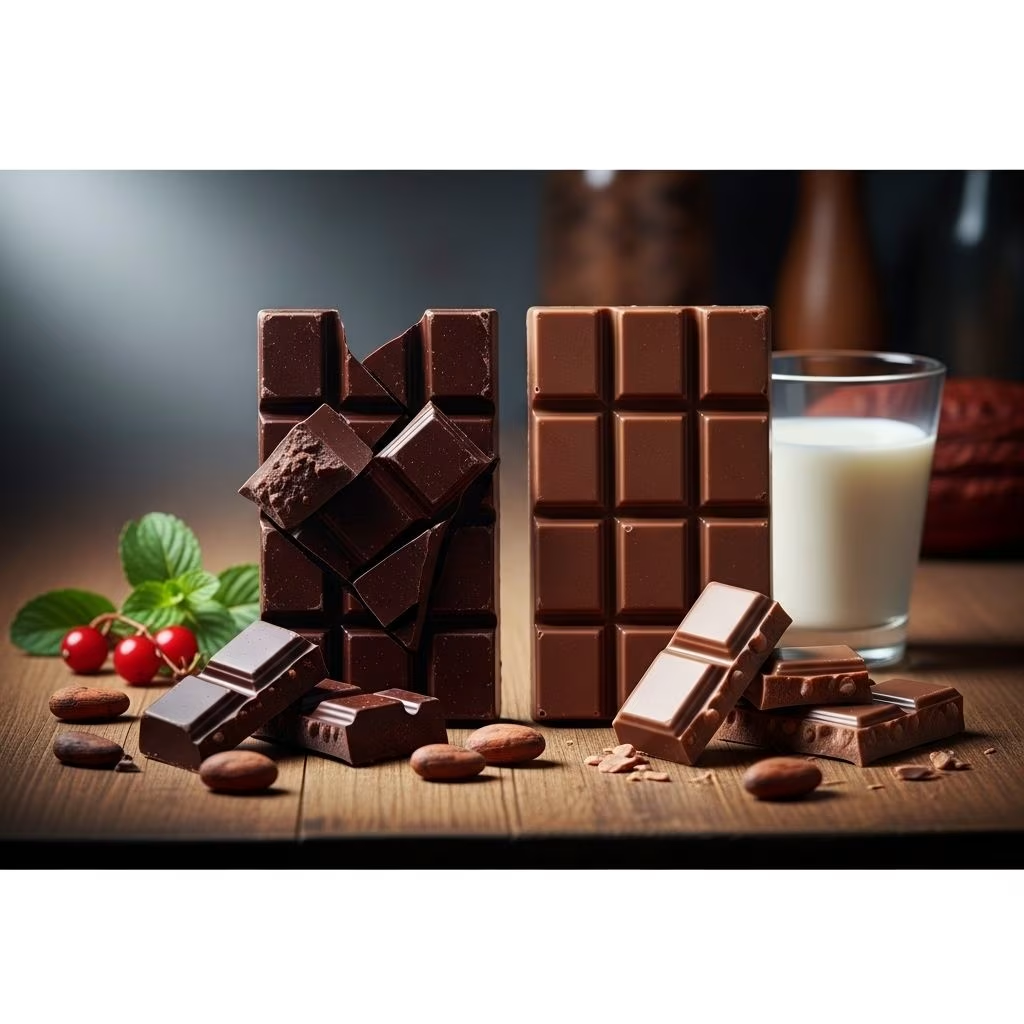
Chocolate—a sweet treat beloved worldwide—comes in many forms, but two varieties stand out for debate: dark chocolate and milk chocolate. While both offer satisfaction for your sweet tooth, their differences go beyond taste, influencing nutrition, health benefits, and even cultural preferences. This comprehensive guide breaks down everything you need to know to make an informed choice for your cravings and your health.
Key Ingredient Differences: What Separates Dark and Milk Chocolate?
While both dark and milk chocolate begin with ingredients derived from cacao beans, they diverge significantly in how they’re made and what they contain.
| Chocolate Type | Cacao Content | Milk | Sugar Content | Cocoa Butter |
|---|---|---|---|---|
| Dark Chocolate | Typically 50–90% | None | Lower | Present |
| Milk Chocolate | 10–50% | Yes (12%+ milk solids) | Higher | Present |
- Dark chocolate is made with a high percentage of cacao solids, sugar, and cocoa butter, but no milk solids. It has a more intense, bitter flavor and less sweetness.
- Milk chocolate contains a lower percentage of cacao, more sugar, and milk (or milk solids), giving it a sweeter, creamier taste and texture.
- Both can include additives, such as flavorings or emulsifiers, depending on their quality and intended market.
The main reasons for these differences stem from ingredient proportions. To be labeled “milk chocolate,” a product must have at least 12% milk solids, while dark chocolate omits milk products altogether in favor of more cacao and cocoa butter.
Nutrition Comparison: Calories, Sugar, and Fat
Chocolate is an energy-dense treat, but the nutritional profile of dark and milk chocolate varies widely based on their ingredients:
| Per 1 oz (28g) Portion | Dark Chocolate (70–85% cacao) | Milk Chocolate |
|---|---|---|
| Calories | ~170 | ~150–155 |
| Total Sugar | 6–8g | 14–16g |
| Total Fat | ~12g | ~8.5g |
| Saturated Fat | ~7g | ~5g |
| Fiber | ~3g | ~0.8g |
| Proteins | ~2g | ~1.3g |
- Dark chocolate offers less sugar and more fiber per serving.
- Milk chocolate is typically higher in sugar due to added dairy and sweeteners.
- Calorie content is comparable, though dark chocolate’s higher cacao level can mean more fat per ounce—but also more antioxidants.
Keep in mind: Actual values vary by brand and exact cacao percentage. Always check nutrition labels for specifics.
Health Benefits and Possible Drawbacks
Chocolate’s impact on health depends on the type and how much you eat. Here’s how dark and milk chocolate stack up:
Potential Health Benefits of Dark Chocolate
- Rich in antioxidants: High levels of flavonoids (especially epicatechin and catechin) help fight cell damage from free radicals.
- Cardiovascular support: Some studies suggest eating dark chocolate (in moderation) can improve heart health, reduce blood pressure, and improve cholesterol profiles.
- Better satiety: Higher fiber content can leave you feeling fuller, meaning fewer cravings post-snack.
- Lower glycemic index: Won’t spike your blood sugar as sharply as sweeter chocolates.
Possible Downsides of Dark Chocolate
- It can be high in calories and fat, so portion control is crucial.
- Potential for heavy metal contamination (such as cadmium or lead) in some lower-quality bars or certain growing regions.
- The bitter taste may be off-putting for those used to sweeter treats.
Potential Benefits of Milk Chocolate
- Sweeter taste: Appeals to most palates, especially children or those new to chocolate.
- Calcium source: Dairy content adds a modest amount of calcium to your diet.
- May be less likely to trigger caffeine sensitivity due to lower cacao content.
Possible Downsides of Milk Chocolate
- Typically contains more sugar and less fiber, contributing less to satiety and potentially more to weight gain or blood sugar spikes if consumed in excess.
- Lower in heart-healthy flavonoids and antioxidants compared to dark chocolate.
Dark Chocolate, Milk Chocolate, and Antioxidant Power
The real secret behind chocolate’s touted health benefits lies in its cacao content and antioxidants. Here’s what matters most:
- Cacao solids—the part of the cocoa bean responsible for chocolate’s color and bitter flavor—are packed with polyphenols and flavonoids, well-known for their antioxidant and anti-inflammatory activity.
- Dark chocolate contains more cacao solids (usually 50–90%) than milk chocolate, making it a richer source of these beneficial compounds.
- Milk chocolate (10–50% cacao solids) delivers less powerful antioxidant action because the milk and sugar dilute the cacao; some research suggests milk may even interfere with antioxidant absorption.
- White chocolate (for reference) contains no cacao solids at all—just cocoa butter, sugar, and milk—so its antioxidant content is minimal.
Taste, Texture, and Culinary Uses: What Sets Them Apart?
The clear dividing line between dark and milk chocolate is how they taste and perform in recipes.
| Feature | Dark Chocolate | Milk Chocolate |
|---|---|---|
| Taste | Bitter, rich, complex | Sweet, creamy, mellow |
| Texture | Firm, slightly dry | Smooth, melts in mouth |
| Culinary Uses | Fine desserts, ganache, baking, gourmet bars | Candy, coatings, fillings, accessible/casual desserts |
| Caffeine Content | Higher (but less than coffee) | Lower |
- If you prefer intense, less sweet flavors, dark chocolate is usually the winner. It’s favored by chefs and bakers for its complexity.
- If you crave creaminess and sweetness, milk chocolate is the classic comfort choice.
- Dark chocolate’s higher melting point makes it ideal in certain desserts, while milk chocolate is perfect for smooth candies and fillings.
How To Choose the Healthiest Chocolate
To make the most of your chocolate habit—while dodging excess sugars and unhealthy fats—consider these expert tips:
- Look for dark chocolate with at least 65% cacao (higher percentages provide more antioxidants and less sugar).
- Check the ingredient list: Aim for a short list with cacao, cocoa butter, and sugar, avoiding palm oils or unnecessary additives.
- Organic or fair-trade chocolate can offer benefits in terms of purity and environmental responsibility.
- If you’re sensitive to caffeine, remember dark chocolate has more (but nowhere near a coffee or strong tea).
- Use portion control. Even healthy chocolate can pack calories and saturated fat!
Common Myths and Facts About Chocolate
- Myth: All chocolate is unhealthy.
Fact: Moderation and the right type (higher cacao, less sugar) make chocolate a perfectly reasonable treat. - Myth: Chocolate causes acne.
Fact: No clear evidence links chocolate to acne. Other factors, like overall diet and hormones, have a stronger correlation. - Myth: Dark chocolate is always vegan.
Fact: Many dark chocolates are, but check the label; some contain milk derivatives or are made in facilities that process dairy. - Myth: Chocolate is a great source of calcium.
Fact: Only milk chocolate contains a modest amount; dark chocolate does not contribute significantly to calcium intake.
Frequently Asked Questions (FAQs)
Q: Which chocolate is better for heart health?
A: Dark chocolate, thanks to its higher flavonoid and polyphenol content, is generally considered more heart-healthy than milk chocolate when eaten in moderation.
Q: Is dark chocolate always healthier than milk chocolate?
A: Not always. Benefits depend on cacao percentage and portion size. Some dark chocolates can be high in sugar or contain unhealthy additives, so choose wisely.
Q: Can people with lactose intolerance eat dark chocolate?
A: Pure dark chocolate contains no milk and is usually acceptable for those with lactose intolerance. However, always check for cross-contamination or added milk ingredients if your sensitivity is high.
Q: What about white chocolate?
A: White chocolate contains cocoa butter but no cacao solids—so it lacks the antioxidants found in dark and milk chocolate and is usually higher in sugar and fat.
Q: How much chocolate can you eat safely?
A: Most nutrition experts recommend limiting chocolate to 1–2 oz (28–56g) a few times per week. Enjoy as part of a balanced diet.
Conclusion
Dark chocolate and milk chocolate offer distinct experiences—nutritionally, flavor-wise, and in the kitchen. For those prioritizing antioxidants and lower sugar, high-cacao dark chocolate is the best pick. For pure, sweet indulgence, you can’t beat a classic milk chocolate bar. Whatever you choose, remember that quality, portion size, and personal preference are key. With knowledge on your side, you can savor your next piece of chocolate with both joy and confidence.
References
- https://www.stmaryshealthcaresystem.org/blog-articles/milk-chocolate-vs-dark-chocolate-one-healthier-other
- https://tcho.com/blogs/news/dark-chocolate-vs-milk-chocolate-what-s-the-difference
- https://us.venchi.com/blog/different-chocolate-types-dark-vs-milk-vs-white-chocolate
- https://www.choc-affair.com/news/the-difference-between-milk-white-dark-chocolate/
- https://now.tufts.edu/2023/02/14/dark-chocolate-healthier-milk-chocolate
- https://www.stefanelliscandies.com/blogs/stefanellis-specialties/dark-chocolate-vs-milk-chocolate-whats-the-difference
- https://fastachi.com/blogs/nut-lovers/dark-chocolate-vs-milk-chocolate