The Dirty Dozen: Understanding Produce Contamination in 2025
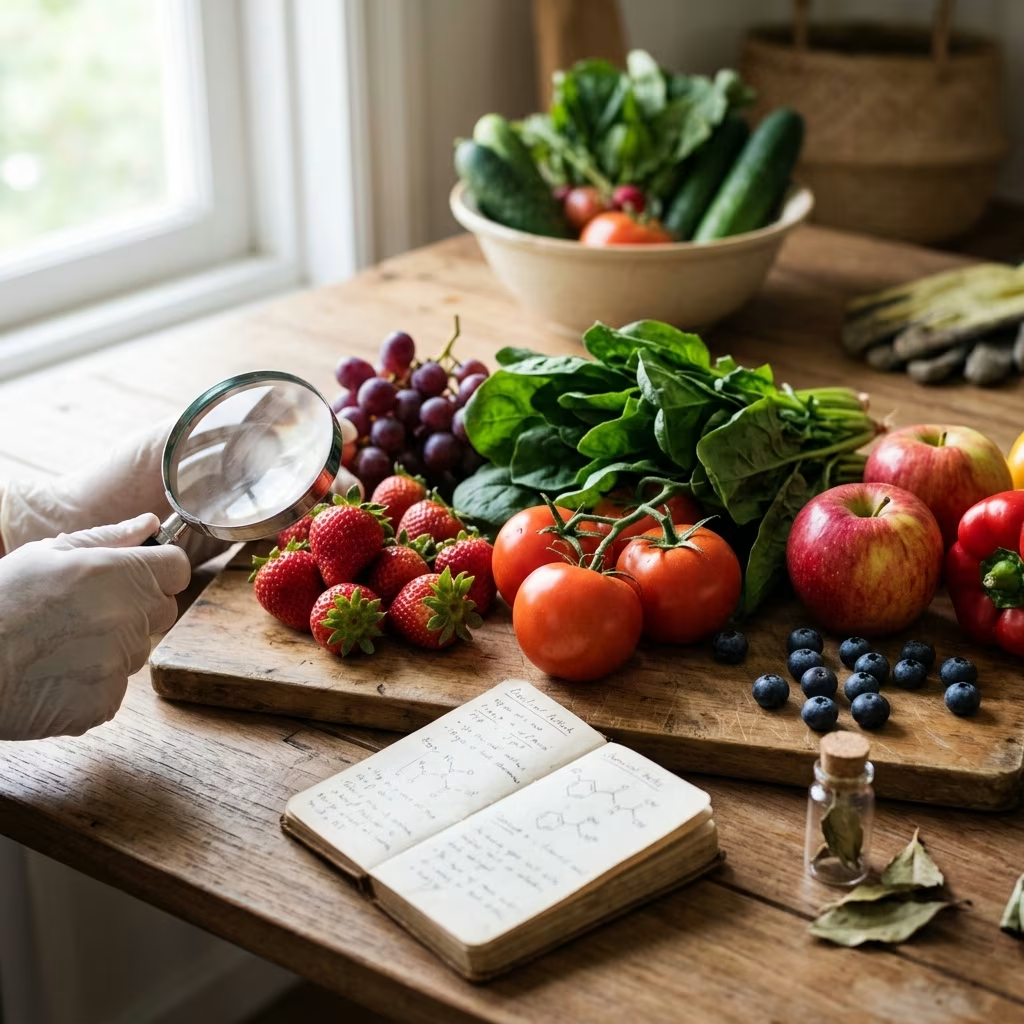
Every year, the Environmental Working Group (EWG) releases a new “Dirty Dozen” list, spotlighting conventionally grown fruits and vegetables with the highest levels of pesticide residues. The 2025 guide is based on the most up-to-date data from the U.S. Department of Agriculture (USDA), analyzing tens of thousands of fruit and vegetable samples. This article distills the findings and significance of the Dirty Dozen and the Clean 15, helping you make smarter decisions when shopping for fresh produce.
What is the Dirty Dozen?
The Dirty Dozen is an annual ranking of twelve fruits and vegetables most contaminated with pesticide residues even after washing or peeling. Researchers examined over 53,000 samples covering 47 different produce items, revealing a concerning rate of contamination: over 75% of conventional (non-organic) produce had measurable pesticide residues, and on the Dirty Dozen list, more than 95% of samples contained detectable pesticides.
- Pesticide risks: Exposure may be linked to hormone disruption, developmental issues, and increased risk for certain chronic conditions.
- Persistent residues: Washing and peeling often fail to completely remove contaminants.
2025 Dirty Dozen List: The Most Contaminated Produce
According to the EWG’s latest Shopper’s Guide, these twelve produce items had the highest average levels of pesticide residues in 2025:
- Spinach (most contaminated overall)
- Strawberries
- Kale, Collards, and Mustard Greens
- Grapes
- Peaches
- Cherries
- Nectarines
- Pears
- Apples
- Blackberries (new for 2025)
- Blueberries
- Potatoes (new for 2025)
Among these, spinach ranked as the top offender for pesticide load and toxicity, followed closely by leafy greens (kale, collards, and mustard greens). Fruit such as berries (strawberries, blueberries, and blackberries), grapes, and peaches also remain consistently high each year.
Key Facts from the 2025 Survey
- 203 unique pesticides detected across the Dirty Dozen items.
- 96% of samples from Dirty Dozen produce had pesticide residues.
- Most items had four or more different pesticides found per sample (except potatoes, averaging two).
- Green beans, bell peppers, and hot peppers narrowly missed the list and may also carry significant residues.
| Produce | Percent with Pesticide Residue | Average Number of Pesticides Detected | Notes |
|---|---|---|---|
| Spinach | 97% | 6+ | Highest toxicity level |
| Strawberries | 96% | 5+ | Consistent top offender |
| Kale, Collards, Mustard Greens | 95% | 5+ | Grouped together this year |
| Grapes | 94% | 4 | Widespread residues |
| Peaches | 93% | 4 | Common stone fruit issue |
| Cherries | 91% | 3 | Lower pesticide variety |
| Nectarines | 90% | 4 | Similar to peaches |
| Pears | 89% | 3 | High for tree fruit |
| Apples | 88% | 3 | Firm fruit, residue persists even after peeling |
| Blackberries | 87% | 4 | New entry in 2025 |
| Blueberries | 86% | 4 | Small, hard to clean |
| Potatoes | 85% | 2 | Notorious for systemic pesticide absorption |
Pesticide Risks and Health Impacts
Multiple scientific studies link pesticide exposure to hormonal disruption, neurological development issues in children, and increased risk of some cancers. While most residues detected on produce are within regulatory tolerance, cumulative low-level exposure remains a health concern, especially for vulnerable populations such as pregnant women and children.
Pesticides found include organophosphates, neonicotinoids, pyrethroids, and more. These chemicals can persist in the environment and enter the human body through the food chain, even after produce is washed or peeled.
- Infants and children: Higher risk due to developing bodies and diets rich in fruits and vegetables.
- Pregnant women: Increased risk for developmental outcomes.
- General population: Potential cumulative effects from chronic exposure.
Best Practices for Shopping and Eating
Given these risks, the EWG and nutrition experts offer practical tips for minimizing exposure:
- Buy Organic: When selecting items from the Dirty Dozen list, prioritize organic options whenever possible.
- Wash Thoroughly: Scrubbing firm produce and soaking in saltwater or vinegar can help remove some surface residues, although not all can be eliminated.
- Peel Wisely: Peeling may reduce pesticide exposure—especially for produce like apples, peaches, and potatoes—but nutrients in peels may be lost.
- Vary Your Diet: Rotating fruits and vegetables reduces exposure to any single type of pesticide.
Note: If budget or availability limits your ability to buy organic, focus on prioritizing organic purchases for Dirty Dozen items. For produce on the Clean 15 list (see below), conventional options may be safer.
The Clean 15: Produce with Minimal Pesticide Residues
While the Dirty Dozen identifies produce to buy organic, the Clean 15 highlights fruits and vegetables with the least detected pesticide residue. Nearly 60% of Clean 15 samples had zero detectable pesticides; only 16% had residues from two or more pesticides.
- Pineapple
- Sweet corn (fresh and frozen)
- Avocados
- Papaya
- Onions
- Sweet peas (frozen)
- Asparagus
- Cabbage
- Watermelon
- Cauliflower
- Bananas
- Mangoes
- Carrots
- Mushrooms
- Kiwi
Key Findings About the Clean 15
- 60% had zero detectable pesticides.
- Many are peeled before eating—such as pineapple, banana, and avocado—which may contribute to lower residue levels.
- New updates for 2025: Bananas and cauliflower join the Clean 15.
Expert Insights on Pesticide Reduction Strategies
The EWG’s Shopper’s Guide is intended to help consumers make informed choices—not to discourage fruit and vegetable consumption altogether. Experts agree that the benefits of eating a wide variety of produce far outweigh the risks of pesticide exposure, but thoughtful shopping can help lower your risk.
- Wash all produce before eating—including those you plan to peel—to remove potential contaminants from the surface.
- Use a brush for firm produce (apples, potatoes).
- Soak berries and soft greens in diluted vinegar or salt water for several minutes, then rinse.
- Seek local, certified organic, or farm-direct options when possible.
Pesticide Regulations and Gaps
The EPA and USDA set and monitor pesticide tolerance levels and publish findings. However, cumulative effects, mixed multiple residues, and changing farming practices mean consumers should remain vigilant. Many consumer advocacy groups call for stricter controls, especially for produce typically consumed raw and by children.
Frequently Asked Questions (FAQs) About the Dirty Dozen
Q: Why is spinach ranked as the most contaminated produce in 2025?
A: Spinach topped this year’s Dirty Dozen because it had the highest average levels and toxicity from multiple pesticides, with 97% of sampled spinach showing residue—often of four or more different chemicals.
Q: Is washing produce enough to remove pesticides?
A: Washing can reduce some residue, but systemic pesticides incorporated through plant roots remain in the edible parts. Scrubbing, soaking, and peeling can help but may not eliminate all chemicals.
Q: Should I avoid eating items on the Dirty Dozen list?
A: Not necessarily. Experts recommend eating a variety of produce for a healthy diet, but choosing organic for Dirty Dozen items helps lower pesticide exposures significantly.
Q: Which produce is safest to buy conventionally?
A: Items from the Clean 15 list typically have little or no pesticide residues even when conventionally grown, making them generally safer options when organic is unavailable.
Q: Are all pesticides equally harmful?
A: Pesticides vary widely in toxicity; some are more dangerous for human health and the environment. The EWG’s guide factors both frequency and toxicity to rank the Dirty Dozen.
Shopping Tips for Safer Produce: Dirty Dozen & Clean 15
- Prioritize organic for Dirty Dozen produce when budgets allow.
- Choose conventional Clean 15 items to save money and still reduce pesticide risk.
- Always wash and, if appropriate, peel produce before consumption.
- Visit farmer’s markets and ask about growing practices; many smaller growers use fewer chemicals.
- Consider planting your own small garden for fresh, pesticide-free produce.
In summary, staying informed about pesticide residues allows consumers to make the healthiest choices possible within their means. The Dirty Dozen and Clean 15 lists offer practical guidance for lowering your pesticide intake while enjoying the nutritional benefits of a plant-rich diet.