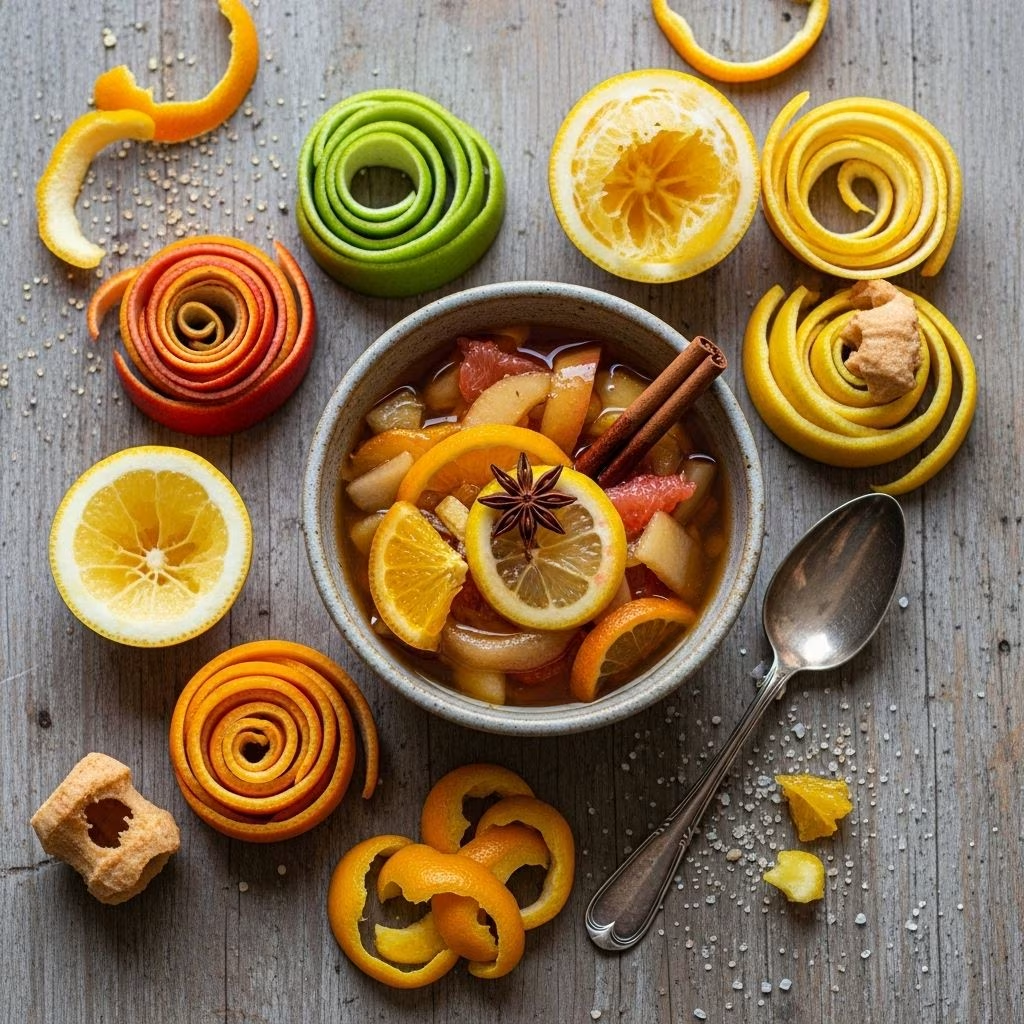
Fruit Peel Compote: A Delicious Solution to Kitchen Waste
If you’ve ever wondered how to get more from your groceries, there’s delicious potential in the parts of fruit you usually throw away. A fruit peel compote transforms peels, rinds, and scraps into a sweet, vibrant topping, minimizing waste and maximizing flavor. This method is not just practical—it’s eco-conscious and surprisingly easy.
Why Use Fruit Peels? The Value of Kitchen Scraps
The peels and rinds from fruits like apples, pears, oranges, lemons, and limes are often discarded, yet they contain potent flavors, vitamins, and pectin—a natural thickener essential for compotes. Using them in cooking is a sustainable way to reduce kitchen waste while getting the most nutrition possible out of your produce.
- Flavor Boost: Many fruit peels harbor essential oils and aromatic compounds that intensify a compote’s depth.
- Nutritional Benefits: Peels are rich in fiber, vitamins, and antioxidants, often more so than the flesh itself.
- Eco-Conscious: Repurposing peels helps reduce kitchen waste and maximizes the value of every fruit.
Choosing and Preparing Fruit Peels
While almost any fruit peel can be used, certain types are especially good for compote:
- Apple and Pear Peels: Mild flavor and plenty of natural pectin help create body.
- Citrus Peels (orange, lemon, lime, grapefruit): Provide bright, zesty notes. Use in moderation to prevent bitterness, and avoid thick pith when possible.
- Stone Fruit Skins (peach, plum, nectarine): Add color and tartness.
Always scrub fruit thoroughly before peeling, especially if you’re not using organic produce. Remove stickers, wash off residues, and trim away any bruised or soft spots.
Fruit Peel Compote: Ingredients & Substitutions
This recipe is highly adaptable depending on the peels and scraps you have on hand. Here’s a base you can riff on:
- Peels and cores from 3-4 apples (or a combination of apples and pears)
- Peels and ends from 2-3 citrus fruits (try to include some juice and zest for extra brightness)
- 1/4 cup granulated sugar, maple syrup, or honey (adjust to taste)
- 1 cinnamon stick or 1/2 teaspoon ground cinnamon (optional)
- 1/4 teaspoon salt
- 1 cup water or as needed to cover scraps
- Optional: a few slices of fresh ginger, star anise, or cardamom for extra depth
Ingredient Swaps and Add-Ins
- Use stone fruit pits and scraps in summer for a more robust flavor.
- Add a handful of fresh or frozen berries for color and tartness.
- Swap sweetener for date syrup or coconut sugar for different profiles.
- Flavor with vanilla bean, fresh herbs, or citrus zest for sophistication.
Step-by-Step: How to Make Fruit Peel Compote
- Collect and Prepare the Peels
Save up fruit peels, cores, and rinds in a resealable container. Store them in the fridge for up to 3 days or in the freezer for longer, until you have enough to make a batch. - Simmer the Scraps
Combine the peels, citrus rinds, and any cores with your chosen sweetener, spices, and water in a medium saucepan. Bring to a boil, then immediately reduce the heat to a gentle simmer. Stir occasionally, breaking up large pieces with a spoon. - Add Flavor Builders
Add a cinnamon stick, ginger slice, or citrus zest to impart extra aroma. Taste and adjust sweetness as needed. - Cook Until Soft
Let the mixture simmer for 35–45 minutes. The peels will soften, flavors will meld, and the liquid will thicken slightly. If it looks too dry, add a splash more water. - Strain If Desired
For a smoother compote, press the softened mixture through a sieve or mesh strainer. For a chunkier version, mash lightly with a fork or potato masher and leave some of the peels and chunks in for texture. - Finish and Store
Taste, add extra sweetener or spices if needed, and cool. Transfer the compote to a clean jar or container. It will keep refrigerated for up to 2 weeks.
Serving Suggestions: How to Use Fruit Peel Compote
- Yogurt or Oatmeal Topper: Spoon over breakfast bowls for sweetness and color.
- Pancakes, Waffles, or French Toast: Use in place of syrup for tangy brightness.
- Cake and Ice Cream: Serve warm as a sauce for desserts.
- Cheese Boards: Pair with sharp cheeses for a sophisticated appetizer.
- Braised Meats or Roasted Vegetables: Try spooning over dishes for fruity acidity.
- Swirl Into Sparkling Water or Cocktails: For an aromatic, waste-busting drink base.
Tips for the Best Fruit Peel Compote
- Balance the Bitterness: Citrus peels can turn bitter—use only thin layers or zest, and simmer gently. If bitterness persists, balance with extra sweetener and spice.
- Maximize Color: Use red apple peels, stone fruit skins, or a handful of berries for visual appeal.
- Texture Control: Strain for a refined, jammy spread or keep coarse for rustic charm. Adjust water for your desired consistency.
- Safe Storage: Always store compote in sterilized jars and refrigerate promptly. Freeze in small containers for long-term use.
Nutritional Benefits of Fruit Peel Compote
Turning peels into compote adds more than just flavor:
- High Fiber: Peels are fiber-rich, which aids digestion and prolongs satiety.
- Vitamins & Antioxidants: Apple and citrus peels are particularly high in vitamin C and polyphenols, compounds linked to reduced inflammation and better heart health.
- Low in Added Sugar: Control sweetness by adjusting how much sugar, honey, or syrup you use—often, natural fruit sugars are all you need.
Reducing Food Waste: The Sustainability Impact
Fruit peel compote embodies the concept of root-to-stem or nose-to-tail cooking—the idea that the whole food can and should be used. This technique:
- Decreases Kitchen Waste: Reduces the amount of organic matter sent to landfills, where it would otherwise release methane, a potent greenhouse gas.
- Saves Money: Makes the most out of produce you’ve already paid for.
- Encourages Creativity: Inspires inventive new recipes and flavors by making use of parts of the fruit you’d never normally consider edible.
Storage & Handling Tips
- Refrigeration: Keep in an airtight jar or container for up to 2 weeks.
- Freezing: Freeze in smaller portions for up to 3 months; thaw in the fridge before using.
- Reheating: Warm gently on the stove or microwave, stirring to restore smoothness.
Variations: Personalize Your Compote
- Spice It Up: Try cardamom, ginger, or vanilla bean for aromatic complexity.
- Mix and Match Fruit: Use what’s in season—cherry and plum peels in summer, apple and pear in fall.
- Jam Style: Simmer longer, mash or puree, and increase the sugar for a thicker, jam-like texture.
- Honey or Maple: Replace sugar entirely with natural sweeteners for a new dimension of flavor.
Frequently Asked Questions (FAQs)
Q: Can I use banana or melon peels in compote?
A: Banana and melon peels are generally not suitable for compote due to tough texture and lack of flavor, but you can experiment with small amounts of thin, young peels or blend into smoothies after thorough washing and peeling off any bitter green layers.
Q: How do I prevent my compote from turning bitter?
A: Avoid using too much citrus pith and opt for just the colorful zest layer. Simmer gently, taste as you go, and use sweeteners or spices to round out any residual bitterness if needed.
Q: Can I pressure can or preserve fruit peel compote?
A: For shelf-stable storage, always use a tested canning recipe with the appropriate sugar and acid balance. Otherwise, keep refrigerated or frozen to be safe.
Q: What food safety tips should I follow with scraps?
A: Use only fresh, non-moldy peels and trim away bruised spots. Wash all fruits thoroughly before peeling, and store scraps in the fridge or freezer if not using immediately.
Q: Will my compote set like jam?
A: Fruit peels, especially apple, contain naturally occurring pectin. The compote may thicken as it cools, but will remain looser than jam. For a thicker texture, cook longer and use more pectin-rich scraps.
Recipe Card: Homemade Fruit Peel Compote
| Ingredients | Instructions |
|---|---|
|
|
Beyond Compote: More Ways to Use Fruit Scraps
While compote is the star here, fruit peels have many lives in the sustainable kitchen:
- Simmer peels for infused syrups or vinegars.
- Candy citrus rinds for snacking or baking accents.
- Add apple or pear peels to homemade tea blends.
- Dry citrus zest for seasoning blends.
- Compost any remaining peels that can’t be used.
Inspiring Sustainable Cooking at Home
With a little culinary curiosity, kitchen scraps can be elevated into something both tasty and practical. Integrating fruit peel compote into your routine is a small but meaningful step toward sustainability. It will inspire resourcefulness, deliver new flavors, and help you make the most of your food—all while minimizing waste.
References
- https://www.kingarthurbaking.com/blog/2020/08/05/how-to-make-candied-citrus-peel
- https://www.healthyfood.com/healthy-recipes/fruit-compote/
- https://amimagazine.org/2017/10/18/fresh-fruit-compote/
- http://www.wellandpretty.com/blog-2/2016/1/21/cherry-compote
- https://www.prevention.com/food-nutrition/recipes/a20518978/clementine-and-grapefruit-compote/
- https://www.prevention.com/food-nutrition/recipes/a35916682/fruit-peel-compote-recipe/
- https://blog.mountainroseherbs.com/homemade-fruit-compote-with-herbs-and-spices