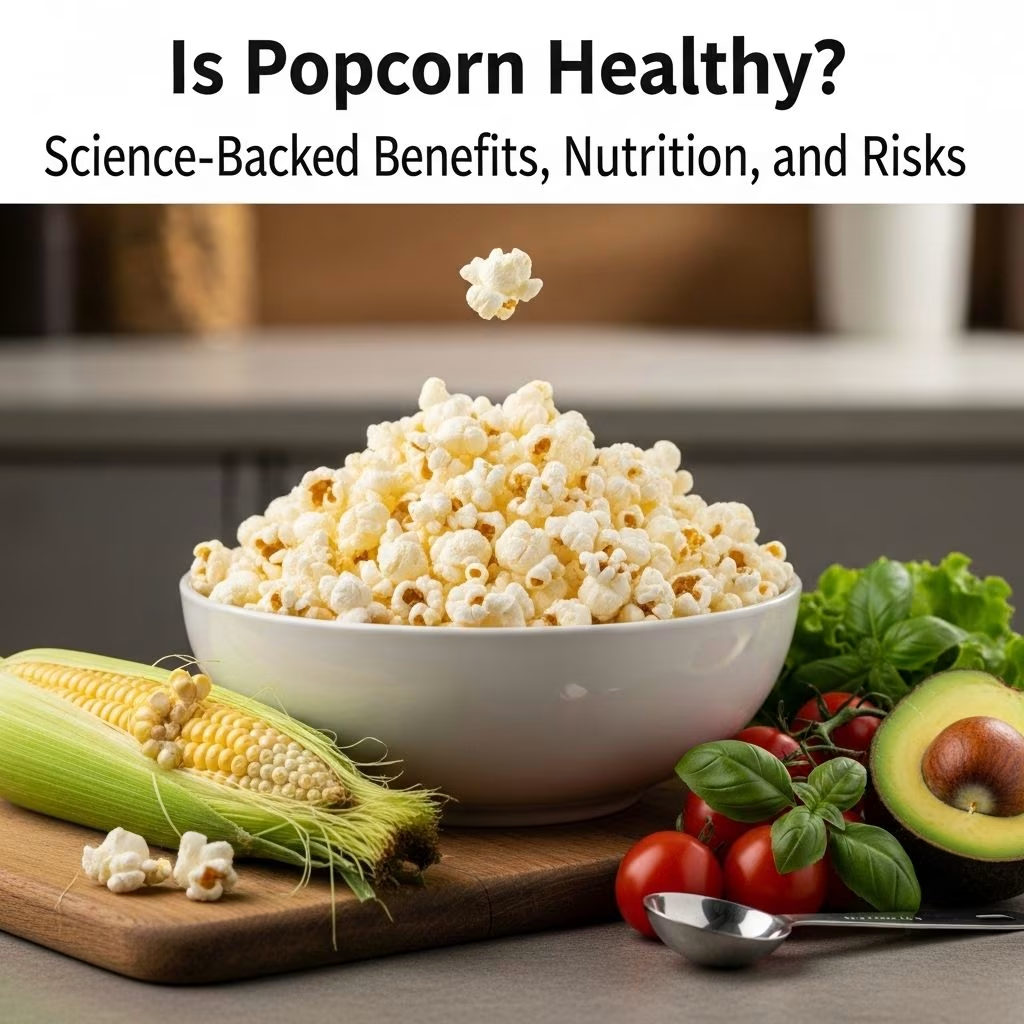
Popcorn holds a special place in movie theaters, homes, and snack aisles worldwide. But beyond its irresistible crunch and versatility, is popcorn actually a healthy snack? Discover the science-backed nutrition facts, potential health benefits, ways to prepare it wisely, and what to watch out for as we evaluate whether popcorn deserves its reputation as a wholesome treat.
What Is Popcorn?
Popcorn is a variety of corn kernel that expands and puffs up when heated. Its unique hull structure and internal moisture make it possible for the kernel to explode and transform into the fluffy, edible snack we recognize. While popcorn is typically associated with movie theaters or fairgrounds, it’s also a minimally processed whole grain staple that can be prepared healthfully at home.
Popcorn Nutrition Facts
| Nutrient | Amount | % Daily Value* |
|---|---|---|
| Calories | ~92 | – |
| Protein | 3g | 6% |
| Carbohydrates | 19g | 7% |
| Dietary Fiber | 3.5g | 12% |
| Fat | 1g | 1% |
| Sugar | 0g | 0% |
| Iron | 0.6mg | 8% |
| Magnesium | 35mg | 9% |
| Potassium | 50mg | 1% |
*Percent values based on a 2,000-calorie diet. Actual daily needs may vary.
Popcorn is also a natural source of B vitamins (thiamine, niacin, B6, folate, and pantothenic acid), phosphorus, manganese, zinc, and copper. Notably, it is naturally gluten-free and contains no cholesterol or significant saturated fat when prepared without butter or oil.
What Makes Popcorn a Healthy Snack?
When enjoyed plain, popcorn checks several boxes for a wholesome snack:
- 100% Whole Grain: Every kernel contains the bran, germ, and endosperm, making it a minimally processed food aligned with healthy eating guidelines.
- Low in Calories: Air-popped popcorn contains only about 30 calories per cup, far lower than most chips or crackers.
- High in Fiber: One of the few snacks to provide whole grain fiber, helping meet the recommended 25-38g daily intake.
- Rich in Antioxidants: Popcorn is loaded with polyphenols—plant compounds with antioxidant activity linked to lower inflammation and chronic disease risk.
- Low Glycemic Index: With a GI of around 55, popcorn has a more gradual effect on blood sugar compared to many other snack foods.
Health Benefits of Popcorn
1. Supports Digestive Health
The fiber in popcorn aids healthy digestion by adding bulk to stool, promoting regularity, and helping maintain satiety. Fiber also nourishes beneficial gut bacteria, supporting immune function as well as digestive comfort.
2. Aids Weight Management
Popcorn’s high-fiber, low-calorie profile helps promote fullness and appetite control, making it easier to manage and even lose weight. Studies suggest that snacks high in fiber can help reduce overall calorie intake and prevent mindless overeating.
3. Promotes Heart Health
- Dietary fiber from whole grains like popcorn may lower blood cholesterol and reduce heart disease risk.
- Popcorn’s antioxidants—especially ferulic acid—help fight oxidative stress and inflammation, which are linked to cardiovascular disease.
- Low in saturated fat and cholesterol if served plain, making it heart-friendly compared to butter-laden snacks.
4. May Lower Diabetes Risk
Popcorn contributes to stable blood sugar thanks to its dietary fiber and low GI. Scientific evidence indicates that eating more whole grains lowers risk of type 2 diabetes—especially in middle-aged adults.
5. Antioxidant Benefits
Popcorn is surprisingly high in polyphenol antioxidants. These natural compounds counteract free radical damage, which is associated with cell aging, inflammation, and a higher likelihood of chronic diseases (including some cancers).
Notably, popcorn’s hull (the outer shell) contains a concentrated amount of polyphenols, much like the skin of fruit.
6. Supports Eye Health
Yellow popcorn varieties are abundant in carotenoids such as lutein and zeaxanthin, antioxidants that help protect eyes from age-related macular degeneration and maintain overall eye health.
7. Key Vitamins and Minerals
- B Vitamins (thiamine, niacin, B6, folate): Needed for energy production and metabolism.
- Phosphorus and Manganese: Key for bone health and cellular function.
- Iron: Supports blood health; magnesium and zinc also contribute to immune and metabolic health.
8. May Regulate Blood Sugar
The fiber in popcorn helps slow glucose absorption, supporting balanced blood sugar and insulin levels—important for diabetes prevention and control.
9. Mental Health and Mood Support
Popcorn is a modest source of vitamin B3 (niacin), which may have a gentle antidepressant effect and help support mental well-being.
How to Make Popcorn Healthy
The nutritional value of popcorn can be undermined by preparation method and toppings. Here are expert tips for maximizing health benefits:
- Choose air-popped popcorn—made with hot air instead of oil—to keep calories and fat low.
- Limit or avoid butter, oil, and salt, as these can add unnecessary saturated fat and sodium.
- Try seasoning with herbs or spices like smoked paprika, nutritional yeast, black pepper, garlic powder, or cinnamon for added flavor.
- Choose simple, natural popcorn options with minimal ingredients; avoid products with artificial flavors or trans fats.
Microwave popcorn can be a convenient choice, but look for brands labeled as non-GMO and free of artificial additives. Consider making stovetop popcorn with small amounts of healthy oil (such as avocado or olive oil) for occasional variety.
Potential Downsides and Who Should Use Caution
Despite the many health benefits of plain popcorn, there are drawbacks to be mindful of:
- Unhealthy Additives: Classic theater popcorn is often drenched in butter, oil, and salt—making it high in saturated fat and sodium, which can negate health benefits and raise blood pressure.
- Microwave Popcorn Concerns: Some microwave popcorn bags historically contained perfluorinated compounds (PFCs), which raise health concerns, though many manufacturers have phased these out.
- Dental Issues: Popcorn hulls can get stuck in teeth or under gums, occasionally injury-prone or irritating for sensitive individuals.
- Choking Hazard: Popcorn should not be given to young children (typically under 4 years old) due to choking risk.
- Allergies and Sensitivities: Corn allergies are rare but possible. Anyone with gastrointestinal conditions aggravated by high-fiber foods should eat popcorn in moderation and monitor for discomfort.
To enjoy popcorn healthfully, stick to air-popped or lightly seasoned versions and reserve richer, heavily buttered versions as occasional treats.
Popcorn Versus Other Snacks: A Quick Comparison
| Snack | (per 3 cups/serving) | Calories | Fiber (g) | Fat (g) |
|---|---|---|---|---|
| Air-Popped Popcorn | 3 cups | 92 | 3.5 | 1 |
| Pretzels | 1 oz (~20 bites) | 110 | 1 | 0 |
| Potato Chips | 1 oz (~15 chips) | 150 | 1 | 10 |
| Cheese Crackers | 1 oz (~20 crackers) | 150 | <1 | 8 |
Compared to many other packaged snacks, air-popped popcorn offers more fiber and fewer calories per serving, with almost no fat when plain. Its nutritional value diminishes when high-fat additions and salt are used.
Easy and Healthy Ways to Enjoy Popcorn
- Spicy Popcorn: Toss hot popcorn with a dash of cayenne, black pepper, and chili powder for a flavorful kick.
- Cheesy Popcorn: Sprinkle 1 tbsp of nutritional yeast over air-popped popcorn for a cheesy, vitamin B12-rich treat.
- Herbaceous Popcorn: Add finely chopped rosemary, thyme, or parsley with a spritz of olive oil spray.
- Sweet Treat: For a healthier sweet snack, use a light sprinkle of cinnamon and a teaspoon of monk fruit or stevia-based sweetener.
To avoid excess oil, use a hot air popper or brown paper bag in the microwave (about 2–3 minutes on high with ¼ cup kernels).
Frequently Asked Questions (FAQs)
Q: Is popcorn healthier than chips?
A: Generally, yes. Air-popped popcorn has more fiber and fewer calories than chips, with much less fat and sodium, as long as you avoid butter and heavy seasonings.
Q: Is popcorn good for weight loss?
A: Popcorn’s fiber and low energy density can help you feel full on fewer calories, making it an effective snack for weight management if prepared healthfully.
Q: Does popcorn raise blood sugar?
A: No—popcorn has a relatively low glycemic index, meaning it won’t spike blood glucose as much as many other snacks. It is considered suitable for people with diabetes when eaten plain in moderation.
Q: Is microwave popcorn safe?
A: Most brands are safe but check labels for added salt, unhealthy fats, or artificial flavors. Modern bags are largely free of harmful chemicals once used in their production.
Q: Can I eat popcorn daily?
A: Yes, when air-popped and eaten plain or with healthy seasonings. Those with gastrointestinal sensitivities or dental concerns should monitor their intake.
Tips for Buying and Storing Popcorn
- Choose plain kernels for maximum freshness and minimal added ingredients.
- Keep kernels in an airtight container at room temperature to maintain moisture balance and optimal popping.
- If buying bagged or microwave popcorn, select brands with simple ingredient lists and limited sodium and fat.
Key Takeaways
- Popcorn is a naturally nutritious, high-fiber whole grain snack—as long as you skip the unhealthy toppings.
- It supports digestive, heart, and metabolic health while providing antioxidants and steady energy.
- The healthiest popcorn is air-popped and lightly seasoned—reserved buttery, salty, or prepackaged varieties for occasional indulgence.
- Popcorn outperforms many traditional snacks for weight control, fiber, and satisfaction.
Enjoy popcorn as part of a balanced, whole foods–based diet, making it both a delicious treat and a smart nutritional choice.
References
- https://www.ejmoams.com/ejmoams-articles/nutritional-value-and-health-benefits-of-popcorn-87942.html
- https://www.webmd.com/food-recipes/health-benefits-popcorn
- https://www.popcorn.org/All-About-Popcorn/Nutrition
- https://health.clevelandclinic.org/popcorn-benefits
- https://www.heart.org/en/news/2019/06/18/popcorn-as-a-snack-healthy-hit-or-dietary-horror-show
- https://tellus.ars.usda.gov/stories/articles/popcorn-a-healthy-whole-grain-snack
- https://www.mayoclinichealthsystem.org/hometown-health/speaking-of-health/discover-popcorns-healthy-side