Peanut-Free Candy: Comprehensive Guide for Allergy-Safe Sweets
Food allergies are a growing concern for families, schools, and anyone planning celebrations like Halloween or birthdays. Peanuts, among the most common triggers, pose particularly high risks due to their prevalence in processed foods, candy, and snacks. Fortunately, a variety of popular candies are now manufactured to be peanut-free (and often completely nut-free), allowing everyone to enjoy treats with greater peace of mind. This guide provides a curated list of peanut-free candies, key safety practices, and frequently asked questions to help allergy-conscious consumers make informed choices.
Why Peanut-Free Candy Matters
Peanut allergies can cause serious reactions, from hives and swelling to life-threatening anaphylaxis. Strict avoidance is crucial for those affected—making clear labeling, trusted manufacturing protocols, and diligent consumer education essential.
- High-risk foods include baked goods, chocolates, and candy processed in shared facilities.
- Label reading is an absolute must: FDA law requires peanuts be listed as ingredients, but voluntary statements such as “may contain peanuts” or “processed on shared equipment” are vital to note.
- Cross-contamination remains a concern even when peanuts are not an overt ingredient. Parents, caregivers, and teachers should be aware of how manufacturing processes impact candy safety.
Top Peanut-Free Candies: Safe Choices for Celebrations
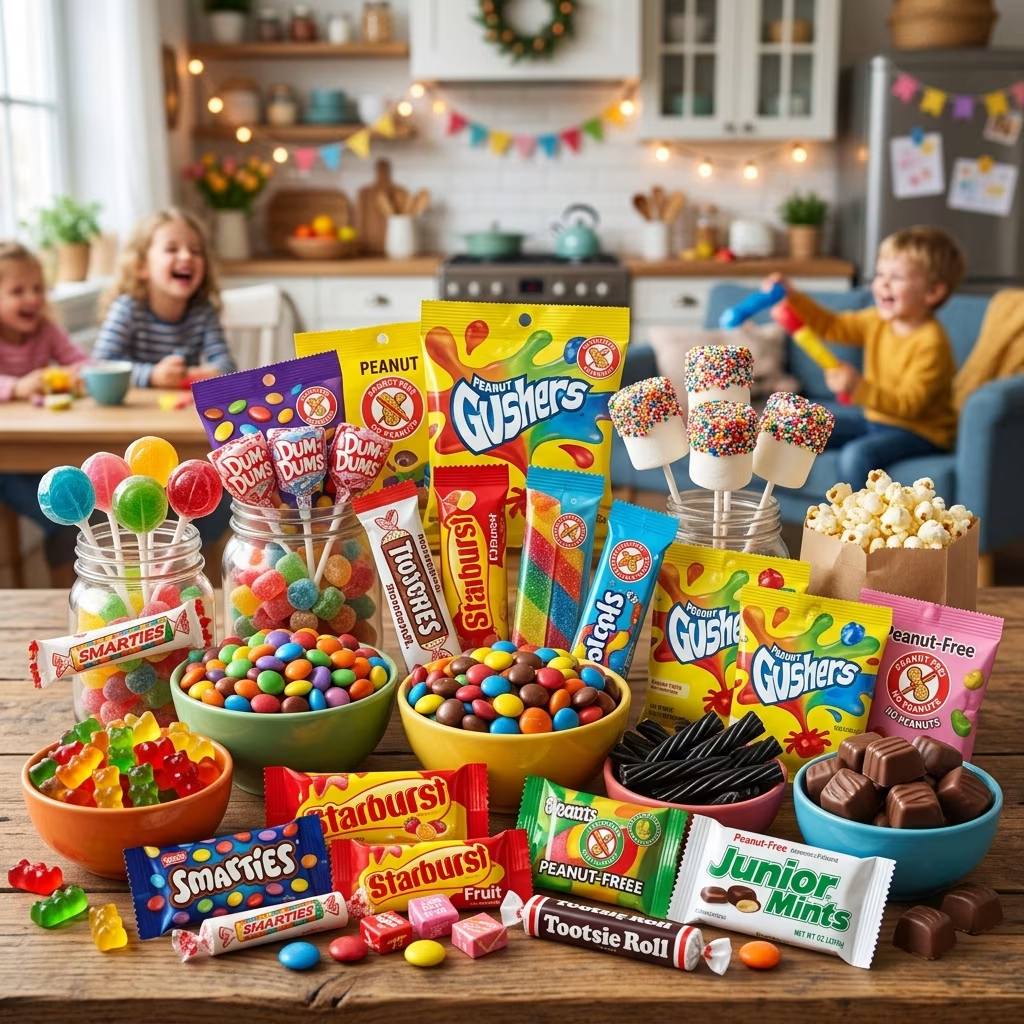
The following list highlights candies manufactured and labeled as peanut-free, with notes on their facility protocols, ingredients, and allergy considerations. Most options are also free of tree nuts, although other major allergens (milk, eggs, soy, wheat) may be present in some.
| Candy | Major Allergy-Free | Facility Peanut-Free? | Key Notes |
|---|---|---|---|
| Smarties | Yes (9 FDA major allergens) | Yes (UPC starts with “011206”) | Popular fruity tablets, clear allergen labeling |
| DOTS | Yes | Yes | Gumdrop candies, facility fully peanut/nut-free |
| Junior Mints | No (milk, eggs, soy lecithin) | Yes | Chocolate-mint, consult allergist if concerned about soy lecithin |
| Rolos | No (contains milk, soy) | Yes | Chocolate-covered caramel, not suitable for lactose-intolerant |
| Starburst | Yes | Yes | Chewy fruit candies, strong allergen protocols |
| Sour Patch Kids | Yes | Yes | Sour gummies, top 9 allergen-free |
| Nerds | No (contains sesame) | Yes | Fruity, non-chocolate treat, check packaging for sesame |
| Dum Dums | Yes | Yes | Lollipop, facility completely nut/milk/egg-free |
| Tootsie Rolls | No (contains milk, soy) | Yes | Creamy chocolate chew, not for lactose-intolerant |
| Laffy Taffy | Yes (contains soy lecithin) | No | Nut-free candy, but processed in non-nut-free facility |
| Skittles | Yes (most major allergens) | Strict segregation protocols | Chewy fruit candies, rainbow colors |
| Haribo Gummies | Yes | Yes | Gummy bears and other shapes, fun for kids |
| Hershey’s Plain Chocolate Kisses | Yes (single-serve) | Limited: Avoid King Size & seasonal varieties | Milk chocolate, check packaging for cross-contamination |
| Lifesavers | Yes | Yes | Fruit-flavored rings, hard and gummy |
| Sour Patch Kids | Yes | Yes | Sour then sweet gummies |
Children or adults who have multiple allergies should still verify the presence of other ingredients like milk, soy, or sesame. For all products, check the packaging for the most current allergen information, and consult a medical professional for guidance relevant to specific allergy profiles.
How to Check Labels for Peanut-Free Candy
- Read every ingredient list: U.S. manufacturers must disclose peanuts in the ingredients by law.
- Check for voluntary warnings: Statements like “may contain peanuts” or “processed in a facility that handles peanuts” signal a risk.
- Prefer candies made in dedicated peanut-free facilities; some brands use special codes (e.g., Smarties UPC starting “011206”) to identify such products.
- Look for allergy-certifications or brands with clear, robust cross-contamination controls.
Tips for Safe Peanut-Free Candy Selection
- Purchase from trusted retailers or manufacturer sites that provide up-to-date allergen information.
- For group events, share the ingredients list with other parents or caregivers prior to distribution.
- Teach children with allergies not to accept homemade or unlabeled treats. Pack a safe bag for school or outings.
- If you are in doubt about a product’s safety, contact the manufacturer directly for facility and ingredient disclosure.
- Consider additional dietary needs like lactose intolerance, gluten allergies, or egg allergies.
Manufacturing Practices: Why Facility Protocols Matter
Many candies are produced in facilities that either segregate peanut/nut handling or are entirely peanut/nut-free. The risk of cross-contamination can be minimized with modern safety standards, but not all manufacturers follow identical protocols.
- Dedicated peanut/nut-free facilities: These provide the highest assurance, but not all brands operate them; check packaging codes and allergen statements.
- Segregated production lines: In mixed facilities, manufacturers may use scheduled cleaning, physical barriers, and batch testing to reduce risk; this is less secure than dedicated facilities.
- Seasonal or king-size varieties may differ: Some brands warn that larger or seasonal items are processed differently (e.g., Hershey’s King Size Chocolate Kisses).
Halloween and Celebrations: Tips for Nut-Free Candy Sharing
- Choose individually wrapped candies with clear allergen labeling for trick-or-treating or parties.
- Communicate with all participants if your celebration includes children or adults with allergies.
- Pre-packaged treat bags can help with safe distribution, especially for school parties or community events.
- Include allergy-friendly alternatives like mini-toys or non-food treats alongside candies for inclusive celebrations.
Additional Popular Nut-Free Candy Brands to Consider
- Enjoy Life: Chocolate chips, snack bars, and cookies made in dedicated nut-free facilities.
- YumEarth: Organic gummies, lollipops, and fruit snacks with allergy-free labeling.
- Sun Cups: Chocolate cups filled with seed butters, produced nut-free.
- No Whey! Foods: Vegan, allergy-friendly chocolates and holiday treats.
Frequently Asked Questions (FAQs) About Peanut-Free Candy
Q: Is “peanut-free” the same as “nut-free”?
A: No. “Peanut-free” means free of peanuts only; some candies may still contain tree nuts (almonds, walnuts, pecans). For widespread safety, look for products labeled “peanut- and tree-nut free.”
Q: Are all varieties of a candy always peanut-free?
A: Not always. Seasonal, king-size, or “limited edition” varieties may be made on different equipment. Always check labels and manufacturer websites.
Q: What should I do if my child reacts to a candy that was supposed to be peanut-free?
A: Seek immediate medical attention. Save the packaging, take photos, and report the incident to the manufacturer and the FDA. Always consult an allergist for guidance.
Q: How do I find the most reliable peanut-free candy brands?
A: Look for companies with transparent labeling, allergen statements, and dedicated facilities. Many brands now offer direct online sales with full ingredient lists.
Q: Can people with severe allergies trust “may contain” or “processed in facility” warnings?
A: These warnings signal potential cross-contamination risk. If your allergy is severe, avoid products with any such labeling, regardless of ingredients.
Choosing Safely for School, Parties, and Everyday Treats
Allergy-friendly candy options have never been more available, but vigilance remains essential for families and caregivers. Always read product labels, consult manufacturers with questions, and prepare safe alternatives for group settings. With the right approach, celebrations can be inclusive and joyful all year round.
References
- https://www.signos.com/blog/nut-free-candy
- https://www.prevention.com/food-nutrition/a22551705/peanut-free-candy/
- https://kidshealth.org/en/teens/nut-allergy.html
- https://www.prevention.com/health/a20439569/best-foods-to-eat-when-sick/
- https://kidswithfoodallergies.org/living-with-food-allergies/top-food-allergens/tree-nut-allergy/
- https://pmc.ncbi.nlm.nih.gov/articles/PMC10646710/
- https://blog.providence.org/blog/enjoy-a-safe-and-allergy-friendly-halloween
- https://www.childrensdayton.org/the-hub/10-safe-food-options-pack-if-your-child-attends-nut-free-school