Fresh Tomato, Horseradish, and Lemon Soba: A Zesty Twist on Tradition
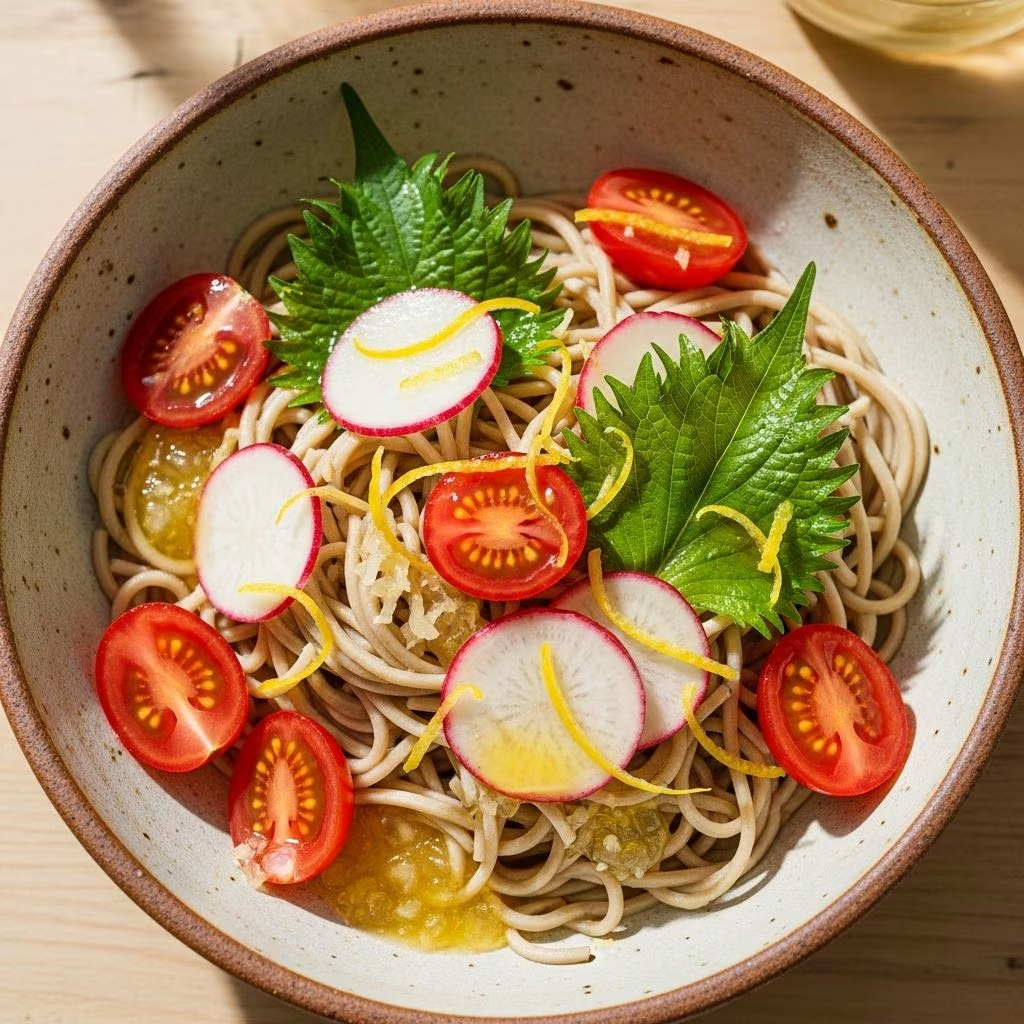
If you are searching for a light, vibrant, and refreshingly healthy dish for summer, look no further than soba noodles tossed with fresh tomatoes, zesty horseradish, and bright lemon juice. This innovative recipe draws on the heritage of Japanese cuisine, infusing it with seasonal produce and bold flavors that awaken every bite. Ideal as a cooling lunch or satisfying dinner, it brings together tangy tomatoes, sinus-clearing horseradish, and citrusy lemon over hearty, chewy soba noodles—the perfect canvas for creative, nutritional cooking.
Why Soba Noodles?
Soba noodles are a traditional Japanese food made primarily from buckwheat flour. Their nutty flavor, delicate texture, and unique nutritional profile make them a stand-out option in wholesome cooking.
- Gluten-Free (if 100% buckwheat)—great for those avoiding gluten.
- High in Protein & Fiber—provides steady energy and promotes fullness.
- Packed with Minerals: manganese, magnesium, potassium, zinc, iron, and B vitamins.
- Rich in Antioxidants: flavonoids like rutin and quercetin strengthen blood vessels and fight inflammation.
- Supports Heart Health & Blood Sugar Regulation: helps to manage cholesterol, blood pressure, and glycemic response.
The versatility of soba noodles extends to hot broths and chilled salads alike, making them a year-round staple that adapts beautifully to seasonal ingredients.
Recipe Overview: Tomato, Horseradish, and Lemon Soba
Inspired by classic Japanese soba preparations—often served cold in the summer—this recipe elevates the classic with fresh tomatoes for juiciness, horseradish for heat, and lemon juice for acidity. The flavors are bold but balanced, complementing the earthy soba noodles with freshness and vigor.
Ingredients
- 6 ounces soba noodles (preferably 100% buckwheat)
- 1 1/2 cups cherry or grape tomatoes, halved
- 2 tablespoons prepared horseradish
- 2 tablespoons freshly squeezed lemon juice
- 1 tablespoon soy sauce or tamari
- 2 teaspoons olive oil (optional)
- 1/4 cup chopped fresh herbs (dill, parsley, or chives)
- Salt and freshly ground black pepper, to taste
- Optional garnish: thinly sliced scallions, sesame seeds
Step-by-Step Instructions
- Cook soba noodles: Bring a large pot of water to a boil and add the soba noodles. Cook according to package instructions (usually 5–6 minutes), stirring to prevent sticking.
Tip: Soba can overcook quickly; taste for doneness at 5 minutes. Aim for tender yet chewy.
- Rinse and cool: Drain noodles and rinse under cold running water to halt cooking and remove excess starch. Toss noodles gently to cool and set aside.
- Prepare vegetable mix: While noodles cool, combine halved tomatoes, horseradish, lemon juice, soy sauce/tamari, and olive oil in a large bowl. Mix well.
- Combine: Add cooled soba noodles and chopped herbs to the bowl. Toss gently until everything is evenly coated.
- Season and garnish: Taste and adjust salt, pepper, and lemon as needed. Garnish with additional herbs, scallions, and sesame seeds if desired.
- Serve: Divide into bowls and enjoy immediately, with extra lemon wedges on the side.
Ingredient Spotlight
Tomatoes: Sweet, Tangy & Nutrient-Rich
- Rich in vitamin C, lycopene (an antioxidant), and potassium.
- Bright flavor creates a refreshing contrast with earthy soba.
- Seasonal cherry or grape tomatoes offer the best taste and texture.
Horseradish: Bold Heat & Health Benefits
- Provides a sharp, spicy flavor with sinus-clearing qualities.
- Contains glucosinolates linked to anti-inflammatory and antibacterial effects.
- Prepared horseradish (not creamy) best for this recipe.
Lemon Juice: Brightness with a Citrus Kick
- Balances the heat of horseradish and sweetness of tomatoes.
- High in vitamin C and supports absorption of plant-based iron.
- Freshly squeezed provides best flavor and aroma.
Nutritional Benefits of Soba Noodles
| Nutrient | Amount per Cup (cooked) | Benefit |
|---|---|---|
| Protein | 6–8 grams | Supports muscle health, immune function |
| Fiber | 2.5–3 grams | Promotes fullness, gut health, regulates blood sugar |
| Manganese | 0.4 mg | Bone health, metabolism |
| Magnesium | 44 mg | Muscle & nerve function |
| Thiamin (Vitamin B1) | 0.2 mg | Energy production |
| Rutin & Flavonoids | – | Antioxidant, vascular health |
| Fat | <1 gram | Very low in fat |
| Gluten | 0 (if pure buckwheat) | Safe for gluten-free diets |
Seasonal Eating: Why Summer is Best for This Recipe
This soba noodle bowl capitalizes on peak summer produce—juicy tomatoes and fragrant herbs—making it both seasonally flavorful and nutrient-dense. Chilling the noodles not only improves texture but also offers a refreshing meal for hot weather. The addition of horseradish and lemon brings bright, bold notes that cut through the richness of the soba, keeping the dish lively and satisfying.
Simple Swaps & Customizations
- Substitute cherry tomatoes for heirloom or regular tomatoes, diced small.
- Use fresh grated horseradish root instead of prepared for stronger heat.
- Replace lemon juice with lime or yuzu for different citrus tones.
- Add blanched sugar snap peas, cucumber, or avocado slices for added texture.
- For protein, top with grilled tofu, poached shrimp, or shredded rotisserie chicken.
- Serve with a side of chilled miso broth or dashi for a fuller Japanese experience.
Health Benefits of This Soba Bowl
- Gut Health: Soba’s prebiotic fiber supports beneficial gut bacteria.
- Cardiovascular Support: Buckwheat is linked to improved blood vessel strength and cholesterol regulation.
- Antioxidants: Tomato’s lycopene and soba’s flavonoids protect cells from oxidative damage.
- Blood Sugar Management: The fiber in soba noodles slows carbohydrate absorption, aiding blood sugar control.
- Low Calorie & Fat: Ideal for light summer eating and calorie-conscious diets.
Frequently Asked Questions (FAQs)
Is this soba noodle dish gluten-free?
If the soba noodles are made of 100% buckwheat flour, the recipe is naturally gluten-free. However, many commercial brands include wheat flour, so always check the label if you have celiac disease or gluten sensitivity.
Can I make this recipe ahead of time?
Yes. Prepare the noodles and vegetable mixture separately, then combine up to an hour before serving for best texture and flavor. Store leftovers in an airtight container for up to two days in the refrigerator.
How spicy is the horseradish in this dish?
The recipe calls for a moderate amount of prepared horseradish, lending sharpness without overwhelming heat. Adjust up or down based on personal preference. Fresh horseradish root is typically spicier than jarred versions.
How do I avoid mushy soba noodles?
Soba noodles cook quickly and can become mushy if overcooked. Taste them early and rinse them with cold water to stop cooking and preserve their chewy, pleasant texture.
Are soba noodles healthy compared to regular pasta?
Yes. Soba noodles offer more protein, fiber, and key minerals while being lower in calories and gluten-free (when made from pure buckwheat). They also contain unique plant compounds like flavonoids, which support heart and vascular health.
Tips for Sourcing the Best Soba Noodles
- Choose brands labeled “100% buckwheat.” Japanese import brands often use the term “juwari soba.”
- Inspect ingredient lists for added wheat flour or gums. Pure buckwheat soba is darker and slightly rough-textured.
- Store dried soba noodles in a cool, dry place.
- Cook soba gently—vigorous boiling can break delicate noodles.
Serving Suggestions
- Lunch Bowl: Pair with a light miso soup and a side of pickled vegetables.
- Outdoor Picnic: Pack noodle salad chilled in containers; add extra lemon wedges for freshness.
- Dinner Party: Serve as a starter with grilled seafood or vegetable skewers.
- Meal Prep: Prepare components in advance for easy weekday lunches.
Expert Tips for the Perfect Soba Salad
- Rinse soba noodles thoroughly after boiling to remove excess starch; this prevents clumping and ensures a silky texture.
- Toss noodles with a small amount of oil to keep them separated, especially for cold salads.
- Balance flavors: Add more lemon for acidity, adjust horseradish to taste, and use fresh herbs liberally.
- Season generously, but taste before adding more salt—soy sauce provides natural salinity.
Variations for Dietary Preferences
- Vegan: This recipe is naturally vegan as long as plant-based horseradish and soy sauce are used.
- Gluten-Free: Use only 100% buckwheat soba.
- Low-Sodium: Substitute coconut aminos for soy sauce, reduce salt, and use unsalted horseradish.
- High-Protein: Toss with edamame or top with pan-seared tofu.
Conclusion: Elevate Your Summer Dining
This fresh tomato, horseradish, and lemon soba noodle bowl is a celebration of seasonal ingredients and Japanese-inspired technique. Fast to prepare, full of complex flavors, and packed with nutritional benefits, it is ideal for light lunches, quick dinners, and summer entertaining. Whether you’re new to soba noodles or a long-time fan, this dish offers a refreshing take that prioritizes health, taste, and simplicity.
Experiment freely with your favorite vegetables, proteins, and herbs—soba is endlessly versatile and pairs well with the bright, zesty flavors of tomato and citrus. Invite summer into your kitchen and enjoy the nourishing, lively flavors this soba bowl provides.
References
- https://www.healthline.com/health/food-nutrition/soba-noodles-nutrition
- https://www.medicinenet.com/are_soba_noodles_healthier_for_you_than_pasta/article.htm
- https://www.news-medical.net/health/Health-Benefits-Of-Soba-Noodles-And-Nutritional-Facts.aspx
- https://www.organicfacts.net/soba-noodles.html
- https://pmc.ncbi.nlm.nih.gov/articles/PMC8595341/
- https://www.bbcgoodfood.com/health/nutrition/health-benefits-buckwheat
- https://www.byfood.com/blog/culture/guide-to-soba