Traditional Hanukkah Foods: Illuminating the Festival of Lights
Hanukkah, known as the Festival of Lights, is a joyous eight-day Jewish holiday celebrating the miracle of the oil that burned for eight nights in the ancient Temple of Jerusalem. Just as light is central to Hanukkah’s symbolism, sharing food with family and friends stands at the heart of its celebration. Throughout the centuries, Jewish communities have cherished an array of dishes specifically crafted for Hanukkah, each loaded with cultural meaning, steeped in history, and—above all—exceptionally delicious.
Why Do We Eat Fried Foods at Hanukkah?
The tradition of eating fried foods during Hanukkah commemorates the miracle of the sacred oil that lasted eight days. Cooking with oil, especially in dishes like potato latkes and sufganiyot, echoes the holiday’s central theme. Over generations, both Ashkenazi and Sephardic Jews have developed unique Hanukkah menus that celebrate their regions’ flavors while maintaining the connection to this ancient story.
Iconic Hanukkah Dishes
From crispy potato pancakes sizzling in oil to aromatic, slow-cooked briskets, Hanukkah foods reflect both tradition and comfort. Explore the staples that constitute a classic Hanukkah feast and learn why these recipes are so beloved.
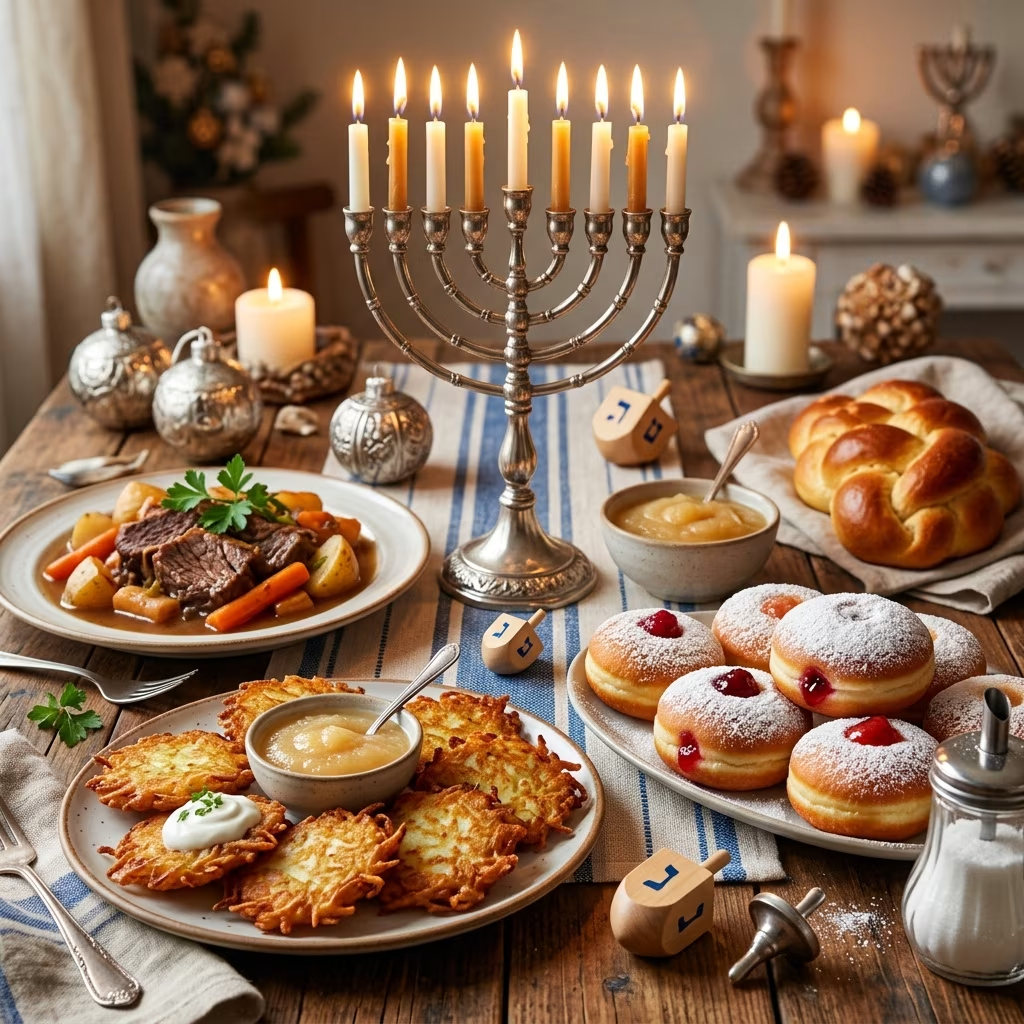
- Potato Latkes – The signature dish of Hanukkah, these golden, crispy pancakes represent the miracle of the oil and are typically served with applesauce or sour cream.
- Brisket – Slow-roasted beef brisket offers tender, savory slices perfect as the centerpiece of your holiday meal.
- Sufganiyot (Jelly Doughnuts) – Deep-fried and filled with fruity jam, these treats are a sweet, celebratory dessert enjoyed throughout Hanukkah.
- Kugel – Comforting noodle or potato casseroles, often sweet or savory, frequently appear on Hanukkah tables, bringing warmth and tradition.
- Challah – Braided, golden bread symbolizing unity and blessing, sometimes made specially for Hanukkah with festive toppings.
- Roasted Chicken – Herb-rubbed, oven-roasted chicken is a classic, flavorful main dish for family gatherings.
- Root Vegetables – Roasted or stewed, root vegetables like carrots and parsnips offer a subtly sweet complement to heavier mains.
- Applesauce & Sour Cream – Essential condiments for topping latkes, enhancing both savory and sweet notes.
Spotlight on Potato Latkes
No Hanukkah celebration is complete without potato latkes. These crisp, golden pancakes—made from grated potatoes and onions—are fried in oil as a tribute to the miraculous oil of Hanukkah. Latkes vary in style and technique throughout Jewish communities.
- Classic Potato Latkes:
- Made from grated potatoes, onions, eggs, matzo meal (or flour), salt, and pepper.
- Fried in vegetable oil or schmaltz for crunch and flavor.
- Cheese Latkes:
- Include cream cheese and ricotta, making them fluffier and more delicate than traditional potato latkes.
- Giant Skillet Latkes:
- Prepared as one large pancake, this method is ideal for serving a crowd with less time spent frying individual cakes.
- Shockingly Crisp Baked Latkes:
- Baked—rather than fried—using generous oil to ensure a crunchy exterior with less mess.
- Asparagus Latkes:
- Made with asparagus for a lighter, vegetable-focused twist on the traditional recipe.
Latkes are frequently topped with applesauce for a sweet counterpoint or sour cream for tangy richness. Each garnish has devoted fans vying for their preferred topping at the holiday table.
Sufganiyot: Jelly Doughnuts of Hanukkah
Sufganiyot are pillowy doughnuts filled with sweet jam, then dusted with powdered sugar. Fried in oil, they serve as a delectable reminder of Hanukkah’s miracle, and bakeries across Israel and the world offer dozens of varieties each December. While the base is similar to other doughnuts, sufganiyot traditionally feature:
- Light, yeast-leavened dough
- Classic fillings such as strawberry, raspberry, or apricot jam
- Dusting of powdered sugar
Modern takes might substitute custard, chocolate, or caramel fillings for a creative spin.
Hanukkah Classics: Brisket and Roasted Chicken
Beef brisket is a cherished centerpiece for Hanukkah feasts. Traditionally slow-cooked until fork-tender, brisket is frequently braised with onions, carrots, root vegetables, and sauces ranging from classic au jus to tangy tomato or wine reductions. The long cooking process infuses the meat with deep flavor and provides hearty sustenance for wintry nights.
Roasted chicken—rubbed with fresh herbs and spices, served with seasonal vegetables—offers a lighter main that pairs beautifully with Hanukkah’s side dishes. The golden, crispy skin and juicy meat are sure to satisfy guests of all ages.
Kugel: A Beloved Hanukkah Casserole
Kugel, especially noodle or potato variations, frequently graces Hanukkah tables. This comforting casserole balances sweet and savory flavors. Ingredients vary with regional traditions:
- Noodle Kugel: Egg noodles, eggs, cottage cheese or cream cheese, raisins, and sometimes apples; can be sweet or savory.
- Potato Kugel: Shredded potatoes, onions, eggs, matzo meal, and seasoning for a denser version of latkes, ideal for serving large groups.
Kugel can be topped with brown sugar, cinnamon, or nuts for additional sweetness, or kept plain for a rustic side to mains like brisket or chicken.
Challah: Braided Bread for Hanukkah
Challah is a braided bread eaten on Jewish holidays and Shabbat. For Hanukkah, many families enjoy making larger, multi-strand braids, sometimes sprinkled with poppy seeds or sesame for extra flavor. The golden crust and pillowy texture make challah ideal for sharing and accompany dips, spreads, and entrees alike.
Root Vegetables & Sides
Serving roasted root vegetables—such as carrots, parsnips, sweet potatoes, and turnips—provides natural sweetness and a grounding balance for richer dishes. Seasoned with olive oil, rosemary, thyme, and garlic, these vegetables caramelize beautifully in the oven, bringing vibrant colors and flavors to the festive table.
Applesauce and Sour Cream: Essential Latke Toppings
No Hanukkah latke platter is complete without applesauce and sour cream. The combination of crispy potatoes with cool, tangy or sweet toppings highlights the textural and flavor contrasts that define Jewish home cooking.
- Applesauce: Homemade or store-bought, applesauce brings a fruity sweetness to fried foods.
- Sour Cream: Offers creamy, tangy richness, balancing the fried, savory latkes.
Many families set both options on the holiday table to accommodate personal preferences, sparking playful debate over which is best.
Other Hanukkah Specialties
- Chopped Liver: A classic Jewish spread made with chicken or beef liver, onions, and hard-boiled eggs, traditionally served with challah or matzo.
- Fritters and Buñuelos: Sephardic Jewish communities enjoy fried fritters similar to doughnuts, often drizzled with honey or syrup.
- Gluten-Free Latkes: Variations using Yukon Gold potatoes and gluten-free flour ensure everyone can partake.
- Mediterranean Olive Chicken: Marinated in green olives, herbs, and citrus, this variation offers a bright, festive alternative to classic roast chicken.
Hanukkah Table: Sample Menu
| Course | Traditional Dish | Notes |
|---|---|---|
| Appetizer | Chopped Liver, Challah | Classic spread and bread, perfect for sharing |
| Main | Beef Brisket, Roasted Chicken | Hearty and flavorful centerpieces |
| Side | Potato Latkes, Root Vegetables | Served with applesauce and sour cream |
| Dessert | Sufganiyot, Kugel, Buñuelos | Fried doughnuts and casseroles for sweet endings |
Frequently Asked Questions (FAQs)
Q: What is the significance of oil in Hanukkah foods?
A: Oil in Hanukkah foods commemorates the miracle in the Hanukkah story, where the oil lamp in the temple burned for eight days instead of one, leading to the tradition of enjoying fried dishes during the holiday.
Q: Are all Hanukkah dishes fried?
A: While fried foods are central due to the oil miracle, many Hanukkah dishes are baked or roasted, such as brisket, roasted chicken, and kugel, which are equally traditional and delicious.
Q: What are alternatives to potato latkes?
A: Alternatives include cheese latkes, baked latkes, vegetable-based latkes like asparagus latkes, and even gluten-free options using different potatoes or flour blends.
Q: What kind of fillings are popular in sufganiyot?
A: Traditional fillings are strawberry or raspberry jams, but custard, caramel, and chocolate are also popular, especially in modern bakeries.
Q: Do Sephardic Jews have different Hanukkah foods?
A: Yes, along with dishes like buñuelos (fried fritters) and keftes, Sephardic Hanukkah cuisine often features Mediterranean spices and ingredients, diversifying the holiday table.
Tips for Hosting a Festive Hanukkah Meal
- Plan ahead for large batches of latkes and sufganiyot—these fry best in batches and taste best fresh and hot.
- Mix sweet and savory dishes to offer a well-rounded meal; kugel and roasted roots provide balance to richer mains.
- Prepare accoutrements like applesauce and sour cream in advance to ensure seamless serving during dinner.
- Decorate your table with menorahs, dreidels, and blue and silver accents for a festive ambiance.
Final Thoughts
Hanukkah’s culinary customs are more than recipes: they are expressions of history, family, and faith, handed down through generations. Whether you opt for labor-intensive classics like brisket or keep the menu simple with latkes and jelly doughnuts, the true joy of Hanukkah comes through gathering, sharing, and illuminating the season with love.
References
- https://www.wholefoodsmarket.com/recipe-collections/hanukkah-dinner-recipes
- https://food52.com/story/21083-latkes-doughnuts-and-more-hanukkah-fried-foods
- https://toriavey.com/hanukkah-holiday-recipe-roundup/
- https://www.delish.com/holiday-recipes/hanukkah/g63251313/last-minute-hanukkah-recipes/
- https://andrewzimmern.com/recipes/andrew-zimmerns-hanukkah-favorites/
- https://www.jewishfoodsociety.org/collections/best-hanukkah-recipes
- https://www.youtube.com/watch?v=6E-CWlGSgJc