Passover, or Pesach, is one of the most significant holidays in the Jewish calendar—a time steeped in history, symbolism, and family traditions. Central to the Passover celebration is the Seder, a ritual meal that marks the Jewish people’s exodus from slavery in Egypt. The foods served during Passover carry profound spiritual meaning, representing themes of liberation, hardship, and renewal. Whether you are hosting your first Seder or reconnecting with generational traditions, understanding these dishes enriches the celebration.
Understanding the Seder Plate: Symbolic Foods Explained
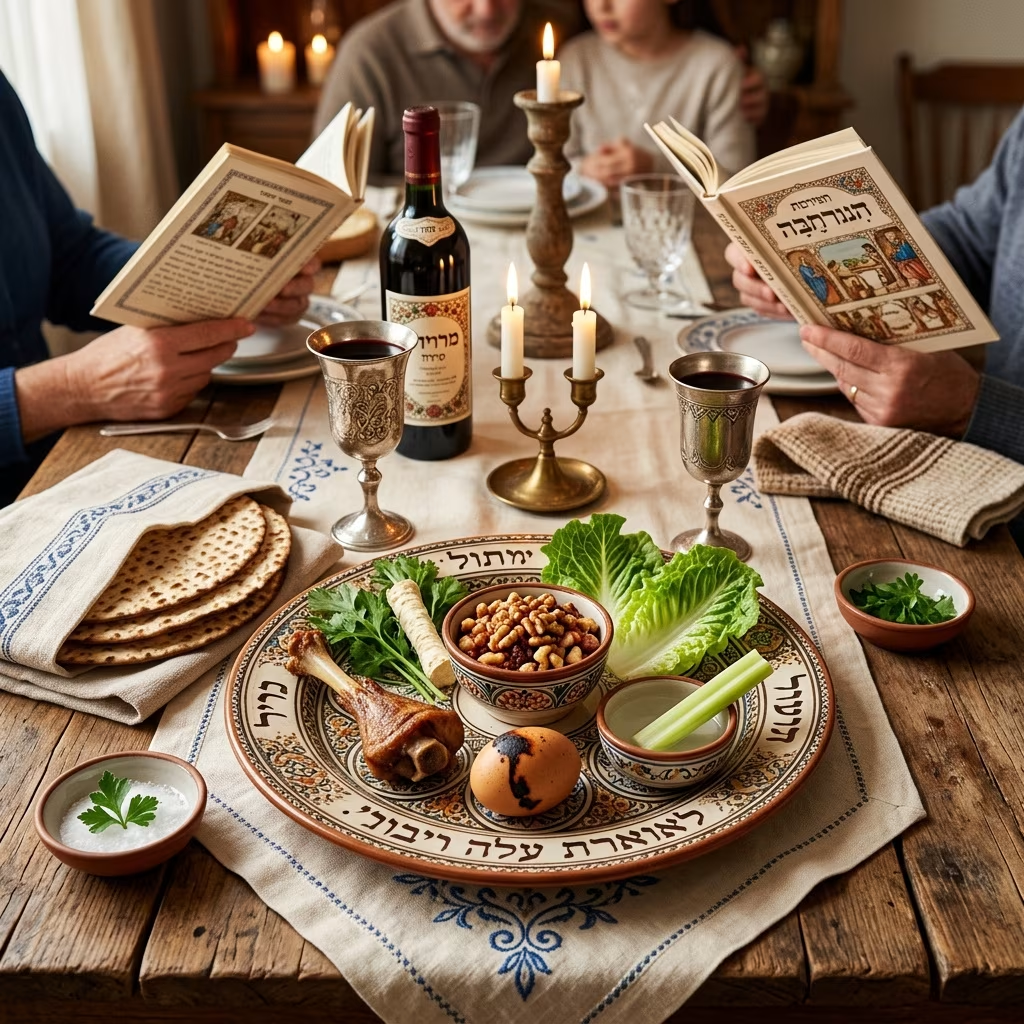
The Seder plate (ke’arah) sits at the heart of the Passover table. Each item on the plate has symbolic significance, offering a sensory retelling of the Exodus story. While the order and specifics vary by tradition, the following foods are commonly included:
- Karpas: A green vegetable (usually parsley or celery) representing hope and spring. It is dipped in salt water to evoke the tears of the Israelites during their enslavement.
- Charoset: A sweet mixture of apples, nuts, wine, and spices symbolizing the mortar used by Hebrew slaves to build for the Egyptians.
- Maror: Bitter herbs, typically horseradish, representing the bitterness of slavery.
- Chazeret: A second bitter herb, often romaine lettuce, reinforcing the theme of hardship.
- Zeroa: A roasted shank bone commemorating the sacrificial lamb offered during the original Passover in Jerusalem’s Temple.
- Beitzah: A hard-boiled or roasted egg, symbolizing mourning, sacrifice, and the cycle of life.
Additionally, three pieces of matzo are stacked and set aside, representing humility and the unleavened bread made in haste during the Exodus.
Essential Passover Dishes and Their Meanings
Beyond the symbolic foods of the Seder plate, Passover is celebrated with a meal featuring unique dishes prepared without leavened ingredients. These traditional favorites have become staples at Passover tables worldwide:
1. Matzah: The Unleavened Bread of Freedom
Matzah is the star of Passover—an unleavened, cracker-like flatbread. Its role is both ritual and practical, recalling the bread of affliction made by fleeing Israelites who lacked time to let their dough rise. Matzah is eaten throughout all eight days of Passover and occupies multiple elements of the Seder ritual, including the afikoman (dessert matzah children search for at the end of the meal).
2. Matzo Ball Soup: Comfort in a Bowl
Nothing signals the start of Passover dinner as lovingly as a steaming bowl of matzo ball soup. These tender dumplings, made from ground matzo meal, eggs, oil, and seasoning, float in savory chicken broth brimming with carrots and dill. Regional variations abound, with some families arguing over the ideal matzo ball texture—should it be light and fluffy or dense and chewy?
3. Brisket: A Centerpiece of Celebration
Brisket, slow-cooked until meltingly tender, is a beloved main course at Passover. Seasoned simply or prepared with onions, garlic, carrots, and tomatoes, brisket’s heartiness brings comfort and sustenance to the Seder table. Modern recipes include oven-roasted, slow-cooker, or even red wine-braised versions, all conforming to Passover’s dietary requirements.
4. Gefilte Fish: A Classic Appetizer
Gefilte fish originated in Eastern Europe as a resourceful way of stretching small fish into an elegant first course. Prepared as poached patties or loaves of ground freshwater fish (typically carp, whitefish, and pike), gefilte fish is often served cold with horseradish sauce (chrein) for zing.
5. Potato Kugel: Hearty and Versatile
Potato kugel is a golden, savory casserole made from grated potatoes, onions, eggs, and oil or schmaltz (rendered chicken fat). Crisp on the edges and soft in the center, it’s a universal favorite among Ashkenazi Jews, and a perfect accompaniment to meat or poultry.
6. Roasted Chicken: A Festive Staple
Many families serve a perfectly roasted whole chicken for their Passover meal. Enhanced with garlic, herbs, and lemon, this versatile main is both celebratory and easy to adapt for a crowd. Pairing with root vegetables amplifies the seasonal, springtime feel of the menu.
7. Tzimmes: Sweet Carrots Steeped in Tradition
Tzimmes is a sweet, slow-cooked stew with carrots, sometimes sweet potatoes, dried fruits (such as prunes or apricots), honey, and spices. The dish combines vibrant color with festive flavor, embodying wishes for a sweet year ahead.
8. Seder Plate Salads: Freshness and Symbolism
Salads rich with fresh radishes, celery, or parsley often grace the Passover table, referencing the karpas of the Seder plate. Tossed with spring herbs like dill and a touch of lemon, these salads provide a welcome counterpoint to richer fare.
9. Macaroons: The Quintessential Passover Dessert
Coconut macaroons are a ubiquitous sweet treat during Passover, since they contain no flour or leavening agents. Crisp on the outside, chewy within, and often dipped in chocolate, these cookies are enjoyed throughout the week of celebrations.
10. Flourless Chocolate Cake: Indulgence Without Chametz
For those craving a decadent dessert, flourless chocolate cake is a luxurious option. Dense, moist, and intensely chocolatey, this cake satisfies sweet tooths while adhering to Passover’s strict dietary laws.
Beyond Ashkenazi: Global Passover Traditions
Jewish communities worldwide bring their own flavors and customs to Passover:
- Sephardic Jews often feature herbed lamb, lemony rice pilaf, and different charoset variations with dates, figs, or nuts.
- Persion Jewish tables might have sweet and sour fish, fennel salads, or herbal omelets reminiscent of spring.
- Mizrahi traditions can include spicy stews and unique vegetable dishes using local produce and aromatic spices.
The unifying thread is adherence to Passover’s prohibition on chametz—no leavened grains or bread products are used, fostering delicious creativity across Jewish kitchens.
Seder Plate: Meaning and Preparation Table
| Seder Plate Food | Symbolism | How It’s Prepared/Used |
|---|---|---|
| Karpas | Spring, hope, and the tears of slavery | Fresh veggie (parsley or celery), dipped in salt water and eaten |
| Charoset | Mortar for bricks in Egyptian slavery | Mix of apples, nuts, wine, cinnamon; spooned onto matzo |
| Maror | The bitterness of slavery | Grated horseradish, eaten plain or with matzo |
| Chazeret | Reinforcement of hardship | Romaine lettuce, eaten with matzo |
| Zeroa (Shank Bone) | Peschal sacrifice and deliverance | Roasted lamb bone, not eaten |
| Beitzah (Egg) | Mourning, life cycle, spring | Hard-boiled or roasted, sometimes eaten with salt water |
Guidelines for a Kosher Passover Table
- Avoid leavened ingredients: No wheat, oats, barley, rye, or spelt products that have risen.
- Substitute matzo meal: Use ground matzo in baked goods or as breading.
- Seek kosher for Passover certification on packaged foods like chocolate, potato starch, and condiments.
- Plan ahead: Prepare classics such as brisket and matzo ball soup in advance to minimize kitchen stress during the holiday.
- Use fresh produce liberally: Passover celebrates spring, so add salads and roasted vegetables to your menu.
Creative Passover Variations and Modern Twists
With new generations come inventive takes on tradition:
- Vegan matzo ball soup crafted with vegetable broth and olive oil
- Herbed cauliflower kugel for a lighter side
- Chocolate-dipped macaroons with toasted coconut or citrus zest
- Matzo brei (fried matzo with eggs) for breakfast or brunch
- Berry-topped flourless chocolate cake in place of classic fudge icing
FAQs About Traditional Passover Foods
What is eaten during Passover, and what is forbidden?
Throughout Passover, any food made with leavened grains is avoided—this includes most bread, cakes, pasta, and cookies. Instead, Jews eat unleavened bread (matzah) and make special recipes using matzo meal, potatoes, eggs, meat, and fresh produce. Dairy is used in vegetarian dishes, but only when not serving meat.
Is it traditional to eat both brisket and chicken at the same meal?
Many families offer both to accommodate preferences and large gatherings. Brisket is more common, but a roasted chicken ensures there is enough for everyone and adds variety.
What dessert options are available during Passover?
Flourless desserts abound. Macaroons (especially coconut), flourless chocolate cake, meringues, and nut-based tortes are all traditional for Passover. Matzo can also be transformed into desserts such as matzo brittle (‘matzo crack’) or layered cakes with chocolate and jam.
Can vegetarians celebrate with a full Seder plate?
Absolutely. Many vegetarian households substitute the traditional shank bone with a roasted beet and use extra eggs or vegetable-based options for the Seder plate items.
What makes matzo different from regular bread?
Matzo is made without leavening and baked quickly, so it remains flat, crisp, and crunchy, embodying the urgency of the Exodus and symbolizing humility.
Tips for Hosting a Memorable Passover Seder
- Plan your Seder plate in advance: Gather all ingredients early to ensure no last-minute surprises.
- Prepare dishes ahead: Many classics like brisket and kugel taste even better after resting overnight.
- Invite participation: Encourage guests of all ages to take part in readings, songs, and retelling the Passover story.
- Balance tradition and creativity: Mix beloved family recipes with new flavors or modernized dishes.
- Highlight symbolism: Take time to discuss the meaning of each Seder plate item and its relevance today.
Conclusion
Passover unites food, faith, and family in a joyful, symbolic celebration. Whether you are savoring matzo ball soup, raising a glass of wine during the Seder, or indulging in homemade desserts, each dish enriches the retelling of the Exodus and draws the community together. L’Shana Haba’ah—in the hopes of freedom, renewal, and delicious meals shared with those you love.
References
- https://www.thepioneerwoman.com/food-cooking/meals-menus/g35726399/traditional-passover-food-recipes/
- https://www.cookunity.com/blog/passover-foods
- https://www.qfc.com/blog/food/passover-seder-foods
- https://www.jewishfoodsociety.org/collections/passover-recipes-from-jewish-communities-around-the-world
- https://www.gelsons.com/recipes/view/passover-dinner-ideas
- https://toriavey.com/passover-recipe-index/