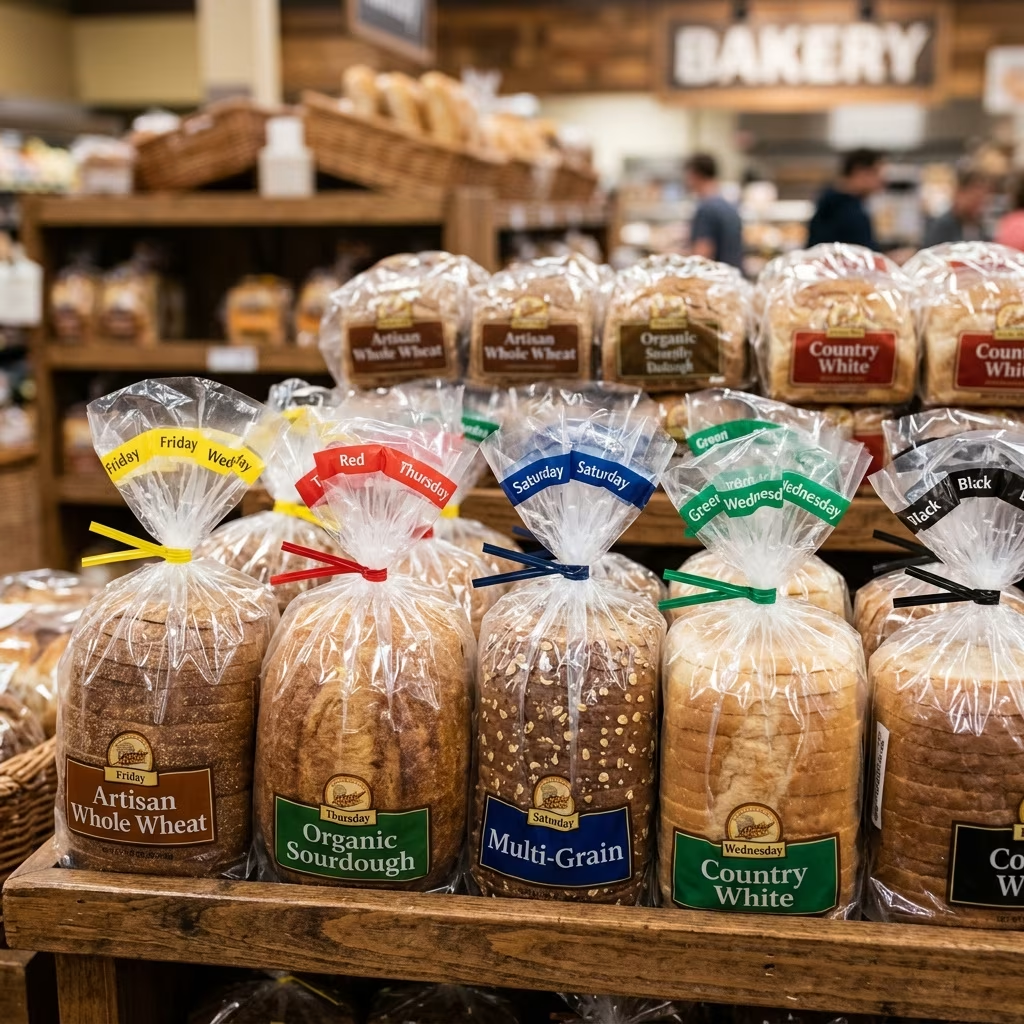
Every trip down the bread aisle presents a familiar sight: loaves sealed with small, colorful twist ties or plastic tags. For decades, shoppers have wondered about the significance of these blue, red, or yellow fasteners. Are they random? Or is there a method behind the colors?
This article unpacks the long-standing question: What do the colors of bread twist ties and tags really mean? We reveal the coding system used in bakeries and grocery stores, how it helps ensure you get the freshest bread, and caveats you should know as a savvy consumer.
Why Do Bread Bags Have Colored Twist Ties or Tags?
The colorful ties and tags aren’t just for aesthetics or closing the bag. They serve a very practical purpose for bakeries, grocery store employees, and customers alike: identifying the day a loaf was baked. This system helps quickly cycle out old loaves and restock with fresh ones, keeping your bread-buying experience safe and pleasant.
- Visual Cue for Staff: Workers can immediately identify which loaves need to be rotated or removed from shelves with just a glance.
- Quick Reference for Shoppers: If you know the code, you can choose the freshest bread each time.
- Inventory Management: Ensures that customers rarely encounter stale product, as stock is rotated with high efficiency .
Decoding the Bread Tie Color System
Most major commercial bakeries in the United States follow a color system that designates the day of the week each loaf was baked and delivered. The most common coding goes as follows:
| Day of the Week | Color of Twist Tie / Tag |
|---|---|
| Monday | Blue |
| Tuesday | Green |
| Thursday | Red |
| Friday | White |
| Saturday | Yellow |
(Most bakeries do not bake on Wednesdays or Sundays, hence those days are usually skipped in the rotation.)
Alphabetical Order Trick: The colors are intentionally arranged in alphabetical order, which makes them easier to remember:
- Blue – Monday
- Green – Tuesday
- Red – Thursday
- White – Friday
- Yellow – Saturday
Knowing this simple system can make a real difference if you’re keen on buying the freshest loaf available.
Why Isn’t There Bread for Every Day?
Observant shoppers may notice there are no colors or tags for Wednesday and Sunday in most cases. That’s because most commercial bakeries operate on a five-day baking and delivery schedule. Bread is usually not baked or delivered mid-week or on Sundays, so their colors are skipped in the rotation.
This ensures the code stays simple and easy to use, both for stock management and consumer awareness.
How the System Works in Practice
At a glance, the color-coded tag or tie tells store employees exactly when bread came in, making shelf rotation much faster. It also gives customers—who are in-the-know—the chance to pick out loaves from the most recent delivery. The tags are generally swapped out daily as new shipments arrive. Stale loaves, signaled by an outdated tag color, are removed after no longer than a couple of days .
For example: If you shop on a Thursday and see both blue (Monday) and yellow (Saturday) tags, you’ll know instantly which bread is freshest.
The system isn’t just a consumer aid, but a core part of how grocers minimize waste and ensure food safety, as bread left on shelves for more than two or three days is typically removed regardless of its appearance.
Are Colored Tags and Ties Used Nationally?
While this color code is standard for most major bread brands across America, it’s not an official requirement. Some smaller bakeries or store chains may choose their own tag and color schedule. As a result, not every single loaf in every market will strictly follow this five-color system . Still, it is the prevalent method among large-scale bread producers and in most supermarkets.
When in doubt, check the sell-by or best-by date printed on the bag as your backup freshness check, especially if you notice a color that seems out of rotation for your shopping day.
Is the Color System Useful for Consumers?
Absolutely—especially if you shop infrequently or want to maximize the shelf life of bread at home. If you want the freshest bread, simply match the day you shop to the most recent color on the list.
- Knowledge is power: Use the color key to beat the rush and snag the freshest loaves.
- Saves money: Fresher bread lasts longer, preventing waste and extra trips to the store.
- Boosts food safety: Old bread is swapped out quickly, helping reduce your risk of buying a stale or unsafe product.
That said, some companies may vary from the standard code—or switch to plastic tags instead of twist ties. The principle is the same, but always cross-check with expiration dates to be sure.
Twist Ties vs. Plastic Tags: Are They the Same?
Yes—both twist ties and plastic tags are used for the same purpose. Whether a bag is sealed with a wire-and-paper twist tie or a flat plastic clip, the color system remains in place. Plastic tags are often preferred for their quick application in automated production lines, but many local bakeries still use twist ties.
Do All Bread Companies Use Colored Ties or Tags?
Not always. While the system is widespread, some bread makers may not participate, or they may assign colors differently for logistical convenience. If the color code is unclear, always refer to the printed date on the bag, which is a universal indicator of quality. Remember: the sell-by date reflects rotation for sales, not safety, so bread is often safe to eat for several days after this date if stored properly .
Insider Tips for Buying the Freshest Bread
- Shop early: Fresh bread is usually delivered in the morning, so shopping early gives you the widest selection and the chance to get bread that has just arrived.
- Check multiple brands: If you see a range of tag colors on the shelves, look at other brands—sometimes one brand’s delivery schedule leads to fresher bread on that particular day.
- Know your schedule: If you know you only shop on weekends, yellow and white tags (Saturday or Friday) usually indicate the freshest loaves.
- Plan for home storage: If you don’t eat bread quickly, freeze extra loaves. Bread freezes well and preserves the quality.
- Don’t ignore dates: Use tag color as a guide, but always double-check for a printed date or freshness guarantee from the bakery.
Why Are There Different Tag Colors for the Same Bread?
Sometimes, you may find loaves of the same brand or variety sporting different tag colors on the shelf. This could happen if:
- More than one delivery arrived that week
- Bread was rotated but some older stock remains
- Stocks from two different locations were combined
Use the color coding to your advantage and select the loaf with the tag closest to the day you are shopping.
The Science of Bread Freshness
Bread is best enjoyed fresh. As it sits, even in sealed bags, it quickly loses moisture and flavor. Commercial bakeries designed the tag color system for the short shelf-life of sandwich bread, as most loaves are best consumed within four to seven days of baking.
Storing bread at room temperature and keeping it tightly sealed can help prolong taste, but if you want the true “fresh bakery” experience, use the color system to pick the newest loaves every single time.
Frequently Asked Questions (FAQs)
Q: What do the different bread twist tie or tag colors mean?
A: The color indicates which day of the week the loaf was baked or delivered: Blue (Monday), Green (Tuesday), Red (Thursday), White (Friday), and Yellow (Saturday) .
Q: Why are there no colors for Wednesday or Sunday?
A: Most commercial bakeries do not bake or deliver bread on these days. That’s why those days are usually skipped in the color rotation.
Q: Should I rely only on tag color for freshness?
A: It’s a useful guide, but always double-check the printed date on the bread bag, especially with brands that may not follow the standard system.
Q: Are twist ties and plastic tags interchangeable in meaning?
A: Yes. Both indicate the same information about baking or delivery day using the same color code system.
Q: Can bread stay fresh beyond the sell-by date?
A: Often yes, if stored properly. The sell-by date is meant for retailers’ rotation systems, not safety. Bread can be good for a few days past the date if sealed and not moldy.
How to Remember the Bread Tag Color Code
Memorizing the alphabetical order of colors—Blue, Green, Red, White, Yellow—helps you quickly identify the freshest bread based on delivery day:
- Blue (Monday)
- Green (Tuesday)
- Red (Thursday)
- White (Friday)
- Yellow (Saturday)
Pro tip: Next time you’re in the supermarket, match the tag color to today, yesterday, or the day before for the best selection. Avoid colors from earlier in the week.
Final Thoughts
Understanding the twist tie or tag color code is a small but mighty hack for any bread buyer. It won’t just help you enjoy tastier sandwiches, but could also save you money and help cut down on food waste at home. Happy bread shopping!