Icelandic Skyr: The Powerhouse Dairy That’s Taking Over Breakfast
From the volcanic heartland of Iceland comes skyr—an ultra-thick, creamy, protein-rich dairy product now winning over health-conscious eaters worldwide. With its roots stretching back more than a thousand years, skyr offers a uniquely satisfying texture and a nutrition profile that has made it an everyday staple in Icelandic homes and a rising star on grocery shelves far beyond.
What Exactly Is Skyr?
Though often compared to yogurt, skyr is strictly speaking a fresh, cultured cheese with a tangy flavor, luscious spoon-coating thickness, and impressive protein punch. Traditionally made with skim milk and live bacterial cultures, skyr is strained after fermentation—resulting in a luxuriously dense consistency that rivals Greek yogurt but with its own Icelandic character.
- Dating back over a millennium, skyr is deeply woven into Icelandic food traditions.
- Classic skyr brands include Siggi’s, Icelandic Provisions, Smari, and KEA Skyr.
- Today’s skyr is made by heating skim milk, fermenting it with bacteria, and straining the result to remove much of the lactose-containing whey.
- Its flavor: lightly tart and not overly sweet, with a mild, dairy-forward finish.
Skyr vs. Yogurt: What’s the Difference?
| Feature | Skyr | Greek Yogurt |
|---|---|---|
| Origin | Iceland | Greece |
| Type | Fresh cheese (strained cultured milk) | Thickened yogurt (strained cultured milk) |
| Texture | Extra thick, creamy | Thick, but often slightly less dense |
| Protein content (per 100g) | ~11g | ~7g |
| Fat content | Usually fat-free (unless cream is added) | Varies: nonfat, low-fat, whole |
| Taste | Mild, tangy, less sour | Slightly tart, richer (if whole milk used) |
Why Is Skyr so Good for You?
The secret to skyr’s popularity among nutritionists and athletes alike? Its nutrition density. A modest serving of skyr can significantly contribute to your daily intake of macronutrients and key minerals, supporting everything from satiety and lean muscle maintenance to bone health and stable energy.
Impressive Nutrition Stats
- High protein: With approximately 19g per 6-ounce (170g) serving, skyr supports satiety, muscle maintenance, and recovery after exercise.
- Low in fat: Traditional skyr is virtually fat-free, as it’s made from skim milk. (Some brands may add cream for flavor or texture.)
- Low in sugar: Unflavored skyr has about 7g of carbohydrates per 6-oz serving, mostly from natural lactose.
- Calcium-rich: Around 20% of your daily needs per serving, critical for bone health and muscle function.
- Loaded with vitamins & minerals: A good source of phosphorus, riboflavin (B2), vitamin B12, potassium, and zinc.
- Gluten-free: Naturally free from gluten, making it safe for those with celiac disease or sensitivity.
A Typical 6-Ounce (170g) Serving of Unflavored Skyr Provides:
- Calories: ~110
- Protein: 19g
- Carbs: 7g
- Fat: 0g
- Phosphorus: 25.5% of the RDI
- Calcium: 20% of the RDI
- Riboflavin (B2): 19% of the RDI
- Vitamin B12: 17% of the RDI
- Potassium: 5% of the RDI
Vitamin & Mineral Highlights (per ½ cup or ~120g):
- Calcium: 120mg (9% RDA)
- Zinc: 0.8mg (7% RDA)
- Selenium: 3.5µg (6% RDA)
- Potassium: 160mg (3% RDA)
Health Benefits of Skyr
Enjoying skyr can support numerous aspects of health, making it a versatile addition to balanced diets for people of all ages.
1. Supports Healthy Weight Management
- High protein, low calorie: Skyr’s protein content keeps you feeling full, helps reduce overall calorie intake, and can prevent unhealthy snacking.
- Reduces hunger and cravings: Studies show protein-rich snacks like skyr lead to fewer calories consumed during the day compared to higher-sugar or refined-carb snacks.
- Boosts metabolism: Dairy protein promotes thermogenesis—a slight increase in calorie burn after eating—as your body digests and assimilates nutrients.
2. Promotes Bone Health
- Rich source of calcium and phosphorus: Both minerals are vital for strong bones and teeth, as well as metabolic activity in every cell.
- Contains vitamin B12: Essential for red blood cell formation and neurologic function.
3. Sustains Lean Muscle
- Casein protein: The primary protein in skyr digests slowly for prolonged muscle support and reduced muscle breakdown.
- Valuable for athletes, older adults, and those seeking to maintain muscle mass during weight loss.
4. Blood Sugar Friendly
- Low on the glycemic index (GI): Skyr’s GI is about 33—meaning it digests slowly to help stabilize blood sugar and curb cravings.
5. Beneficial Bacteria
- Live active cultures: Skyr is fermented with strains of beneficial bacteria that may support a healthy gut microbiome.
- While not all brands are probiotic, traditional skyr’s cultures can aid digestion and immune health.
6. Naturally Gluten-Free
Plain skyr is gluten-free, making it a safe dairy choice for those with celiac disease or gluten intolerance. Always check labels for flavored varieties or added ingredients.
How Is Skyr Made?
Skyr’s signature texture and taste derive from a careful, centuries-old process:
- Skim milk is gently heated. This helps denature proteins, making them ready for fermentation.
- Bacterial cultures are added, often including Streptococcus thermophilus and Lactobacillus delbrueckii.
- The milk ferments, thickening as the bacteria consume lactose (milk sugar) and produce lactic acid. Some traditional recipes add a touch of rennet for extra firmness.
- The curds are strained through cloth or fine mesh, removing the whey and further concentrating the protein and nutrients.
- Optional: Cream is sometimes added during commercial production for a richer flavor, especially in flavored or full-fat versions.
The result: A product so thick that a spoon can almost stand upright in your cup!
How to Enjoy Skyr: Delicious Serving Ideas
Skyr’s mild tang and creamy texture lend themselves to a range of healthy recipes, snacks, and meals. Here’s how to bring a taste of Iceland to your table:
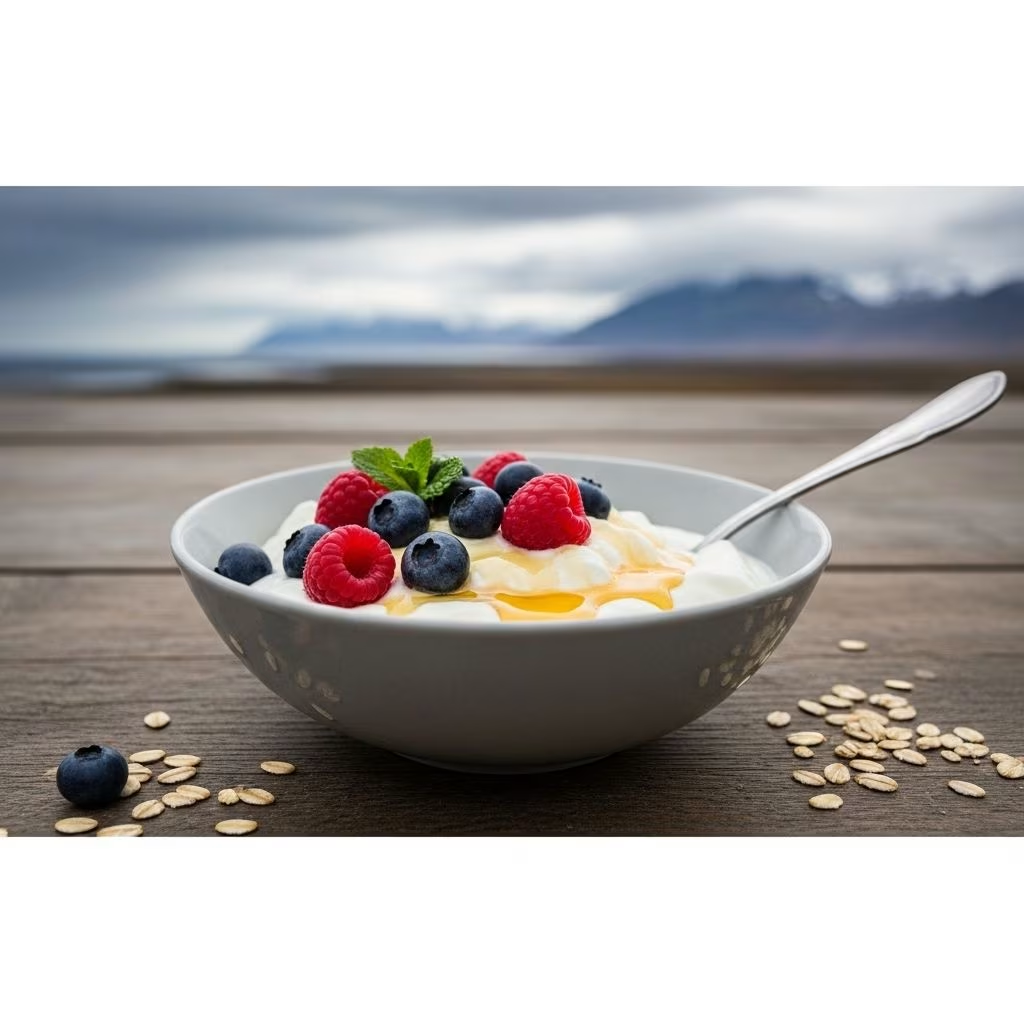
- Simple breakfast bowl: Top plain skyr with fresh berries, sliced banana, and a sprinkle of oats or seeds.
- Fruit and nut parfait: Layer skyr with fruit compote, toasted nuts, and a touch of honey.
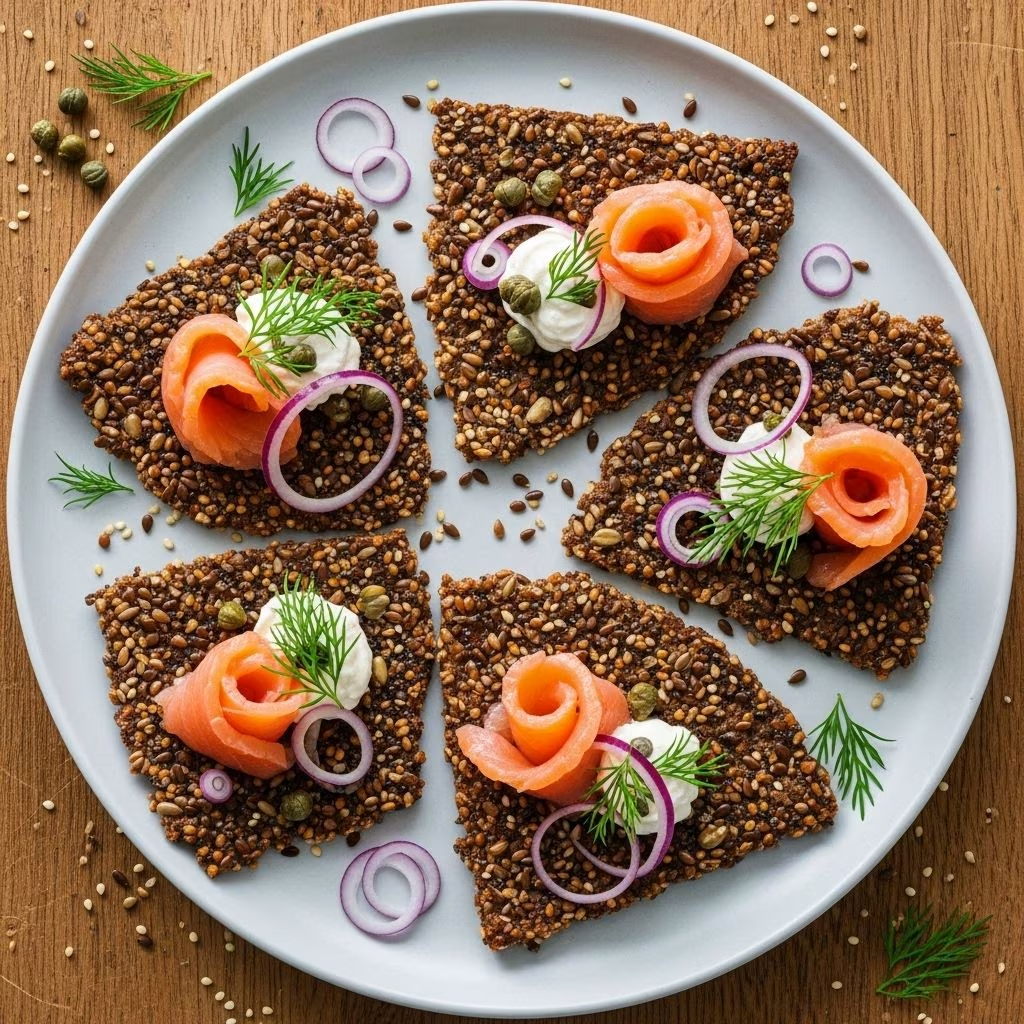
- Savory snack: Swirl in chopped fresh herbs, cucumber, and a pinch of sea salt. Serve with rye crisps or cut veggies.
- Wholesome dessert: Blend skyr with a splash of vanilla and a dusting of cinnamon, then finish with dark chocolate shavings.
- Smoothie base: Replace yogurt in smoothies for extra creaminess and more protein.
- Baking boost: Substitute skyr for sour cream or Greek yogurt in baking recipes for extra moisture and protein.
Buying and Storing Skyr
- Find it chilled: Most major supermarkets, specialty grocers, and natural food stores now stock skyr, often alongside Greek yogurt.
- Choose plain for minimum sugar: Opt for unflavored varieties for the purest, least processed version—or select flavored skyr with no added sugars.
- Store in the fridge: Like yogurt, skyr should be kept cold and eaten by its expiry date.
- Check the ingredient list: Look for simple ingredients: skim milk, live cultures, maybe a pinch of salt or natural fruit for flavor.
Is Skyr Safe for Everyone?
- Lactose content: Skyr contains less lactose than regular yogurt, due to straining and fermentation. However, those with severe lactose intolerance should try a small amount first.
- Allergy alert: Skyr is a dairy product and not suitable for those with a milk allergy.
Frequently Asked Questions (FAQs)
Q: What does skyr taste like?
A: Skyr has a mild, clean dairy flavor with a subtle tang—less sour than Greek yogurt. Its texture is exceptionally thick and creamy.
Q: Is skyr truly healthier than Greek yogurt?
A: Both skyr and Greek yogurt are excellent choices: skyr has more protein and less sugar per serving, while Greek yogurt comes in more fat levels and flavor options. Choose based on your protein, flavor, and dietary fat goals.
Q: Is skyr suitable for vegetarians?
A: Most skyr is vegetarian-friendly, but check the ingredients to ensure it does not include animal-derived rennet.
Q: How should I eat skyr for best results?
A: For high-protein, balanced breakfasts or snacks, pair plain skyr with fruit, a small handful of nuts, or seeds for flavor, fiber, and healthy fats.
Q: Can I cook or bake with skyr?
A: Absolutely! Use it in baking, as a healthy substitute in dips and dressings, blended into smoothies, or as a topping for pancakes and waffles.
Skyr in Icelandic Culture and Cuisine
Beyond its nutrition, skyr is a powerful symbol of Icelandic culture, valued historically as a way to preserve milk and sustain families through harsh winters. Today, it’s a favorite snack, side dish, or even simple dessert, topped with cream and sugar or local berries during the summer harvest.
From rustic farm tables to contemporary kitchens, the rise of skyr is the story of a traditional food adapting to modern tastes—delivering big nutrition with a satisfying, versatile culinary profile.
Key Takeaways: Why Try Skyr?
- High in protein and nutrients—keeps you full, supports muscles and bones.
- Low in sugar and fat—fits into a variety of healthy eating plans.
- Deliciously thick and versatile—savor it straight or use as a nutritious, creamy base for sweet and savory dishes.
- Gut-friendly live cultures support digestive health.
- Pure, simple ingredients—often just milk and cultures.
- Rooted in a thousand-year culinary heritage, but ever-relevant for today’s busy mornings and snack cravings.
References
- https://www.healthline.com/nutrition/skyr
- https://www.noom.com/blog/nutrition/skyr-for-weight-loss/
- https://www.buffalomarket.com/blogs/news/skyr-iceland-yogurt-healthy
- https://pubmed.ncbi.nlm.nih.gov/34121642/
- https://www.icelandicprovisions.com/skyr-product/plain-skyr/
- https://www.icelandicprovisions.com