


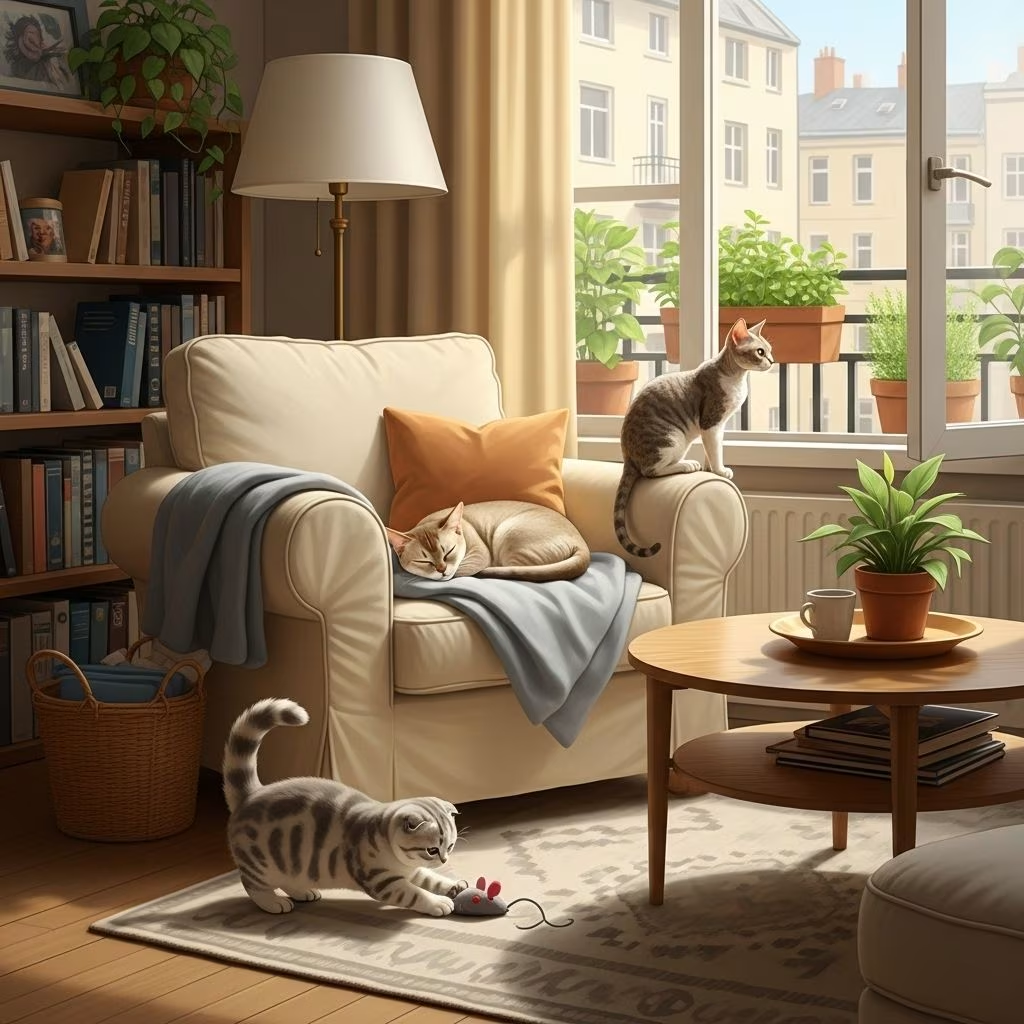
Small Cat Breeds That Thrive in Tiny Homes
If you’re downsizing to a tiny house, apartment, or any cozy living space, choosing the right pet is essential for both owner and animal happiness. Cats are popular companions thanks to their flexibility, independence, and generally low space requirements. However, not all cats are equally suited to small areas. To help you find the perfect feline friend, we’ve gathered information on the best tiny cat breeds, their unique qualities, and advice for living harmoniously in a limited space.
The Appeal of Tiny Cats for Small Spaces
- Compact size: Tiny cats often weigh less and take up less room, making them easier to accommodate in apartments and small homes.
- Adaptability: Many small breeds are known for their easygoing nature and adaptability to changing environments.
- Lower-impact activity: Small cats are less likely to cause the damage or chaos of larger, more boisterous pets.
- Cuteness overload: Their petite frames and often kitten-like features make them irresistible to cat lovers.
Best Tiny Cat Breeds for Tiny Living
Singapura
The Singapura cat is one of the smallest recognized domestic breeds, weighing 4–8 lbs when fully grown. Its bright, expressive eyes and ticked, sepia-toned coat give it a unique, endearing appearance.
- Size: 4–8 lbs
- Personality: Curious, playful, affectionate
- Care Tips: Enjoys human company and interactive play. Singapuras are intelligent and do well with vertical spaces, such as shelves or cat trees.
Munchkin
The Munchkin cat stands out for its shorter legs, a genetic trait that restricts overall height but retains a vivacious personality and energy. Despite their tiny stature, Munchkins are agile and playful.
- Size: 5–9 lbs
- Personality: Social, active, love to play
- Care Tips: Their short legs don’t prevent them from climbing; provide ramps or easily accessed furniture.
Devon Rex
The Devon Rex is renowned for its large ears, pixie-like face, and slim build. Their light frame and gentle demeanor make them ideal for small homes.
- Size: 5–10 lbs
- Personality: Affectionate, playful, intelligent
- Care Tips: Their soft, curly coat requires minimal grooming. They love companionship and will seek out attention.
Cornish Rex
The Cornish Rex is another lightweight breed recognized for its extremely soft, curly coat and elegant body. Agile and social, Cornish Rex cats delight in interactive activities and perching in high places.
- Size: 5–8 lbs
- Personality: Energetic, friendly, clever
- Care Tips: Offer vertical space and enrichment toys. Minimal grooming is needed, but extra warmth may be appreciated, especially in cooler climates.
American Curl
Small in stature but big on personality, the American Curl stands out thanks to its unique backward-curled ears. These cats are playful even as adults and have a reputation for getting along with families.
- Size: 5–10 lbs
- Personality: Curious, adaptable, playful
- Care Tips: Their coat can be short or long, but both types require minimal grooming. Social and gentle with children and other pets.
Napoleon (Minuet)
Also known as the Minuet, the Napoleon cat crosses Munchkin and Persian breeds for a small, plush appearance and a sweet temperament.
- Size: Generally under 7 lbs
- Personality: Gentle, loyal, good with families
- Care Tips: Moderate grooming required. As with other breeds with shorter legs, provide easy access to favorite spots.
Balinese
Dubbed the “long-haired Siamese,” the Balinese cat has a slender body, silky coat, and bright blue eyes, weighing in at the lighter end of medium.
- Size: 5–10 lbs
- Personality: Active, vocal, loving
- Care Tips: Regular grooming keeps their coat looking fine. Enjoys company and interactive play.
Oriental Shorthair
The slender, athletic Oriental Shorthair comes in hundreds of color forms and patterns. This breed is related to the Siamese and is known for being lively, intelligent, and sociable.
- Size: 6–10 lbs
- Personality: Playful, vocal, friendly
- Care Tips: Short coat is easy to maintain. Enjoys friendship and dislikes extended solitude.
Dwelf
The Dwelf breed is a blend of Sphynx, American Curl, and Munchkin characteristics. These hairless cats sport curled ears and short legs, creating a distinct, elfin appearance.
- Size: 4–7 lbs
- Personality: Friendly, energetic, highly interactive
- Care Tips: Skin needs regular cleaning. Provide warmth, vertical space, and mental engagement.
Scottish Fold
Known for their iconic folded ears, Scottish Folds also tend to be compact in size. Calm and affectionate, they adapt well to family and indoor environments.
- Size: 6–13 lbs
- Personality: Quiet, loving, adaptable
- Care Tips: Prefers stable routines. Their plush coat benefits from regular brushing.
Toyger
The Toyger mimics a miniature tiger’s appearance with its striking stripes and modest frame. Toygers are playful and typically smaller than standard domestic cats.
- Size: 7–15 lbs
- Personality: Active, social, curious
- Care Tips: Enjoys playtime, running, and exploring. Short coat is low-maintenance.
Choosing the Right Tiny Cat for Your Space
When living in a compact space, the cat’s size is just one factor to consider. Temperament, energy level, coat type, and adaptability are all critical in selecting a feline partner for apartment or tiny house life.
| Breed | Adult Weight | Primary Traits |
|---|---|---|
| Singapura | 4–8 lbs | Affectionate, playful |
| Munchkin | 5–9 lbs | Active, social |
| Devon Rex | 5–10 lbs | Intelligent, affectionate |
| Cornish Rex | 5–8 lbs | Energetic, clever |
| Napoleon (Minuet) | <7 lbs | Gentle, loyal |
| Balinese | 5–10 lbs | Active, loving, vocal |
| Oriental Shorthair | 6–10 lbs | Playful, vocal |
| Dwelf | 4–7 lbs | Friendly, energetic |
| Scottish Fold | 6–13 lbs | Quiet, adaptable |
| Toyger | 7–15 lbs | Active, curious |
Lifestyle Tips for Tiny Cat Owners
- Maximize vertical space: Install shelves, window perches, and cat trees to expand territory.
- Clever litter box placement: Use tucked-away corners or custom cabinetry. Some owners opt for litter boxes under stairs or in specialized nooks.
- Routine and enrichment: Stimulation is crucial; provide toys, scratching stations, puzzle feeders, and interactive play.
- Grooming: Regular brushing and nail trims limit hair and damage to limited furnishings.
- Health and exercise: Even small cats need daily engagement. Schedule play and, where possible, access to safe outdoor patios or balconies.
Frequently Asked Questions (FAQs)
Q: Are tiny cats good pets for apartments and small homes?
A: Yes, breeds with compact size and gentle temperament adapt well to limited space. More important than size is the individual cat’s personality and energy level.
Q: Do small cats require less exercise or care?
A: Their play and enrichment needs are similar to larger cats. Focus on interactive toys and make use of vertical space indoors.
Q: What’s the best way to place the litter box in a tiny home?
A: Hide litter boxes in under-stair spaces, specialized cabinets, or closets. Some owners install cat doors for outside access, while others prefer accessible indoor locations.
Q: Are any tiny cat breeds hypoallergenic?
A: Breeds like the Devon Rex and Cornish Rex shed less and may be suitable for some allergy sufferers, but no cat is truly hypoallergenic.
Q: How do I keep my cat entertained and happy in a small space?
A: Enrichment is key—rotate toys, install climbing shelves, schedule daily play, and provide window access for bird watching.
Traits to Look for in Cats for Small Spaces
- Adaptability: Cats that deal well with changes, noises, and variable activity levels thrive in apartments.
- Moderate activity level: Breeds that don’t require endless play or have destructive tendencies are preferable.
- Low-maintenance grooming: Breeds with short or easy-care coats make cleanup easier in confined quarters.
- Affection toward humans: Cats that bond with their owners provide emotional comfort in smaller homes.
Preparing Your Tiny Home for a Cat
Before bringing a small cat into your compact living area, plan the following:
- Safe nooks: Cats love private resting places. Set up cat beds and cozy corners.
- Scratching posts: Protect furniture by providing designated scratching stations.
- Window access: Natural light and outdoor views stimulate and relax cats—open blinds, install ledges, and ensure safety screens.
- Feeding stations: Use elevated or discreetly placed bowls to prevent spills and minimize clutter.
Small Breeds That Love Company
Some tiny cats are especially sociable and make excellent companions for singles, families, and even other pets. Consider:
- American Curl — playful with children and other pets
- Devon Rex — affectionate and bonds strongly with owners
- Scottish Fold — calm and gentle, adapts easily to different lifestyles
Ready to Welcome a Tiny Cat?
Small cat breeds offer the charm, companionship, and adaptability needed for life in a tiny house or apartment. By considering breed traits, planning your space, and providing emotional and physical enrichment, you can create a loving, low-impact feline home—no matter your square footage.
Additional Resources
- Local rescue groups: Many tiny cats can be found in shelters—consider adoption.
- Veterinary guidance: Consult a vet on breed-specific care and living arrangements.
- Tiny house blogs: Learn from other pet owners thriving in compact spaces.
References
- https://www.tinyhousebasics.com/pets/
- https://tinyhouseblog.com/tiny-house/furry-friends-and-tiny-houses/
- https://livinglargeinourlittlehouse.com/2014/07/living-in-a-tiny-house-with-pets-takes-planning/
- https://happyvermont.com/2015/05/06/tiny-house-in-vermont/
- https://www.escapetraveler.net/post/i-live-with-my-cat-in-a-388-square-foot-tiny-home-in-a-national-forest-here-s-what-it-s-really-like
- https://www.countryliving.com/home-design/g1887/tiny-house/
- https://www.youtube.com/watch?v=hhm51UPUJyo


